SEO Analytics and Reporting
What is SEO and analytics?
During a search engine optimization (SEO) campaign, you need to use Google Analytics to track the performance of your keywords to have a successful campaign. You will be able to know how much traffic each of the keywords is bringing to your website.
As you probably know, Google Analytics is a free digital analytics tool and by some measures it is already used by more than half of all websites on the internet. And for most SMBs, it’s really the only SEO analysis tool you need to evaluate the value of SEO for your business.
Here are 10 important steps to take when conducting an SEO analysis.
- Check your visibility on Google. through GIPHY. …
- Check URLs and meta descriptions. …
- Analyze titles and headlines. …
- Evaluate inbound links. …
- Analyze your spam score. …
- Please check your internal links. …
- Investigate broken links. …
- Analyze your website content.
SEO stands for Search Engine Optimization, a digital marketing strategy that focuses on the presence of your website in the search results of search engines such as Google. If you understand how SEO works, you can use a variety of tactics to increase your visibility (or how high you rank) in search results.
How is SEO calculated?
Is SEO worth the money?
Short answer: YES! SEO is more important than ever! It is still one of the most powerful digital marketing strategies that delivers long-term results. … Dive in and learn what has changed and how to do search engine optimization in 2020!
SEO services can boost (or destroy) your website traffic. Search engine optimization (SEO) is a concept that most business people are familiar with. … – The money spent on SEO is a complete waste. The first page ranks for keywords in my business are too competitive.
The investment of time and money. If your marketing budget allows, SEO is an investment that should start sooner rather than later. … To answer the question, yes, SEO is a worthwhile investment and worth the investment. You build an asset to your business by investing in SEO.
Absolutely not. Businesses are still making money because Google puts them at the top of search results. What’s dead are old SEO techniques that were very effective and could promote your business to Google rankings quickly, easily and cheaply.
What is KPI in SEO?
As an example, let’s say your goal is to increase sales revenue this year. You are going to call this your Sales Growth KPI. You can define the KPI as follows: Increase sales revenue by 20% this year.
Basic KPI Formula #5: Ratios Total sales revenue received divided by total sales revenue invoiced. Total sales revenue divided by the total number of hours spent on sales calls that generated that revenue.
KPI stands for key performance indicator, a quantifiable measure of performance over time for a specific objective.
Top 5 Key Performance Indicators (KPIs)
- 1 – Revenue Per Customer/Member (RPC) The most common, and probably the easiest KPI to track, is Revenue Per Customer – a measure of productivity. …
- 2 – Average Classroom Attendance (ACA)…
- 3 – Customer Retention Rate (CRR)…
- 4 – Profit Margin (PM)…
- 5 – Average Daily Attendance (ADA)
What is a good ROI for SEO?
SEO does not replace paid ads like AdWords or Facebook ads. But it is a very important part of a good marketing strategy. In fact, it can make or break your ad campaign. … SEO helps you get the best ROI for all your marketing efforts.
If your income exceeds your expenses, PPC management costs and commodity costs, your customer will get a return on their investment. For example, if a company spends $5,000/month on an SEO agency to build and maintain short keyword phrases, that agency can report those SERPs as SEO ROI.
Expected ROI = (expected revenue from SEO efforts – proposed cost of the SEO project)/proposed cost of the SEO project
- Average monthly visit.
- Ecommerce website conversion rate.
- Average order value.
The ROI ratio is therefore by definition “net investment profit to total investment costs”. Analysts usually present the ROI ratio as a percentage. For example, if the metric is calculated as ROI = 0.24, the analyst is likely to report ROI = 24.0%. A positive result such as ROI = 24.0% means that the return exceeds the costs.
What are the tools of SEO?
Our list of the best SEO tools
- spyfu. Spyfu is a search analytics tool that provides SEO research, PPC research, keyword research, SERP checker and domain listings. …
- SEMRush. SEMRush is a comprehensive suite that helps you optimize your marketing workflow. …
- MOZ Pro. …
- Ahrefs. …
- Google Keyword Planner.
SEO audit tools provide companies with a report on the SEO health of their website. These products identify content or technical issues that could affect a website’s search results and make suggestions for improvement.
Welcome to the Google SEO Guide, your complete, all-in-one guide to ranking competitively in Google’s search engine. What is SEO? SEO refers to search engine optimization, or the process of optimizing a website to make it easy to find through search engines like Google.
There are three types of SEO you need for a well-rounded organic search strategy: on-page SEO, technical SEO and off-page SEO. Breaking down your strategy and considering SEO as these three categories will make it much easier to organize and execute your optimization plans.
What is reporting in SEO?
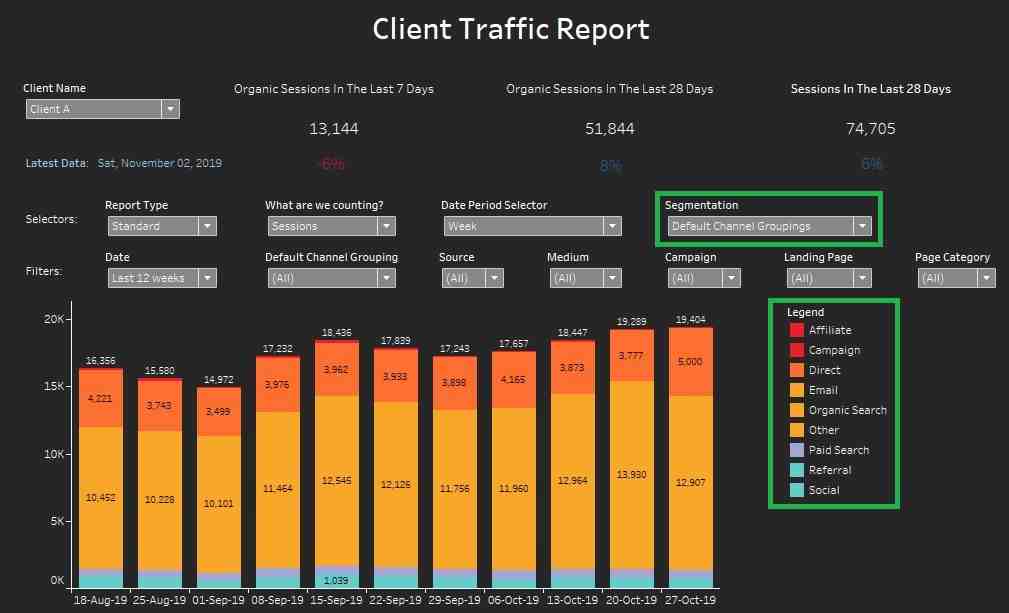
What is an SEO report? SEO reports provide an overview of how a website is performing in search engines. Their focus is usually on domain metrics, organic traffic, and rankings. But they also highlight any work done by the SEO agency or freelancer.
SEO reporting plays a vital role in developing a strong digital marketing strategy. By collecting the right data and knowing how to sort and understand the information, marketers can understand what efforts are driving customers and areas where improvements are needed to deliver high-quality ROI to the business.
7 Essentials to Create Perfect SEO Reports for Your Clients
- Traffic: Channels. If increasing organic traffic to your client’s website is their main goal, put traffic at the beginning of your SEO report. …
- Conversion rate and goal completion. …
- Page level traffic. …
- Page speed insights. …
- Time on site and bounce rate. …
- Rankings and links. …
- Future recommendations and implementation plan. …
- One final note.
Monthly SEO reports contain performance data. They usually include a summary of website performance, a detailed breakdown of organic search metrics, and keyword rankings.
What is SEO knowledge?
SEO stands for Search Engine Optimization, a digital marketing strategy that focuses on the presence of your website in the search results of search engines such as Google. If you understand how SEO works, you can use a variety of tactics to increase your visibility (or how high you rank) in search results.
The SEO skills are basically the knowledge of different elements needed to perform SEO for different websites. … Because we already know that search engine optimization refers to increasing the search ranking of the website through unpaid methods. The traffic generated through SEO is known as organic traffic.
Search engine optimization (SEO) is the process of improving the quality and quantity of website traffic to a search engine website or web page.
The Basics of Search Engine Optimization
- Crawl accessibility so search engines can read your website.
- Engaging content that answers the searcher’s question.
- Keyword optimized to attract searchers and engines.
- Great user experience, including fast loading speed and engaging UX.
Is SEO easy to learn?
It takes 1-3 months to learn the basics of SEO. The basics of search engine optimization can be understood and learned in 3 months, but the more advanced concepts can take 6-18 months. This is provided that you consume knowledge and learn from experts on a daily basis.
SEO is difficult at first, but when you learn Google’s algorithmic policies. you can rank your website in no time. Stay informed about algorithm updates from Google and its new policies. SEO takes time and patience.
SEO is an excellent career choice if you have a passion for digital marketing and all things internet. It is certainly a career of continuous learning and development, great financial reward potential and attractive to those with a competitive streak.
Here are the steps to teach yourself SEO in 6 steps:
- STEP 1 – Find a beginner’s resource. …
- STEP 2 – Practice! …
- STEP 3- Find a mentor. …
- STEP 4 – Join an SEO group. …
- STEP 5 – Know what’s going on in the SEO world. …
- STEP 6 – Rinse and repeat.
How important is SEO?
While some traditional marketing methods may be outdated, SEO is here to stay in 2020. Whether you invested in SEO early or are just starting out, it can still be a major driver of traffic and leads to your website.
SEO is made up of several different elements, and knowing what they are and how they work is essential to understanding why SEO is so important. In short, SEO is important because it makes your website more visible, which means more traffic and more opportunities to convert prospects into customers.
In 2019, voice search SEO will become increasingly important. Twenty percent of searches on Android devices and the Google mobile app are through voice search. … The good news is, if you’re already using SEO best practices, your site is in good shape for voice search. But there are some important things to keep in mind.
SEO services can boost (or destroy) your website traffic. Search engine optimization (SEO) is a concept that most business people are familiar with. … – The money spent on SEO is a complete waste. The first page ranks for keywords in my business are too competitive.
What is SEO example?
Businesses look to search engine optimization, or SEO, to raise awareness and get their business higher in a search engine’s rankings. SEO is used through search engines like Google, Yahoo, MSN, Bing, etc. Search engine optimization uses keywords that lure a user to the business.
SEO stands for Search Engine Optimization, a digital marketing strategy that focuses on the presence of your website in the search results of search engines such as Google. If you understand how SEO works, you can use a variety of tactics to increase your visibility (or how high you rank) in search results.
You can absolutely do SEO yourself. With some research and a lot of practice, anyone can learn how to do SEO for their business. A quick way to get started with SEO is to enter your URL here and then focus your SEO efforts on the recommended action items.
Search engine optimization (SEO) is the process of improving the quality and quantity of website traffic to a search engine website or web page. SEO focuses on unpaid traffic (known as “natural” or “organic” results) rather than direct traffic or paid traffic.
What should be in a monthly SEO report?
One more thing to emphasize in your perfect SEO report is the type, volume and caliber of your keywords. You want to show your customers that you are using keywords that they would use for their business. If you haven’t already, take a closer look at the related keywords your customers can rank for.
What is an SEO report? SEO reports provide an overview of how a website is performing in search engines. Their focus is usually on domain metrics, organic traffic, and rankings. But they also highlight any work done by the SEO agency or freelancer.
In other words, a monthly SEO report helps people analyze the performance of their SEO strategies. It is essential for the customer because there is no other way for them to know what you have done. A monthly SEO report helps your clients keep track of your work and justify why they spend money on your services.
How to complete an SEO audit report
- Description: When more than one page on a website has the same title tag, it becomes difficult for search engines to categorize and rank each page correctly. …
- Customer Action Plan: In the SEO audit report, list the URLs with duplicate title tags that need to be rewritten.
What is SEO template?
SEO stands for Search Engine Optimization, a digital marketing strategy that focuses on the presence of your website in the search results of search engines such as Google. If you understand how SEO works, you can use a variety of tactics to increase your visibility (or how high you rank) in search results.
SEO content strategy
- Make a list of topics.
- Make a list of long-tail keywords based on these topics.
- Create pages for each topic.
- Set up a blog.
- Create a consistent blogging schedule.
- Create a link building plan.
- Compress media files before uploading them to your site.
- Stay up to date with SEO news and best practices.
Here are the essential SEO steps to follow to ensure your site has what search engines are looking for.
- Step 1: Pick a great domain name. …
- Step 2: Research the right keywords. …
- Step 3: Create your content. …
- Step 4: Optimize your code. …
- Step 5: Technical Installation. …
- Step 6: Earn links. …
- Step 7: Things to Check After Launch.
SEO strategy is a detailed plan to improve a website’s ranking in the search engines to generate more organic traffic. This plan should be built on several fundamental pillars, including technical SEO, content strategy, on-page SEO, link building, and user experience.
How do you analyze SEO reports?
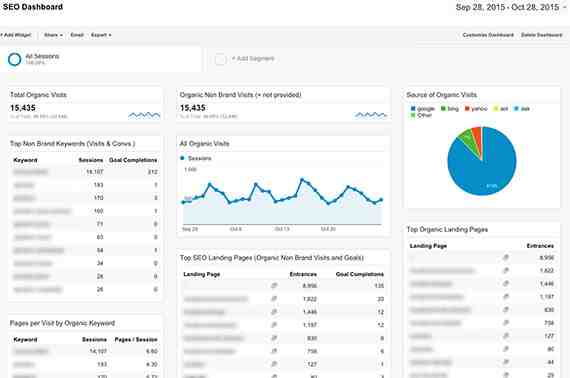
Run an SEO analysis of your site in 10 quick steps
- Check your visibility on Google. through GIPHY. …
- Check URLs and meta descriptions. …
- Analyze titles and headlines. …
- Evaluate inbound links. …
- Analyze your spam score. …
- Please check your internal links. …
- Investigate broken links. …
- Analyze your website content.
“The only thing every SEO report should have is a list of any redirects and/or redirect chains that are occurring,” said Jill Caren of 2 Dogs Design. “This is something that many website owners have but don’t know or understand how they negatively affect them.”
SEO analysis is the process of scrutinizing a website to get a better understanding of how well the site is optimized and what can be done to improve the site. SEO analysis requires brands to first look closely at the content they have on their page.
How do I find SEO keywords?
8 Free Keyword Research Tools for SEO (Which Their Paid…
- rank tracker. To find the most comprehensive list of keyword variations and analyze their SEO profitability. …
- Google Search Console. …
- Google Ads Keyword Planner. …
- AnswerThePublic. …
- Keyword Tool dominator. …
- google trends. …
- Google correlate. …
- Keywords everywhere.
One of the easiest ways to find trending keywords is to use Google’s autocomplete feature on their website. Start typing your search term(s). As you type, Google will report some popular searches based on what you’ve entered. Search for “main” keywords.
Finding Specific Words on a Web Page: Basics
- Press Ctrl F (Windows) or ⌘ Command F (Mac)
- Type the word in the search field to find it on a web page.
- Check the presence of keywords and/or the number of keywords (density) on a page.
Your SEO keywords are the keywords and phrases in your web content that allow people to find your site through search engines. A website that is well optimized for search engines “speaks the same language” as its potential visitor base with keywords for SEO that help searchers connect your site.
How many keywords should I use for SEO?
It is recommended for most small businesses to start with about 5 keywords (each with a monthly search volume of 100). That may not seem like much to some businesses, but targeting 5 keywords doesn’t mean your website will rank for only 5 keywords and get traffic from 5 keywords.
However, the general rule is that you should try to include your primary keyword about once every 100-150 words. So if you are writing a 1000 word article, it would be appropriate to insert the primary keyword about 7-10 times.
Where to use keywords for SEO
- Page titles. Optimizing page titles is part of technical SEO and is a great starting point when using keywords for SEO. …
- meta descriptions. The next important area for using keywords for SEO is the meta description. …
- Subtitles. …
- Content. …
- Pictures. …
- URLs. …
- Link anchor text. …
- Social media.
A good rule of thumb is to focus on one or two long-tail keywords per blog post. While you can use more than one keyword in a single post, keep the post focus narrow enough that you can spend time optimizing for just one or two keywords.
What is keyword in SEO with example?
Keywords are the words and phrases that people type into search engines to find what they are looking for. For example, if you want to buy a new jacket, type something like “men’s leather jacket” into Google. Even though that sentence consists of more than one word, it is still a keyword.
Keywords are ideas and topics that define what your content is about. In terms of SEO, these are the words and phrases that searchers enter into search engines, known as “search queries”. If you cook everything on your page – all images, videos, copies, etc.
You need to write keywords in your content using the following steps:
- Use keywords in your meta description. …
- Insert keywords into your SEO title tag. …
- Use keywords in the title of your article. …
- Use keywords within the first 200 words. …
- Insert keywords throughout the article, of course. …
- Use keywords in the last 200 words.
A keyword is a term used in digital marketing to describe a word or group of words that an internet user uses to perform a search in a search engine or search bar. In an SEO strategy, keywords are very important and should be at the heart of every copy written for the web (present in the content, titles and SEO elements).
Are keywords important for SEO?
Where to use keywords for SEO
- Page titles. Optimizing page titles is part of technical SEO and is a great starting point when using keywords for SEO. …
- meta descriptions. The next important area for using keywords for SEO is the meta description. …
- Subtitles. …
- Content. …
- Pictures. …
- URLs. …
- Link anchor text. …
- Social media.
5% to 3%, but you should do what feels natural and provides the best user experience. As you build the actual focus of each page, map out a few keywords that are contextually or semantically related to your target keyword (synonyms, variants, closely related topics, etc.)
How do I know if my website is SEO friendly?
13 Tips To Help You Create SEO Friendly Content
- Conduct a keyword research.
- Give structure to your content.
- Write catchy titles.
- Write SEO-friendly URLs.
- Use small paragraphs.
- Optimize the meta description.
- Optimize images.
- Add links that make sense.
Making a website SEO-friendly means that Google and other search engines can efficiently crawl every page on the website, interpret the content effectively and index it in their database. Once indexed, they can provide the most relevant and valuable web pages to their users based on the topics they search for.
How can I improve my SEO score?
Fastest SEO Results: 5 Ways to Increase Search Traffic FAST!
- Optimize title tags. One of the first things I look at when evaluating a client’s (or potential client’s) website is their title tag structure. …
- Find “almost†ranking terms. …
- Consolidate root domains. …
- Republish blog content. …
- Reclaim earned links.
Index
- But what exactly is an “SEO score�
- How to increase SEO score? All pages should work. All pages must have meta tags. Pages must have headings and subheadings. BlogPatcher: The Ultimate Content Optimization! Reduce the size of image files. …
- Do you now know how to increase SEO score?
No Money, No Problem: 17 Free Ways To Improve Your Website’s SEO
- Find better keywords. Optimize for keywords that are closer to your niche and have fewer competitors. …
- Remove duplicate content. …
- Fix 404 errors. …
- Write a unique title tag for each page. …
- Write a catchy meta description for each page. …
- Clean up your URL structure. …
- Update your blog regularly. …
- Include H1, H2, H3, etc.
10 Ways to Improve SEO in 2021 (That Will Boost Rankings)
- Use a program that integrates with Google Analytics to track statistics.
- Identify underperforming pages and refresh them with new content that people want to read.
- Make sure your content is built around a primary keyword and relevant secondary keywords.
- Diversify your backlink portfolio.
Is Google Analytics Good For SEO?
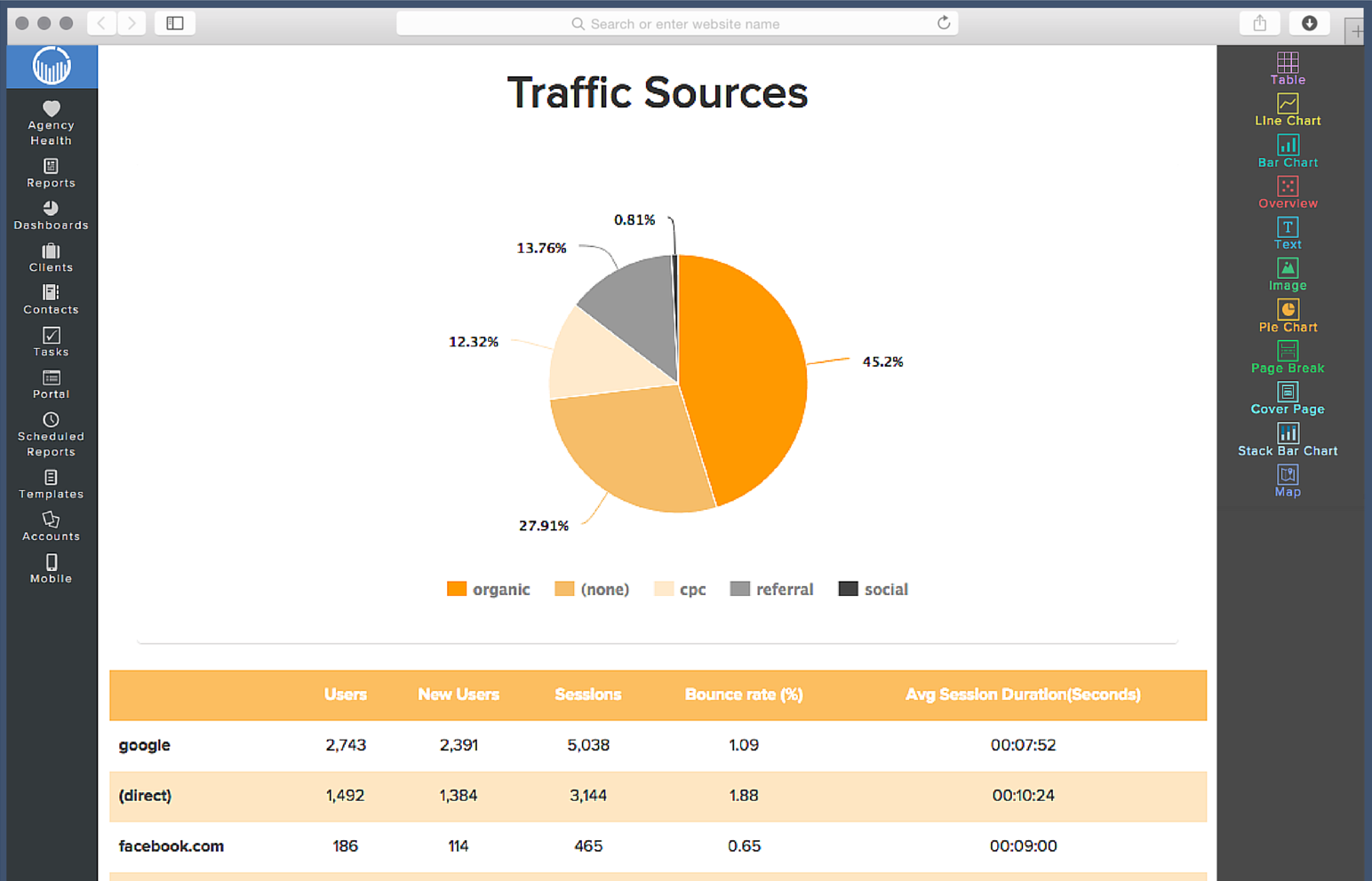
Google does not use Analytics data for ranking purposes.
Google Analytics helps you determine what makes a good business website for your target audience and industry – not through insight or opinion, but through data. With a data-driven approach, you eliminate time-consuming guesswork and learn, decide, and execute more efficiently.
Limitations of Google Analytics
- Accuracy. For many reasons, Google cannot track everything that happens on a website, so any numbers shown in reports should be considered approximations.
- Missing information. …
- Unwanted information. …
- Approach. …
- Some tracking needs to be set up.
The reality is that SEO is still important in 2020, although many of the practices and methods have changed. For example, Google’s 2019 BERT update has lit a fire among SEO professionals to focus more on optimizing content based on search intent rather than keywords.
What is Google SEO tools?
Best Search Engine Optimization (SEO) Tools
- Ahrefs: Keyword SEO Tool. …
- Google Search Console: The Best SEO Tool. …
- SEMRush: SEO Tools for Marketing. …
- KWFinder: Keyword SEO Tool. …
- Moz Pro: SEO software. …
- Ubersuggest: Keyword Tracking Tool.
- Answer The Public: Free SEO Tools. …
- SpyFu: Free SEO Tools.
Google Chrome Here’s why: Google Chrome has several SEO extensions that can help you make better decisions about your online marketing strategy. For example, the SEO & Website Analytics extension is one of the best you can find. It allows you to instantly create an SEO report for any website.
Conclusion. SEO tools aren’t just useful for tracking your rankings or conducting keyword research. You can gain valuable insights about your competition, how your SEO efforts are paying off, and whether you’re generating a solid ROI for your customers.
SEO is the process of taking steps to make a website or piece of content rank higher in Google. … To make things a little easier, search engine optimization means taking a piece of online content and optimizing it so that search engines like Google show it at the top of the page when someone searches for something.
What is best SEO tool?
7 Free SEO Tools to Boost Traffic, Clicks & Sales
- Google Analytics. If you’re not already using Google Analytics, I recommend you start as soon as possible. …
- Google Search Console. …
- ubersuggest. …
- MozBar. …
- SEOWorkers analysis tool. …
- WooRank website reviews. …
- Neil Patel SEO Analyzer.
Top 7 Must-Have Free SEO Tools for Beginners
- Google Analytics. A great tool to get started with. …
- AdWords Keyword Tool. Completing keyword research is an incredibly important aspect of SEO (after all, you need to know what and where to optimize). …
- Open Site Explorer. …
- SEO by Yoast. …
- PageRank status. …
- Google Webmaster Tools. …
- Bing Webmaster Tools.
With that out of the way, here are 10 great, reliable, so rewarding, paid SEO tools that I personally recommend.
- Screaming Frog SEO spider. The only way to ensure that your website is SEO ready on all its pages is to check regularly. …
- Ahrefs. …
- SEMrush. …
- Moz Pro. …
- Mangolian KWFinder. …
- Search statistics. …
- Majestic. …
- cognitive SEO.
The best free SEO tools
- Bing Webmaster Tools. While Google Webmaster Tools gets all the credit, people forget that Bing Webmaster offers a full suite of website and search analytics. …
- data studio. …
- Improved Google Analytics annotations. …
- Google Analytics. …
- Search console. …
- Keyword Hero. …
- MozCast. …
- Beam us up.
What are SEO rules?
SEO stands for Search Engine Optimization, a digital marketing strategy that focuses on the presence of your website in the search results of search engines such as Google. If you understand how SEO works, you can use a variety of tactics to increase your visibility (or how high you rank) in search results.
What is an SEO Strategy?
- Step 1: Make a list of keywords.
- Step 2: Analyze the first page of Google.
- Step 3: Create something different or better.
- Step 4: Add a hook.
- Step #5: Optimize for on-page SEO.
- Step #6: Optimize for search intent.
- Step #7: Make your content look great.
- Step #8: Build links to your page.
This is how you improve the SEO of your website in 5 steps:
- Choose the correct URL.
- Create titles and descriptions for each page.
- Use anchor text.
- Add alt text to all your images.
- Give your site structure with the right headers.
What are the SEO techniques?
Types of SEO in Digital Marketing Explained
- White Hat SEO. White-hat SEO refers to all optimization techniques that follow Google’s guidelines for search engines. …
- Black Hat SEO. …
- Gray Hat SEO. …
- Negative SEO. …
- SEO on the page. …
- Technical SEO. …
- Off page SEO. …
- Popular searches.
An SEO strategy (also called “SEO approach” or “search engine optimization strategy”) is the process of planning, outlining and implementing steps to improve search engine rankings. In other words, an SEO strategy is the process you follow when you want to get more organic traffic.
The 3 steps to a successful SEO campaign
- Step #1 Get to know your buyers and their search habits. Everything that happens in search engine optimization is based on the idea that you know who your best potential customers are. …
- Step #2 Optimize your website and add new content. …
- Step #3 Maximize website visitor conversions.
SEO stands for Search Engine Optimization, a digital marketing strategy that focuses on the presence of your website in the search results of search engines such as Google. If you understand how SEO works, you can use a variety of tactics to increase your visibility (or how high you rank) in search results.
What are the disadvantages of Google Analytics?
It is misused by referral spam that distorts the data. It is a way for malicious parties to “advertise” their products and services to other website owners by spamming Google Analytics. They send fake visitors to your site, who then display their URL at the top of your list of referral sources.
4 Limitations of Google Analytics
- Restriction #1: Include bot and spam traffic. Not every machine that loads your website is controlled by a person. …
- Restriction #2: Time on site. Time on site is a metric that is always reported by Google Analytics. …
- Restriction #3: Measure all users. …
- Restriction #4: The need for customization.
Google Analytics is not a necessary evil, but it is not enough for your website. You need more than just data, especially sampled data. Brian Massey of Conversion Sciences said it best in 2013: “The ability to make decisions based on data is powerful.
Reliance on cookies as a unique identifier: while
- A single user equals a single browser.
- A web browser does not have multiple users.
- It is unlikely that cookies will be disabled.
- People let their browser’s cookie cache accumulate.
- People are loyal to a single browser.
- People are reluctant to spend money on a new computer.
Does Google Analytics increase Pagerank?
Google Analytics contains valuable data that your business can use to monitor (and improve) SEO performance, from keywords to your website’s top referrals and much more.
Google Doesn’t Use Analytics For Ranking Purposes Google couldn’t be clearer: Google will not use analytics for ranking purposes. The claim that Google uses analytics to penalize better sites or rank pages is not supported by any evidence.
Follow these suggestions to improve your search engine optimization (SEO) and see how your website ranks higher in search results.
- Publish relevant content. …
- Update your content regularly. …
- metadata. …
- Provide a link-worthy site. …
- Use alt tags.
The short answer is no, using Fathom instead of Google Analytics will not hurt your SEO. Google does not penalize or penalize a website for not using Google Analytics. No search engine does that. Sites are not ranked higher or lower due to using Google’s script or using an alternative to Google Analytics.
Back to home page San Diego SEO Company
Full Website SEO Audit
How do I audit my Website for SEO?
The Seobility SEO Checker is a tool that scans any web page for technical errors and SEO issues that can negatively impact search engine rankings. Use it to get a comprehensive list of errors on your web page and find out where you still need to improve your website.
Fortunately, there are several SEO tools available to make website audits even easier.
- Choose a Site Audit Tool. …
- Run your website URL through the Site Audit Tool. …
- Find technical errors. …
- Identify SEO issues. …
- Analyze design and UX. …
- Review website content. …
- Generate a checklist of all site issues.
SEOptimer is a free SEO audit tool that performs detailed SEO analysis on 100 website data points and provides clear and actionable recommendations on steps you can take to improve your online presence and ultimately rank better in search engine results.

10 SEO Audit Tools You Should Be Using in 2021
- Woerank. Woorank is a great audit tool for analyzing the websites and this tool is very useful for website owners, SEO agencies and digital marketing and B2B marketing companies. …
- Raven tools. …
- semrush. …
- moz. …
- WebCEO. …
- SpyFu. …
- SEO site check. …
- Found.’s SEO audit tool.
How much does an SEO audit cost?
Whether you’re a small to medium-sized business (SME) or an established business, you can expect to pay between $650 and $14,000 for an SEO audit. Admittedly, if you are a larger company with a larger website, you will have higher SEO audit costs than a startup with a small site.
Important facts about SEO prices and costs include the following: The average SEO costs are $100-$250 per hour for US SEO agencies. The average SEO cost is $2,500 – $10,000 per month for US agencies. Overseas SEO companies can charge $10-$50 per hour.
As mentioned before, an SEO audit can take 2 to 6 weeks. During this time, an SEO specialist will analyze and discover SEO opportunities on your website.
For such detailed audits, the cost can be between $500 and $2000, depending on the size of the website and whether the audit also includes PPC, social media and other marketing aspects. Then there are customers who are almost ready to start with us. For those customers we just give a short audit with website SWOT analysis.
How much does SEO cost per month?
Monthly Retainer A 2019 survey of Backlinko’s 1,200 business owners corroborates Ahref’s findings here, reporting that US small businesses spent an average of just under $500 per month on SEO services in 2019. Monthly commissions are convenient and easy to budget.
Important facts about SEO prices and costs include the following: The average SEO costs are $100-$250 per hour for US SEO agencies. The average SEO cost is $2,500 – $10,000 per month for US agencies. Overseas SEO companies can charge $10-$50 per hour.
The cost of high-quality SEO services varies depending on the agency and the results presented. Most SEO campaigns from leading agencies in 2020 will cost between $1,500 – $10,000 per month with a 6 month contract being the usual agreement. A one-time project will typically run you between $5,000 and $40,000.
Conclusion, is SEO worth it? While it takes longer to run an effective SEO campaign, organic search is still worth the time and effort. It’s a lot cheaper to invest in, attracts more click-throughs than PPC, and organic search results are more reliable than PPC ads.
How much should I budget for SEO?
To generalize, most SEO experts will charge a monthly recurring investment of $3,000 to $10,000 per month. A national or international SEO budget should never be less than $5000 a month and it is possible to start a local SEO campaign in the range of $500 to $2500.
How much does SEO cost per month? Based on extensive research by Ahrefs, an agency’s average SEO subscription costs $2,819 per month. The bottom of the average is around $500 per month and the top of the average is between $25,000 and $50,000 per month.
Monthly SEO typically costs between $650 (low end), $2000 (medium) to $5000 (high end), depending on a number of factors; Keyword competitiveness. Locations you want to target.
Depending on what you can afford, the size of your website and the amount of content you generate, you can expect to spend anywhere from 5 to 50 hours per month on your SEO efforts. Based on the going rates of most digital marketing agencies, this can cost anywhere from $500 to $10,000 per month.
How much should I pay for SEO?
Important facts about SEO prices and costs include the following: The average SEO costs are $100-$250 per hour for US SEO agencies. The average SEO cost is $2,500 – $10,000 per month for US agencies. Overseas SEO companies can charge $10-$50 per hour.
Conclusion, is SEO worth it? While it takes longer to run an effective SEO campaign, organic search is still worth the time and effort. It’s a lot cheaper to invest in, attracts more click-throughs than PPC, and organic search results are more reliable than PPC ads.
Monthly Retainer A 2019 survey of Backlinko’s 1,200 business owners corroborates Ahref’s findings here, reporting that US small businesses spent an average of just under $500 per month on SEO services in 2019. Monthly commissions are convenient and easy to budget.
Most SEO campaigns from leading agencies in 2020 will cost between $1,500 – $10,000 per month with a 6 month contract being the usual agreement. A one-time project will typically run you between $5,000 and $40,000. Hourly rates for SEO consultants range from $100-$400/hour.
How can I check my SEO?
33-Point On-Page SEO Checklist
- Conduct keyword research to find the best keywords. …
- Choose one primary keyword for your content. …
- Choose three to five related keywords for your content. …
- Create a content plan for your keyword. …
- Write a title that includes the primary keyword. …
- Wrap the title in an H1 tag.
How do you conduct a Google SEO analysis?
- Enter the URL you want to rate.
- Press the ‘Run SEO scan’ button.
- Get the results of the Google SEO analysis, your website will be automatically scored on a scale of 0-100.
- Review and resolve the potential SEO issues returned by the Google Lighthouse analysis.
What is covered in an SEO audit?
Now on to the control.
- Step 1: Identify internal and external link building opportunities. …
- Step 2: Identify potential improvements in information architecture. …
- Step 3: Identify thin content. …
- Step 4: Identify duplicate content. …
- Step 5: Scan for keyword optimization. …
- Step 6: Make sure meta tags are optimized.
Usually, a website audit involves analyzing several aspects of performance: technical aspects such as loading speed, UX aspects such as usability, and marketing aspects such as how well it is optimized for conversions.
SEO stands for Search Engine Optimization, which is the practice of increasing the quantity and quality of traffic to your website through organic search results.
SEO audits take a deep dive into your site to evaluate numerous factors that affect your ability to rank on search engine results pages or SERPs. These elements include your website’s on- and off-page SEO, as well as technical SEO performance.
Why do you need a SEO audit?
A search engine optimization audit can include any number of components: technical, content, competition, backlinks, mobile, and analytics. … But they can be worth it for competitive organic search results. The risk of a generic SEO audit is that it will surface with little benefit.
Here are the eight steps to take to complete your SEO site audit in less than an hour.
- Start your audit with a crawl (5 minutes) …
- Make sure only one version of your site is browseable (5 minutes)…
- Run on-page SEO checks (10 minutes)…
- Manage your internal and external links (10 minutes)
Website audits are an essential measure to improve the efficiency and visibility of a website. Audits improve Google search ranking and increase site traffic and performance. A website audit offers a company an exceptional opportunity to grow online.
SEO audits take a deep dive into your site to evaluate numerous factors that affect your ability to rank on search engine results pages or SERPs. These elements include your website’s on- and off-page SEO, as well as technical SEO performance.
How important is SEO?
While some traditional marketing methods may be outdated, SEO is here to stay in 2020. Whether you invested in SEO early or are just starting out, it can still be a major driver of traffic and leads to your website.
SEO is made up of several different elements, and knowing what they are and how they work is essential to understanding why SEO is so important. In short, SEO is important because it makes your website more visible, which means more traffic and more opportunities to convert prospects into customers.
In 2019, voice search SEO will become increasingly important. Twenty percent of searches on Android devices and the Google mobile app are through voice search. … The good news is, if you’re already using SEO best practices, your site is in good shape for voice search. But there are some important things to keep in mind.
Conclusion. SEO is not dead in 2020, it is evolving. Old practices will no longer work and could instead lead to massive penalties. In such a scenario, it is the only way to stay up to date with all updates to Google’s search algorithm.
What does a site audit do?
The purpose of a website audit is to provide webmasters with a complete and detailed analysis of the health, performance and speed of their site.
We strongly recommend that you perform a website audit to identify any website-related issues. It will help determine if your website is fully optimized for search engine traffic, has broken links or files, optimal loading time, usability, and content status.
A website audit can check the performance of your website, improve your search engine optimization and increase your conversion rate. An effective site audit checklist should include a site health audit, site security audit, conversion rate audit, competition audit, content audit, and social media presence audit.
A website audit is the professional analysis of your website. It determines which mistakes reduce the quality and visibility of your site in the top search engines, and also determines which elements to add to your site to rank high in search results.
What should a website audit include?

Fortunately, there are several SEO tools available to make website audits even easier.
- Choose a Site Audit Tool. …
- Run your website URL through the Site Audit Tool. …
- Find technical errors. …
- Identify SEO issues. …
- Analyze design and UX. …
- Review website content. …
- Generate a checklist of all site issues.
For this reason we have developed the “Website Quality Audit†. The tool scrapes all URLs on your site and compares them with essential SEO data sources. This allows us to make decisions about the “quality†of each page on your website and what SEO action to take to improve it.
Website Audit Checklist
- Remove low-quality content from Google’s index.
- Improve page loading times.
- Make sure your website is mobile optimized.
- Fix broken links (404s)
- Find and fix indexing issues.
- Make sure only one version of your site is indexed.
- Watch your organic traffic.
- Improve click-through rates.
Sign up for weekly updates
- Check your design.
- Check your navigation.
- Check for mobile friendliness.
- Check your robots.txt file and sitemap.
- Verify that you are using HTTPs.
- Check if your site loads quickly.
- Check content “qualityâ€
- Check for broken pages and links.
Does website audit check the content?
A website audit can check the performance of your website, improve your search engine optimization and increase your conversion rate. An effective site audit checklist should include a site health audit, site security audit, conversion rate audit, competition audit, content audit, and social media presence audit.
Website audit is a complete analysis of all factors that affect the visibility of the website in search engines. … Website audit is performed solely for marketing purposes. The goal is to detect weaknesses in campaigns that affect web performance.
A 5-step guide to conducting a full content audit for your…
- Find out what works and what your audience is responding to.
- Find out what doesn’t work so you can do less of it in the future.
- Determine what content can be reused.
- Find gaps in the types of content you create and topics you cover.
- Avoid duplicate content on your website.
- Improve the quality of your content.
Rate your content items using set stats and assign them to statuses: keep, update, delete. Prioritize your actions according to the business goals you defined in the first step and create an action plan for each piece of content. Adjust your content strategy based on the audit results at least once a year.
Do websites audit?
We strongly recommend that you perform a website audit to identify any website-related issues. It will help determine if your website is fully optimized for search engine traffic, has broken links or files, optimal loading time, usability, and content status.
A website audit can check the performance of your website, improve your search engine optimization and increase your conversion rate. An effective site audit checklist should include a site health audit, site security audit, conversion rate audit, competition audit, content audit, and social media presence audit.
Website audits are an essential measure to improve the efficiency and visibility of a website. Audits improve Google search ranking and increase site traffic and performance. A website audit offers a company an exceptional opportunity to grow online.
The cost of a technical SEO site audit usually starts at around $5,000, but it depends on how deep or complex your business wants to go. Depending on the depth and size, it can range from $3,000 to $30,000.
How do I content audit a website?
How to Check Your Content: 5 Essential Steps
- Identify your main goal.
- Identify the content to include.
- Define your inventory/audit facets.
- Make an inventory of the content to be checked.
- Check the contents in your inventory.
Content audits track your content, including blog posts, social media posts, events and web pages, and provide analysis of the impact they have on audiences. Plus, they can provide insights into how to improve underperforming content so you know how to properly update your posts for higher conversion rates.
To summarise:
- List all the page URLs of your website (your sitemap).
- Assign a ‘Content Owner’ to each page and choose a review date.
- Let content owners know when it’s time to rate their pages. …
- Deploy required updates, fix any issues: make it happen and follow through, follow through, follow through.
Four steps to perform a copy audit of your homepage
- Write down your first impressions. You have about 7 seconds to make a positive first impression when someone lands on your website. …
- Make sure you have included your most important messages. …
- Take a closer look at each section of your home page content. …
- Record your last impressions.
How do you audit a website design?
Fortunately, there are several SEO tools available to make website audits even easier.
- Choose a Site Audit Tool. …
- Run your website URL through the Site Audit Tool. …
- Find technical errors. …
- Identify SEO issues. …
- Analyze design and UX. …
- Review website content. …
- Generate a checklist of all site issues.
A design audit involves analyzing all design elements used in your organization to ensure branding is consistent across channels and points of sale. That means not only taking stock of your visual design elements, but also the oral and written parts of your user experience.
Usually, a website audit involves analyzing several aspects of performance: technical aspects such as loading speed, UX aspects such as usability, and marketing aspects such as how well it is optimized for conversions.
1. Evaluate the technical aspects of your site performance. A technical audit is step one for any website audit because it gives you information about how the underlying technology is performing – or not. This affects every other aspect of the site and how people use it, so it comes first.
Is website audit check the performance?
A site audit will identify a range of website issues. It will highlight broken links, slow loading pages, and whether your website is still at the top when it comes to search engine optimization.
Website audit is a complete analysis of all factors that affect the visibility of the website in search engines. … Website audit is performed solely for marketing purposes. The goal is to detect weaknesses in campaigns that affect web performance.
Website audits are an essential measure to improve the efficiency and visibility of a website. Audits improve Google search ranking and increase site traffic and performance. A website audit offers a company an exceptional opportunity to grow online.
We strongly recommend that you perform a website audit to identify any website-related issues. It will help determine if your website is fully optimized for search engine traffic, has broken links or files, optimal loading time, usability, and content status.
How much does a website audit cost?
Whether you’re a small to medium-sized business (SME) or an established business, you can expect to pay between $650 and $14,000 for an SEO audit. Admittedly, if you are a larger company with a larger website, you will have higher SEO audit costs than a startup with a small site.
Depending on the size of your site, a proper audit can take 2-6 weeks. Due diligence is required when making major changes to a website, and an SEO specialist must conduct a thorough investigation to make accurate, impactful recommendations.
How much does content research cost? Depending on the size and scope of your company’s goals, a full site audit can cost between $5,000 and $25,000. A full marketing audit may include: Inventory of existing site content.
Usually, a website audit involves analyzing several aspects of performance: technical aspects such as loading speed, UX aspects such as usability, and marketing aspects such as how well it is optimized for conversions.
How do I audit my website for free?
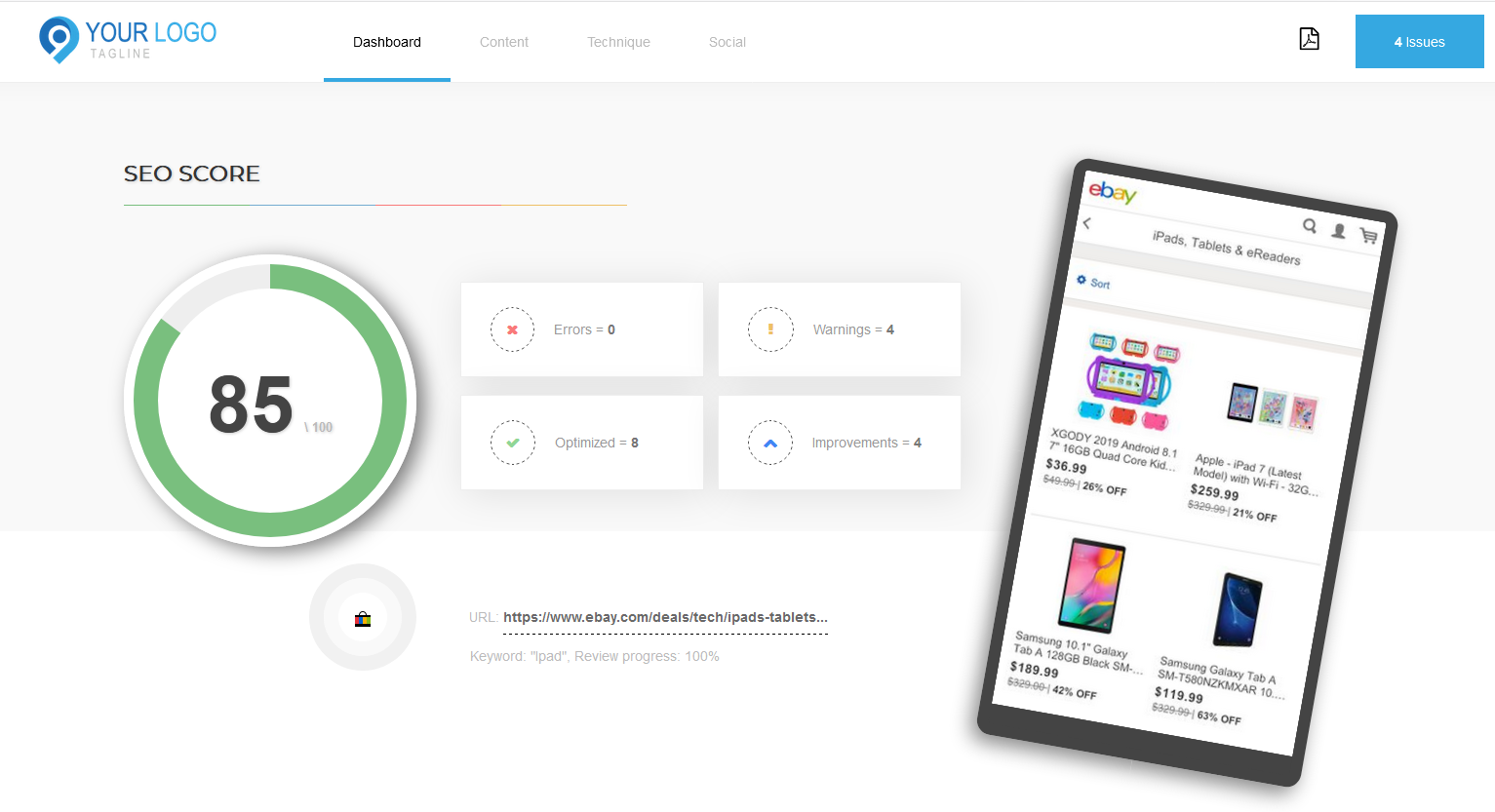
SEOptimer is a free SEO audit tool that performs detailed SEO analysis on 100 website data points and provides clear and actionable recommendations on steps you can take to improve your online presence and ultimately rank better in search engine results.
Fortunately, there are several SEO tools available to make website audits even easier.
- Choose a Site Audit Tool. …
- Run your website URL through the Site Audit Tool. …
- Find technical errors. …
- Identify SEO issues. …
- Analyze design and UX. …
- Review website content. …
- Generate a checklist of all site issues.
The cost of a technical SEO site audit usually starts at around $5,000, but it depends on how deep or complex your business wants to go. Depending on the depth and size, it can range from $3,000 to $30,000.
similarweb.com gives you a free estimate of website traffic with total visits, average visit duration, pages per visit, and bounce rate on an aggregated level for both desktop and mobile web traffic. semrush.com also has a free version of web page traffic statistics.
What is a good SEO score?
What percentage of Search Visibility should I aim for? You want to get around 35% – 45% as this is generally the average click-through rate of a URL in the top position in search results.
What are the main SEO ranking factors?
- A safe and accessible website.
- Page speed (including mobile page speed)
- Mobile friendliness.
- Domain age, URL and authority.
- Optimized content.
- Technical SEO.
- User Experience (RankBrain)
- Links.
The health score is a measure of how much a page, or a website in general, is optimized for SEO. The higher the score, the better. The score is based on industry surveys and common SEO best practices.
Index
- But what exactly is an “SEO score�
- How to increase SEO score? All pages should work. All pages must have meta tags. Pages must have headings and subheadings. BlogPatcher: The Ultimate Content Optimization! Reduce the size of image files. …
- Do you now know how to increase SEO score?
How can I get 100 SEO score?
The score you should aim for is somewhere between 31 and 40. Improving your domain authority score from 30 to 40 is much easier than improving from 70 to 80.
How to Score Your Website’s SEO in 10 Minutes or Less
- Step 1: Find out the domain authority.
- Step 2: Determine the loading time of the site.
- Step 3: Check for a sitemap.
- Step 4: Check the robots. text.
- Step 5: Check for meta content.
- Step 6: Check for H tags.
- Step 7: Check for content by location.
- Step 8: Test keywords.
Fastest SEO Results: 5 Ways to Increase Search Traffic FAST!
- Optimize title tags. One of the first things I look at when evaluating a client’s (or potential client’s) website is their title tag structure. …
- Find “almost†ranking terms. …
- Consolidate root domains. …
- Republish blog content. …
- Reclaim earned links.
Index
- Writing the message.
- First step: choose focus keywords.
- Google Trends for focus keywords.
- Understanding the tests from a keyword perspective.
- Pillar Content.
- Meaning of Ranking Math’s Recommendations – The Color Codes.
- Test color codes.
- Basic SEO.
How long should I pay for SEO?
Conclusion, is SEO worth it? While it takes longer to run an effective SEO campaign, organic search is still worth the time and effort. It’s a lot cheaper to invest in, attracts more click-throughs than PPC, and organic search results are more reliable than PPC ads.
For the monthly commission, customers pay a monthly fee for selected SEO services. SEO costs for a monthly commission plan range from $750 to $5,000 per month. However, the average is $750 to $2000 per month.
Expect to pay $100-$300 per hour for an SEO expert consultant. You pay for experience, so an SEO consultant charging less than $100 an hour probably isn’t worth it and your time isn’t.
Most SEO campaigns from leading agencies in 2020 will cost between $1,500 – $10,000 per month with a 6 month contract being the usual agreement. A one-time project will typically run you between $5,000 and $40,000. Hourly rates for SEO consultants range from $100-$400/hour.
How do I check my SEO ranking on Google?
How To Determine Your Real Organic Google Rankings
- Log in to your Webmaster Tools account. In your Dashboard, click on the “More” link under Top Searches.
- You will then see a list of your most important keywords.
- Click on a specific keyword for which you want to see the ranking information. …
- You can change the results by changing the date range and country to your preferred choices.
Step 1: Make sure you are on this Google PR Checker page (https://smallseotools.com/google-pagerank-checker), which is probably where you are now. Step 2: Enter the URL of the page you want to check in the space provided. Step 3: Click on the ‘Check Page Rank’ button.
How can I check traffic to my website for free?
SEO Competition Analysis
What is an SEO competitive analysis?
So be sure to combine these tips with your favorite competitors research tools.
- Identify your SEO competitors. …
- Estimate the difficulty of the keyword. …
- Look for new keyword options. …
- Analyze on-page optimization and site content. …
- Dig into competing feedback profiles. …
- Examine the structure of the site and the UX.
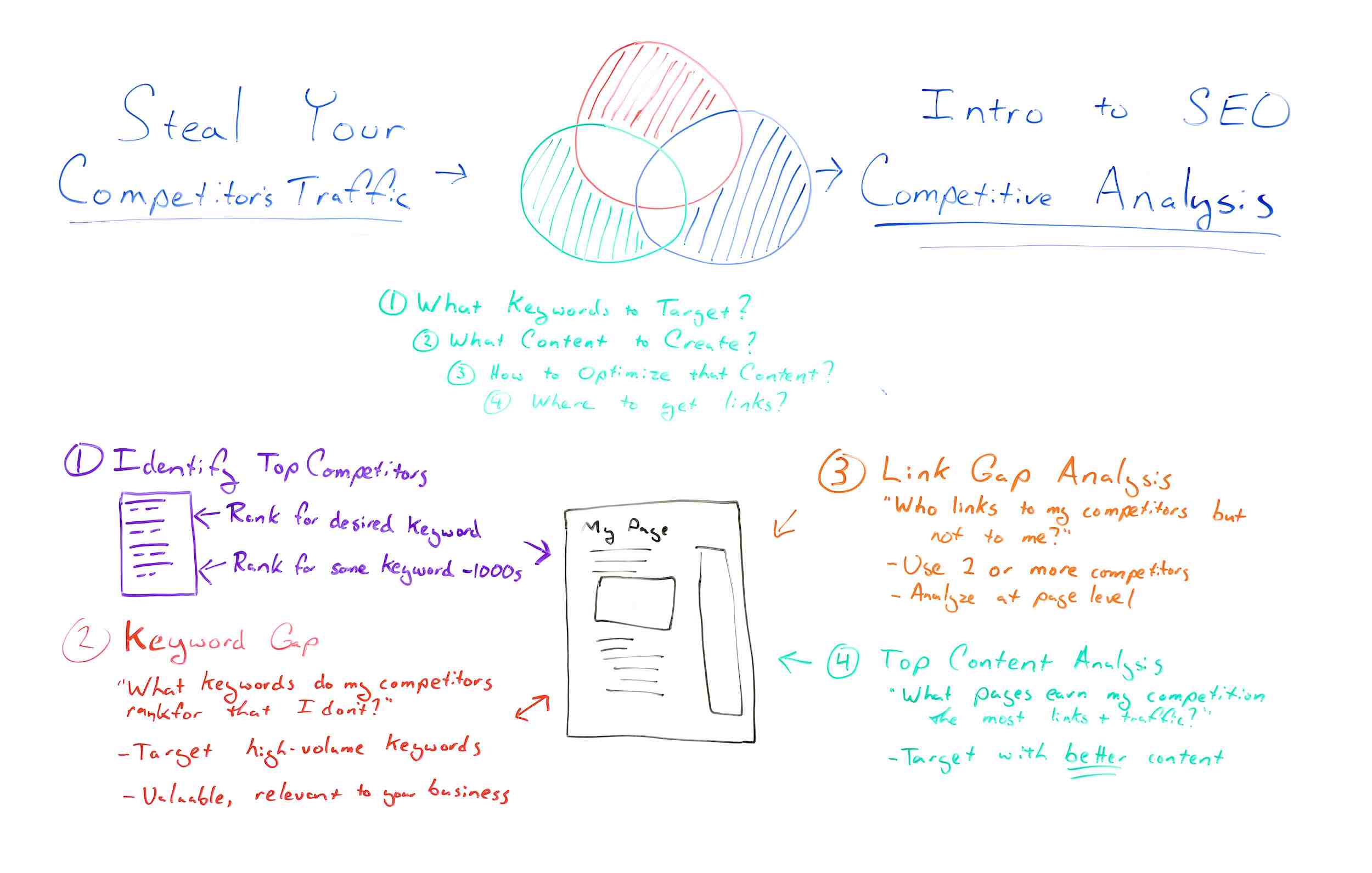
A thorough analysis of the competition can turn into your roadmap of what you need to do to improve your website so that it is as good as your competitors. It can also be used to identify the strengths and weaknesses of your website and the websites of your competitors for everything from SEO to winning search features.
How can I analyze SEO websites?
- Make a list of the content you currently have on your site.
- Use the BrightEdge platform to determine which keywords your domain is already ranked by.
- Pay attention to the current ranking of these pages for these targeted keywords.
- Run an analysis with ContentIQ to find any vulnerabilities in your content.
Which plugin is popular for SEO?
14 best WordPress SEO plugins and tools you should use
- All in One SEO for WordPress (AIOSEO) All in One SEO for WordPress (AIOSEO) is the best WordPress SEO plugin on the market. …
- SEMRush. SEMRush is the best overall SEO tool on the market. …
- Google Search Console. …
- Yoast SEO. …
- Google’s keyword planning tool. …
- Ahrefs. …
- SEOPress. …
- Rank Mathematics.
There are a lot of other options, but my favorite is Yoast SEO. WordPress SEO by Yoast is rightly the most popular SEO plugin on WordPress.
SEO plug-ins are extension modules for content management systems, browsers and software solutions. The SEO plugin expands the scope of source software with special tasks and functions that affect search engine optimization, web analytics, network marketing and other aspects.
Most SEO plugins will allow you to add meta descriptions and yes, this is a useful feature. But you really don’t need an add-on to do it for you. You can easily achieve this using the WordPress Custom Customs feature.
What are SEO tools?
Best Search Engine Optimization (SEO) Tools
- Ahrefs: Keyword Tool SEO. …
- Google Search Console: the ultimate SEO tool. …
- SEMRush: Marketing SEO tools. …
- KWFinder: Keyword Tool SEO. …
- Moz Pro: SEO software. …
- Ubersuggest: Keyword tracking tool.
- Answer the public: Free SEO tools. …
- SpyFu: Free SEO tools.
What are SEO tools? SEO tools provide information and warnings about the overall health and success of your website. They help identify areas of opportunity and identify weaknesses or problems that may prevent you from ranking and achieving visibility in SERPs.
SEO stands for search engine optimization, which is a digital marketing strategy that focuses on the presence of your site in search results on search engines like Google. Once you understand how SEO works, you can use a variety of tactics to increase visibility (or how high you rank) in search results.
Our list of the best SEO tools
- Spyfu. Spyfu is a search analysis tool that offers SEO research, PPC research, keyword research, SERP verification and domain reviews. …
- SEMRush. SEMRush is a comprehensive package to help you optimize your marketing workflow. …
- MOZ Pro. …
- Ahrefs. …
- Google’s keyword planning tool.
What are the best SEO tools?
What is SEO Plugin?
The SEO plugin allows you to easily optimize your metadata. The page title and meta description appear in the code of your page and in the search engine results. … If your site automatically generates these meta elements for you, it is probably not well optimized for search engines.
Yoast SEO plugin is the most commonly used SEO plugin for WordPress. It is a free plugin that offers almost all the features needed to optimize your website. Included are SERP previews, creating XML sitemaps, meta description ratings, and more.
SEO stands for search engine optimization, which is a digital marketing strategy that focuses on the presence of your site in search results on search engines like Google. Once you understand how SEO works, you can use a variety of tactics to increase visibility (or how high you rank) in search results.
Technically, you don’t need to install any plugins to improve your ranking on Google search results, but it’s nice to have an assistant to help you along the way. By the way, in addition to installing an SEO plugin there are many more things you can do to improve SEO for a WordPress website.
How do I find my competitors keywords?
Google Search Console To see what kind of keywords users are searching for to find your website, go to Google Search Console> Search Traffic> Search Analytics. Once you’re here, you’ll see a list of keywords that have a certain appeal.
To find keywords to rank your page or a competitor’s page using Keyword Explorer, follow these steps:
- Type the URL of your website into the Keyword Explorer.
- Select the country where your audience is located.
- Click the Analyze button.
- You’ll see top-ranked keywords.
- Click Keyword Ranking in the left panel to see more keywords.
- See your competitor’s keywords. …
- Learn about their domain information and backlinks. …
- Collect data about the presence of your competitors on social networks. …
- Analyze the best websites. …
- Check their SEO on the site. …
- See the speed of your competitor’s website. …
- More useful tools for checking your competitor’s SEO.
How do you Analyse SEO competitors?
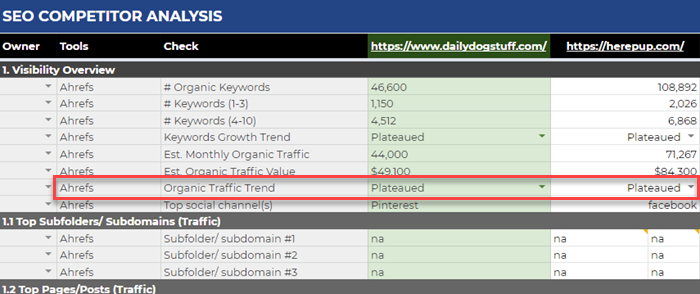
SEO competition analysis involves researching the links, keywords, content, and more of your SEO competitors to redirect the most successful elements of this tactic into your own SEO strategy.
How can I analyze SEO websites?
- Make a list of the content you currently have on your site.
- Use the BrightEdge platform to determine which keywords your domain is already ranked by.
- Pay attention to the current ranking of these pages for these targeted keywords.
- Run an analysis with ContentIQ to find any vulnerabilities in your content.
Here are three ways to compare sites with competitors to see where you could improve your SEO.
- Evaluate the technology of competitors’ websites. The goal of every webmaster is a well-structured website that is fast, easy to use and easy to crawl. …
- Perform competitor analysis on website content. …
- Analyze competitor feedback.
7 free ways to analyze a competitor’s website
- Evaluate the content of your competitors’ websites.
- Watch out for their brand.
- Find out which website tools they use.
- Follow competitors on social media.
- See their pricing page.
- Gain a picture of their SEO strategy and traffic.
- Become a customer.
What is Tech SEO?
Technical SEO is a process that ensures that a website meets the technical requirements of modern search engines in order to improve the organic ranking. Important elements of technical SEO include indexing, displaying, and website architecture.
Technical SEO tools
- Grader HubSpot website. Your first stop is HubSpot’s Grader website. …
- Google Webmaster Tools. Google Webmaster Tools (GWT) is probably the technical SEO tool I use the most. …
- The frog screams. …
- Google’s PageSpeed Insights. …
- Google’s mobile-enabled testing tool. …
- Responsible. …
- Page Setter. …
- SEO browser.
What are the SEO techniques?
Explained types of SEO in digital marketing
- White-Hat SEO. White-hat SEO applies to all optimization techniques that adhere to Google’s search engine guidelines. …
- Black-Hat SEO. …
- SEO-hat SEO. …
- Negative SEO. …
- SEO on the site. …
- Technical SEO. …
- SEO off site. …
- Popular searches.
An SEO strategy (also called an “SEO approach” or “search engine optimization strategy”) is the process of planning, outlining, and implementing steps designed to improve search engine rankings. In other words: SEO strategy is a process you follow when you want to get more organic traffic.
Three Steps to Any Successful SEO Campaign
- Step 1: Get to know your customers and their search habits. Everything that happens in search engine optimization is based on the idea that you know who your best potential customers are. …
- Step # 2 Optimize your website and add new content. …
- Step # 3 Increase conversions for site visitors.
SEO stands for search engine optimization, which is a digital marketing strategy that focuses on the presence of your site in search results on search engines like Google. Once you understand how SEO works, you can use a variety of tactics to increase visibility (or how high you rank) in search results.
What is SEO crawling?
Crawling is the process by which Googlebot visits new and updated pages that are added to Google’s index. We use a huge set of computers to retrieve (or “crawl”) billions of pages on the web.
In the SEO world, indexing means “following your links”. Indexing is the process of “adding web pages to Google search”. … Crawling is the process through which indexing is performed. Google searches web pages and indexes them.
Indexing is tracking and collecting URLs to prepare for indexing. By giving them a website as a starting point, they will track down all the valid links on those pages. How do they go from link to. link, they return information about those websites back to Google’s servers.
The term crawl rate means how many requests per second Googlebot sends to your site when it crawls it: for example, 5 requests per second. You can’t change how often Google crawls your site, but if you want Google to crawl new or updated content on your site, you can request re-indexing.
What comes in technical SEO?
What steps do you need to follow to conduct a technical SEO audit?
- Start by indexing your website. …
- Review the site map. …
- Check the browsing versions of your website. …
- Check internal connections. …
- Test site speed. …
- Check HTTPS content. …
- Use Analytics to compare site metrics. …
- Make a feedback audit.
Technically SEO best examples
- Specify the desired domain.
- Optimize robots.txt.
- Optimize URL structure.
- Website navigation and structure.
- Bread crumb menus.
- Apply structured data labeling.
- Canonical URLs.
- Optimize page 404.
The following SEO elements are just some of which targeted improvements can almost always benefit.
- Sitemap. Web indexing is drawn on XML sitemaps to find and identify the web pages to be indexed. …
- Metadata. …
- Security. …
- Responsiveness. …
- Speed up.
Technical SEO tools
- Grader HubSpot website. Your first stop is HubSpot’s Grader website. …
- Google Webmaster Tools. Google Webmaster Tools (GWT) is probably the technical SEO tool I use the most. …
- The frog screams. …
- Google’s PageSpeed Insights. …
- Google’s mobile-enabled testing tool. …
- Responsible. …
- Page Setter. …
- SEO browser.
How do you analyze SEO?
How to perform SEO site analysis in 10 quick steps
- Check your visibility on Google. via GIPHY. …
- Check URLs and meta descriptions. …
- Analyze headlines and headlines. …
- Evaluate incoming connections. …
- Analyze your spam score. …
- Check your internal connections. …
- Investigate faulty connections. …
- Analyze the content of your website.
How to perform a quick SEO analysis of your website
- # 1. Check your visibility on Google. …
- # 2. Analyze your URLs and meta descriptions. …
- # 3. Analyze your headlines and headlines. …
- # 4. Check the rankings of your website. …
- # 5. Analyze your incoming connections. …
- # 6. Check for spam results. …
- # 7. Make sure the connections are broken. …
- # 8. Revise your pictures.
To know if your SEO is working, there are a few key metrics about SEO performance that you need to track.
- Impressions. …
- Traffic from organic searches. …
- Number of pages on the scale. …
- Number of feedbacks. …
- Recommendations from other sites. …
- Domain and site authority. …
- Mentioning brands. …
- Conversions.
What is a good SEO score?
What percentage of search visibility should I aim for? You want to get around 35% – 45%, as this is usually the average clickthrough rate of the URL at the top position in search results.
What are the most important factors for SEO ranking?
- Safe and accessible website.
- Page speed (including mobile page speed)
- Suitability for mobile devices.
- Domain age, URL and authorization.
- Optimized content.
- Technical SEO.
- User experience (RankBrain)
- Connections.
A health score is a measure of how a website or website is optimized for SEO. The higher the score the better. The result is based on industry surveys and common best practices within SEO.
Content
- But what exactly is the “SEO result”?
- How to increase SEO result? All pages should work. All pages must have meta tags. Pages should have titles and subtitles. BlogPatcher: Content optimization for everyone in the end! Reduce the size of image files. …
- Do you know how to increase SEO score now?
How can I get 100 SEO score?
The result you should target ranges from 31 to 40. Improving your domain’s authority rating from 30 to 40 is much easier than improving from 70 to 80.
How To Achieve SEO For Your Website In 10 Minutes Or Less
- Step 1: Find out the domain authority.
- Step 2: Determine the load time of the site.
- Step 3: Check if there is a website map.
- Step 4: Check the robots. txt.
- Step 5: Check for content targets.
- Step 6: Check for an H-mark.
- Step 7: Check for on-site content.
- Step 8: Test your keywords.
Fastest SEO Results: 5 Ways to Increase Search Traffic Faster!
- Optimize title tags. One of the first things I look at when evaluating a client’s (or potential client’s) website is their title tag structure. …
- Find the “almost” ranking conditions. …
- Merge root domains. …
- Repost blog content. …
- Return of deserved connections.
Content
- Writing a post.
- The first step is choosing keywords.
- Google Trends for Focus Keywords.
- Understanding tests from a keyword perspective.
- Pillar content.
- Understanding the recommendations for mathematical assessment – color codes.
- Test color codes.
- Basic SEO.
Which is best free SEO tool?
Do it yourself: 7 legal ways to do your own SEO for free
- Meet your target audience. …
- Understand keyword research and planning. …
- Build your website with keywords in mind. …
- Build authority and feedback with quality content. …
- Create, build and maintain social media presences. …
- Understanding Google Analytics. …
- Read SEO blogs and attend free courses.
Best Search Engine Optimization (SEO) Tools
- Ahrefs: Keyword Tool SEO. …
- Google Search Console: the ultimate SEO tool. …
- SEMRush: Marketing SEO tools. …
- KWFinder: Keyword Tool SEO. …
- Moz Pro: SEO software. …
- Ubersuggest: Keyword tracking tool.
- Answer the public: Free SEO tools. …
- SpyFu: Free SEO tools.
The 7 most popular free SEO tools for beginners
- Google Analytics. Great tool to get started. …
- AdWords Keyword Tool. Completing keyword research is an incredibly important aspect of SEO (after all, you need to know what and where to optimize). …
- Open Explorer Explorer. …
- SEO by Yoast. …
- Page status status. …
- Google Webmaster Tools. …
- Bing Webmaster Tools.
How do I know my SEO ranking?
Find the position of your website in Google search
- 6 steps: the exact way to determine where your site is on Google … …
- Set up the Search Console. …
- Go to the performance report dashboard [Already familiar? …
- Filter your data. …
- Use the query filter to determine a site’s ranking for a particular keyword.
Here are some simple ways you can use Moz Pro to check your page’s ranking for a particular keyword.
- Analyze the keyword. …
- Page optimization. …
- Rank check. …
- Rank check feature on keyword researcher lists.
Check the Google rankings of my website
- Sign in to the Google Search Console.
- Click the name of your website (or click “Add Website” if you haven’t already).
- Click “Performance” (on the left sidebar) ‘.
Why is competitive analysis important in SEO?
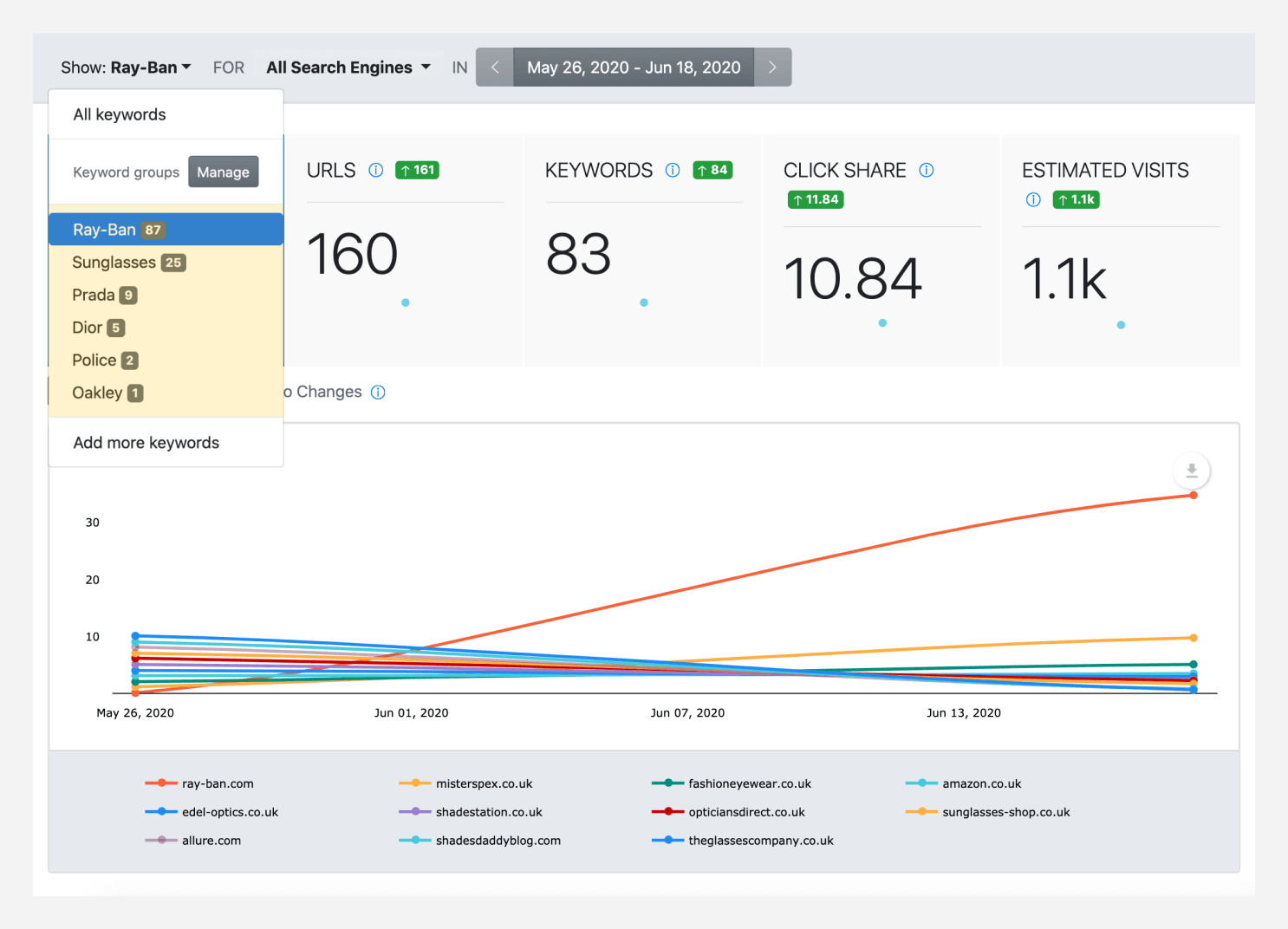
The purpose of analyzing your competitor’s feedback is twofold: by reviewing your competitors ’feedback, you can find out which websites are interested in this type of content. You can then contact the same websites or others similar to introduce them to your content, so hopefully they will link to it.
Let’s investigate.
- Step 1: Keyword research. The first step is to first identify the keywords that your website can REALLY target. …
- Step 2: Identify your best competitors. …
- Step 3: Analyze your competitors. …
- Step 4: Audit social media and content. …
- Step 5: Identify the barrier to entry and strategy.
The purpose of analyzing competitors is to understand the strengths and weaknesses of your competitors compared to your own and find a gap in the market. Competitor analysis is important because: It will help you identify how you can improve your own business strategy.
Many companies begin analyzing competitors when they develop a digital marketing strategy and never return to it later. This is an oversight, because in many cases, timely updating of your opponents ’network moves can help you tailor your campaign in half and help it achieve better results in the end.
What is Google Analytics SEO?
During a search engine optimization (SEO) campaign, you’ll need to use Google Analytics to track the performance of your keywords in order to have a successful campaign. You will be able to know how much traffic each keyword brings to your site.
Google Analytics is used to track website activity such as session duration, pages per session, home page exit rate, etc. of individuals using the website, along with information about the source of traffic.
SEO visibility is calculated using a number of different data sources based on a dynamic set of keywords. The data under consideration includes keyword search volume, domain ranking for those keywords, dynamic CTR models for traffic distribution, and keyword classification.
SEO refers to search engine optimization or the process of optimizing a website to make it easier to find through search engines like Google.
How is SEO impact measured?
Measure SEO performance like a boss: 9 SEO metrics you need to track
- Keyword ranking. Everyone’s favorite SEO metric – keyword ranking. …
- Quantity and quality of feedback. …
- Organic traffic. …
- Time spent on the site. …
- Home page exit rate. …
- Mobile traffic. …
- Clickthrough rate (CTR) …
- Domain authority.
Search engine optimization (SEO) KPIs are values that marketing teams use to measure the performance of their website for organic search results. Search engine optimization is a major function of any marketing team.
How is SEO traffic calculated?
How to measure SEO performance and results
- Organic traffic.
- Keyword ranking.
- Visibility of the SERP.
- Clickthrough rate.
- Home page exit rate.
- Website authority over time.
- Feedback.
- Page speed.
Paid Traffic Value shows the estimated monthly cost of paid search traffic from all keywords for which the targeted site / URL is ranked by PPC. We calculate it based on multiplying the keyword’s monthly paid traffic by its CPC value. We then add up the paid traffic cost of individual paid keywords.
What is KPI in SEO?
As an example, let’s say your goal this year is to increase sales revenue. You will call this your KPI sales growth. Here’s how you can define KPIs: Increase sales revenue by 20% this year.
Basic KPI formula no. 5: Ratios Total sales revenue received divided by total invoiced sales revenue. Total sales revenue divided by the total working time spent on sales calls that generated that revenue.
KPIs are a key performance indicator, a measurable measure of performance over time for a particular goal.
Top 5 Key Performance Indicators (KPIs)
- 1 – Revenue per client / member (RPC) The most common and probably easiest KPI to monitor is Revenue per client – a measure of productivity. …
- 2 – average class attendance (ACA) …
- 3 – Customer Retention Rate (CRR) …
- 4 – profit margin (PM) …
- 5 – Average Daily Attendance (ADA)
How do I find low competition keywords?
Procedure for finding low-competitive keywords:
- “Switch customer” to Fiverr and search field related keywords.
- If the number of concerts below that keyword is less than 5000, then this is a good targeting keyword. …
- If the number of concerts is greater than 5000, this is not a good targeting keyword.
Here’s how to find profitable keywords with low competition:
- Step 1: Choose a niche (if you haven’t already) …
- Step 2: Choose some monetization methods (if you haven’t already) …
- Step 3: Analyze the blog with low authority. …
- Step 4: Check for volume. …
- Step 5: Check the intent of the browser.
Low-competition keywords are those that can be ranked with little or no link building and little or no domain authority. If done properly, only publishing a blog based on targeted low-competition keywords can provide (relatively) fast traffic and a high-tail ranking.
8 best tools for finding a competitor’s keywords
- BuzzSumo. We’ve talked about BuzzSumo many times in the past, and that’s because it’s great. …
- I am in a hurry. …
- SpyFu. …
- Ahrefs keyword researcher. …
- AdWords’ Insights into Auctions. …
- Keyword Research for Crowdsourcing. …
- Tag clouds. …
- WordStream’s free keyword tool.
How do I find my niche competition?
How to choose a niche for your online business
- Google search. Explore the potential popularity of each idea. …
- Search by keywords. Use a keyword resource, such as Google AdWords Keyword Planner or Respond to the public, to search for keywords you’ve already searched for. …
- Watch offline. …
- Check the affiliates. …
- Social media.
Here are some tips to help you present your niche on social media:
- When creating content your ideas are based on your niche. …
- Include hashtags in your posts that are related to your niche.
- Highlight your niche in your biography. …
- Mark other profiles that are related to the content you post.
Facebook Ads
Are Facebook ads worth it?

Yes, your CPC is lower, but if you set up your campaigns properly, your campaigns will drive high quality clicks that bring value to your business. As a result, Facebook ads are often a much more profitable way to market your business than other advertising channels.
Are Facebook ads a waste of money?
To be completely clear, Facebook advertising is not a waste of money. Like any advertising, accessing your campaign with a quality, strategic targeting, measurement, and optimization plan will result in excellent results.
Is Google AdWords better than Facebook ads?
If your answer is sales, potential customers, consultations or anything like that – both platforms will be perfect for that. If your response is to brand recognition or to social tracking, Facebook is the right place. If you want to sell products directly, Google Ads is probably where it needs to be (although both platforms can do the trick).
How do I start a Facebook ad?

Here’s how to create a Facebook ad.
- Choose your goal. To choose the right ad goal, answer the question “What is the most important outcome I want from this ad?” …
- Choose your audience. …
- Decide where to show your ad. …
- Set your budget. …
- Select a format. …
- Order. …
- Measure and manage your ad.
How can I get $500 a day on Facebook?
Paid traffic method – use Facebook ads to earn $ 500 a day
- Aim for the right interests.
- Have a good copy of the ad.
- Implement advanced advertising strategies.
How can I advertise for free?
7 ways to promote your business online for free
- Use three large local census services. …
- Embrace social media. …
- Start a blog. …
- Upload multimedia to YouTube and Flickr. …
- SEO website of your company. …
- Press releases. …
- Join the relevant online community and contribute.
Do Facebook pay you for views?
Facebook will start paying some video creators to post their clips to the platform. … Videos that people watch longer will earn a higher share of revenue from these ads, and Facebook will keep 45% for itself. Facebook says users record four billion video views every day.
How much does a Facebook ad cost?

Facebook advertising costs an average of $ 0.97 per click and $ 7.19 per 1000 impressions. Ad campaigns aimed at earning likes or downloading apps can pay an average of $ 1.07 per like and $ 5.47 per download.
How do I advertise on Facebook for free?
How to run Facebook ads
- Open an account using Facebook Ads Manager.
- Start creating an ad through Facebook Ad Manager.
- Select a destination.
- Choose your audience.
- Set your budget.
- Create your ad.
- Track ad performance metrics.
- Reporting on the performance of Facebook ads.
Are Facebook ads worth it 2021?
Due to the reduction of organic reach for companies, in 2021, Facebook ads are more relevant than ever if you want to raise awareness of your brand, attract new customers and convert interested users. … The only reasons Facebook ads would not work are incorrect targeting, poor quality content, and accelerated budget planning.
How do I advertise on Facebook without paying?
Here are 10 ways you can still use Facebook for free to promote your business!
- Create a personal business presence using a fan page. …
- Maintain a strong brand presence. …
- Join Facebook groups. …
- Create your own group. …
- List your events. …
- Join your blog. …
- Ask your network to share blog posts. …
- Reach!
How does FB ads work?

Facebook ads are targeted to users based on their location, demographics, and profile information. … Once you’ve created your ad, you set a budget and bid for each click or thousand impressions your ad will receive. Users then see your ads on the sidebar on Facebook or in their news feed.
Are Google ads worth it?
Google Ads applies to small businesses. Advertising on Google is great for small businesses that need to reach their target audience and want to be able to track their ROI. … If you learn how to use Google Ads, especially local ad lists, Google Ads can be one of the most profitable ways to get a new job.
Are Instagram ads worth it?
It attracts tons of big brands because it pays to advertise there. But even if you’re not a multi-million dollar brand, Instagram ads are still just as important to you to use (if not more important). … Ads look like any other shared post on Instagram, making them feel less noticeable.
Google Ads
Are Google ads worth it?

Google Ads is worth it for small businesses. Advertising on Google is good for small businesses that need to reach audiences and want to be able to track returns. … If you’re learning how to use Google Ads, especially local ad listings, Google Ads can be one of the most profitable ways to start a new business.
Do Google ads still work?
So … Does Google Ads Work? Yes, Google Ads works. Google Ads is an affordable form of advertising that allows you to target qualified leads, and if managed properly, it can deliver strong returns, helping you increase your business’s leads and sales.
Why is Google ads so expensive?
One reason your Google ads have become so expensive is due to incorrect timing. Go to the time report tab and see which times each day do not give good results and cost more money than you are prepared to spend. Check if it’s a waste of your ad payments to show ads on the weekends.
How long does it take for a Google ad to work?
Before you begin, you should know how long this powerful ad channel will take to work. This is what you can expect: it takes at least three months to mature a successful Google ad campaign and then about 4-12 months to develop into a strong campaign.
How can I advertise on Google for free?

Go to https://www.google.com/business and click Start Now.
- Search for your business to confirm that it is not already listed. If you do not find your business, you can continue to enter the information.
- Follow the simple steps from Google. …
- Confirm your business. …
- Well where we have it, you can now get free advertising on Google.
Where can I promote my small business?
How To Promote Your Business On Social Media
- Prioritize Facebook. …
- Connect and contribute on LinkedIn. …
- Upload videos to YouTube. …
- Ads on YouTube. …
- Engage the audience on Instagram. …
- Share on Twitter. …
- Give Pinterest a shot. …
- Try TikTok.
How do I advertise for free?
Here are the 40 best ways to get free advertising:
- Google My Business. Google My Business offers free local advertising. …
- Bing Places. Bing Places for Business is the Bing version of Google’s local business offering. …
- Other search engines. …
- SEO. …
- 5. Facebook. …
- Pinterest. …
- Instagram. …
- Twitter.
What is the best free advertising for small business?
7 Ways to Market Your Business for Free
- Use the three major local listing services. …
- Embrace social media. …
- Start a blog. …
- Set up multimedia on YouTube and Flickr. …
- SEO firm’s website. …
- Press releases. …
- Join a relevant online community and contribute.
Are Google Ads Free?

Signing up for an account is free. You only pay when your customers do something, such as when they click on your ad to visit your site or call your business. To prepare you for success, we provide reports and insights so you can track your ad performance and costs.
Why did Google ads charge me $50?
Your monthly expenses are less than the payment limit (the balance amount that triggers a cost), for example in the following circumstances: … Your payment limit is $ 50.
How do I get $100 on Google Adwords?
You can get $ 100 Google Coupon Credit when you spend $ 25, and it’s only valid for new Google Ads users. You must apply for the loan within 14 days of creating your Google Ads account.
How much does SEO cost?
Key Facts About SEO Rates & amp; Costs include the following: Average SEO costs are $ 100- $ 250 per hour for US SEO agencies. The average SEO cost is $ 2500 – $ 10,000 per month for US agencies. Overseas SEO companies can charge $ 10- $ 50 an hour.
How much does a Google ad cost?

Although Google Ads is the largest online advertising platform, it is highly customizable. On average, small and medium-sized businesses spend between $ 9,000 and $ 10,000 each month (that’s $ 100,000 to $ 120,000 per year). Furthermore, the average cost of an ad from Google Ads is approximately $ 1 to $ 2 per click.
Is Google ads or Facebook ads better?
If your goal is to increase brand awareness or generate demand, Facebook ads can be more economical for you. However, if you want to generate sales or leads (ie demand), Google Ads may be a better choice for your business.
Is Google ads a waste of money?
Although AdWords is one of the most widely used advertising platforms on the Internet (with approximately 2.5 million users), many businesses spend money on it. … Google reports that businesses earn an average of $ 2 revenue for every $ 1 spent on Adwords, but that average is not a target to shoot for.
SEO Consultation
How do I start SEO consulting?

Blueprint for Starting an SEO Agency
- Choose a niche. Starting a generic “SEO agency” is a bad idea, in part because of the stiff competition. …
- Decide which services you want to offer. …
- Develop your own online presence. …
- Perfect your presentation. …
- Start a portfolio. …
- Attract prospects. …
- Close transaction. …
- Keep your clients.
How can I learn SEO?
6 Steps to Learn SEO for Free – Learn SEO at Home
- Understand the purpose of SEO. …
- Mastering keyword research. …
- Know the difference between on-page and off-page SEO. …
- Learn to identify UX signals. …
- Embrace SEO friendly content creation. …
- Start link building.
Is SEO a profitable business?
SEO is a lucrative industry with the right approach. … If you are an expert in SEO, rate your own business for “SEO Company + your location” to generate some organic leads and show your prospects that you eat your own dog food. When you’re starting out, you probably won’t feel comfortable with selling.
How do I offer SEO services?
Read on for our top tips for perfecting your local SEO sales strategy and growing your client list.
- Ditch the one-size-fits-all approach. …
- Don’t make any guarantees. …
- Use expert statistics and quotes in your offer. …
- Show off your knowledge on your site. …
- Explain the secondary benefits of local SEO. …
- Manage expectations.
How much do SEO consultants charge?

The most common hourly rate for SEO agencies is $100-$150/hour. For SEO consultants it costs $75-$100/hour, and for freelancers, it costs $41–50/hour.
Is SEO worth the money?
Conclusion, Is SEO Worth It? While it may take longer to run an effective SEO campaign, organic search is still worth the time and effort. It’s much cheaper to invest, attracts more click-throughs than PPC, and organic search results are more trusted than PPC advertising.
How much is Seo per month?
How much is SEO per month? Based on extensive research by Ahrefs, the average agency SEO plan costs $2819 per month. The low-end average is about $500 per month, and the high-end average is between $25,000 and $50,000 per month.
Back to home page San Diego SEO Company
Content Creation
How do I start content creation?

To help you create your own digital content, we’ve written down this process, step by step.
- Start with an idea. Every piece of content starts with an idea. …
- Do your research. …
- Determine the direction of your content. …
- Create your title. …
- Write. …
- Take a drink. …
- Correct and publish.
What is a example of content?
Content is defined as what is in or included in something. An example of its contents is peanuts in a jar. Examples of content are words in a book. Happy.
Is content creator a real job?
Integral Content Creation with Social Media Everything on Social is content. In fact, thanks in part to social media, content creators have an incredible role to play – and why it’s become a real and viable choice as a career not only for influencers, but also for the people who work behind the scenes.
What is content creation strategy?

The content strategy framework is an outline of how you plan to create content. The framework might include your audience, the keywords you will target, how often and when you will publish the content, and who will be creating the content. Why is content strategy important? If you want to rank high on Google, you need quality content.
How do I create content for my website?
10 Steps to Creating Great Website Content
- Identify your unique value proposition. …
- Conduct website content audits. …
- Target each of your personas. …
- Map content to the client lifecycle. …
- Include important content. …
- Write compelling web copy. …
- Use the right language. …
- Develop a content schedule.
How do you create quality content?
How to Create High Quality Content
- What is High Quality Content? …
- Research Good Content & Always Have Piles of Content Ideas. …
- Do Research on Your Preferred Topic. …
- Choose Your Own Unique Perspective. …
- Apply Your Own Data or Experience. …
- Create Content on Subtopics. …
- Use a Different Content Form. …
- Review Last Cut.
How can we attain the content?
5 Ways to Get More People to Your Content
- Be your content PR team. The sheer volume of content being shared online is one of the biggest distribution hurdles marketers face. …
- Advertise your best content. …
- Has industry topics. …
- Curate into various formats. …
- Trigger your content.
What are examples of content creation?

To avoid getting stuck on content types, here are 11 examples of content creation to get you started:
- Notable Quotes. …
- Allegorical Image. …
- How To Video or Brief Explanation. …
- Screenshot. …
- Answer the question. …
- infographics. …
- Podcasts. …
- Giving Voice to the Audience.
What are the types of content creator?
Four types of content creators: Networker, Speaker, Writers, Visualizer.
- Network. Networkers feel most at home in a crowd of new people to talk to, energized by the exchange of ideas, anecdotes and speculation. …
- Speaker. …
- The writer. …
- Visualization.
What is social media content creation?
What is a social media content creator? Content creators for social media are people who are responsible for providing information on social networks. Post creators on social networks manage general content, write posts according to brand voice and social strategy, and respond to users and followers.
How do you manage content creation?
Write down how much time it will take you to create, prove, and design each required content. Decide how you will reuse the content you create (such as turning an overview of your process into a custom report that teaches people about the services you provide, how they work, and what they expect)
What does a content creator do?

Content Creator responsibilities include producing marketing copy to advertise our products, writing blog posts on industry related topics and promoting our content on social media. To succeed in this role, you must have experience with digital publishing and generating traffic and leads for new businesses.
How can I be a good content creator on Instagram?
How to Become an Instagram Influencer
- Select Niches.
- Get an Instagram Business Account.
- Write an Effective Instagram Bio.
- Focus On Your Instagram Aesthetic.
- Write Text That Reflects Your Brand’s Voice and Personality.
- Choose the Right Hashtags.
- Frequently Post New Content.
- Interact With Followers.
What are content creation tools?
Image Creation Tool
- Adobe Spark. Adobe Spark is a fast content creation software that lets you easily combine text, images, and video content for better online storytelling.
- BeFunky Graphic Designer. …
- Canva. …
- photographer. …
- Image Quotes. …
- pablo. …
- Photo Collage. …
- Pixlr.
Is a Youtuber a content creator?
YouTubers, as they are commonly called, are individuals who produce content for upload to the social media platform YouTube. …you get the idea, there can be a YouTube channel for anything and everything, and the content creator is the one who creates the content, uploads it, and runs the channel.
WordPress SEO
How do I SEO my WordPress site?

What is WordPress SEO?
- Choose a reliable hosting provider. …
- Install an SEO-friendly WordPress theme. …
- Install a free WordPress SEO plugin. …
- Set your preferred domain. …
- Check your site’s visibility settings. …
- Enable SEO-friendly Permalinks. …
- Verify your site with the Google Search Console and submit your XML Sitemap.
Do SEO by yourself?
11 Do-It-Yourself SEO Tips to Save Money
- Improve title tags. Look at your category pages at the highest level. …
- Master Keyword Research. A healthy SEO program relies on keyword research to: …
- Understand your competition. …
- Short keywords. …
- Optimize your site. …
- Produce regular content. …
- Boost Link Equity. …
- Build your social media network.
How do I add SEO to my website?
How To Improve Your Website’s SEO In 5 Steps:
- Choose the right URL.
- Create titles and descriptions for each page.
- Use anchor text.
- Add alt text to all your photos.
- Provide your site structure with the right headlines.
What is SEO score?
SEO scores are a measure of how well the user-oriented and technical aspects of your site contribute to search engine optimization and ultimately higher rankings and organic traffic. … Your site’s final SEO score is determined by its performance in four subcategories: Technical, Content, User Experience, and Mobile.
Does WordPress have SEO built in?
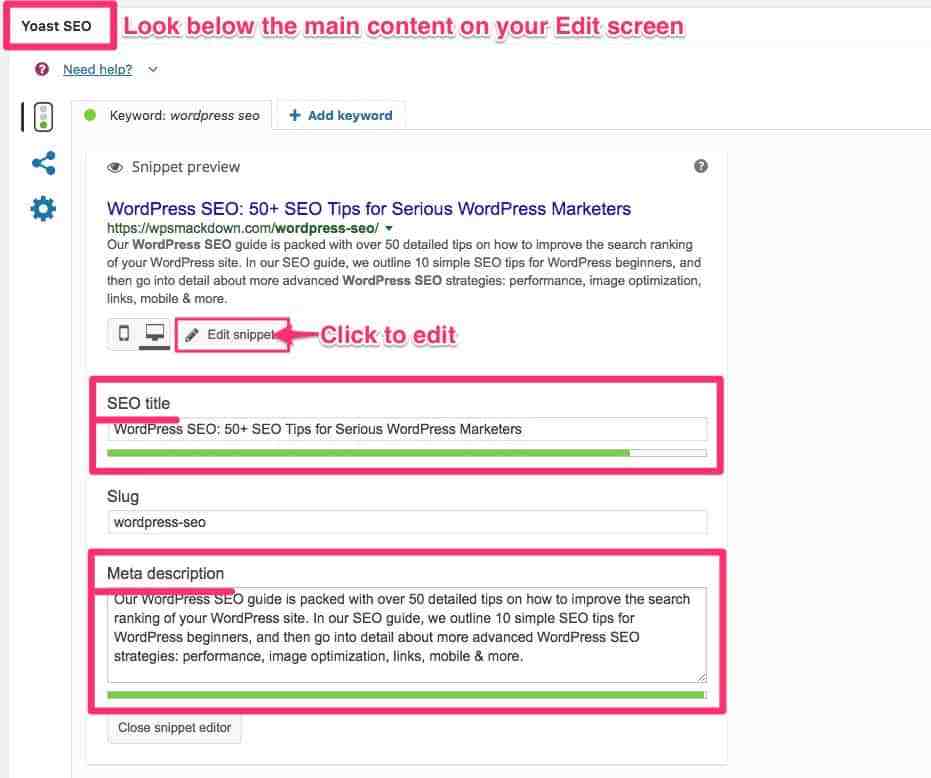
WordPress comes with several built-in search engine optimization tools, including the ability to use. htaccess to create seemingly static URLs called permalinks, blogrolling and pinging. There are also a number of third-party plugins and hacks that can be used for search engine optimization (SEO).
Do WordPress sites show up on Google?
Once Google has crawled and indexed your site, you will begin to see reports in the search console. That is all. We hope this article helped you get your WordPress site listed on Google. You may also want to check out our expert selection of the best WordPress SEO plugins and tools you will need to optimize your site.
What is the best free SEO plugin for WordPress?
14 Best WordPress SEO Plugins and Tools That You Need
- All in one SEO for WordPress (AIOSEO) All in one SEO for WordPress (AIOSEO) is the best WordPress SEO plugin on the market. …
- SEMRush. SEMRush is the best overall SEO tool on the market. …
- Google Search Console. …
- Yoast SEO. …
- Google Keyword Planner. …
- Ahrefs. …
- SEOPress. …
- Rank mathematics.
How do I optimize my website for SEO?
How to optimize your site for SEO in 8 simple steps
- Analyze all your site data. …
- Do thorough keyword research. …
- Produce long and valuable content. …
- Optimize for SEO on the page. …
- Optimize for off-page SEO. …
- Optimize the website for mobile. …
- Speed up the pages. …
- Get quality backlinks.
Is WordPress good for SEO?
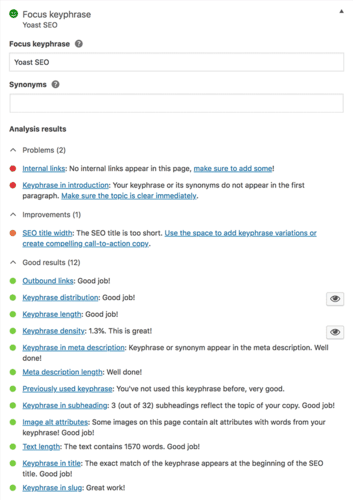
The answer is yes! When WordPress first became known primarily as a blogging platform, it built a reputation for providing a solid SEO foundation as a CMS and with good reason. It is no coincidence that WordPress sites tend to rank well on Google. … But it is also SEO-friendly for a number of other reasons.
Is WordPress bad for SEO?
The bad news is that WordPress alone does not help you rank in Google. It’s just a tool. The good news is that WordPress makes it easy to use SEO best practices. So even if you are a beginner in SEO, you can easily optimize your site for higher Google rankings.
Is Elementor bad for SEO?
Overall Impact of Using Elementor on SEO At worst, installing and activating the Elementor plugin can affect the speed of your site, slowing it down, which can affect your SEO, but it should not be enough to make any difference to your current one. location.
What is SEO in WordPress?
SEO is an acronym that stands for search engine optimization. It is a strategy used by website owners to get more traffic by ranking higher in search engines. Search engine optimization is not about fooling Google or playing the system.
How SEO works step by step?
What is an SEO Strategy?
- Step # 1: Create a list of keywords.
- Step # 2: Analyze Google’s first page.
- Step # 3: Create something different or better.
- Step # 4: Add a hook.
- Step # 5: Optimize for SEO on the site.
- Step # 6: Optimize for search.
- Step # 7: Make your content look great.
- Step # 8: Build links to your site.
Back to home page San Diego SEO Company
Technical SEO Audits
What should be in a technical SEO audit?

Here are 12 top SEO tips to check out your site’s optimization potential.
- Detect crawler errors with crawl report …
- View HTTPS status codes. …
- Check the status of the XML website map. …
- Check the loading time of the site. …
- Make sure your website is flexible. …
- Experiment for a balanced diet. …
- Do a Google search. …
- Search for a copy of metadata.
Why Technical SEO is important?
Why technical SEO is important, because professional SEO is what gives search engines like Google the knowledge that you have a very valuable website. This is important because it can cause search engines to rank you higher.
What is the best SEO Audit Tool?
Our selection for the best SEO checklist tools
- Ahrefs.
- DeepCrawl.
- Google Analytics.
- Google Phone Partner Test.
- Google Search Console.
- GTMetrix.
- HEADMasterSEO.
- Almighty.
How do I check my technical SEO?

6-Step SEO Safe Check
- Make sure your website can crawl. There is no point in using high-quality content writing pages if search engines cannot crawl and display these pages. …
- Check that your website has ratings …
- Review your site map. …
- Make sure your website is friendly. …
- Quick view page. …
- Copy of content data.
How do I SEO my website?
How to improve your website’s SEO in 5 steps:
- Choose the right URL.
- Create titles and descriptions for each page.
- Use anchor text.
- Alt text to all your photos.
- Provide your website structure with the right theme.
How do I audit my Website for SEO?
Here are the weak SEO research strategies to follow: Steps 1-4: Investigate BIG topics (which can hinder your site back) Steps 5-9: uncover easy-to-fix web problems; Steps 10-12: check drug search traffic (and access to hang down);
What is off page SEO audit?
& quot; Disable SEO & quot; (called & quot; SEO-off-site & quot;) refers to actions taken outside of your website to influence your ranking in search engine results pages (SERPs). … link to or promote your website, and effectively & quot; vouching & quot; for the quality of your content.
How do you do technical SEO?

Technical SEO listing
- Use SSL. …
- Make sure your website is flexible. …
- Publish your page. …
- Fix two content issues. …
- Create an XML web map. …
- Consider turning on AMP. …
- Structara data streams designed to your website. …
- Register your website with Google Search Console and Bing Home Tools.
What are the components of technical SEO?
Some of the most important aspects of SEO technology include fast loading, improved traffic, reduced search traffic, and maintaining security.
- Fast Speed Fast Speed. Fast loading page can make or break UX. …
- Easy Crawlable. …
- Little (if any) Dead List. …
- Useful Security Secrets.
What is SEO crawling?
Crawling is when Google or another search engine sends a bot to a website or web site and “reads” the site. … Crawling is the first part of getting a search engine that will recognize your site and show it in the search results. Getting your page redesigned, however, does not necessarily indicate that your site exists (or will be listed).
What falls under technical SEO?
Technical SEO is the process to ensure that a website meets the technical requirements of modern search engines with the aim of maximizing the value of the system. Key SEO skills include crawling, typing, translation, and website building.
How do I run a technical SEO audit?

How to Do Special SEO Search
- Remove Your Website. …
- Make Google Search Manual. …
- Verify The Same Parameters For Your Website Only Search. …
- Conducting SEO Research on Technology. …
- Manage your internal and external connections. …
- See Speed of your page. …
- Search Your SEO Off-Off and Do Back Search.
How do you perform a technical SEO audit in 15 steps?
15-Step SEO check for 2021
- Step # 1: Check To See If Your Website Uses Phone.
- Step # 2: Verify Google Faces Data on ONE of Your Websites.
- Step # 3: Fasten Your Website.
- Step # 4: Find and Delete “Zombie Pages”
- Step # 5: Finding and Fixing a Index Problem.
- Step # 6: Check Out Your Organization Board.
- Step # 7: Improve your site SEO.
What is SEO on-page audit?
SEO research is a process of analyzing how the impact of your website is related to the best practices – it is the first step to creating an implementation plan that will have meaningful results. The purpose of the study was to identify as many background issues related to the work of molecular research as possible.
How do I fix technical SEO errors?
Here is what you can do to fix this important SEO issue on the web:
- Sort passwords into URLs.
- Use beer to share words, instead of using space.
- Canonicalize URLs with many functional elements.
- Try compressing long URLs (100+ characters) to less than 70 characters.
- Use one area per area.
On Page SEO
What are the on page SEO factors?

On page SEO includes various important elements such as Keyword Research, URL Optimization, Meta Tags, Header Tags, Keyword Placed in Content, Image Optimization and more.
- On Page SEO Keyword “Keyword Search Terms: …
- On Page SEO Essentials “Improving URLs: …
- On Page SEO Essentials “Meta Tags: …
- On Page SEO Key Points
How do you get top ranks in SEO?
Follow these tips to improve your search engine optimization (SEO) and watch your website rank promoted at the top of search-engine results.
- Published Special Issues. …
- Improve your case regularly. …
- Metadata. …
- Get a link-worthy website. …
- Use alt pin.
What is the main role of SEO?
Search Engine Optimization (SEO) Analyzes, evaluates and implements changes to websites to make them specific for search engines. It means increasing traffic on a website by improving page rank in search engines.
How does Google rank SEO?
When Google indexes your website, it looks for two things – authoritative and relevant. Google will build a platform for a website, based on the results of the algorithm and information collected by search engine ‘spiders’. These websites are displayed on search engine pages in an order to reflect their status.
What is on page SEO and off page SEO?

On Page SEO: On page SEO is a method used for optimizing individual page rank in order to get higher rankings and get more traffic to search engines. … Other page SEO includes link building, link building, search engine optimization, link building etc.
What are two types of SEO?
The most important types are SEO Technology, On-Page SEO and Off-Page SEO.
What are benefits of on page SEO?
On page SEO benefits
- Benefit # 1: Local results. …
- Benefit # 2: Cheap & amp; Marketing Power. …
- Benefit # 3: Permanence. …
- Benefit # 5: Good UX – & gt; Well Planned. …
- Benefit # 6: Improved CTR. …
- Benefit # 7: Better Vehicle Resources. …
- Benefit # 8: Leverage Long Long tail Keywords. …
- Blessing # 9: Page Speed.
What are SEO backlinks examples?
Backlinks are links from one page on one website to another. If someone links to your website, then you have a backlink from them. If you link to another website, then they will get a backlink from you. For example, these keywords link to YouTube, so they get a backlink from us.
What is on page SEO techniques?

On -page SEO refers to the SEO element that you control on the website, or on -page SEO, itself. Examples of on -page SEO include content, headings and titles, appearance enhancement, title tags, description information, content analysis, and more.
How long does it take for Google to rank your page?
According to many sources, the average time for a website to rank on Google through optimization (SEO) techniques is about three to six months. That’s right – the jump ahead of Google results typically takes between 90-180 days, depending on how competitive your business is and the popularity of your keywords.
What is SEO on page?

Onpage optimization (AKA on page SEO) refers to all the ways that can be done directly within a website in order to improve its position in search terms. Examples of this include measures to improve content or improve meta descriptions and title tags.
What is a good on-page SEO score?
| DA | Planning |
|---|---|
| 1-10 | Bad – Your website is young and weak. You have a lot of growth to do. |
| 11-20 | Qualifications Your website isn’t stellar, but you’re good. It’s good when it happens. |
| 21-30 | Good Your website is showing signs of SEO, but there are many things you can and should do to improve it. |
How do I name my website for SEO?
Quick List: How to Make Your Brand Name Work for SEO
- Keep headings about 55-60 characters long.
- Use main focus in the headings.
- Describe your page content in the best possible way.
- Use words like WHAT, WHY, WHAT, AND WHERE – help people understand what they’ll find on the page.