SEO: Get Found Online | Chase for Business | Chase.com
Search engine optimization helps ensure that your website appears at the top of search results when people want to find businesses like yours.
What matters most are keywords – the words people use when they search for businesses like yours. Search engines give preference to websites that use these words effectively.
Titles, headers, and description tags are prioritized by most search engines, so it’s smart to focus on them first. But make sure you’re not ‘keyword stuffing’. Every line of text on your website should be legible. For example, if a page’s description says, “Boots heels shoes sandals shoes socks laces footwear,” a search engine will read your site as a possible scam and drop it in the rankings. A better description might be something like, “Needing footwear for spring? We’ve got boots, heels, shoes and more.” The body text on your page can reinforce your keywords and include other words that your customers they can use when searching for your products.
Beyond using keywords, you can improve your search rankings with backlinks – other websites linking to your website. Not only can backlinks improve traffic to your website, but they can also show search engines that your website is reputable and trusted by others. To increase backlinks, consider asking friends and associates to post a link to your website. Writing articles for commercial websites, engaging in philanthropy, and participating in community activities can also create opportunities for backlinks.
Creating a Google My Business profile and keeping it up-to-date is an SEO strategy that can deliver a high ROI. This is the box that appears with a map when you search for businesses. According to Google, a complete Google My Business profile will give information to Google users and can help your business get more space on a search page.
Remember the Yellow Pages?
Before the whole world was connected, every business was in the Yellow Pages. Today, Google is a more powerful tool than this printed directory ever was. In seconds, any customer has access to page after page of information about you and your competitors. And unlike the Yellow Pages, you can move up and down the search results depending on how you manage your website, so it’s important that your website doesn’t get buried in searches.
of people surveyed said voice was one of the top three ways they search. This means that phrases and keywords that match the way people speak are increasingly important to include in website text.
Source: Eric Enge, “Mobile Voice Usage Trends in 2020,” Perficient, June 30, 2020.
The Chase website and/or mobile terms, privacy and security policies do not apply to the site or app you are about to visit. Please review their terms, privacy and security policies to see how they apply to you. Chase is not responsible for (and does not provide) any products, services, or content on this third-party site or application, except for products and services that explicitly bear the Chase name.
Linking is the generic term designating a strategy for the creation of rights. This strategy is made up of two levers: internal mailage and external mailage.
Quels sont les besoins pour créer un site internet ?

The 10 key stages for a successful website
- Define a budget. …
- Identify your targets. …
- Internet market sound analyzer. …
- Find a domain name. …
- Choose the hosting mode for your internet site. …
- Make a cahier des charges. …
- Outsource or internalize site creation. …
- Think in reference.
Comment devenir responsable marketing digital ?

The trainings are varied to become a digital marketing manager, but you must have the title of a Bac +5 level diploma. Aspirants can opt for a business school, internet marketing oriented marketing, web marketing, e-commerce. It is also possible to integrate from specialized schools.
Who can do digital marketing? The accessible digital métiers Product manager, Consultant in communication or website traffic acquisition, Community management, Web marketing manager.
Quel est le rôle d’un responsable marketing digital ?
The digital marketing manager is responsible for monitoring marketing budgets and also monitoring marketing actions in terms of, for example, campaign efficiency. In collaboration with the product chefs, the design of corrective actions.
Quel est le salaire d’un responsable marketing digital ?
As a junior, the salary of a digital marketing manager is between €30,000 and €40,000 gross per year.
Comment devenir responsable marketing digital ?
The trainings are varied for the search for responsibilities in digital marketing, but you must have the title of a Bac 5 level diploma. Applicants can opt for a business school, internet-oriented marketers, web marketing , electronic commerce. It is also possible to integrate from specialized schools.
Comment Appelle-t-on une personne qui fait du marketing digital ?
Concentrated on the Internet part of the project, the web marketer works on the commercial strategy to adopt to gain customer loyalty on the web.
Comment faire pour devenir marketing digital ?
To be responsible for digital marketing, you need to be a holder of a diploma of type bac 5. Students can opt for trade schools, but the ideal is a master’s degree focused on digital marketing or e-business. HETIC offers you a Master Marketing Digital & UX that allows access to this profession.
Comment devenir un marketing digital ?
The trainings are varied for the search for responsibilities in digital marketing, but you must have the title of a Bac 5 level diploma. Applicants can opt for a business school, internet-oriented marketers, web marketing , electronic commerce. It is also possible to integrate from specialized schools.
Quelle formation suivre pour faire du marketing digital ?
From BTS (baccalaureate 2) to master (baccalaureate 5), the training to work in digital marketing has for the professionalization of students. It is also about confrontations in a very dynamic environment. These trainings are often offered by trade schools and universities.
Quelle est la caractéristique majeure du SEO ?

The 3 SEO reference characteristics are: Traffic quality. The amount of traffic. Organic results.
What is the main objective of SEO? The ultimate goal of SEO is to improve your site in the top positions of the search results pages (SERPs) to respond to the needs of your users and thereby achieve your traffic and conversion goals. Pillar of inbound marketing, SEO with the mission of attracting visitors to your website.
Quel est l’élément le plus important pour le SEO ?
According to the polled professionals, the three most important factors in SEO are des links issued from sites qui font autorité, des mots-clefs in the title pertinent au regard to the query, and a content central lui aussi en adaptation with the internet user’s research.
Quel est le levier le plus puissant pour optimiser le SEO ?
Le netlinking, one of the most powerful levers of SEO It is a process of acquiring quality external links, inbound towards a site with a view to improving the popularity of your site vis-à- vis des moteurs de recherche.
Quels sont les trois piliers essentiels à toute stratégie SEO ?
The 3 pillars of SEO: Content, Technique, NetLinking.
Quelle est la composante la plus importante du SEO ?
The three bases most efficient to optimize the visibility of your website and to gain in the position of the search engines through a natural reference are: the technique, the semantics (the content of the pages) and the popularity of the website .
C’est quoi le SEO sur YouTube ?

What is referencing on YouTube? Search engine optimization (SEO) is an ever-evolving practice of designing Web content to rank well in search engine results pages (SERPs).
What does SEO mean? SEO (Search Engine Optimization) means in French: «Optimization for search engines». This term defines the set of techniques used to improve the position of a website in search engine results pages (SERPs). A l’appelle also natural reference.
Quel est le rôle du SEO ?
SEO therefore aims to attract Internet users to the pages of the sites to obtain the traffic that leads to the conversion of a prospect or a customer. It is therefore common that companies give all their possibilities to bring their web pages visible by working on their natural reference to Google.
Quel est le rôle du contenu dans une stratégie SEO ?
SEO content is textual content optimized for search engines. The integrity of the contents of your site can be optimized to improve your referral.
Quels sont les 5 piliers du SEO ?
This is about the structure, the page templates, the editorial content present on the different pages, the notoriety as well as the user experience.
Qu’est-ce qu’une stratégie SEO ?
SEO (Search Engine Optimization) is a digital strategy that brings together the set of practices aimed at positioning your site in the first results of search engines.
Comment defined an SEO strategy? An effective SEO strategy rests on solid foundations. In the first place, il faut savoir pourquoi et pour qui on veut se positionner. En suite, to respond to Google’s demands and serve users, to create content with a strong added value and obtain participating links.
Quels sont les 5 piliers du SEO ?
This is about the structure, the page templates, the editorial content present on the different pages, the notoriety as well as the user experience.
Quel est l’élément le plus important pour le SEO ?
The elements that impact SEO Quality: the sites and pages that return links or backlinks. Keywords: keywords or expressions must be consistent with internet queries. Confidence: expertise and domain confidence.
Quels sont les 3 enjeux du SEO ?
The goals in SEO are often related to: An SEO traffic gain. A gain of SEO leads. A gain in positions on strategic keywords in Google.
Quelles sont les techniques SEO ?
One of the main SEO techniques is to target your keywords well for each of the pages on your internet site as a reference. You should choose your keywords through different strategies, but also avoid using keywords on the same page.
Qu’est-ce que ça veut dire SEO ?
SEO (Search Engine Optimization) is an acronym that means “Optimization for search engines” in French. It is a set of techniques that allows a website to be positioned in search engines in order to make it visible to Internet users.
Quel est le rôle du SEO ?
SEO therefore aims to attract Internet users to the pages of the sites to obtain the traffic that leads to the conversion of a prospect or a customer. It is therefore common that companies give all their possibilities to bring their web pages visible by working on their natural reference to Google.
SEO: Available online | Chase for Business | Chase.com
Search engine optimization helps your website appear at the top of search results when people want to find businesses like yours.
What matters most are keywords, the words people use when they search for businesses like yours. Search engines give preference to websites that use these words effectively.
Titles, headings, and description tags are prioritized by most search engines, so it makes sense to focus on them first. But make sure you’re not “keyword stuffing.” Every line of text on your website should be readable. For example, if a page description says “Boots heels shoes sandals shoes socks laces shoes” a search engine will read your site as a possible scam and move it down the rankings. A better description might be, “Need shoes for spring? We’ve got boots, heels, flats and more.” The body text of your page can reinforce your keywords and include other words your customers might use when searching for your products.
In addition to using keywords, you can improve your search ranking with backlinks – other websites linking to your website. Backlinks not only improve traffic to your website, but also show search engines that your website is reputable and trustworthy. To increase backlinks, consider asking friends and associates to post a link to your website. Writing articles for commercial websites, engaging in philanthropy, and participating in community activities can also lead to backlink opportunities.
Creating a Google My Business profile and keeping it up to date is an SEO strategy that can yield high ROI. This is the box that appears with a map when you search for businesses. According to Google, a complete Google My Business profile will provide information to Google users and help your business rank higher on a search page.
Remember the Yellow Pages?

Before the entire world went online, all businesses were in the Yellow Pages. Today, that Google print directory is a more powerful tool than it ever was. In seconds, any customer has access to page after page of information about you and your competitors. And unlike the Yellow Pages, you can move up and down the search results depending on how you manage your website, so it’s important not to let your website get buried in searches.
They said it was one of the top three ways to find voice among people surveyed. This means that phrases and keywords that match the way people speak are becoming more and more important to include in website text.
Source: Eric Enge, “Mobile Voice Usage Trends in 2020,” Perficient, June 30, 2020.
Chase’s website and/or mobile terms, privacy and security policies do not apply to the site or app you are about to visit. Please review its terms, privacy and security policies to see how they apply to you. Chase is not responsible for (and does not offer) any products, services or content on any third-party site or application, except for those products and services that expressly bear the Chase name.
C’est quoi le SEO sur YouTube ?

What is referencing on YouTube? L’optimisation des moteurs de recherche (SEO) is practiced in constant evolution, and it realizes the content of the Web that ranks well in search engine search pages (SERPs).
How to SEO YouTube? SEO YouTube : comment improve the référencement de ses videos
- The organizer is the competitive watch and the selection of les bons mots clés. …
- Optimizer son content and structure. …
- Understand YouTube’s algorithm.
Qu’est-ce que ça veut dire SEO ?
SEO (Search Engine Optimization) means in French: “Optimization pour les moteurs de recherche”. This is defined as a set of techniques to improve Åuvre position on a web page in search engines (SERP). On appeal which is a natural reference.
Quel est le rôle du SEO ?
The purpose of SEO is to attract Internet users to the pages of the site in order to obtain traffic that leads to the conversion of a prospect or client. It is therefore frequent that companies give all their chances of rendering their web pages visible by working on their natural referencing in Google.
Quel est la signification de SEO ?
Le SEO (Search Engine Optimization) is an acronym that means “Optimization pour les moteurs de recherche” in French. It’s a set of techniques that allow you to position your website in search engines in order to make it visible to Internet users.
Quels sont les 5 piliers du SEO ?
It is about the structure, the page templates, the editorial content present on the different pages, the notoriety as well as the user experience.
Quel est le rôle du SEO ?
The purpose of SEO is to attract Internet users to the pages of the site in order to obtain traffic that leads to the conversion of a prospect or client. It is therefore frequent that companies give all their chances of rendering their web pages visible by working on their natural referencing in Google.
Quels sont les 5 piliers du SEO ?
It is about the structure, the page templates, the editorial content present on the different pages, the notoriety as well as the user experience.
Quel est le but du SEO ?
L’objectif ultime du SEO site is to respond to the needs of the users in the best positions of the search result pages (SERP) and thus to achieve the goals of traffic and conversions. A pillar of inbound marketing, SEO has the mission of attracting visitors to your web site.
Quel est le rôle du contenu dans une stratégie SEO ?
SEO content is content optimized for search engines. The integrity of your site’s content can be optimized to improve your referral.
Quel tag mettre sur YouTube ?
Ses tags videos must faire référence aux topics you want to promote in your video or channel. The best tags are YouTube word classes, including those that correspond to what’s popular among Internet users, and which they use at the same time.
Comment find des tags YouTube? Youtube: Comments Find the tags used in a video. Then click on the background on the right and it should be clicked to display the source code of the page. En cherchant un peu sur la page qui s’ouvre, you all you find les tags de la video.
Qu’est-ce qui marche le mieux sur YouTube ?
| hit it | Title | Millions of views on July 28, 2022 |
|---|---|---|
| 1 | Pull baby | 11.021 |
| 2 | slowly | 7,922 |
| 3 | Johny Johny Yes Papa: Best Children’s Song LooLoo Kids | 6,399 |
| 4 | Your shape | 5,770 |
Quels sont les types de vidéos les plus vues sur YouTube ?
Today, music videos remain the content that generates the largest average of views per video (16,397) and views per minute (2,411) while remaining the shortest format with an average duration of 6.8 minutes . Definitely, music videos are videos and effective.
Est-ce que le SEO est payant ?

Natural referencing (SEO) is often called “free reférencement” thanks to the technique of webmarketing, it does not need paid search engines to be placed in the result pages for the referrer.
Comment faire du SEO gratuit? Refer your website for free on Google, you need to define the words you need to deal with. In fact, more than one site with no references on the content pages. Place the pages in the SERP, search for the relevant and accessible keywords you need.
Quel budget pour SEO ?
The budget is usually from 8,000 to 15,000 euros for the order and it will be from 600 to 1,000 euros for the hourly banking.
Quels sont les 5 piliers du SEO ?
It is about the structure, the page templates, the editorial content present on the different pages, the notoriety as well as the user experience.
Comment calculer son SEO ?
Let’s take an example, your site generated 120,000 € of sales before the referencing work that cost 20,000 €. Three months later, the same site generates 180,000 € or 60,000 € more. The ROI of the SEO strategy is then (60 000 â 20 000) / 20 000 X 100 = 200%.
Qui a besoin de SEO ?
Therefore, people who are new to a domain or who depend on search engines need to serve SEO to get out. In addition, it is never useless, even for those who already have a good reputation, to actively use natural referencing techniques.
Pourquoi le SEO est important pour les entreprises ?
Le SEO apporte de la visibilité Travailler le référencement naturel en choissant des mots-clés pertinent pour your entreprise et your activité you assure d’être visible to person des interes for your product or your services.
Quand utiliser le SEO ?
Le SEO â Search Engine Optimization or Natural Reference in French â is essential if you want to dress your website visitors, so it will allow you to be visible in Google and other research engines.
Qui utilise le SEO ?
For companies that seek to cultivate a presence on the web, SEO is essential. Malgré cela, il n’est pas toujours facile de comprendre ce en quoi le SEO et comme le puttre in pratique.
Comment trouver mon site web ?

Click on the bar se trouvant sous le logo Google et tapez le nom d’un site web. Tap Enter. This launches the site search. You will see a list of sites corresponding to your search.
How do you find the date and author of a website? Sometimes author information can be found in the “About” section of a website. If there is no known author, start the citation with the website title. The best date to use for a website is the date the content was last updated. Alternatively, search for copyright or original publication date.
How can you tell the last time a website was updated?
Start by opening the web page in your browser. In the address bar, type the following, âjavascript:alert(document. lastModified)â after the web page URL. When you press enter, you will see a popup showing the last updated date.
How do I use lastModified alert document?
javascript:alert(document.lastModified) will open a JavaScript alert window showing the last date and time the page was modified. For users of the Chrome browser and others, if you cut and paste the command into the address bar, note that the “javascript:” part is removed.
What does document lastModified contain?
The lastModified property of the Document interface returns a string containing the date and time the current document was last modified.
When was the document last modified?
Right-click the file and select Properties. In the Properties window, Date Created, Date Modified, and Date Entered are displayed, similar to the example below.
How do you find out where a website was created?
Along with the website’s launch date, you can also see a lot of other information, such as who published the site and the location. To use WhoIs, do the following: Visit the Whois database, copy the website URL, paste the website URL into the search bar, and click Search. Scroll down and find Recorded Date.
How do you figure out who built a website?
Check Site Credits This is probably the easiest and most common way to find out who designed a website.
How do you check where the website is created?
Look at the source code in Chrome, look for Developer Tools, in Firefox look for Web Developer in your menu. Source code file extensions and URLs can tell you what platform the website is built on.
Quel est la signification de SEO ?
Le SEO (Search Engine Optimization) is an acronym that means “Optimization pour les moteurs de recherche” in French. It’s a set of techniques that allow you to position your website in search engines in order to make it visible to Internet users.
How to understand SEO? SEO rests on 3 pillars: the code, the links and the content. It is important that the site is fast and easy for robots to find; That’s the code. But there is also a need for sites that point to your pages as a signal of confidence; that’s les liens.
Quelle est l’importance du SEO ?
Le SEO enables qualified traffic to your website by ensuring that your content on the internet matches the visitor’s current search. L’object du SEO is to improve the trust and Google internet users agree. This translates into facts for better visibility in search engines.
Pourquoi le SEO Est-il important ?
Faire du SEO enables qualified traffic with high conversion potential. Putting in place a traffic acquisition strategy is a good thing, but if the traffic obtained is not qualified, this will not increase your sales and therefore your turnover (within the framework of an e-commerce site ).
Quel est l’élément le plus important pour le SEO ?
Elements that have an SEO impact La quality: links or backlinks that return websites and pages. Les mots-clefs : les mots-clés or expressions doivent être coerients avec les requêtes des internautes. Trust: expertise and trust in the domain.
Pourquoi le SEO est important pour les entreprises ?
Le SEO apporte de la visibilité Travailler le référencement naturel en choissant des mots-clés pertinent pour your entreprise et your activité you assure d’être visible to person des interes for your product or your services.
Qui fait le SEO ?
The SEO Manager, also called Referral Web or SEO Consultant is responsible for the support of his client in the framework of the visibility strategy of his website or an application placed in first-class references. natural search engine results.
What is SEO vs SEM?
SEO is sometimes used as an umbrella term that includes SEM, but since SEM refers strictly to paid advertising, they are actually separate. SEM is about getting traffic through paid ads, while SEO is more about acquiring, monitoring and analyzing organic (unpaid) traffic patterns.
What is the full form of SEO?
Search engine optimization (SEO) is the practice of ranking your website higher on the search engine results page (SERP) so that you receive more traffic. The goal is usually to rank on the first page of Google results for the search terms that mean the most to your target audience.
What are keywords for SEO?
Keywords are ideas and topics that define what your content is about. When it comes to SEO, it’s the words and phrases that search engines enter into search engines, also called “search queries”. If you boil down everything on your page – all images, videos, copy, etc.
Qui a besoin de SEO ?
Therefore, people who are new to a domain or who depend on search engines need to serve SEO to get out. In addition, it is never useless, even for those who already have a good reputation, to actively use natural referencing techniques.
Qui utilise le SEO ?
For companies that seek to cultivate a presence on the web, SEO is essential. Malgré cela, il n’est pas toujours facile de comprendre ce en quoi le SEO et comme le puttre in pratique.
Pourquoi le SEO est important pour les entreprises ?
Le SEO apporte de la visibilité Travailler le référencement naturel en choissant des mots-clés pertinent pour your entreprise et your activité you assure d’être visible to person des interes for your product or your services.
Quand utiliser le SEO ?
Le SEO â Search Engine Optimization or Natural Reference in French â is essential if you want to dress your website visitors, so it will allow you to be visible in Google and other research engines.
SEO Copywriting Could Be Your Secret Weapon for Success
The opinions expressed by the activist contributors are their own.
Search Engine Optimization (SEO) is important for any business that wants to build an online presence and sell online.
When we write attractive SEO content, Google rewards us by placing web pages higher in search results, giving us more visibility. This can increase the number of visitors to your website, who can become customers.
But creating optimized copy is more than typing in keywords and hoping for the best. Incorporating SEO into your content is an art, and like any art, it takes practice and some creativity.
So here’s our guide to helping you sprinkle SEO into your copy so you can rank higher in searches.
Related: The 4 Pillars of SEO You Need to Know
1. Don’t overdo it with the keywords

You may have seen articles that repeat the same words over and over again. This mistake is known as “keyword stuffing” and is penalized by Google.
Your writing should make sense. If you keep repeating the same keywords over and over again, it will look unreadable and confusing, and the user experience will be terrible. When considering your keyword usage, keep Google and your audience in mind.
Google wants to see that you are:
Your audience wants to read content that matches their search intent and copy that makes sense. If you’re creating content that your audience doesn’t want to read, you won’t rank well in search.
So when it comes to using keywords, make sure you’re only using them where they make sense. Google is smarter than you think, and to rank well, you need to serve up content that uses your keywords in logical ways.
Related: Why Keywords Are Still Important in SEO (But They’re Not Everything)
2. Figure out what your audience wants to see

Before writing any copy, it’s important to determine your audience’s search intent.
In general, there are three main types of search intent:
So before you write your copy, figure out what your audience wants. Do they want to learn more about something? Are they trying to buy something? This will guide your copy and ensure that all of your writing is relevant to your audience.
To discover your audience’s search intent, use tools including:
Google prides itself on helping people find what they want, exactly when they want it. So focusing on search intent is key to your success when it comes to SEO.
To use search intent in your copy, you can:
Related: 7 Ways Small Businesses Can Use SEO to Boost Customer Service and Growth
3. Make sure your content is relevant
Search engines prioritize content that is highly relevant and informative. But sometimes, creating relevant content is easier said than done.
When creating content, it is important to:
Google also takes into account how long users spend on a web page. If people are leaving your page immediately, it means that your content is not relevant to them. So create content that meets your audience’s needs, whatever they may be, as this will ensure your content ranks well in search.
Here are some additional tips to show Google that your content is relevant:
Related: Easy Ways to Dramatically Improve Your SEO
4. Speak like your audience
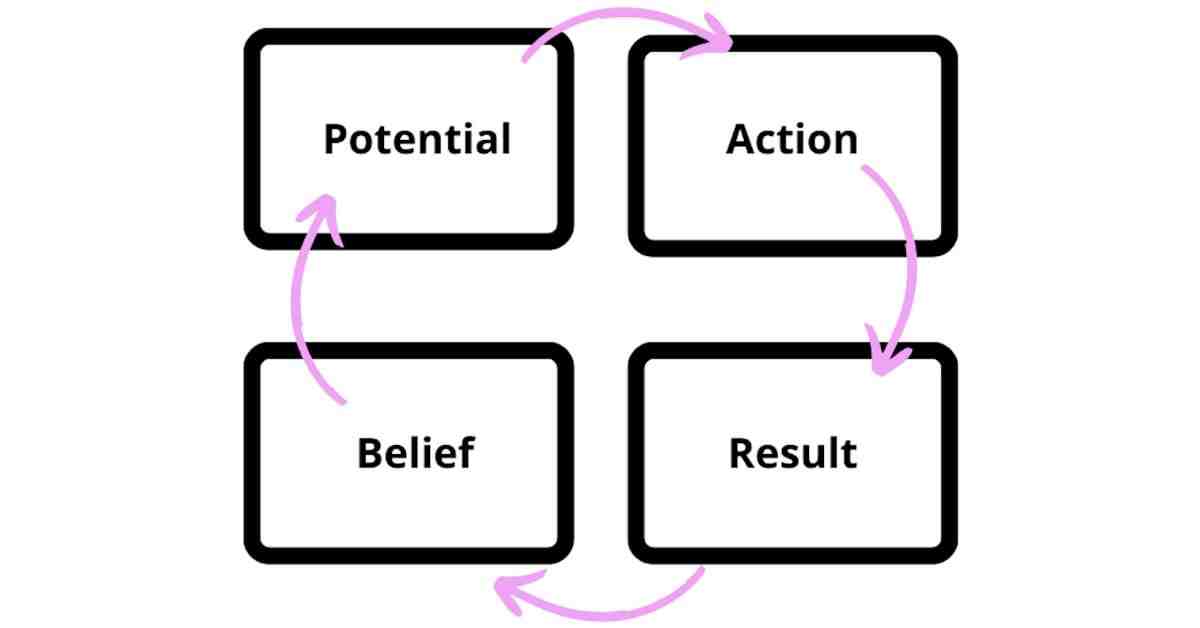
Your audience will be looking for things in a very specific way, and it’s important to mimic that in your copy.
If your audience is searching for “best baby chairs”, use this phrase as a keyword. Mimicking popular search terms will optimize your copy, making it relevant to your audience’s search intent.
5. Don’t underestimate the power of headlines
We’ve mentioned headlines before, but they’re so important they deserve their own section.
Let’s be honest, when you’re searching for something on Google, you’re unlikely to click on a webpage with a boring title.
Headlines have the ability to grab your audience’s attention, so it’s important to make them count. It’s also an easy way to tell Google and your audience what your page is about.
Here are some easy ways to optimize your headlines:
When it comes to headlines, be careful with their length. Headlines longer than 60 characters are truncated by Google. So to avoid cutting off your headline, keep it specific.
Related: Learning Google SEO Can Help You Grow Your Business on a Budget
6. Optimize your metadata
Metadata tells Google what your web page is about, and although users don’t always see it, it can be very valuable.
It is important to put your main keywords in your meta tags, meta descriptions and meta titles as this will help Google read your content and define its relevance.
When it comes to metadata, put effort into titles and descriptions, as these not only make up the pieces of writing that appear in your search listings, but also tell Google what your content is about. Make sure your headlines and descriptions are as well thought out as your body copy, as this will help Google index your web pages higher in search results.
7. Write for humans
Above all else, keep the user in mind. When writing SEO copy it can be easy to get carried away by formulas, hacks and top tips, when in reality writing for humans is the best way forward.
Compelling, unique and informative writing will always beat content built just for search engines. The goal should not be to rank, but to provide the information a user is looking for.
Ultimately, Google wants to provide users with the best possible content for their search queries. If you can deliver this in a deeper, more unique and engaging way than your competitors, you’re sure to rank well.
Tips for harnessing the power of voice search optimization
Imagine two companies competing for the same customers.
Let’s call them Store A and Store B.
They are the same except for one thing: Store A has a location that 7 out of 10 customers can easily access.
Which company will do more business?
You don’t need an MBA to figure this out – store A offers more convenience and will therefore gain more market share.
Now consider one benefit you can add to your website that will have a similar effect: voice search.
According to Statista, there will be 8 billion voice assistants in use worldwide by 2024.
That’s a lot of people talking into their phones or smart speakers.
And if you’re not optimizing your web content to take this into account, you’re leaving a lot of opportunity on the table.
Why are so many people using this feature? Why is it important for search engine optimization? And more importantly, how do you claim your share?
Read on for answers to these and other questions.
How Popular Is Voice Search?

We’ve already established how many people prefer using voice search capabilities on their devices, but let’s take a look at some other relevant statistics to see how important it is to capitalize on this trend:
As you can see, the use of smart speaker and voice assistant is gaining popularity in the search traffic competition and it is expected to continue to grow.
But we haven’t mentioned two key things yet – accessibility and UX (user experience).
Voice Search Improves Accessibility

The US Department of Justice has been clear: the websites fall under the Americans with Disabilities Act (ADA).
And not complying can cost you more than potential traffic—you can be fined as much as $75,000 for a first offense.
Voice search plays an important role in ensuring that your website is accessible to everyone.
This includes those with physical limitations that limit their ability to use a keyboard and mouse, those with repetitive stress injuries who must limit their time using keyboards and mice, and people with cognitive disabilities who prefer voice search.
Much of this functionality depends on speech recognition technology, but you may not realize that the way your website is coded can also have a big impact.
According to the Web Accessibility Initiative (WAI), there are several best practices your website should follow to ensure accessibility, including reading order that matches code order, using alt tags for images, and adding download tags meaning and context.
For a complete list of WAI recommendations and information on how to implement them, click here.
Voice Search UX Outcomes For Users

The link between a good user interface and improved search engine results has been well demonstrated. The growth of voice search, however, means that designing your UX around voice interaction is becoming increasingly important.
How your brand interacts with different devices that support voice search can have a significant impact on whether users have a positive or negative experience.
But before you do that, you need to understand how people use voice search.
One of its main uses is informational.
Let’s say you’re deep in pasta dough making tortellini while a red sauce simmers in a pot on the stove.
You can’t remember how long the sauce is supposed to take, so without taking the time to wash and dry your hands, you call out to your smart speaker, “Hey Google, how long should the tomato sauce cook?”
Or you’re hanging out with your friends when one of your friends refuses to believe that Willie Mays ever played for the Mets.
A quick voice search can help you show off your superior baseball skills again.
In addition to settling disputes, many people also use it to check the news and weather.
Another common use is to search “near me”.
For example, you are on a trip to a country you have never been to before. Your car is running on fumes and you need to find a gas station as soon as possible.
Without taking your eyes off the road, voice search can direct you to the nearest place to fill up.
And of course, there’s voice shopping, which we briefly mentioned earlier.
From making shopping lists to ordering pizza to purchasing products using just voice, more and more people are starting and finishing purchases without ever looking at a screen.
The uses of voice search are growing along with the growing popularity.
So, that begs the question: how do you get into it?
Prioritize Your Voice Search Efforts By Channel And Audience

When developing your voice SEO strategy, you need to understand the capabilities and limitations of the platform you’re planning for. There are two approaches here:
Each of these offers different powers.
Devices that display the first screen (when the screen is in use) offer an efficient outlet for information.
Visual scanning is faster than listening and can be used to convey more information in less time. As the saying goes, a picture is worth a thousand words.
Voice-first devices, on the other hand, provide efficient input.
Users can issue commands quickly and easily on their own terms.
Of course, this depends on the device understanding natural language, a technology that has greatly improved since voice commands were in their infancy.
Depending on the content of your site, the demographics of your users, and a host of other factors, your users may be more inclined to prefer one type of device over another.
You also need to understand at what stage of the buyer’s journey voice search is used.
More people use voice assistants to research products than to make a purchase, with 44.4% of US consumers using them to browse for new products and only 24.2% using them to complete a purchase.
Most of these purchases are small items that don’t need to be looked at, like toilet paper or dog food.
Consider all these factors, then tailor your voice strategy to your audience and channel.
Once you’ve done that, it’s time to get down to optimizing your content.
Optimizing Your Content For Voice Search

If you don’t have much experience designing vocal user experiences or VUIs (vocal user interfaces), don’t worry – this is a fairly new field.
Although these differ from GUIs (Graphical User Interfaces), the principles of UX/UI still apply, as does the effect of user experience on your search rankings.
Here are some important elements to consider when designing your VUI or converting existing content to optimize it for voice search:
Start With A Plan
Instead of phasing in VUI and/or voice search optimization, spend time developing a flowchart that explains how voice search users will navigate your site.
Planning ahead will save you a lot of headaches, hassles and duplicate work on the back end.
Make Interaction Natural
Voice search engines use natural language to search for things, often using multiple words.
While a searcher on a desktop might type in [chinese delivery near me], someone using voice search is more likely to say, “Where’s a good chinese delivery near me?”
The same long-tail keywords that are used for normal SEO purposes will come into play in voice search.
Try to use full phrases and queries that are even better than long-tail keywords. And make sure you’re always thinking about user intent.
Design For Flow
We mentioned earlier how your HTML, CSS, and other code should be structured the same way someone would read your website, telling the same story in voice search.
You should also use this sequential approach to structure your content.
Make sure the content follows a logical flow.
Create verbal tags that can be easily navigated with just your voice (eg “choose option #2”).
Improve Your Domain Authority
This is where your regular SEO efforts can pay off for voice SEO.
Voice search almost always selects the first search result to answer the query.
Therefore, it is crucial that your website is fully optimized for normal search.
Check your backlinks, boost your keywords, improve your local search, and do all the other SEO tasks that come with it, all while reaping the rewards of voice search.
Grab Featured Snippets
The featured snippets aren’t just great for mobile and desktop searches—they’re also used to respond to voice search results.
In fact, 60% of all voice search responses come from featured snippets.
So if your content requires this valuable query real estate, you’ll receive the lion’s share of voice traffic.
Get Local
Since so many voice searchers are looking for local answers, your content needs to be optimized for that.
If you haven’t already, get ranked on Google Local.
If you’re already there, work to improve your results.
The goal is to be the answer when someone searches Google and answers queries like [Where can I get a dress altered near me?]
Voice Search Is Only Going To Grow
Some technologies shine for a few years and then fade completely – remember HD DVD?
Voice search probably won’t be one of them.
Instead, it finds new uses and an even bigger niche as technology becomes more advanced.
If anything, the keyboard and mouse model we’ve come to know and love is more likely to become obsolete, especially if Elon Musk’s futuristic Neuralink takes hold.
The most important thing in this science fiction world come to life will be the user experience.
It’s not far-fetched to imagine AI-powered search learning what we like and don’t like and providing answers tailored to our unique purpose.
The best way to ensure you’re ready for this brave new world is to leverage existing cutting-edge technologies to ensure you’re as future-ready as possible.
And that means harnessing the power of voice search.
This is the foundation upon which much of the future of search will be built, so it’s vital that you get involved.
Your targets are talking. Make sure your site is listening.
Featured image: Prostock-studio/Shutterstock
What is voice engine optimization?
Voice Engine Optimization or “VEO” is our term for Voice Search Engine Optimization. VEO is the process of optimizing your content to become the top answer in voice search. Voice search refers to word searches on devices with Google Assistant, Siri, Alexa or Cortana.
How does voice SEO work? The goal of voice search optimization is to optimize your page for answering people’s questions when they perform a verbal search. This process allows you to have a voice search device (Alexa, Siri, OkGoogle) read your page whenever a user requests information related to your page.
Why is voice search so important?
Not only does it make it easier for Google to find answers on your website for user queries, but it also makes it more likely that you’ll rank on featured snippets, which increases traffic. We see that most of the voice search results include web pages that have schema tag and structured data.
What is one of the most important things to consider for voice search?
Six essential factors to consider when optimizing for voice search
- Featured clips. If you’re not familiar with the name “featured clips,” you’ll almost certainly recognize what they look like. …
- User intent. …
- Long keywords and questions. …
- Page speed. …
- Structured data. …
- Local SEO.
What is the future of voice search?
The voice search channel is projected to be worth $40 billion by 2022. Now is the time for businesses to optimize their interfaces, platforms and websites to keep up with the evolving voice search landscape.
Why is voice search important for SEO?
For example, a typical browser search for informational content about digital marketing will likely read something like “the meaning of digital marketing,” but a voice search allows the user to ask (with less effort): “What is digital marketing?†And that is another important aspect of its impact on SEO â user context…
What is voice optimization?
Voice SEO is the optimization of keywords and key phrases for search using voice assistants. According to some SEO experts, voice SEO is necessary for websites to appear effectively in search results conducted through voice assistants.
What is voice engine optimization?
Voice Engine Optimization or âVEOâ is our term for Voice Search Engine Optimization. VEO is the process of optimizing your content to become the top answer in voice search. Voice search refers to word searches on devices with Google Assistant, Siri, Alexa or Cortana.
What is voice search with example?
Broadly defined, voice search involves querying open domain keywords for any information on the Internet, such as Google Voice Search, Cortana, Siri, and Amazon Echo. Voice search is often interactive and involves multiple rounds of interaction, allowing the system to ask for clarification.
How do I optimize my voice?
6 strategies for successful voice search optimization
- Understand your type of customer and device behavior. …
- Focus on conversational keywords. …
- Create engaging, personality-driven content. …
- Provide context with a schema tag. …
- Create pages that answer frequently asked questions. …
- Think Mobile & Think Local.
How do I optimize Google voice search?
here are some tips to optimize for voice search.
- Understanding Voice Search. …
- Make your content scannable. …
- Claim your Google My Business listing. …
- Read the official user manuals. …
- Focus on long-tail keywords. …
- Create frequently asked questions (FAQ) pages. …
- Fill in your microdata.
What digital strategies do marketers now need to consider for voice search?
Understanding the key steps to optimizing for voice search
- Focus on the conversation. …
- Think like a user to create the right keywords. …
- Long keywords do the trick. …
- Prioritize the key words of the questions. …
- FAQ pages are a good idea. …
- Try to use only natural language. …
- Remember relevance at all costs.
What is Voice Search Optimization in Marketing? Voice SEO is the optimization of keywords and key phrases for search using voice assistants. According to some SEO experts, voice SEO is necessary for websites to appear effectively in search results conducted through voice assistants.
What is voice search in digital marketing?
“Voice Search is a speech recognition technology that allows users to search by saying terms out loud instead of typing them into a search box. The proliferation of smartphones and other small web-enabled mobile devices has fueled interest in voice search.â â
Why is voice search important for SEO?
Not only does it make it easier for Google to find answers on your website for user queries, but it also makes it more likely that you’ll rank on featured snippets, which increases traffic. We see that most of the voice search results include web pages that have schema tag and structured data.
What is voice search used for?
Voice search is a technology that allows a user to use a voice command to search the Internet, a website or an application. As a result of advances in speech recognition, this feature first appeared on smartphones, making it possible to replace the search bar.
How do I implement voice search on my website?
Open the Google website on a desktop computer and you’ll find a small microphone icon in the search box. Click the icon, say something and your voice is quickly transcribed into words.
How do I set up voice search on my website? Adding incredibly powerful voice search capabilities to your website is easy with Voicer. Simply copy the Voicer code snippet and paste it into your website’s HTML. Once you hit “Save,” Voicer will be ready to use on your website. No coding required.
How do I make voice search in HTML?
var voice = { // (A) INITIAL SPEECH RECOGNITION sform : null, // HTML SEARCH FORM sfield : null, // HTML SEARCH FIELD sbtn : null, // HTML VOICE SEARCH BUTTON recog : null, // SPEECH RECOGNITION OBJECT init : function () { // (A1) GETTING HTML ELEMENTS voice . sfrom = document. getElementById(“search form”); voice.
How do you do voice input in HTML?
When voice input is enabled, the item will have a small microphone icon displayed to the right of the input. Clicking this icon will bring up a small tooltip showing that your voice is now being recorded. You can also start speech input by focusing an element and pressing Ctrl Shift.
How is voice search used in marketing?
Since voice searches are more conversational and natural in nature, it will prioritize the semantics of search queries. As a result, this will impact the digital marketing landscape and marketers will need to re-evaluate the keywords used in their content and overall marketing strategy.
What is the use of voice search? Voice search is a technology that allows a user to use a voice command to search the Internet, a website or an application. As a result of advances in speech recognition, this feature first appeared on smartphones, making it possible to replace the search bar.
How do consumers use voice search?
72 percent of US consumers use voice search through digital assistants. The top activities performed with voice assistants are playing music (74 percent), checking the weather (66 percent), and setting alarms and reminders (58 percent).
What kinds of searches are consumers most likely to use voice search for?
Opens in new window., the most common voice searches on smart speakers ask for music (70%) and weather (64%), followed by entertainment questions (53%), web searches (47%), news (46%) and asking for instructions (34%).
Is voice search the future marketing?
This could be proven by another statistic from Oberl, which states that 71% of consumers prefer using voice queries over typing. Therefore, the convenience of voice search for users has pushed it to the forefront of search marketing and made voice search marketing the future of digital marketing.
Is voice search declining?
The popularity of voice search is on the decline: in 2021, only 18% of respondents use voice search every week, compared to 53% in 2018. New data from Manifesto reveals that people are using voice search less than a few years ago, despite the convenience and accessibility of the benefits.
Is voice search increasing?
In the past year, 58% of consumers found local businesses using voice search. And not only is the number of voice search users growing, but the volume of voice search continues to grow, as 46% of those users will use voice search multiple times a day to find a local business.
Is voice search the future?
Since 2016 and especially in 2018, Google has been encouraging publishers to use voice search with structured data.
What is voice search in marketing?
What is Voice Search? Voice search is a type of technology that recognizes your speech so you can search for things by simply saying your search term out loud instead of typing it into the search bar. The growth of smartphones and other handheld devices has led to an increase in their use.
What is the voice marketing?
In a nutshell, voice marketing is a set of strategies and tactics used to reach target audiences using various voice devices powered by voice assistants.
What is meant by voice search?
Voice Search is a speech recognition technology that allows users to search by saying terms out loud instead of typing them into a search box. The proliferation of smartphones and other small web-enabled mobile devices has fueled interest in voice search.
How many types of SEO are there?
There are about 12 different types of SEO that help websites rank better on search engine results pages.
What are the 4 main components of SEO? Each component builds on and complements the others. The stronger the links between each of the 4 components of SEO – technical SEO, on-page SEO, off-page SEO and content – the better the results. Being aware of connections will help us better understand how to best use them effectively.
How many SEO techniques are there?
12 SEO Techniques You Must Be Using in 2022 By working on some of these SEO best practices, you’ll be able to work on improving your visibility and traffic. Let’s get started.
How many types of SEO are there?
The three types of SEO are: On-page SEO – Everything on your web pages – Blogs, Product text, Web text. Off Page SEO – Anything that happens away from your website that helps your SEO strategy – backlinks. Technical SEO â All technical things done to improve search engine rankings â indexing websites to help robots crawl.
How long does it take to learn real estate SEO?
The Digital Age of Real Estate

The internet has revolutionized how properties are rented, bought, & sold. Don’t leave behind! Realty Biz News is offering free digital marketing training for real estate professionals so you can build your digital brand and generate more leads online!
Sign Up for The Digital Age of Real Estate!
How much can you expect to spend on SEO? If you’re hiring a top-tier SEO company to run a local campaign, expect to pay $500.00+ per month. A national or international campaign will require a minimum budget of $2,500 to $5,000 per month. Some businesses offer a “trial package” at a lower price, with no contract.
What is SEO in real estate?

What is SEO for real estate? SEO is an acronym for search engine optimization, but in the real estate industry, optimization efforts mostly focus on winning at local SEO. Local SEO strategies rely on content and pages specific to the area to increase geographic relevance.
What are the 4 types of SEO? Having cleared the approaches to search engine optimization, we can now go through the different types of SEO.
- On-page SEO (On-site SEO) …
- Off-page SEO (Off-site SEO) …
- Technical Senior. …
- Local SEO.
What is SEO in simple words?
SEO stands for search engine optimization — that much has remained the same. It refers to techniques that help your website rank higher on search engine results pages (SERPs).
What is SEO and how it works?
Well, SEO stands for ‘Search Engine Optimization’, which is the process of getting traffic from free, organic, editorial or natural search results in search engines. It aims to improve your website’s position on search results pages. Remember, the higher the website is listed, the more people will see it.
What is SEO in easy language?
SEO stands for “search engine optimization.’ In simple terms, it means the process of improving your site to increase its visibility when people search for products or services related to your business in Google, Bing, and other search engines.
What is an example of SEO?
How they determine the “best” result is based on an algorithm that takes into account authority, relevance of that query, loading speed and more. (For example, Google has over 200 ranking factors in their algorithm.) In most cases, when people think “search engine optimization”, they think “Google SEO”.
Is SEO good for Realtors?
A realtor must have great SEO if they want their website to rank higher in search engine results, so it’s important that you create a real estate blog with your best real estate tips.
Does SEO increase sales?
SEO is critical to the success of any modern business, not only because it can increase your visibility and increase your online reach, but also because it can help you increase sales by driving more traffic to your site, providing you with more opportunities to convert leads into customers. , and give you the tools you need to increase…
Is SEO important for real estate?
A good real estate SEO team (and strategy) is also important because it allows you to develop more lasting relationships with new and prospective home buyers. In addition, you need the best real estate marketing strategy to position your company or agency in the market.
What is SEO & How it works?
Well, SEO stands for ‘Search Engine Optimization’, which is the process of getting traffic from free, organic, editorial or natural search results in search engines. It aims to improve your website’s position on search results pages. Remember, the higher the website is listed, the more people will see it.
How does SEO work in simple words?
Search engine optimization (Senior) is all about targeting your website to rank higher on a search engine results page (SERP) so that you get more traffic. The aim is usually to rank on the first page of Google results for search terms that mean the most to your target audience.
What is SCO in real estate?

SCO means that Shop-cum-office spaces are a new way to invest your money in real estate or commercial property. SCO plots in Gurgaon are considered as freehold commercial properties where builders offer plots, space for clients to create their shop and office to build on that area.
What is SCP in real estate? i Investment vehicles in real estate First, a tax-transparent entity: the private property company (SCP). The SCP can buy and rent real estate; however, given its civil nature, it is not suitable for developing commercial activity.
Can you pay Google for SEO?

Google does not offer SEO services. Remember, Google is a search engine and they have created their own algorithm to rank websites. If Google offered SEO services, you would basically be paying to be at the top of the search results thinking they would know exactly what to do on your website to get you there.
Is it worth paying someone for SEO? The short answer is that SEO is very effective â not only for generating traffic but also leads and sales. Do not be worried. The long answer includes research and data, not just empty statements. Most SEOs also get caught up in search-specific metrics like SERPs (search engine results page), rankings, and organic traffic.
How much does SEO on Google cost?
If you’re hiring a high-end SEO company to run a local campaign, expect to pay $500.00 per month. A national or international campaign will require a minimum budget of $2,500 to $5,000 per month.
Is it worth it to pay for SEO?
SEO is worth it if you have the right strategy in place and work with a partner who knows how to get results. About 93% of online experiences start with a search engine, and SEO’s conversion rate is much higher than traditional marketing. Therefore, SEO provides a significant return on investment (ROI).
How much does SEO cost for a small website?
According to a survey of 1,200 business owners and over 350 agencies, freelancers, and consultants, the average cost of SEO for Small Businesses is $501-$1,000 per month worldwide. The average cost of SEO for small businesses in the United States is $2,501 to $5,000 per month.
Is SEO a one-time cost?
It’s worth mentioning that most SEO tactics, including link building and content marketing, require monthly attention. THIS is not a one-off project; it must be constantly updated, analyzed and adjusted to achieve the desired results. Content and links must be continuously upgraded and improved.
Does SEO work for real estate agents?

A realtor needs SEO if they want their real estate website to rank higher in Google Search results, so it’s important that you use social media to promote your website and real estate content to share.
“Brain Engine Optimization” is a new search engine optimization
“The most important search engine is the one in our minds.”
That quote – from Jon Bradshaw, founder of consultancy Brand Traction – is the most pathetic idea we’ve heard in a long time.
Well, imagine you are a tourist in Dublin.
You are inside Mulligans, a wonderful 168-year-old pub on Little Hole Street.
A happy Irish barman is trying him.
“What do you have to drink?” he asks.
So how do you decide what to order? Do you whip out your iPhone and type ‘What drink should I get in a pub in Dublin?’ into the search box?
You don’t search Google – you search your brain.
And since people are ‘cognitives’, you do a simple, quick search like ‘drink, pub, Dublin’. Your brain retrieves a short list of options from its memory banks. And then, to save yourself time and energy, your brain usually chooses the most obvious option.
Today, marketers invest billions of dollars in search engine optimization. We want our brands to come to mind easily when buyers enter the market. We have the right objective, but we are optimizing for the wrong search engine. The right search engine is the one in your head.
That’s why the real focus for marketers should be brain engine optimization (BEO).
That’s right – LIVE is the new SEO.
But how do you optimize search results within a buyer’s brain?
We’re not smart enough to answer that question, but we know someone who is: Professor Jenni Romaniuk of the Ehrenberg-Bass Institute, one of the greatest marketing thinkers of our time.
Our team at the B2B Institute has published new research from Romaniuk that we believe could revolutionize the way B2B marketing works. The paper explains how B2B marketers can grow their businesses through brain engine optimization.
Category entry points are the real keywords

LIVE is not that different from SEO.
The goal is still to associate your brand with a keyword – a mental keyword. Or what Romaniuk calls a ‘category entry point’ (CEP).
To quote the professor: “CEPs are the cues buyers use to access their memories when faced with a buying situation and any internal cues (e.g. motives, feelings) and cues can external factors (eg location, time of day) that affect purchase. situation.”
And why exactly are CEPs so important?
Because of a buying situation: “a buyer by category processes existing memories to identify potential brands to buy. These memory-generated brands are the starting point for the buying process. Other sources and search engines (eg Google, colleagues) are usually only consulted if the memory-generated options are insufficient. And, even when consulted, buyers still show a preference for the brands they already know.”
Ehrenberg-Bass: By connecting brand messages to buying situations, you get ‘the mind and the market’
That’s why you didn’t pull out your phone to decide what drink to order at Mulligans. Guinness was the obvious choice in that buying situation for many years of advertising and marketing.
This also explains how most marketing works to increase sales: by associating the brand with CEPs long before the customer has to buy. In her latest research, Romaniuk shows that B2B brands with more connections to more CEPs are more likely to be purchased. Just like pages with more backlinks rank higher in Google search, brands with more CEP links rank higher in brain search.
And CEPs don’t just help with customer acquisition. CEPs also help with customer retention. According to the research, each additional CEP link lowers the odds of a defect by 5%. If you care about getting or keeping, you should care about CEPs.
How to optimise for category entry points

Just as marketers use digital data to optimize Google search, marketers can use market research to optimize brain search. Brain engine optimization is a four-step process.
Step 1: Identify the relevant CEPs for your category
Start by surveying buyers to understand the cues that trigger a buying situation. In B2B, you want to understand both the business needs and the professional needs of the buyer.
Why does the buyer need automation software? There are probably many CEPs for that, like making tedious inquiries easier (business CEP) or angling for a promotion (professional CEP). The CEPs will be very different for a beer buying situation, from ‘when I’m in an Irish pub’ to ‘if I’m having a terrible day at the office’.
Step 2: Prioritise the right CEPs for your brand
With SEO, you try to pick the most valuable keywords. With BEO, you try to pick the most valuable CEPs. There could be 50 different CEPs for the cloud computing category, but not all of them are equally attractive to IBM.
You can quantify the commercial value of CEP by analyzing the ‘three Cs’: commonality, credibility and competitiveness. In other words, prioritize CEPs that occur frequently, are easy to relate to your brand and are not already associated with competitors.
The preferred CEPs are the ways to make a profit
Step 3: Build (and refresh) links between your brand and the CEPs
Now that you’ve identified the most profitable CEPs, it’s time to start investing. Aim for no more than three or five CEPs to start (the smaller the brand, the smaller the list).
Find creative ways to represent the CEPs in your marketing and advertising, and co-present alongside your signature assets (Guinness harp, Oracle red, Intel bells).
Align with your vendors to make sure you’re talking about the same CEPs (which are just your customers’ biggest needs).
Place the CEPs on your website and into your Powerpoint presentations.
Here’s a great example from Microsoft, which uses ‘co-presentation’ to connect the brand (Teams) with the relevant CEPs for a buying scenario (online education).
Step 4: Measure the effectiveness of your CEP-building efforts

If you’re doing your job right, over time you should see an increase in the number of buyers linking CEP’s key plans to your brand.
Most of us are busy trying to associate the brand with a set of fluffy perceptual attributes that marketing thinks are important, such as ‘innovation’ and ‘reliability’. Instead, link to CEPs that your customers think are important. It’s a more profitable approach and much easier to explain to sales and finance, who are skeptical of brand marketing.
Memory generation is the best form of lead generation

Most B2B marketers are obsessed with lead generation, but the best B2B marketers are obsessed with memory generation.
If your brand isn’t remembered in a buying situation, it’s unlikely to be bought – period. People usually only buy what they can easily remember, and brain engine optimization is how you increase your chances of being easily remembered. And because brain engine optimization is what drives most sales, it should be a priority for every B2B (and B2C) marketing department.
If you win the mind, you win the market.
Peter Weinberg and Jon Lombardo are the heads of research & developed by the B2B Institute, a think tank at LinkedIn that studies the laws of B2B growth. You can follow Peter and Jon on LinkedIn.
How many types of SEO are there?

The three types of SEO are: On-page SEO – Anything on your web pages – Blogs, product copy, web copy. Off Page SEO – Anything that happens away from your website that helps your SEO Strategy – Backlinks. Technical SEO – Anything technical done to improve Search Ranking – site indexing to help bot crawling.
What are the 4 main parts of SEO? Each component builds on and complements the others. The stronger the links between each of the 4 SEO components – technical SEO, on-page SEO, off-page SEO, and content – the better the results. Knowing the connections will help us better understand the best ways to use them effectively.
How many SEO techniques are there?
12 SEO Techniques You Must Use in 2022 By working on some of these SEO best practices you will be able to work to improve your visibility and traffic. On with us.
What are the different types of SEO techniques?
12 Types of SEO
- White-Hat Senior. When you hear someone say white hat SEO, that means SEO practices that conform to the terms and conditions of the major search engines, including Google. …
- Black-Hat Senior. …
- Senior Grey-Hat. …
- On-Page SEO. …
- Off Page SEO. …
- Technical Senior. …
- International SEO. …
- Local SEO.
How many types of SEO are there?
The three types of SEO are: On-page SEO – Anything on your web pages – Blogs, product copy, web copy. Off Page SEO – Anything that happens away from your website that helps your SEO Strategy – Backlinks. Technical SEO – Anything technical done to improve Search Rankings – site indexing to help bot crawling.
What are different types of SEO?
So, the different types of SEO are:
- Technical Senior.
- On-Page SEO.
- SEO content.
- Off Page SEO.
- Local SEO.
- Mobile SEO.
- Ecommerce SEO.
What are the 3 types of SEO optimizations?
There are three main types of SEO:
- Internal (Senior On Page)
- External (SEO Off Page)
- Technical Senior.
What is SEO in digital marketing? SEO means Search Engine Optimization and is the process used to optimize a website’s technical configuration, content relevance and link popularity so that its pages can be easily found, more relevant and popular for user search queries, and as a result therefore, search engines rank them better.
What is SEO and how it works?
Well, SEO stands for ‘Search Engine Optimization’, which is the process of getting traffic from free, organic, editorial or natural search results in search engines. It aims to improve your website’s position on search results pages. Remember, the higher the website is listed, the more people will see it.
How does SEO work in simple words?
Search engine optimization (Senior) is all about targeting your website to rank higher on a search engine results page (SERP) so that you get more traffic. The aim is usually to rank on the first page of Google results for search terms that mean the most to your target audience.
Why search engine optimization is important in digital marketing?
at the Digital Marketing Institute SEO consists of multiple elements, and knowing what they are and how they work is essential to understanding why SEO is so important. In short, SEO is key because it makes your website more visible, which means more traffic and more opportunities to convert prospects into customers.
How is Search Engine Optimization used in digital marketing? Search engine optimization (Senior) is all about targeting your website to rank higher on a search engine results page (SERP) so that you get more traffic. The aim is usually to rank on the first page of Google results for search terms that mean the most to your target audience.
Why is Search Engine Optimization important?
When searching for a service or product online, users are more likely to choose one of the top five recommendations shown to them by the search engine. SEO helps you rank higher in search results and garner more visibility online, making it more likely that potential customers will click on your site and convert.
What is SEM and why is it important?
Search Engine Marketing, more commonly known as SEM, is one of the most important marketing channels for generating web traffic. It complements SEO and content marketing and gets your brand at the top of Google, Bing and the other search engine players around the world… if you play your SEM cards right.
Why SEO is so important to businesses?
It Helps You Rank Better in Local Searches And almost 80% of local searches are converted on mobile phones. Local SEO strategies can help you attract these searches that are often ready to buy. The first step to getting started with local SEO strategies is to create a Google My Business account.
Why is SEO still important?
SEO matters, and strategy is more important than ever. It’s an essential component of successful digital marketing efforts, and it can be the difference between attracting tons of website traffic and getting lost among the billions of other sites on the Internet.
What is SEO and why is SEO important?
SEO stands for Search Engine Optimization. At its simplest, good SEO optimizes your online visibility. This means that the more people see your website, the more your online traffic increases, and the better your chances of providing your product or service to more people.
What is SEO and why is it important in web development?
SEO enables you to get a better ranking of your site on the web. When users search for products available on your website, they will be able to see it as soon as they type the keywords. A higher ranking for your website will increase the possibility that your site will get more clicks.
Why is SEO still important?
SEO matters, and strategy is more important than ever. It’s an essential component of successful digital marketing efforts, and it can be the difference between attracting tons of website traffic and getting lost among the billions of other sites on the Internet.
What is SEO and why is SEO important for every business?
SEO consists of numerous strategies, activities, and best practices, all with the ultimate goal of improving your website’s position in search engines, which is why it’s called “search engine optimization.” on him. There are two types of SEO. : on the page and off the page.
What is search engine optimization with example?
Search engine optimization (Senior) is the art and science of getting pages to rank higher in search engines like Google. Because search is one of the main ways people find content online, higher search engine rankings can lead to increased traffic to a website.
What is SEO give an example? Companies look to search engine optimization, or SEO, to help gain more awareness and make their company rank higher in search engines. SEO is used through search engines such as Google, Yahoo, MSN, Bing, etc.
What is SEM example?
Internet marketing refers to marketing efforts made by businesses and other organizations only on the Internet. With search engine marketing, businesses pay to have their ads appear alongside search queries in search engines. Google, Yahoo, Safari and Bing are search engines, for example.
How do you explain SEM?
What is Scanning Electron Microscopy (SEM)? It is a type of scanning electron microscope (SEM) that uses a focused beam of electrons to scan the surface of a sample to create a high-resolution image. SEM produces images that can show information on the surface composition and topography of a material.
Is Facebook a SEM ad?
Facebook Ads and other social media ad platforms, for example, are pay-per-click platforms that do not fall under the SEM category.
What is considered SEM?
SEM, or search engine marketing, is using paid advertising to ensure that your business’ products or services appear on search engine results pages (SERPs). When a user enters a certain keyword, SEM enables your business to appear as a result of that search query.
What is SEO & How it works?
Well, SEO stands for ‘Search Engine Optimization’, which is the process of getting traffic from free, organic, editorial or natural search results in search engines. It aims to improve your website’s position on search results pages. Remember, the higher the website is listed, the more people will see it.
What is SEM in digital marketing?
Search engine marketing (SEM) is a digital marketing strategy used to increase a website’s visibility on search engine results pages (SERPs).
What is the difference between SEO and SEM? The difference between search engine optimization (SEO) and search engine marketing (SEM) is that SEO focuses on getting traffic from organic search, whereas SEM focuses on getting traffic from organic and paid search. Both SEO and PPC are ways to market your business in search engines.
What is SEM in content marketing?
Search engine marketing (SEM) involves marketing a business through the use of paid advertisements and the use of keywords and phrases throughout the content. It mainly refers to the use of search engine advertising (SEA) through the use of pay-per-click advertisements.
What is SEM marketing and how it works?
In search engine marketing, advertisers pay for impressions that result in visitors, hence the name pay-per-click. Search engine marketing aims to reach users when they most need the information you have to offer, making PPC advertising less disruptive.
What does SEM meaning?
Search Engine Marketing (SEM) means: SEM describes the paid advertising that appears on a search engine results page. SEM involves buying PPC (pay per click) ads that appear among search engine results. Such advertisements may be placed through Google Ads, Microsoft Advertising (for Bing), or other search engines.
Are SEM and SEO the same?
SEO is sometimes used as an umbrella term that includes SEM, but because SEM strictly refers to paid advertising, they are actually separate. SEM is about getting traffic through paid ads, while SEO is more about getting, monitoring and analyzing organic (non-paid) traffic patterns.
What is SEM marketing and how it works?
In search engine marketing, advertisers pay for impressions that result in visitors, hence the name pay-per-click. Search engine marketing aims to reach users when they most need the information you have to offer, making PPC advertising less disruptive.
What does SEM marketing include?
“SEM (Search Engine Marketing) is the process of getting website traffic by buying ads on search engines.” That clearly includes pay-per-click, local search ads, product listing ads, and all search engine advertising efforts. .
What is SEM and examples?
Internet marketing refers to marketing efforts made by businesses and other organizations only on the Internet. With search engine marketing, businesses pay to have their ads appear alongside search queries in search engines. Google, Yahoo, Safari and Bing are search engines, for example.
What is a SEM strategy?
SEM, or search engine marketing, is the strategy of getting traffic through a paid site, primarily through advertisements. However, both SEO and SEM go hand in hand, since both strategies are often used at the same time.
What does SEM meaning?
Search Engine Marketing (SEM) means: SEM describes the paid advertising that appears on a search engine results page. SEM involves buying PPC (pay per click) ads that appear among search engine results. Such advertisements may be placed through Google Ads, Microsoft Advertising (for Bing), or other search engines.
How do you explain SEM?
What is Scanning Electron Microscopy (SEM)? It is a type of scanning electron microscope (SEM) that uses a focused beam of electrons to scan the surface of a sample to create a high-resolution image. SEM produces images that can show information on the surface composition and topography of a material.
What does SEM mean in business?
Definition: Search engine marketing, or “SEM,†is the cumulative effort to promote a website in paid and organic search listings. SEM is a key driver of business growth and customer acquisition for many e-commerce stores.
What does SEM mean in social media?
SNM is an acronym that means to say no more, meaning that it would be unnecessary or unnecessary to say anything more.
Kevin Miller started his own SEO company
After graduating from Georgetown University’s McDonough School of Business, a young Kevin Miller wanted nothing more than to go to work for one of the world’s largest technology companies. After a lot of perseverance he achieved his dream and with a lot of excitement, he moved to the west coast to work for Google.
It was a big surprise then, almost two years later, when Kevin called home to announce that he had decided to leave his job at Google. His father called the decision crazy. What Mr. Miller didn’t know was that Kevin had been absorbing a number of important lessons from his work at Google and wanted to build something of his own.
Kevin enrolled in a boot camp called Tradecraft where, ironically, many of his peers expressed aspirations to work for one company: Google. Kevin wasn’t deterred; I wanted to learn how to build a business from the ground up. It was then that he began to understand the nexus between marketing a brand and search engine optimization (SEO). Kevin knew that in today’s world where a business was in the online search results was everything and he was determined to come up with a strategy to achieve the best rankings.
Get to the Top of Google Search Results with Technical SEO
The opinions expressed by the entrepreneur contributors are their own.
In 2019, a case study conducted by Analytive demonstrated that the use of technical search engine optimization (SEO) could increase a software company’s database traffic by 26 times in eight months. Another study by BrightEdge Research showed that 68% of online experiences started with a search engine.
In other words, if you run your business over the Internet, your customers will most likely reach you via Google or a similar search engine – and the volume of these customers will be dictated by your use of technical SEO.
This TikTok-famous funeral director might bury 10 people a day, but he still finds time to write beautiful songs
A plea from job applicants: Please reject us!
‘Rules are suggestions’: This fashion founder uses AI to eliminate the industry’s massive size and waste problems
Being an introvert does not make you a bad leader. In fact, it might just be your secret weapon.
What entrepreneurs can learn from Paul Newman
I built over 10 million followers on TikTok in 1 year. Here’s how you can too.
This mediation expert reveals the power move that will give you control in any situation – and help you get what you want
Can you pay to be at the top of Google?
Tip: There is no way to request or pay for a better local ranking on Google. We do our best to keep search algorithm details confidential, to make the ranking system as fair as possible for everyone.
Can you pay to be first on Google? If you are willing to pay the highest price per click for your chosen keywords and your website is considered relevant and useful to users by the Google search algorithm, then you have a pretty good chance of reaching the first position in the search . Results.
Do you have to pay to be on Google search?
There is no cost to appear in organic search results like Google’s, and making changes to improve your website’s SEO can greatly impact your search rankings over time. Learn more about how Google organic search works and find tips for getting started here.
How much does it cost to list on Google?
Google does not charge for business listings. You can have multiple ads under one account for free. The important thing to focus on is the accuracy and value of your listing.
Do you have to pay to have your website appear on Google?
Getting included in Google’s organic search results is free (although it is difficult to get on the first page of results). If you want your site to appear above the organic results, you can pay Google to display an ad for it by using the Google Ads Pay-per-Click (PPC) service.
Does it cost money to be on Google Search?
FREE! It costs nothing. Google will put you on their website for free.
How do I appear at the top of Google?
How to get to the first page of Google [Recap]
- Create a keyword strategy to target terms your target customers are searching for.
- Incorporate the keywords into your website content as well as HTML tags.
- Write for humans (not search engines).
- Target location-based searches.
- Optimize for mobile.
- Focus on user experience.
How do you get to the top of the Internet search?
If you consistently publish content on your site, you will have more pages available to get to the top of Google search results for different keywords. But your content needs to be concise and helpful to beat your competition.
How much does it cost to appear at top of Google?
I’ll start with a one-word answer to the question: “How much does it cost to get your website on Google?” FREE! It costs nothing. Google will put you on their website for free.
How much does it cost to appear at top of Google?
I’ll start with a one-word answer to the question: “How much does it cost to get your website on Google?” FREE! It costs nothing. Google will put you on their website for free.
Can you pay to be on the first page of Google?
The fastest and easiest way to get on page 1 of Google for a particular keyword is to pay for an ad. You sign up with Google, choose the keywords you want to target, then “bid” (yes, like an auction) how much you want each time your ad is clicked. This is called “Pay-Per-Click”.
How much does it cost to get to the top of Google Search?
The average cost per click in Google Ads is between $1 and $2 on the search network. The average cost per click on the Display Network is under $1. The most expensive keywords in Google Ads and Bing Ads cost $50 or more per click.
How do you get to the top of Google Search results?
Regardless of what you’ve heard, guest posting is still one of the best ways to get your website to the top of Google search results. It’s not only because of the backlinks, but also because of the increased visibility you get with relevant audiences.
How do I turn off Google trending search?

How to turn off Trending Search Google feature on Android?
- On any Android phone or tablet, open the Google app.
- At the top right, flowing the profile picture & gt; Settings & GT; General.
- Turn off autocomplete with trending searches.
Why does Google show me trending searches? What are Google Trending Searches? Google’s search suggestions are based on currently trending queries. The algorithm analyzes searches by people around the globe and recommends the most popular searches to other users.
Why can’t I turn off trending searches on Google?
If you want to disable this feature on Android or iOS, go to google.com. Then select More options (the three lines). Go to Settings, navigate to Auto-complete with trending searches, and tap Don’t show popular searches. Restart your browser.
How do I get rid of Samsung trending searches?
At the bottom of the page click on ‘Settings’. A tab will open, click on ‘Search Settings’. Scroll down until you see ‘autocomplete with trending search’. Select the ‘don’t show popular searches’ option.
What is the most searched question on Google ever?

It may be very surprising to know that the most asked question in the world is “what is my IP”. There are a little over 3 million people who ask this question on Google every month and this is just one variant of the question. There are more who ask, “what is my IP address” and similar.
What is the most asked question on Google? It may be very surprising to know that the most asked question in the world is “What is my IP”. There are a little over 3 million people who ask this question on Google every month and this is just one variant of the question. There are more who ask: “What is my IP address” and similar. So that’s interesting!
Which is better SEO or PPC?

SEO improvements can help your website rank higher on Google search by making it more relevant to users, while PPC ads like Google Ads are paid online ads that allow businesses and website owners like you to bid on an ad. next to showing searches. on Google.com.
Is PPC better than SEO? We’ve seen that SEO click rates are higher than PPC, meaning it has the potential to drive significantly higher volumes of organic traffic your way. Additionally, your cost per acquisition (CPA) will be much lower with SEO than PPC.
Is PPC same as SEO?
The difference between SEO and PPC advertising SEO and PPC advertising are two different strategies at both ends of the same digital marketing spectrum. SEO services focus on driving organic traffic to your website, while PPC advertising is all about displaying paid ads on search engine results pages (SERPs).
What’s SEO and PPC?
SEO stands for search engine optimization. PPC stands for Pay per Click. Although their end goal is the same, they are different concepts that require different techniques and methodologies.
Does PPC help SEO?
PPC helps you discover more valuable organic SEO keywords Fortunately, PPC allows you to see immediate results, so you can determine which keywords are driving traffic and which are less effective. This allows you to optimize your SEO targeting to drive even better results.
Do you need SEO for PPC?
Keyword and conversion data from PPC can be fed into organic search (SEO). The total volume of traffic can be increased by targeting clicks and paid and organic for high performing keywords. High-cost keywords, high-volume or low-converting (but still important) keywords can be moved from PPC to organic search.
What is the difference between technical and content SEO?

Technical SEO essentially includes anything that is a) on-site, meaning it’s part of your website, not another domain, and b) technically, not part of your content. Often it is also defined as anything that facilitates the optimization of your site for indexing.
What is content SEO? Content SEO refers to creating content that helps your websites rank high in search engines. It includes everything related to writing and structuring the content on your website.
Whats the difference between SEO and technical SEO?
Technical SEO is a catch-all bin for SEO improvements that don’t fall into the other two categories. These changes have to do with the behind-the-scenes code on your website. Getting your technical SEO right when it’s bad can give you a small but significant boost in rankings. A simple example is site speed.
Is technical SEO and on-page SEO same?
As explained by Neil Patel, technical SEO refers to any SEO work that is done apart from the content itself. Meanwhile, On-Page SEO means all the things you can do on your website/content, while Off-Page SEO of course means everything beyond that.
What is a technical SEO?
Technical SEO refers to website and server optimizations that help crawl search engine spiders and index your site more effectively (to improve organic rankings).
What is the difference between SEO and content marketing?
SEO refers to the technical process of increasing the quality of traffic and attracting maximum visitors to your website. On the other hand, content marketing is focused on using valuable and relevant content to drive profitable customer or customer action.
Does content marketing improve SEO?
The more content added, strategically placed around your most valuable keywords, improves your SEO ranking. Content marketing helps businesses spread their searched organic keywords through their websites in an engaging, valuable way, it can also increase the number of backlinks.
Which is the best strategy SEO or content marketing?
SEO helps people find your content, while content helps drive traffic to your site and improve your rankings. A successful content marketing strategy requires SEO and vice versa. To get the best results with your campaign, focus on building a strategy that integrates these strategies together.
What comes first content or SEO?
It’s no secret that an SEO strategy can’t work without content, and content can’t perform to its full potential without an SEO strategy. For both to work, they need the other.
What is a technical SEO?
Technical SEO refers to website and server optimizations that help crawl search engine spiders and index your site more effectively (to improve organic rankings).
What is technical SEO and on page SEO?
As explained by Neil Patel, technical SEO refers to any SEO work that is done apart from the content itself. Meanwhile, On-Page SEO means all the things you can do on your website/content, while Off-Page SEO of course means everything beyond that.
What is technical SEO SEO?
Technical SEO is the process of ensuring that a website meets the technical requirements of modern search engines with the goal of improved organic ranking. Important elements of technical SEO include crawling, indexing, rendering and website architecture.
What is a technical SEO checklist?
Technical SEO is an integral part of any SEO strategy, therefore the site must meet all the recommendations of search engines. The technical audit checklist includes various aspects to analyze and rank the technical parameters of website content and structure.
How SEO and content marketing can transform your business
Opinions expressed by Entrepreneur contributors are their own.
Mention digital marketing and, within minutes, keywords like search engine optimization (SEO) and content marketing will be mentioned. Both are more than keywords. They are an integral part of successful digital marketing for most brands today.
Chances are, if you run a business that uses digital marketing, you’re already using both. SEO will drive traffic to your website, when you use content marketing on your blog and on your social media channels. But here’s the question: do the two tactics work well together? Otherwise, you may be missing out on a great opportunity to help your brand grow.
Related: 7 Reasons Why SEO Is Important for Every Startup
Making sense of the buzz: SEO vs content marketing

Before considering how SEO and content marketing can be combined in your marketing strategy, it’s worth clarifying the difference between the two tactics. As digital marketing terms become more widely used, they are also often used synonymously even though they describe different things.
According to the Content Marketing Institute, content marketing “focuses on creating and distributing valuable, relevant, and consistent content to attract and retain a defined audience.” The overall goal is to drive customer action that benefits the brand, either through subscribing to a service or purchasing a product.
Unlike traditional marketing, content marketing works indirectly with the consumer and is meant to stimulate interest in his product or service, as opposed to a specific brand. Rather than talking to customers about a specific product or service, content marketing helps customers solve problems by providing information they may not have had before.
Brands that excel in content marketing and Search Engine Optimization build long term relationships with their audience. Customers rely on brands as a source of advice rather than just a business pushing products and services.
What is Search Engine Optimization (SEO)?
Search Engine Optimization is an important part of marketing for businesses that rely on website traffic. It organizes and optimizes content from search engines, such as Google, and helps your website rank high in search results. The Digital Marketing Institute defines SEO as the process that helps brands generate website traffic from “free, organic, editorial, or natural search results in search engines.”
As a brand, you may pay an SEO expert to improve your rankings, but there is no payment to the company behind the search engines. This is what distinguishes SEO from Search Engine Marketing (SEM), which refers to paid listings. While SEO takes time to deliver results, SEM can increase product visibility in the short term.
Many brands use both approaches as part of their digital marketing strategy. But let’s just focus on SEO. SEO has become a non-negotiable part of any brand’s digital marketing strategy that relies on website traffic for its success. Without it, even the best-designed website may never be found by the relevant audience.
Based on this clarification, it is easy to identify the relationship between content marketing and search engine optimization.
Related: 7 Ways Small Businesses Can Use SEO to Improve Customer Service and Growth
Making content marketing and SEO work together
To reach its full potential to benefit your brand, content marketing and SEO need to work together. As a new brand, you should create content with search engine requirements in mind. As a brand with an existing content library, it’s a good idea to review your content to make sure it’s useful for your search engines.
Starting from scratch: how to develop SEO-friendly content
Just a few years ago, creating SEO friendly content meant putting keywords into articles that were supposed to be well written. As a result, many websites become unreadable and unhelpful to their users. Search engine operators realized this and started changing their algorithms. Today, search engines strive to provide users with the most relevant content.
So how can you tell Google that your content is relevant? The answer is simple: be clear about your content. Search engines investigate websites, and the easier it is to identify the focus of your content, the higher your content will rank on search engine results pages.
Staying focused is key to developing successful content. It may sound simple, but sometimes it is very difficult to implement. For example, if you offer separate online courses for language and personal finance, avoid placing both types of courses on the same page. Instead, create a separate language course page and another personal finance page. You may even want to divide the language course into individual languages.
The same goes for blog posts. It is possible to blog about the benefits of online courses in general. However, creating individual content for online language courses and personal finance courses will almost always push more content to relevant pages.
Creating content from scratch means starting by considering target keywords and matching content to those keywords.
Creating new content may give you an advantage with SEO, but it is a time-consuming approach. Most established businesses and brands already have content libraries and should update and optimize that content to benefit search engine rankings.
Again, it’s worth trying and thinking like a search engine. Websites that are constantly updated rank higher than websites with stagnant content. Updating existing content is the best way to meet those requirements while saving time.
Optimizing existing content will not be complete without reviewing internal and external links. Internal links tell search engines the structure of your website and reveal shared content. Orphaned content, pages not linking together, struggling to be found by search engines.
Related: Why SEO Is Much Easier Than You Think
Take advantage of synergies

SEO and content marketing should work together to attract the most users to your website and generate sales.
To create synergies, start developing content with SEO in mind. Delivering great content that is useful to users can easily become SEO-friendly, especially if it was developed that way from the start. Treating SEO as an afterthought marked at the end of content development does not deliver the best results.
Creating content with your audience in mind and a clear understanding of your topic will make it easier to optimize content for rankings. Regardless of the time investment, traffic optimization is beneficial for your business.
What makes a good marketing strategy? Knowing your target customers, taking an integrated approach to your campaigns, knowing and communicating your USP, focusing on your customer concerns and most importantly, being committed.
What are the three types of SEO?
There are three main types of SEO:
- Internal (On-Page SEO)
- External (Off-Page SEO)
- Technical SEO.
How many types of SEO are there? The three types of SEO are: On-page SEO – Anything on your web page – Blog, product copy, web copy. Off-page SEO – Anything that happens away from your website that helps your SEO Strategy- Backlinks. SEO Technical – Anything technical to do to improve Search Ranking – indexing of sites to help bot crawling.
How does content marketing help digital marketing?

Content marketing builds customer awareness, generates leads, and increases conversions. With the advancement of the digital age, content has become an important part of every marketing strategy.
What is content marketing in the digital marketing example? Content marketing includes things like educational articles, e-books, videos, entertainment, and webinars that answer specific questions people have and give them something they can’t get anywhere else. This is the best way to turn your product, no matter how common, into something that is unlike anyone else’s.
Is content marketing is a type of digital marketing?
Digital marketing can be broadly divided into 8 main categories including: Search Engine Optimization, Pay per Click, Social Media Marketing, Content Marketing, Email Marketing, Mobile Marketing, Marketing Analytics, and Affiliate Marketing.
Is content marketing digital marketing?
The difference between content marketing and digital marketing is that content marketing is a specific technique for using content, whereas digital marketing is an umbrella term for any type of online promotion. Content marketing works by providing information and building trust.
What is considered as digital marketing?
Digital marketing, also called online marketing, is the promotion of brands to connect with potential customers using the internet and other forms of digital communication. This includes not only email, social media, and web-based advertising, but also text and multimedia messaging as marketing channels.
What type of marketing is content marketing?
Content Marketing develops and distributes – usually via the web – content that is relevant and useful to your audience. That content can be blog posts, newsletters, white papers, social media posts, and more. Understanding these content formats will help improve long-term decision making for your brand.
How does content help in marketing?
Content marketing is important because it answers your audience’s questions and helps you build trust, develop relationships, increase conversions, and generate leads. In this day and age, customers expect consistent, high-quality content from their favorite brands.
How does content help?
Content can help you build trust with your target audience. The more you educate and provide value to your target audience, the more trust you can build over time. By educating and informing your target audience about their biggest challenges and pain points through blog posts and other types of content.
How effective is content marketing?
74% of companies find that content marketing increases lead generation, both in quality and quantity (Curata, 2017). Businesses with a content marketing strategy achieved a 27.1% higher win rate and an 18.1% higher quota achievement than businesses without a content strategy (CSO Insights, 2019).
What does content do in marketing?
Content marketing is a marketing strategy used to attract, engage, and retain an audience by creating and sharing relevant articles, videos, podcasts and other media. This approach builds expertise, promotes brand awareness, and keeps your business on the top of mind when it comes time to buy what you’re selling.
Is content part of digital marketing?
Content marketing is one of the possible digital marketing strategies that offers you techniques to create and distribute content. This means content marketers are narrowly focused on one way of promoting a brand.
What is included under digital marketing?
Digital marketing, also called online marketing, is the promotion of brands to connect with potential customers using the internet and other forms of digital communication. This includes not only email, social media, and web-based advertising, but also text and multimedia messaging as marketing channels.
Do digital marketers create content?
Content marketing: Producing written and audiovisual content to attract customers to a business website is one of the main ways digital marketers build an online presence.
Does content fall under marketing?
Quality content is part of all forms of marketing: Social media marketing: A content marketing strategy comes before your social media strategy.
What is content marketing in simple words?
Content marketing is a marketing strategy used to attract, engage, and retain an audience by creating and sharing relevant articles, videos, podcasts and other media. This approach builds expertise, promotes brand awareness, and keeps your business on the top of mind when it comes time to buy what you’re selling.
What is an example of the content? Content is defined as what is in or included in something. An example of its contents is peanuts in a jar. Examples of content are words in a book. Individual items or topics covered in a publication or document.
Can good content improve my SEO score?
Quality, authoritative content is the number one driver of your search engine rankings and there is no substitute for great content—this is especially true when doing SEO marketing. Quality content tailor-made for your intended users increases site traffic, which increases the authority and relevance of your site.
Does updating content improve SEO? If you want to improve your SEO, look no further than updating your old content. It’s the perfect way to increase the traffic your website gets from search engines, and it’s guaranteed to make a huge improvement in how well your content ranks. To get started, create exciting new content to add on top of your old articles.
Does content marketing help with SEO?
This is beneficial for your SEO In addition to creating trust and building relationships with your audience, content marketing helps you with search engine optimization (SEO). An important part of SEO is writing quality content, which focuses on your users.
Which is the best strategy SEO or content marketing?
SEO helps people find your content, while content helps drive traffic to your site and improve your rankings. A successful content marketing strategy requires SEO and vice versa. To get the best results with your campaign, focus on building a strategy that combines these strategies together.
How does content boost SEO?
The more quality content your site has, the more likely it is that search engines will place it at the top of their lists when users start searching. Given how important user clicks are, today’s websites rely on SEO (and even hire SEO companies) to keep their sites search-friendly.
How much content is good for SEO rankings?
Forbes points out that an average of 600-700 words per page is optimal for SEO. Forbes also states that websites with less than 300 words per page are considered “thin” by Google standards and, in all likelihood, will not rank highly in search.
Is more content better for SEO?
SEO Benefits of Long Form Content. Longer Content Leads to Higher Search Ranks. Simply put, research shows that longer content dominates page one search rankings. SerpIQ ran a study that mapped the top 10 results in search queries by content length.
How many words are best for SEO?
There is no overall best word count for SEO. However, we recommend targeting at least 1,000 words for standard blog posts, 2,000 for long-form content, and 300-500 for news posts or product pages. Ultimately, you should try to cover the topic in a meaningful and thorough way without resorting to fluff or repetition.
What is a good SEO ranking score?
What is a Good SEO Score? A good SEO score is between 80 – 100. An SEO score in this range indicates that your website meets the highest quality standards for search engine optimization in the areas of technical SEO, content, user experience and mobile usability.
Does more content increase SEO?
Adding more content to your website can improve your SEO, but only if you take it seriously. Don’t make the mistake of adding a lot of low-quality content unless you want negative results.
Does More content Mean Better SEO?
SEO Benefits of Long Form Content. Longer Content Leads to Higher Search Ranks. Simply put, research shows that longer content dominates page one search rankings. SerpIQ ran a study that mapped the top 10 results in search queries by content length.
How does content boost SEO?
The more quality content your site has, the more likely it is that search engines will place it at the top of their lists when users start searching. Given how important user clicks are, today’s websites rely on SEO (and even hire SEO companies) to keep their sites search-friendly.
Is having more pages good for SEO?
Having more pages also gives your website the possibility of higher rankings which ultimately determines the ranking parameters for your website. The most important advice for ranking well is to keep producing great quality content rather than just publishing a large amount of content every week or month.
Why is content so important?
Content not only helps you build trust and connect with your target audience, but it also acts as fuel for your other marketing techniques. This is the basis on which you promote your business online, so it is important to give it the attention it deserves.
Why is digital content so important? Digital content is important because it is a way to reach and engage with your target audience in a way that traditional media cannot. With so much information available online, it is increasingly important to have high-quality content that will grab people’s attention and keep them coming back for more.
Why is good quality content important?
Quality content helps attract the right audience to your website, engage them, and work to get users to take action on your website. If users find the content valuable, then they are more likely to share it.
Why is good content important for social media?
Effective content will help you build long-term relationships with your audience, ultimately leading to increased revenue for your organization.
What is good quality content?
High quality: Your site’s content should be unique, specific, and of high quality. It should not be mass produced or outsourced on a large number of other sites. Remember that your content should be created primarily to provide a good user experience to visitors, not to rank well in search engines.
Why is content important in media?
Content plays an important role in achieving business and social media goals such as brand recognition, thought leadership, audience engagement and lead generation. This allows you to strengthen your position as the primary destination for your customers, whether for entertainment, education or inspiration.
What is content writing and why is it important for branding?
Content writing is a guaranteed way in which businesses can increase their brand equity and reputation. They can achieve their desired goals and objectives by providing their existing and potential customers with engaging, focused and relevant content.
Why is the content writing important?
Writing consistent, high-quality content is an invaluable way to connect brands with their consumers. Content also increases audience engagement and retention. Encouraging your audience to participate in your brand and providing useful information will ensure your customers keep coming back for more.
What are the uses of content writing?
Content writing is a form of online writing that blogs and businesses use as a marketing strategy to grow their business. Bloggers use content writing to increase their website traffic, increase sales from affiliate marketing, and grow their email lists as a way of nurturing leads into their products and services.
Is SEO Dead? A Fresh Look at Age-Old Search Industry Questions
The rush of time is inevitable. And every year, some new technology drives the nail into the coffin of something older.
Whether horses and carts were replaced by cars or rulers were replaced by calculators, they all eventually became obsolete.
And if you listen to the rumors, this time it’s search engine optimization. Rest in peace, SEO: 1997-2022.
There is only one small problem.
SEO is still alive and kicking. It is as relevant today as it was before. If anything, it’s probably even more important.
Today, 53% of all website traffic comes from organic search.
In fact, the first search results on Google average 26.9% click-through on mobile and 32% on desktop.
And what helps Google determine which results are at the top of the search engine results page (SERP)? SEO, of course.
Need more evidence? We have more statistics to back it up.
Thanks to consistent updates to Google’s search algorithms, the entire field of SEO is undergoing rapid evolution.
Completely ignoring the many minor changes search engine algorithms have undergone, we have seen some major updates in the last decade. Some of the more important are:
Each of these updates changes the way Google works, so each one requires SEO professionals to rethink their approach and change their strategy to ensure they get the results they need. But the need for their services remains.
Now that it’s been established that SEO isn’t dead, it begs the question: Where did all this talk of death come from?
Much of it is based on baseless guesswork and wild speculation. The truth is that SEO is in a state of transition, which can be scary.
And that transition was driven by three things:
The Rise Of Machine Learning
You probably already recognize the impact of AI on the world.
This exciting new technology is starting to appear everywhere, from voice assistants to predictive healthcare to self-driving cars.
And it has been a trending topic in SEO for quite some time.
Unfortunately, most of what is out there is incomplete information gathered from reading patents, analyzing search engine behavior, and guessing.
And part of the reason why it’s so hard to understand what’s going on in AI when it comes to search engines is its constant evolution.
However, we will examine two identifiable trends: machine learning and natural language.
Machine learning is what it sounds like: a machine learning.
For a more sophisticated definition, it can be described as “a method of data analysis that automates the creation of analytical models … a branch of artificial intelligence based on the idea that systems can learn from data, identify patterns, and make decisions with minimal human intervention.”
For SEO purposes, this means collecting and analyzing information about content, user behavior, citations, and patterns, and then using that information to create new ranking factors that are more likely to accurately answer user questions.
You’ll want to read this article for a more in-depth explanation of how it works.
One of the most important factors machine learning uses when determining how to rank websites is another of our trends – natural language.
Since its inception, computers have used a unique language. And because it’s so different from languages that humans don’t speak, there’s always a disconnect between user intent and what search engines submit.
However, along with the development of increasingly advanced technology, Google has made great strides in this area.
Most important to SEO professionals is RankBrain, Google’s machine learning system that builds on a rewrite of Google’s core algorithm we mentioned earlier, Hummingbird.
Nearly a decade ago, Google had the foresight to realize that mobile devices were the wave of the future. Anticipating what this might mean for search, Hummingbird focuses on understanding conversational speech.
RankBrain builds on this, moving Google away from a search engine that follows links between concepts to see the concepts they represent.
This moves search engines from matching keywords in queries to more precisely identifying user intent and providing more accurate results according to searches.
This means identifying which words are important for the search and ignoring those that are not.
It also develops an understanding of synonyms, so if a web page matches a query, it may appear in the results, even if it doesn’t include the keyword being searched for.
The biggest impact of RankBrain and machine learning is on long tail keywords.
In the past, websites often stuck on specifics but rarely looked for keywords into their content. This allows them to appear in queries for the topic.
RankBrain is changing the way Google handles this, which means focusing on long tail keywords is no longer a good strategy. It also helps remove content from spammers looking to rank for these terms.
Honey, I Shrunk The Organic Search Space
Search engines are big business, no one can deny that.
And since 2016, Google has slowly penetrated organic search results in favor of paid advertising. That’s when sponsored ads are removed from the sidebar and placed at the top of the SERP.
As a result, organic results are pushed further down the page, or “below half”, to borrow an anachronistic idiom.
From Google’s business perspective, this makes sense. The internet has become a huge part of the global economy, which means more and more companies are willing to pay for ad placement.
As a result of this apparent de-priority, organic SEO professionals are forced to develop new, innovative strategies to not only appear on the first page but also compete with paid advertising.
Changes to local search also affect the SERP. In its endless search to provide users with more relevant results, Google adds local packages to the search results. This group of three nearby businesses seems to fulfill the query. They are listed at the top of the first page of results, along with a map showing their location.
This is good news for local businesses competing with national brands. However, for SEO professionals, it poses a new wrinkle in their work.
In addition to creating competition for local search results, it also opens the door to, you guessed it, local paid search advertising.
And this isn’t the only thing driving organic results down the page. Depending on the search, your links may also have to compete with:
Additionally, Google has started answering questions directly (and suggesting related questions and answers). This has given rise to a phenomenon known as “clickless searches”, i.e. searches that end up in the SERPs without any click-through to other sites.
In 2020, nearly 65% of all searches received no clicks, which is troubling for anyone who makes a living generating clicks.
With this in mind, and as organic results get lower, it’s easy to see why some SEO professionals get frustrated. But savvy web marketers see this as more than a challenge – they see it as an opportunity.
For example, if you can’t get your link at the top of the SERP, you can use structured data markup to fetch the featured snippet. While it’s not technically an SEO tactic, it’s a way to generate clicks and traffic, which is the end goal.
Use Your Voice

Not so long ago, taking notes or making your grocery list meant finding paper and writing on it with a pen. Like a caveman.
Thankfully, those days are gone, or at least on their way out, it has been replaced by technology.
Whether you use Siri to play your favorite song, ask Cortana how much the moon weighs, or have Alexa check Apple’s stock price, much of the internet is now available using just your voice.
By 2020, 4.2 million digital personal assistant devices are in use worldwide. And that’s a number that’s expected to double by 2024 as more people adopt the Amazon Echo, Sonos One, Google Nest Hub, and the like.
And users don’t even have one of these smart speakers to use the power of voice search. 90% of iPhone owners use Siri, and 75% of smartphone owners use Google Assistant.
With the advent of this virtual helper, we have seen a huge increase in voice search. Here are some interesting facts about voice search:
It depends on who you are. If you work in SEO (and since you’re reading this, we’re going to assume you do), this creates some problems.
After all, how do you generate clicks to your website if there are no clicks involved?
The answer is pretty self-explanatory: you need to optimize for voice search.
Voice controlled tools don’t operate like manual search, so your SEO content needs to take this into account.
The best way to do it again is to improve the quality of your information. Your content should be the best answer to someone’s question, ensuring it ranks at the very top and getting the verbal click-through (is that a term?) you need.
And because people already know that more specific queries lead to more specific responses, your content must cater to that niche.
In general, specificity seems to be a growing trend in SEO, so it’s no longer enough to just have a web copy that says, “t-shirts for sale.”
Instead, you need to search for exactly what your target is looking for, for example, “Medium Garfield t-shirt + yellow + long sleeves”.
What Does All This Mean For SEO?

Now that we’ve looked at the main reasons why pessimists and cynics falsely proclaim the death of SEO, let’s review what we’ve learned so far:
Have you noticed the theme that runs throughout this section? It’s evolution, survival of the fittest.
To make sure you don’t miss out on important web traffic, you should constantly monitor the SEO situation and adapt to changes, just as you always do.
Your strategy needs to become more sophisticated as new opportunities arise. It should be ready to spin quickly.
And most importantly, you have to remember that your content remains the most important.
If you can answer questions well, your site will get the traffic you are looking for. If you can’t, you’ll need to rework it until it works.
Just remember, like rock and roll, SEO will never die.
Featured Image: sitthiphong/Shutterstock
How has SEO changed in 2021?

4. Desktop Page Experience (UX Based SEO) and Core Web Data. Google is gradually implementing the Page Experience Algorithm in 2021. This algorithm update consists of several user experience signals, such as Core Web Data, which essentially evaluates the overall experience with web pages.
Why is SEO so important in 2021? SEO research allows you to understand user interests and intentions and build content that addresses and captures those intents. Content Distribution. Focusing on SEO and legit link building allows you to develop relevant and useful content that people want to share and provide digital word of mouth.
What will be the trending SEO technique in 2021?
1. Core Web Data Makes Page Load Speed More Important. Back in May 2020, Google announced a planned update to its ranking criteria in the form of Core Web Vitals: A set of user experience criteria based on page load speed, responsiveness, and visual stability.
What is the best SEO strategy for 2021?
21 SEO Tips, Tactics and Trends for Website Content in 2021
- Get ready for more excitement about Core Web Vitals. …
- Enjoy the benefits of part. …
- Pay attention to subtopics. …
- Get featured snippets. …
- Protect your land. …
- Create new content with SEO in mind. …
- Go long. …
- Check your website analytics setup.
Is SEO worth it in 2021?
The short answer is that SEO is very effective – not only for generating traffic but also for leads and sales. Don’t worry. The long answer includes research and data, not just empty statements. Most SEOs get too caught up in search-specific metrics like SERP (search engine results pages), ranking, and organic traffic.
Does SEO Still Work 2021?
So is SEO still a good investment in 2021, and beyond?! Short answer: YES! SEO is more important than ever! It is still one of the most powerful digital marketing strategies that drive long-term results.
Does SEO Still Work 2021?
So is SEO still a good investment in 2021, and beyond?! Short answer: YES! SEO is more important than ever! It is still one of the most powerful digital marketing strategies that drive long-term results.
Is SEO worth it in 2021?
The short answer is that SEO is very effective – not only for generating traffic but also for leads and sales. Don’t worry. The long answer includes research and data, not just empty statements. Most SEOs get too caught up in search-specific metrics like SERP (search engine results pages), ranking, and organic traffic.
How much does SEO cost in 2021?
In 2021, SEO costs for local campaigns will average around $1,000 per month, while nationally focused SEO campaigns will cost between $2,500 – $7,500 per month on average. The cost of SEO services varies depending on the complexity of the keywords and the services included.
Is it worth investing in SEO?
SEO is beneficial if you have the right strategy in place and work with partners who know how to get results. About 93% of online experiences start with a search engine, and the SEO lead closing rate is much higher than traditional marketing. So, SEO provides an impressive return on investment (ROI).
Will SEO be replaced by AI?
AI will completely change SEO as we know it. From optimization to link building, it will have a significant impact on every aspect of SEO. As artificial intelligence (AI) becomes more sophisticated, search engine optimizers will have to adapt.
Will SEO be affected by increasing artificial intelligence? However, it is likely that over time, AI-based SEO solutions will increasingly react independently or at least semi-autonomously to modifications. In short, it’s clear that AI will be a big part of the SEO market, and likely sooner than expected.
How does AI change SEO?
This technology shift is also driving important changes in search engine optimization (SEO). AI technology is capable of building customized optimization strategies. While the SEO techniques we’ve all learned still serve as the basis for optimization, the changing competitive landscape is prioritizing page one results.
How does AI work in search engines?
Voice search and image search are new AI-enabled search capabilities. AI technologies like NLP have become so advanced that they can actually understand the human voice in real-time, just like when you use the Google Assistant. This AI-powered system can understand your words, then translate them into search results.
Why is artificial influencing important for SEO?
Artificial Intelligence helps businesses increase traffic and rankings and provide users with accurate and relevant results. Google has stepped up its efforts with smart results like rich snippets that provide quick answers to questions that prevent further clicking.
Will AI take over advertising?
HubSpot summarizes an employment study of the possibilities of AI job automation in marketing and other industries. On the one hand, telemarketers are in big trouble; there is a 99% chance their roles will be automated. Advertising salespeople also have a more than 50% chance of losing their jobs because of AI.
Is AI the future of marketing?
AI Shapes Digital Marketing 61% of marketers say artificial intelligence is the most important aspect of their data strategy. 80% of business and technology leaders say AI is already increasing productivity. Today’s AI technology can increase business productivity by up to 40%.
How AI will change advertising?
Today, AI is fast becoming the future of advertising. Advertisers are already using AI to identify and segment audiences, create creatives, test ads, improve ad performance, and optimize spend–all automatically, in real time, at scale.
Why AI is the future of advertising?
With AI-powered tools, marketing teams will be able to automate certain cognitive tasks. They will also be able to see current trends, as well as predict them for the future, helping to ensure the success of their marketing campaigns.
Is Google search powered by AI?
The biggest way search engines use AI is to rank web pages, videos and other content in search results. Google (and other search engines) rely on complex AI to determine how content ranks.
How can I improve my SEO in 2022?
Here are seven ways you can improve your search engine optimization strategy and rankings for 2022:
- Optimize your website. …
- Target accurate keywords. …
- Create longer and better content. …
- Track your website traffic. …
- Start link building. …
- Stay away from black hat SEO. …
- Set up a Google My Business profile. …
- Conclusion.
Is SEO feasible in 2022? Yes, SEO is valuable–in 2022, in the future, in the past, and always. As long as websites and search engines exist, SEO is necessary. SEO 10 years from now will likely be very different from SEO today, but you should always make sure your website sends the right signals to search engines so you can be found.
How does SEO work 2022?
How Does SEO Work? SEO works by optimizing a website’s content, conducting keyword research, and getting inbound links to increase that content’s ranking and website visibility.
Does SEO still work in 2022?
Will SEO still be relevant in 2022? Yes of course. Although some of the effective SEO tactics in the past have stopped working, SEO continues to evolve. Constantly reinventing itself to try and better match user intent, cutting out ineffective spam tactics to get better.
How Will SEO Change 2022?
By 2022, it is expected that SEO rankings will be more competitive by providing high-quality content that is useful to internet users. Content that simply tries to lure their audience in by linking unnecessary sources will not be as effective as it is today.
Does SEO still work in 2022?
Will SEO still be relevant in 2022? Yes of course. Although some of the effective SEO tactics in the past have stopped working, SEO continues to evolve. Constantly reinventing itself to try and better match user intent, cutting out ineffective spam tactics to get better.
How SEO will change in 2022?
By 2022, it is expected that SEO rankings will be more competitive by providing high-quality content that is useful to internet users. Content that simply tries to lure their audience in by linking unnecessary sources will not be as effective as it is today.
How long does SEO take to Work 2022?
This is a quick answer on how long SEO will take to start working in 2022: At least 6 months. This is quite a long time to see good results from your SEO efforts (if you do it right!). However, 6-12 months is the ideal timeframe as you will see positive gains from your SEO strategy.
Is SEO dead in 2022?
SEO is not dead in 2022. SEO is still a very powerful digital marketing strategy. SEO will continue to change as Google updates its algorithms, but that’s to be expected. If you are considering SEO for your website, now is a good time to start.
How much of a difference does SEO make?
However, the average rate of return is highly dependent on the type of service as well as the industry of the company. For example, technical SEO work (keyword research, title tag rewriting, technical fixes) has an average ROI of 117%, while content-based SEO has an ROI of 748%.
How effective is SEO? SEO can reduce customer acquisition costs on average by 87.41% compared to digital advertising (Terakeet) Due to its low cost barriers, SEO makes acquiring new customers significantly cheaper than other mediums.
Does SEO make a difference?
In short, YES, SEO actually works. The process of fine-tuning your site to load quickly, with clean code and content optimized for your users’ search helps your site have a better chance of ranking well on Google’s search engine results pages.
Is SEO still relevant in 2022?
Will SEO still be relevant in 2022? Yes of course. Although some of the effective SEO tactics in the past have stopped working, SEO continues to evolve. Constantly reinventing itself to try and better match user intent, cutting out ineffective spam tactics to get better.
Is SEO a Waste of time?
Focusing on SEO to increase your traffic at the expense of building a real relationship with your audience is a waste of time. Worse, you never know what SEO mistake you are making unless you acquire some basic SEO skills. You may get penalized for keyword stuffing or bad backlink building.
Is SEO worth it 2020?
The short answer is that SEO is very effective – not only for generating traffic but also for leads and sales. Don’t worry. The long answer includes research and data, not just empty statements. Most SEOs get too caught up in search-specific metrics like SERP (search engine results pages), ranking, and organic traffic.
Is SEO a waste of money?
SEO is not dead. It’s not a waste of money, if and when done right. The neighbor’s grass is no greener; it’s greener where it’s been watered. If you take care of your website, it will take care of you!
Is there still money in SEO?
The simple answer is that SEO can be a great way to make a decent living, and as long as you have the skills to improve your SEO practices, that’s the limit. Today, there are many ways to make money online: from building an ecommerce website to creating a blog to promote products and services.
Is SEO worth the money?
The short answer is that SEO is very effective – not only for generating traffic but also for leads and sales. Don’t worry. The long answer includes research and data, not just empty statements. Most SEOs get too caught up in search-specific metrics like SERP (search engine results pages), ranking, and organic traffic.
Does SEO Still Work 2020?
While some traditional marketing methods may become obsolete, SEO will remain in 2020. Whether you invest in SEO early or are just starting out, it can still be a major driver of traffic and leads to your website.
How long does it take SEO to kick in?
SEO RESULTS TIME FRAME “In general, websites can see results within 4 to 6 months.†– SEO Mechanic. “Many SEO companies will tell you that it takes 4 to 6 months to start seeing results. That’s generally accurate, but keep in mind … SEO results grow over time.†– Forbes.
Does SEO really matter?
Whether you invest in SEO early or are just starting out, it can still be a major driver of traffic and leads to your website. SEO is especially beneficial for locally focused businesses, those looking to reach more users with their content and businesses hoping to adopt a multichannel approach.
Will SEO become obsolete?
As long as search engine results pages exist, SEO will never be obsolete. As long as algorithms continue to crawl our website, there will always be a need for SEO professionals.
Is SEO still relevant in 2021? So is SEO still a good investment in 2021, and beyond?! Short answer: YES! SEO is more important than ever! It is still one of the most powerful digital marketing strategies that drive long-term results.
Why is SEO dying?
SEO is not dead, it just changes. Sure, the click-through rate is down and Google is constantly adjusting its algorithms, but that’s to be expected. Google has made it so that you can easily target your ideal customers through SEO or paid advertising. It used to be a lot harder before they came.
Is SEO obsolete?
Don’t be fooled: SEO is not dead, but evolved into more than a few years ago. If you’ve been debating whether to invest in SEO for your business or not, read on to find out why SEO isn’t dead – but is really growing – in 2021.
Why does SEO fail?
One of the many reasons startups fail at SEO is the use of the wrong keywords. Choosing the best keywords can be a tiring job especially if you don’t know much about SEO or you are in a very popular niche. Use the keyword research tool for suggestions. Be careful whether you choose short or long tail keywords.
Why is SEO getting harder to do?
Become an Amazing SEO. In short, SEO is difficult because search engines are always changing and updating. It could be anything from Google changing the way it looks on certain types of links, including a major new update to their algorithm, or even recognizing something new as a ranking factor.
Is SEO obsolete?
Don’t be fooled: SEO is not dead, but evolved into more than a few years ago. If you’ve been debating whether to invest in SEO for your business or not, read on to find out why SEO isn’t dead – but is really growing – in 2021.
Is SEO worth it 2020?
The short answer is that SEO is very effective – not only for generating traffic but also for leads and sales. Don’t worry. The long answer includes research and data, not just empty statements. Most SEOs get too caught up in search-specific metrics like SERP (search engine results pages), ranking, and organic traffic.
Is SEO still relevant in 2022?
Will SEO still be relevant in 2022? Yes of course. Although some of the effective SEO tactics in the past have stopped working, SEO continues to evolve. Constantly reinventing itself to try and better match user intent, cutting out ineffective spam tactics to get better.
Will SEO exist in 5 years?
SEO will not be eliminated in the next five years as social media and search engines will most likely join forces. Facebook has already started to do this: they average more than 1.5 billion searches every day. Twitter has done the same thing; they joined in a partnership with Google.
Does SEO have a future?
The future of SEO will be brand integrity and leveraging partnerships and relationships to build credibility and popularity. The importance of PR and gaining online traction through websites and other media hubs will be invaluable to SEO success.
How long will SEO last?
SEO should show results in a period of 6 to 12 months. By results we mean a measurable increase in traffic and associated leads or conversions.