How does SEO work?
You may have heard that SEO is essential when you want to increase traffic to your website.
When you are looking to increase the volume of customers coming into your store, incoming calls, and online orders, you need to be visible in Google Search.
Optimizing your web pages will help you rank higher and convert more searchers to customers.
In this article, you will learn about the process used by marketers to optimize your website for search engines like Google, Bing, Yahoo, and many others.
Let’s start by learning what SEO is.
What Is SEO, Anyway?
SEO refers to search engine optimization.
At its core, SEO is the process of getting your site to rank as high as possible in Google when someone types in [burrito blanket] (or whatever you sell, promote, or talk about).
The higher your site is, the more visible your business is, and the more traffic and sales your business is likely to generate.
You may be a little lost if you are just starting out in SEO.
There are many sites, books, and guides (we even wrote one here at Search Engine Journal) to help you get started. But you may find that many resources offer conflicting information.
Part of the reason SEO frustrates so many people is that it changes constantly.
Why? Because when traders get their teeth into a new “strategy”, they like to run it into the ground.
Essentially, we are why we cannot have nice things.
In addition, there is the fact that Google is constantly updating its algorithm.
SEO is a never-ending battle to get more eyes on your website and convince Google that your site is worth sending to searchers.
How Does SEO Work? Your Top SEO Questions, Answered
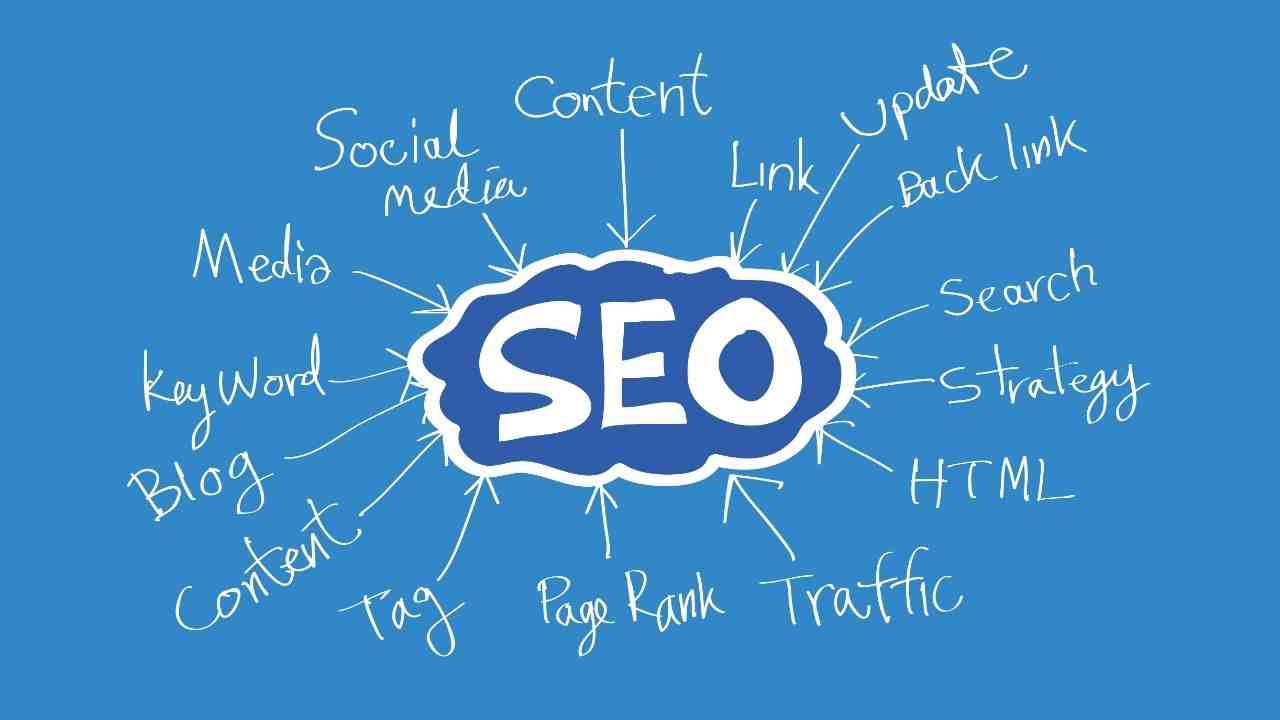
So, what is important when it comes to SEO?
Before I dive into the more technical aspects of SEO, I will answer the most frequently asked questions about SEO.
Is SEO Dead?
Our jobs are gone. You should just stop now.
I would argue that SEO is constantly dying over and over again. Think of it like Bill Murray in Groundhog Day.
Strategies that we have come to know and love are replaced by new and effective ones. SEO best practices die, and new ones are reborn.
So while it’s not dead, SEO is always changing. If you want to succeed in SEO, you have to be willing to roll with the punches.
What Is The Most Important SEO Factor?
There is no golden SEO factor that beats all others.
One of the most common answers you get in SEO is, “Well, it depends…”
This can be frustrating, but it is the truth.
I could go on, but I think you get the point.
How Long Does SEO Take To Work?
Only Google knows exactly how its algorithm works.
They release updates, and there are a few lists of the most crucial rating factors.
The truth is that SEO takes as long as it takes – which could be weeks or even months, depending on your strategy.
If someone else does something a little better, it can be removed from the SERPs.
What Is The Difference Between On-Page SEO & Off-Page SEO?
On-page SEO refers to changes you make on the site you own that have an impact on SEO.
For example, adding an XML sitemap to boost your SEO.
Off-page SEO refers to SEO strategies that take place outside of your website, such as building links to pillar content.
Link Building Is Hard – Can’t I Just Buy Links?
You can. You can also run your hand through a blender. No one will stop you. But it is often an ineffective SEO strategy.
Instead of buying links, I recommend starting with our link building guide.
SEO Factors That Rule Today & Beyond

Now that we’ve covered the basics, you’re ready to get your hands dirty.
Below, we’ll cover some of the most critical factors of SEO.
Keep in mind that SEO trends change constantly, and what works now may not work in a few months.
Relevant, High-Quality Content Wins
There are many technical SEO factors – site structure, anchor text, URL structure, etc.
Those details are important, but the backbone of SEO is high quality content. If you get this right, the rest of SEO will be much easier.
If you want to crack the first page on Google, you need relevant and well-optimized content that earns links.
What do we mean by high quality content?
Here are a few things to keep in mind when developing content:
In short, make sure all your content is written for humans first and optimized for Google second.
Metadata Matters
Metadata is the title and lines of text on the search results page.
For example, if you Google [who killed Carole Baskin’s husband], here is the metadata you will see:
Screenshot from search for [who killed Carole Baskin’s husband], Google, July 2022
Metadata tells the user what they can expect to find if they click on the page.
Optimizing your metadata is quite simple:
Think of metadata as advertisements for your content.
Why should users click? What can you tell them?
Use the meta to encourage clicks, which will drive traffic and lead to more business.
Links Matter, But…
Links have been a critical aspect of SEO for as long as Google has existed.
Links work as ‘votes’ which tell Google that other sites think your content is useful and relevant.
The more high quality relevant links you acquire, the higher your site is likely to rank for related key terms.
In short, links are still fundamental to SEO.
But, quality is more important than quantity.
If you invest in link building as part of your SEO efforts, target links from popular, topically relevant websites in your niche.
User Experience (UX) Impacts Rankings
User experience (UX) plays a substantial role in how well your website will rank on Google.
However, user experience depends on many factors such as infrastructure and site layout, content, etc., making it difficult to measure.
If you want to win at SEO, UX should be a top priority.
Here are a few best practices to follow:
As Google gets smarter, UX will likely play an even more important role in the future.
So now is the time to learn the basics and implement best practices on your site.
Mobile Matters More Than Ever Before
In 2018, Google moved to mobile-first indexing, which means that the search engine uses mobile versions of your site to rank your sites in their results.
Google’s move makes sense because more than 50% of traffic worldwide is generated by mobile devices.
First, Google suggests investing in responsive design. You want to make your content consistent across desktop and mobile devices and ensure your site loads quickly on mobile and desktop.
In short, you need to boost your mobile game or site to rank at the bottom of Google’s search results.
Don’t Ignore Voice Search
When it comes to voice, there is a lot of conflicting information out there.
Google said, back in 2016, that voice searches made up about 20% of all searches made in the Google app.
Today, more than a quarter of all Americans own a smart speaker. Yet 72% of marketers have no plans to optimize for voice search.
Is voice search important? It does.
Voice search has grown in popularity and will likely continue to do so. It shouldn’t be your #1 SEO priority, but it makes sense to start optimizing for voice search.
Many of the voice search optimization strategies also make sense for semantic search.
Here are a few steps to help optimize your site for voice search:
Voice search optimization isn’t a must right now, but voice search optimizations make sense for Google in general and can give you an edge in the future.
3 Tips For Actually Succeeding In SEO
There are two types of SEO tips: the technical stuff I covered above and the core SEO principles. The technical stuff will change, but these SEO tips stand the test of time.
If It Seems Shady, It Will Probably Burn You
You may have heard of black hat SEO, white hat, and gray hat.
Black hat SEO refers to practices that are totally against Google’s terms of service.
Like building 10 sites and interlinking them to make Google think your bitcoin sites are legit.
This is where the acronym PBN comes in.
Then there is a gray hat, which may not be technically wrong but walks a thin (grey) line.
White hat is on board, totally legit SEO. Some have argued convincingly that white hat is no longer a thing.
Many SEO professionals walk the gray hat line. And most of them burn.
To succeed in SEO, you have to do things the right way.
If something feels off – like buying or selling links – it will probably burn you out and torpedo your chances in the search.
Trust me. It is not worth the risk in the long run.
Read Real Experts
There are many SEO “experts”.
Some of them claim to get you to the top of page one on Google “guaranteed!”
Others don’t actually do SEO but write a lot about it. Make sure your sources are reputable.
Take everything you read with a grain of salt because nothing is universal.
What works for a tech e-commerce site won’t necessarily work for a restaurant supply store.
Keep an eye out for what comes straight from Google from the likes of John Mueller and Gary Illyes.
Test, Test, And Test Again
SEO is about determining what works for your site in your industry based on your unique landscape.
The only way to figure this out is to test – and keep testing repeatedly.
If you’re using shady tactics, all your work could go to waste if Google’s latest algorithm update changes things. But if you apply SEO best practices and test consistently, you can be prepared for when the winds change.
Testing is an eternal part of any successful SEO strategy.
Conclusion
Every SEO professional would love to find the magic formula that will catapult their sites to the top of the SERPs and keep them there forever.
Unfortunately, SEO doesn’t work like that.
There are rules and best practices, but the heart of SEO is figuring out what works for your site or client and then changing it when it stops working.
Featured Image: Paulo Bobita/Search Engine Journal
Introducing the 3 Stages of the SEO Tune-Up stage. Building stage. Expand-Out Stage.
Does SEO cost Money?
The average cost for project-based SEO services ranges from $1,000 to $1 million and more. Smaller companies using local SEO can spend around $1,000 per month per project. Larger enterprise-level companies can expect to pay millions of dollars per month.
Is Google SEO worth the money? There is no cost to appear in organic search results like Google, and making changes to improve your website’s SEO can have a huge impact on your search rankings over time. . Learn more about how Google organic search works and find tips for getting started here.
Is SEO a one-time cost?
It is worth noting that most SEO tactics require monthly attention, including link building and content marketing. SEO is not a one-time project; it needs to be constantly updated, analyzed and adjusted to deliver the desired results. The content and links must be updated and improved continuously.
How much does monthly SEO cost?
Average SEO costs are $100-$250 per hour for US SEO agencies. SEO costs often range from $2,500 – $10,000 per month for US agencies. The average SEO plan costs $2819 per month (per Ahrefs) Overseas SEO Companies can charge $10-$50 per hour.
How much does an SEO cost?
The average cost of SEO for small businesses is $750 to $2000 per month or $5000 to $30,000 for one-time projects. Smaller companies that invest in SEO consulting services can expect to pay $80 to $200 per hour.
Do you have to pay monthly for SEO?
If you are hiring a top SEO company to execute a local campaign, expect to pay $500.00 per month. A national or international campaign requires a minimum budget of $2,500 to $5,000 per month. Some firms offer a “trial package” at a lower price, without a contract.
How much does SEO services cost?
Average SEO costs are $100-$250 per hour for US SEO agencies. SEO costs often range from $2,500 – $10,000 per month for US agencies. The average SEO plan costs $2819 per month (per Ahrefs) Overseas SEO Companies can charge $10-$50 per hour.
How much does SEO cost for small business?
According to a survey of 1,200 business owners and more than 350 agencies, freelancers and consultants, the average cost of SEO for Small Businesses is $501-$1,000 per month globally. The average cost of SEO for small businesses in the United States is $2,501 to $5,000 per month.
How much does SEO cost per hour?
Hiring an experienced SEO freelancer or agency by the hour typically costs anywhere between $50-$150 per hour. Of course, you can find people who charge significantly less or more than this hourly rate. For example, this SEO hourly rate breakdown found that 6% of SEO providers charge more than $200/hour.
How much does SEO cost for a small website?
Prices range from $1,000 to $7,500 depending on complexity. Fixed Price Services: SEO agencies have a list of services they offer at a set price. Typical services are an SEO audit ranging from $500 to $7,500, social media site setup, between $500 and $3,000, or SEO writing, $0.15-$0.50 per word.
How can I do SEO for free?
The Best Free SEO Tools
- Bing Webmaster Tools. While Google Webmaster Tools gets all the glory, people forget that Bing Webmaster offers a full suite of website and search analytics. …
- Data Studio. …
- Improved Google Analytics Annotations. …
- Google Analytics. …
- Search Console. …
- Keyword Hero. …
- MozCast. …
- Beam Us Up.
Can SEO be done for free?
The Ahrefs SEO Toolbar is a free Chrome and Firefox extension that allows you to check for broken links, trace redirect chains and highlight nofollow links for any web page. It also generates an on-page SEO report that includes the web page: Title. Meta description.
Can I learn SEO by myself?
It is possible to learn how to do SEO on your own, you don’t need to be an SEO specialist or expert. The first thing you should do is to convince yourself that SEO is not difficult. If others can do it, so can you. All it takes is the willingness to learn and the time.
Can I learn SEO in 2 months? While it’s a career-long journey, you can actually learn SEO in about a month – enough to make a huge impact on your website and therefore your business as a whole.
How do I start learning SEO?
Here are the steps to teach yourself SEO in 6 steps:
- STEP 1 – Find a resource for beginners. …
- STEP 2 – Practice! …
- STEP 3- Find a Mentor. …
- STEP 4 – Join an SEO Group. …
- STEP 5 – Know what’s going on in the SEO world. …
- STEP 6 – Rinse and Repeat.
How long does it take to learn basic SEO?
It takes 1-3 months to learn the basics of SEO. The basics of search engine optimization can be understood and learned within 3 months, however, the more advanced concepts can take anywhere from 6-18 months. This is as long as you are consuming knowledge every day and learning from experts.
Is SEO course easy to learn?
Learning SEO is difficult because there is a lot of information to read about search engines and how the optimization process works, and it can be overwhelming at first.
What is the first step to start SEO?
Defining relevant keywords is the first step in creating search engine optimized website content. By using keywords and building your themes around them you will create content that gives answers to Google searches.
Can I learn SEO in a day?
If you can learn SEO for a few hours a day, then you can master the basics of SEO in 4-8 weeks and your first SEO job in 3-6 months. If you can learn SEO full time, then you can master the basics even within 1-2 weeks.
How fast can you learn SEO?
It takes 1-3 months to learn the basics of SEO. The basics of search engine optimization can be understood and learned within 3 months, however, the more advanced concepts can take anywhere from 6-18 months.
Is SEO course easy to learn?
Learning SEO is difficult because there is a lot of information to read about search engines and how the optimization process works, and it can be overwhelming at first.
Can You Learn SEO by yourself?
There is no better resource I have found as a starting place to learn SEO than The Beginner’s Guide to SEO from Moz. It’s free, and it starts to answer the most basic questions like “What is SEO?†Read the entire guide once and you’ll know more than the people who send you those SEO spam emails every day.
Which language is best for SEO?
JavaScript. If you are going down the road of web development, you want to be a better technical SEO, you want to understand how websites are built, JavaScript is an incredibly robust programming language that has increased in use on websites over the last few years.
Does language matter for SEO? Recommended Answers. There are situations when you want to optimize a website that is not in English. However, Google’s search algorithm has been designed to rank any website regardless of its language. Search Engine Technology is not dependent on any particular language.
What type of SEO is best?
White-Hat SEO White-hat SEO improves your search engine ranking on SERPs while regulating the integrity of your website with search engine terms of service. White hat SEO practices are the best way to create a successful website.
What are the 4 types of SEO?
Having cleared the approaches to search engine optimization, we can now go through what are the different types of SEO.
- On-page SEO (on-site SEO) …
- Off-page SEO (Off-Site SEO)…
- Technical SEO. …
- Local SEO.
Which one of the following is main strategy in types of SEO?
On-page SEO On-page SEO is the most common strategy that businesses focus on for their sites. Simply put, on-page SEO refers to changes you make to your site that have a positive impact on its performance. One of the most common on-page SEO optimizations is keyword optimization.
What language is SEO?
XML stands for “Extensible Markup Language” and is similar to HMTL using tags, elements, and attributes and was designed to both store and transport data, while HTML is used to display data. For SEO purposes, the most common use of XML is in XML Sitemap files.
What language should I learn for SEO?
SEO professionals are being encouraged to learn coding languages that can help them automate many of the tasks that are typically done manually. In particular, search marketers are being encouraged to spend time learning Python and JavaScript, among other coding languages.
What is SEO in plain English?
Search engine optimization (SEO) is the practice of getting targeted traffic to a website from organic search engine rankings.
Does SEO work in other languages?
Multilingual SEO is meant to explicitly target consumers and users where native language content is really important. International SEO, on the other hand, is not always multilingual. Your SEO strategy can be successful in multiple countries – if they share a language.
What words are good for SEO?
These 3 SEO institutions concluded these numbers as the best word count, for higher rankings:
- Yoast – Word count and SEO: 1.000.
- Search Engine Journal – What is the ideal blog post length: 1.900.
- Backlinko – We analyzed 11.8 million Google search results: 1.447.
What words should I use for SEO?
The best keywords for your SEO strategy will take into account relevance, authority and volume. You want to find highly searched keywords that you can reasonably compete for based on: The level of competition you are facing. Your ability to produce content that exceeds in quality what is currently ranked.
Is 500 words good for SEO?
The general industry consensus in 2018 indicates that web pages, blogs and articles should generally (though not always) be at least 300 – 500 words for the purposes of good SEO.
How many words are good for SEO?
Yoast SEO content analysis checks the text length of your post. We advise you to write more than 300 words for regular posts or pages, while product descriptions should be more than 200 words. Why? A higher word count helps Google better understand what your text is about.
How long does SEO take to learn?
It takes 1-3 months to learn the basics of SEO. The basics of search engine optimization can be understood and learned within 3 months, however, the more advanced concepts can take anywhere from 6-18 months.
Is SEO hard to learn? The answer is simple. Learning SEO is difficult because there is a lot of information to read about search engines and how the optimization process works, and it can be overwhelming at first.
How long does SEO take to work?
TIME OF SEO RESULTS “In general, websites can see results in 4 to 6 months.” – SEO mechanics. “Many SEO firms will tell you that it takes 4 to 6 months to start seeing results. That’s generally accurate, but keep in mind… SEO results grow over time.” – Forbes.
How many hours does SEO work? Estimated Time: About three to 12 hours per week, depending on the size of your site and if any problems arise.
How long does SEO take to deliver real results?
The quick answer is this: SEO takes time. Most digital marketing experts agree that a website should start seeing the first results from SEO within 6 to 12 months. Google itself states that it takes 4 to 12 months for a search engine optimization (SEO) consultant to achieve significant search success.
Are SEO results guaranteed?
Guaranteed SEO services are SEO services that promise a specific result – typically first page rankings for a certain number of keywords. A company that offers an SEO guarantee will promise you your money back, free SEO work for a certain amount of time, or another offer if they don’t get the targeted results.
Why does it take so long for SEO to work?
It requires a lot of observation and data collection as well. Because of the competition, SEO takes a while to get higher in the rankings. It can also be difficult to keep up with the competition due to the fact that they have been around for a longer time. If a website is still working in SEO, there are still many steps ahead.
How long does SEO take to implement?
It can take at least two hours for one blog post to rank; two weeks for a competitive landing page to rank; six months for a series of pages to rank, or more than a year for a brand new site to see SEO traction. The generic answer ‘4-6 months’ is exactly that, generic.
How long should SEO take to work?
You Should Expect To See Results From SEO Within 6 to 12 Months… SEO should show results within a period of 6 to 12 months. By results, we mean a measurable increase in traffic and associated leads or conversions.
How long does SEO take to Work 2022?
This is the quick answer on how long SEO takes to start working in 2022: At least 6 months. It takes a considerable amount of time to notice good results from your SEO efforts (if you did it right!). However, 6-12 months is the ideal time frame as you will see positive returns from your SEO strategies.
Why does it take so long for SEO to work?
It requires a lot of observation and data collection as well. Because of the competition, SEO takes a while to get higher in the rankings. It can also be difficult to keep up with the competition due to the fact that they have been around for a longer time. If a website is still working in SEO, there are still many steps ahead.
Why does SEO take so long to work?
It requires a lot of observation and data collection as well. Because of the competition, SEO takes a while to get higher in the rankings. It can also be difficult to keep up with the competition due to the fact that they have been around for a longer time. If a website is still working in SEO, there are still many steps ahead.
How long does SEO take to work?
TIME OF SEO RESULTS – In general, websites can see results in 4 to 6 months. – SEO Mechanic. “Many SEO firms will tell you that it takes 4 to 6 months to start seeing results. That’s generally accurate, but keep in mind … SEO results grow over time.†– Forbes.
Why does SEO take a long time?
SEO takes so long because there are several factors involved in achieving results: SEO keyword difficulty, competition, inbound links, and domain age. Therefore, SEO can take longer or shorter depending on how you approach these key areas of search engine optimization.
How to do an SEO SWOT analysis
For most organizations, implementing an effective SEO (search engine optimization) strategy involves collecting and analyzing significant amounts of keyword, content, analytics and competitive data from various sources.
SEO professionals must then use this data to prioritize keyword, content, structural and/or link tasks to solve problems or build on existing organic search authority.
A well-known prioritization method that works well to help focus attention and often maximize limited SEO and marketing resources is the SWOT (Strengths, Weaknesses, Opportunities, Threats) framework.
A SWOT, by definition, is geared to help identify items with the greatest potential impact on growth – or the most dangerous threats.
The following breakdown of organizational SEO priorities assumes that keyword research has already been conducted and is being used for the website, SERP (Search Engine Results Page), and competitive data that will form the basis of an effective SWOT.
Keyword research alone often deserves its own SWOT process.
Strengths

One of the primary factors search engines use to determine your organic search visibility is an organization’s relative strength and authority for a current group of keywords.
Identifying the keywords for which the organization already has some authority – or what some like to call “momentum” in the eyes of the search engines – is an excellent place to start focusing your attention.
Authority is generally hard to find and takes time to establish, so why not build on what you already have.
Your first question should be, “Which pieces of content do I have that rank well (let’s say in the top 20 results) in the search engines for my primary keyword groups?”
Recognizing where you have existing strength can be leveraged in three ways:
Searchers who land on your website looking for something specific will spend more time clicking or searching again to find the exact answer to their question.
Identify the pages you have that provide answers and focus on getting them to usurp the position currently held by the website.
If you determine that such pages do not exist, it is time to create them.
Be sure to also pay attention to the types and characteristics of your strongest pieces of content as cues for what content to create next.
For example, if you have videos that rank well on Google and/or YouTube, at least make more videos.
If long blog posts dominate the top of the search results for your primary keywords, this is your bet to publish and share more of the same.
Weaknesses

We all have our weaknesses; when it comes to SEO, recognizing and admitting them early can save us a lot of effort, time, money and lost business.
Keywords And Content
While there are undoubtedly keyword groups we feel we need to be found for, it’s important to let go of those that will take too much time and/or effort to establish authority for.
Generally, a quick review of search engine results will reveal keywords that are out of reach based on your competitors’ size, age, reputation, and content quality.
In this case, it may be necessary to look at the more specific long-tail and intent-driven keyword alternatives or consider other options (including paid) to generate visibility, traffic and conversions.
Sometimes the best strategy is to employ supplemental paid search tactics until you can establish organic search authority.
Technical Audit
Another area of weakness that you can easily control more, perhaps the quality of your own website and content from a technical/structural, keyword relevance or depth perspective.
You can begin to identify areas of weakness by performing an SEO audit.
There are several excellent free and paid tools available, including Google Lighthouse and Search Console (specifically the Core Web Vitals Report and Mobile-Friendly Test), which will provide a prioritized list of issues and/or errors found in title and heading tags, internal and external links, website code, keyword usage/density and a myriad of mobile-friendly factors.
Screenshot of Lighthouse in Chrome Dev Tools, July 2022
As mentioned above, you should start by focusing on and fixing any issues found on the pages that you already have some authority on based on search engine results.
Optimizing these pages can only help improve their chances of moving up the SERPs.
You can move on to other priority web pages based on site analytics data or strategic importance.
Backlinks
Organically obtained, relevant, high-quality backlinks (also called inbound links) are still a search engine ranking factor as they speak to and can strengthen the authority of the site to which they link.
As with auditing websites, many good third-party backlink tools can reveal where you maintain backlinks. These are especially useful for looking at the backlink sources of your strongest known competitors.
Where appropriate, reach out to get links from the same relevant sources to leverage their authority.
Opportunities

There are plenty of opportunities in SEO for those who know how, where and who take the time to look.
SEO is really about moving from one opportunity to the next.
When optimization is deemed successful for one group of keywords or pieces of content, it’s time to move on to the next topic where authority can be established or reinforced.
Keywords And Content
Several keyword research tools like Ahrefs, Semrush, and others can discover both keyword and content opportunities or gaps based on providing your website domain, the domains of your known competitors, or a targeted list of keywords.
Most provide prioritized lists of potentially valuable keywords based on estimated monthly search volumes, organic traffic and/or relative competition.
In other words: What high value keywords are your competitors ranking for that you are not?
As with the weaknesses above, part of this analysis should consider the level of effort required to achieve authority versus the potential return of establishing ecological visibility.
Screenshot of Semrush Keyword Gap tool, July 2022
Or, spend some time simply reviewing the primary pages of your biggest competitors, paying particular attention to the keywords used in title tags, headings, and internal link anchor text.
These are probably the keywords that mean the most to them.
Be careful though, as this strategy assumes that the competition has done their own keyword research and followed SEO best practices, which may or may not always be the case.
Focusing on the competitors who rank well for your primary keywords should highlight those who are consciously optimizing for search.
Content Refresh
Another option within a web presence is the update of top performing or complementary content.
First, scan the SERPs or a preferred keyword tool to identify legacy content that ranks for target keywords or serves to support other primary content pages.
Then review this content to see where there might be opportunities to update text, images, internal/external links, or other components.
Perhaps there is an opportunity to improve the piece by creating and adding images or videos.
Finally, re-share this content through appropriate channels and perhaps consider identifying new avenues – as a previously popular piece of content is likely to perform well again.
Existing content provides an excellent opportunity to build authority, often with just a little extra effort.
Backlinks
While typically a manually intensive process, there is long-term value in seeking out backlinks.
Ideally, you want to identify relevant, authoritative websites/domains from which high-quality inbound links can be obtained.
There are several sources you can use to start looking for inbound links:
The SERPs for your primary keywords are a natural starting point for backlink research, as the websites found here are by definition considered “relevant” and “authoritative” by the search engines.
Of particular interest are the sites that rank ahead of yours because they probably have higher authority that you can piggyback on.
Look for any non-competitive backlinking opportunities such as directories, association listings, or articles and blog posts that you may be able to contribute to, be mentioned in, or comment on.
The Google Search Console Links report is the second best resource for backlink research, as it lists what Google recognizes as the domains linking to your content.
Here you can validate the quality and accuracy of the links you already have, as well as determine if there are other opportunities to get additional links from the same domains.
Referral sources in Google Analytics represent external websites that send you traffic but may or may not provide an organic search boost.
Review these domains/websites regularly for other link opportunities.
4. As mentioned under Weaknesses, several third party backlink tools can be used to identify potential backlink sources where links to your competitors can be found.
Some will even help by authority ranking and prioritizing the value of each existing and potential source, which can save significant time.
Threats

Whether done on purpose or not, there are more than a few things that can threaten organic authority in the eyes of search engines and should be prioritized to avoid potentially damaging penalties.
Content
The primary content threat most people are familiar with is duplicate content, which, as the name suggests, is content that is reused on a website without proper attribution to the original source.
To avoid being penalized for using this type of content, be sure to include rel canonical tags by referencing the source content in the headers of pages containing the duplicate content.
In other words: It’s okay to have some duplicate content on a website as long as the original source is properly identified.
Backlinks
While high-quality relevant backlinks can help increase your authority, low-quality irrelevant inbound links from sites that are not reputable (especially those that are part of paid link schemes) can do long-term damage and even get you tagged with a manual penalty.
The threat here is a potential loss of organic visibility and traffic.
Furthermore, recovering from a manual penalty is not an easy or quick process.
In short, you should never pay for backlinks and ensure that any backlinks you acquire have not been purchased on your behalf by a third party, like a marketing agency.
As such, you should regularly review the Google Search Console links report or other backlink reporting sources for questionable domains or those you do not recognize as relevant.
Competitors
All online competitors who create their own content represent threats to your authority.
Even if you maintain strong organic visibility and traffic relative to your “known” competitors, there is always the potential for new, aggressive or unknown competitors to enter the field.
Many of the aforementioned SEO tools provide competitor discovery tools to quickly identify domains that consistently appear in search results for your primary keywords.
Often there may be competitors here that you have never considered. Naturally, you will want to pay attention to these competitors and use the tactics mentioned above to see what you can learn from them.
Search engines love and reward fresh, relevant content, and Google even has a freshness algorithm to identify it.
As such, you should regularly monitor search engine results for new entrants, which may challenge your authority and position over time.
Of course, the best way to combat this type of threat is to continue to publish and update your own extensive content, which will give search engines less reason to question your authority.
Actioning On The SWOT

The detailed SWOT outputs will map priority actions to protect and/or improve online authority, visibility and resulting traffic, leads and revenue.
Proactive search marketers should perform these analyzes on at least a semi-annual, if not quarterly, basis, depending on how competitive the industry is and how active competitors are.
A well-structured SWOT can provide an excellent roadmap for where, when, and how often to act or create and share content to boost your organization’s primary SEO goals.
Featured Image: Rawpixel.com/Shutterstock
What are the 4 steps of SWOT analysis?
SWOT analysis – A step by step guide
- First, determine the strengths of your business.
- Second, Determine the weaknesses of your business.
- Third, Determine the opportunities for your business.
- Fourth, determine the threats to your business.
- Act on your SWOT analysis.
- In conclusion,
What are the four types of strategies in SWOT matrix? The Strengths-Weaknesses-Opportunities-Threats (SWOT) Matrix is an important matching tool that helps managers develop four types of strategies: SO (Strengths-Opportunities) strategies, WO (Weaknesses-Opportunities) strategies, ST (Strengths-Threats) strategies, and WT strategies (weaknesses-threats).
What are the three steps of SWOT analysis?
A. to identify the company’s resource strengths and weaknesses and its opportunities and threats, draw conclusions about the company’s overall situation and translate the conclusions into strategic actions to improve the company’s strategy.
What are the 3 C’s impacted by SWOT analysis?
This method makes you focus your analysis on the 3Cs or the strategic triangle: the customers, the competitors and the company. By analyzing these three elements, you will be able to find the Key Success Factor (KSF) and create a sustainable marketing strategy.
What are 3 major benefits of a SWOT analysis?
address weaknesses. deter threats. take advantage of opportunities. utilize your strengths.
What are the 2 types of SEO?
So the different SEO types are: Technical SEO. On-Page SEO. Content SEO.
What are the different types of SEO? The three types of SEO are: On-page SEO – Everything on your web pages – Blogs, product copy, web copy. Off-page SEO – Anything that happens away from your website that helps your SEO strategy backlinks. Technical SEO – Anything technical done to improve search rankings – site indexing to help bot crawl.
What is SEO onpage and Offpage?
On-page SEO refers to SEO factors and techniques focused on optimizing aspects of your website that you have control over. Off-page SEO refers to SEO factors and strategies that focus on promoting your website or brand around the web.
What is SEO Onpage?
On-page optimization (AKA on-page SEO) refers to all actions that can be taken directly on the website to improve its position in the search rankings. Examples of this include measures to optimize the content or improve the meta description and title tags.
What is Offpage in SEO?
“Off-site SEO” (also called “off-site SEO”) refers to actions taken outside of your own website to influence your rankings on search engine results pages (SERPs). Along with on-page SEO, these include several of the factors of basic SEO that help a website rank.
What is the on-page & off-page SEO process?
On-page SEO includes providing good content, good keyword selection, putting keywords in the right places, giving a suitable title for each page, etc. Off-page SEO includes link building, increasing link popularity, search engine, link exchange, etc. 2. On-page SEO will analyze the entire website.
What is the purpose of SEO?
The SEO process aims to increase a company’s organic search results, which drives organic search traffic to the website. This enables data marketers to distinguish between traffic coming to a website from other channels – such as paid search, social media, referrals and direct – and organic search traffic.
What is SEO and how does it work? Well, SEO stands for ‘Search Engine Optimization’ which is the process of getting traffic from free, organic, editorial or natural search engine results. It aims to improve your site’s ranking on search results pages. Remember, the higher the website is listed, the more people will see it.
What is SEO in simple terms?
SEO stands for search engine optimization, which is a set of practices designed to improve the appearance and ranking of web pages in organic search results.
What is SEO in easy language?
SEO stands for “search engine optimization.” Simply put, it means the process of improving your website to increase its visibility when people search for products or services related to your business in Google, Bing and other search engines.
What is SEO give an example?
Businesses look to search engine optimization, or SEO, to help gain more awareness and to make their business rank higher in a search engine. SEO is used through search engines like Google, Yahoo, MSN, Bing, etc.
What is SEO in digital marketing?
SEO stands for Search Engine Optimization and is the process used to optimize a website’s technical configuration, content relevance and link popularity so that its pages can become easily accessible, more relevant and popular in relation to users’ search queries and, as a consequence, search engines rank them better.
What is SEO in simple words?
SEO stands for search engine optimization – so much has remained the same. It refers to techniques that help your website rank higher on search engine results pages (SERPs).
What is SEO and examples?
Off-page SEO refers to actions that you can take outside of your own website to increase its ranking, such as link building or guest blogging. There are also two styles of SEO: White Hat and Black Hat SEO. White hat SEO is based on using ethical, transparent techniques to build your pages’ rankings.
What is Internet SWOT analysis?
SWOT analysis of Internet Explorer analyzes the brand according to its strengths, weaknesses, opportunities and threats. In Internet Explorer SWOT analysis, the strengths and weaknesses are the internal factors, while opportunities and threats are the external factors.
What does SWOT analysis explain? SWOT analysis is a framework for identifying and analyzing an organization’s strengths, weaknesses, opportunities and threats. These words make up the SWOT acronym. The primary goal of SWOT analysis is to increase awareness of the factors that go into making a business decision or establishing a business strategy.
What is a SWOT analysis social media?
SWOT in SWOT analysis stands for strengths, weaknesses, opportunities and threats. Understanding how to identify each of these areas will help you strengthen your overall social media strategy.
What is the SWOT analysis for Facebook?
A SWOT analysis of Facebook means examining the strengths, weaknesses, opportunities and threats that affect the company. It currently remains the king of social media with over 2 billion monthly active users, despite repeated controversies over the past year.
What is SWOT analysis and examples?
SWOT stands for Strengths, Weaknesses, Opportunities and Threats. Strengths and weaknesses are internal to your business – things that you have some control over and can change. Examples include who is on your team, your patents and intellectual property rights, and your location.
What are examples of SWOT threats?
Examples of threats for a personal SWOT analysis might include increased competition, lack of support, or language barriers. Examples of threats to businesses may include economic downturns, increased taxes, or the loss of key employees.
What is an example of a strength used in a SWOT analysis?
1. Technological advantage. If you have a technological advantage over any other competitor, that is a great strength for you. The best technology leaders of the century each have a technological advantage over the other.
What is the SWOT analysis of online business?
A SWOT analysis is a technique for finding out the internal and external factors that make a business successful or not. In other words, it is a tool for analyzing in detail how your webshop is performing in order to design a long-term strategy.
What are the SWOT Opportunities examples?
Examples of opportunities for a SWOT analysis might include training, internships or career moves. Examples of opportunities for businesses include market growth, new technologies or new investments.
What is the strength of online business?
E-business gives you and your customers access 24 hours a day, seven days a week. You can link your online order entry component to a real-time inventory tracking program, and your customers can place orders with up-to-date information at any time of the day or night.
What is SWOT analysis in digital marketing?
A SWOT analysis is a framework used by marketing teams to identify their internal strengths and weaknesses and the external factors that could affect the way their organization runs. There are four components that make up a SWOT analysis: Strengths. Weaknesses. Options.
What is the most important part of the SWOT analysis?
Evaluate Strengths and Weaknesses The first is the analysis of strengths and weaknesses. This part is the opportunity to look internally at what the organization is doing well and identify the areas where improvement is needed. You can direct this to a specific initiative, process or the organization as a whole.
What is the importance of SWOT analysis essay? SWOT analysis is a simple but useful framework for analyzing your organization’s strengths, weaknesses, opportunities and threats that you face. It helps you focus on your strengths, minimize threats and make the most of the opportunities you have.
What information is important to add to a SWOT?
The four points in a proper SWOT analysis are strengths, weaknesses, opportunities and threats. Strengths and weaknesses focus internally on the business being evaluated, while opportunities and threats look at competition and things going on externally.
What are the 4 terms in a SWOT analysis?
SWOT stands for Strengths, Weaknesses, Opportunities and Threats, and therefore a SWOT analysis is a technique for assessing these four aspects of your business.
What is SWOT analysis used for?
A SWOT analysis will help you identify areas of your business that are performing well. These areas are your critical success factors and they give your business its competitive edge. Identifying these strengths can help you ensure you maintain them so you don’t lose your competitive edge.
What is a SWOT analysis example?
Examples include competitors, prices of raw materials and customer shopping trends. A SWOT analysis organizes your best strengths, weaknesses, opportunities and threats into an organized list and is usually presented in a simple two-by-two grid.
What are the two important factors in SWOT?
A SWOT (Strengths, Weaknesses, Opportunities and Threats) analysis looks at internal and external factors that may affect your business. Internal factors are your strengths and weaknesses. External factors are the threats and opportunities.
What are the 2 factors of SWOT?
Basically, a SWOT analysis is an examination of the internal and external factors that affect the organization and its strategies. The internal factors are strengths and weaknesses; the external factors are opportunities and threats.
What is the important element of SWOT analysis?
In a nutshell, a SWOT analysis gives you a bird’s eye view of the current situation in an organization. The most important factor in a SWOT analysis is the quality of data. Therefore, it is important to accurately capture the strengths, weaknesses, opportunities and threats.
Search engine optimization and the growing market worldwide – This is Ardee
With a focus on the Global Search Engine Optimization Market and overall market expansion and trends for 2022-2030, research.xyz reports on the major trends and current market trends. There are revenue forecasts for Search Engine Optimization and in the period 2022-2030 (2022 is used as the starting point and 2030 as the forecast period). Additionally, the study provides the average growth rate (CAGR) for the projected period.
A comprehensive examination of Search Engine Optimization is expanding worldwide and has been conducted on a single analytical basis” These technologies help analysts to further present their findings by integrating secondary data.
DOWNLOAD FREE REPORT: researchreports.xyz/Request-For-Sample-Report?/Search-Engine-Optimization-and&id=185
Major Players Covered in Global Search Engine Optimization Market Report:
Acquisio, Adobe, Ahrefs, AWR Cloud, Bing, DeepCrawl, Google, Kenshoo, KWFinder.com, LinkResearchTools, Majestic, Marin Software, Moz, ReachLocal, SE Ranking, Search Engine Optimization, SEMrush, SEO Book, Sizmek, SpyFu, Provider and WordStream Advice
Sections covered by the report:
Region by Type- Search Engine Optimization- Search Engine Marketing Segment by Application- SMEs- Large Enterprises
Social media statistics from companies, corporate charters, and investor presentations are among the most reliable sources of Search Engine Optimization and research cited by experts. Also included are state publications and administrative records as well as industry Professional Papers in the national market research for Search Engine Optimization and analysis.
Search Engine Optimization and research is based on key areas of the industry, including
North America (USA, Canada and Mexico)
Europe (Germany, France, United Kingdom, Russia, Italy, and Rest of Europe)
Asia-Pacific (China, Japan, Korea, India, Southeast Asia, and Australia)
South America (Brazil, Argentina, Colombia, and Other South America)
Middle East & Africa (Saudi Arabia, UAE, Egypt, South Africa, and the rest of the Middle East & Africa)
FULL ARTICLE: researchreports.xyz/Report-Overview-And-Details?/Search-Engine-Optimization-and&id=185
For more information on positioning itself as a brand, the major market players have been identified as defined. In this report, prominent market participants discuss their company’s reputation, technology situation, financial situation, and SWOT analysis.
Free Custom Search Engine Optimization and Reporting:
This report can be customized to meet the client’s needs. Please get in touch with our sales team ([email protected]), who will ensure that you get the report that best suits your needs. You can also contact our leaders to share your findings.
researchreports.xyz is a global market research and consulting service provider specializing in providing a wide range of business solutions to their clients including market research reports, primary and secondary research, demand forecasting services, organizational analysis focus and other activities. We understand how important information is in today’s competitive environment and thus, we have partnered with leading industry research providers who are continuously working to meet the growing demand for market research reports every year. .
Carl Allison (Head of Business Development)
Email: [email protected]
Website: www.researchreports.xyz
The Best Search Engine Optimization Software to Increase Your Online Brand Value in 2022, According to User Data SoftwareReviews USA – English – USA – English
, /PRNewswire/ – SoftwareReviews, a leading source of software industry insights, has published its 2022 Search Engine Optimization Index, naming five providers as Gold Medalists. Digital presence and online brand value has become an important part of 2020 through 2021 as it helps companies gain traction, improve visibility, and generate leads during a major online trend. However, organizations should also adopt SEO software and tools to help them create valuable content, focus on their target audience, and strategize the intent of their users.
User intent is the current trend in SEO. In order to rank as one of the key players in Google or other semantic search engines, organizations must create contextual content for their target audience. The context of that content should match user intent or what users are looking for to provide maximum value.
SEO tools are an important asset for marketing leaders to ensure the visibility and relevance of their online and digital presence. SEO tools measure key indicators around websites that can drive more traffic to sites. This includes KPIs for website speed, usability, and identifying and optimizing keywords in search engine results to improve rankings.
To maximize brand value in 2022, organizations need to choose the best SEO software and tools to improve their competitive edge.
The top providers of Search Engine Optimization in 2022 have been identified based on survey data collected from 677 user reviews. These providers received high scores in Quadrant Data Software Reviews.
Providers are rated on a composite satisfaction score, called the Composite Score (CS), which is an average of four rating areas: Net Emotional Image, Seller Capabilities, Product Features, and Likelihood to Recommend.
The Gold Medalists for Search Engine Optimization in 2022 are as follows:
SoftwareReviews’ comprehensive software reviews provide the most accurate and detailed view of a complex and ever-changing market. The information comes from real users who use the software day in and day out and IT professionals who have worked closely with its acquisition, implementation, and maintenance.
To compare and rate Search Engine Optimization software providers using the most in-depth and unbiased analysis reports available, visit the dedicated section of SoftwareReviews.
For more information about SoftwareReviews, the Data Quadrant, or the Sentiment Track, or to find resources to support the software selection process, visit softwarereviews.com and connect on LinkedIn, Twitter, and Facebook.
SoftwareReviews is the most in-depth source of buyer data and insight into the business software market. By collecting customer experience data from business and IT professionals, the SoftwareReviews process produces detailed and authentic insights into the experience of evaluating and purchasing business software.
Is Ahrefs or Semrush better?

Advantages of Semrush over Ahrefs If you think you do a lot of backlink or keyword research every day, then Semrush is more valuable than Ahrefs. Semrush offers a lot of information related not only to SEO, but also to PPC – if you want a tool that covers both areas, it’s a better option than Ahrefs.
Why is Ahrefs good? Ahrefs is often used to analyze website links, keyword rankings, and SEO health. You can also use Ahrefs to do keyword research on Google, YouTube, and Amazon. And many people use Ahrefs to find well-done content (in terms of social shares and/or links) on a given topic.
Is Ahrefs the best SEO tool?
| SEO tools | Total Reference Sites |
|---|---|
| Ahrefs | 49,087 |
| Semrush | 49,454 |
Which is best Semrush or Ahrefs?
Both Ahrefs and Semrush are about equal in terms of accuracy, but Semrush has a slight edge because it returns more often. Ahref and Semrush data are generally consistent and even, but Semrush will give you a view of changes in real time.
Which SEO tool is most accurate?
The 18 Best SEO Tools That SEO Experts Actually Use in 2022
- Google Trends: SEO Check Tool.
- SEOQuake: Free SEO Tool.
- Siteliner: SEO Analysis Tool.
- Fat Rank: An SEO Tool.
- Keywords Everywhere: The SEO Keyword Tool.
- Screaming Frog: Online SEO Tools.
- Serpstat: All-in-one SEO platform.
- Bonus tool: Incognito.
What is a better SEO tool than Ahref in 2021?
If you think you do a lot of backlink or keyword research every day, then Semrush is much more valuable than Ahrefs. Semrush offers a lot of information related not only to SEO, but also to PPC – if you want a tool that covers both areas, it’s a better option than Ahrefs.
Is Ahref better than Semrush?
Both Ahrefs and Semrush are about equal in terms of accuracy, but Semrush has a slight edge because it returns more often. Ahref and Semrush data are generally consistent and even, but Semrush will give you a view of changes in real time.
Is there anything better than Semrush?
One of the best free Semrush alternatives is Google Keyword Planner. Using the tool, you can find keywords for products, domains, or services. You can also use the tool to ideate your SEO campaign. You can even get historical data such as monthly average searches and perform competitor analysis.
How accurate Ahref is?
This study itself was inspired by the good people at AuthorityHacker. They recently conducted a study comparing the search quality of search metrics for six different SEO tools. In their study, Ahrefs came out as the winner (with an average difference of 22.5% and 0.99 in the GSC database).
What is better than Semrush?
Top SEMrush Competitors and Alternatives
- Evaluation of SE. †SE Ranking is an all-in-one SEO software that promises to make your life easier when it comes to optimizing your website’s SEO strategy. …
- SEO PowerSuite. …
- Webmaster…
- Serpstat. …
- GrowthBar. …
- Ahrefs. …
- Moz Pro. …
- SpyFu.
Is Semrush the best SEO tool?
I have to say Semrush is the overall winner in the “good style†department. Honestly, both Ahrefs and Semrush have their own features that no other tool has. But the unique features of Semrush (especially their full PPC programs) are a must if you are running a Google Ads campaign along with SEO.
What is Semrush competitor?
Semrush’s top competitors are: Ahrefs. Moz Serpstat.
Is SpyFu better than Semrush?
Final Verdict: Semrush vs SpyFu Semrush is a more objective SEO tool while SpyFu is more focused on competitor analysis. But based on my analysis, even from the point of view of competitive intelligence, Semrush is a superior tool.
What is Ahrefs in SEO?

Ahrefs.com is an all-in-one SEO tool, with free educational resources and a community & enthusiastic support. At the moment we stand out from the crowd of other similar services with the largest base of Live links, the largest Index, and the best speed of index updates.
Is Ahrefs a keyword tool? Ahrefs is the only tool that shows the estimated number of clicks for keywords.
What is Ahrefs used for?
It uses crawling software to recreate your site as the search engines see it. This helps you better understand your site to optimize it for search engines. When you use Ahrefs, you’ll get a dashboard that helps you keep track of all your data. All you need to do is add a URL to keep your site healthy.
What data can you get from using Ahrefs?
What information can I find on Ahrefs?
- Referral sites: Information about specific websites that refer to the target, which you choose. …
- Backlinks: Information about links to other websites that point to the target you choose. …
- Metrics: Stats, such as the number of backlinks, referring pages etc., for the target you choose.
Can I use Ahrefs for free?
Ahrefs Webmaster Tools is 100% free and gives you access to all of their amazing data, for any website you own. Why is this important? Because such information allows you to make smart decisions to improve your search. I will also show you 7 practical ways to use Ahrefs Webmaster Tools later.
Is Ahrefs a software?
The main thing Ahrefs does is to back their program with amazing performance on their blog and YouTube channel. Ahrefs enables us to optimize all our SEO efforts.
What is Ahrefs data?
Ahrefs boasts the world’s largest directory of direct backlinks. We update with new information every 15-30 minutes. We use backend data to calculate our unique metrics: Ahrefs Rank, Domain Rating and URL Rating. Domains (after filtering) Index pages.
What data can you get from using Ahrefs?
What information can I find on Ahrefs?
- Referral sites: Information about specific websites that refer to the target, which you choose. …
- Backlinks: Information about links to other websites that point to the target you choose. …
- Metrics: Stats, such as the number of backlinks, referring pages etc., for the target you choose.
What is a Ahrefs report?
Ahrefs Reporting for Agencies Report backlinks directly to Ahrefs for every client, along with all your other SEO and digital marketing channels! Share everything with a custom and intuitive interface, and stop logging in and out of countless sites every day.
What is Ahrefs in digital marketing?
Ahrefs is one of the tools used by the SEO and Digital Marketing industry. The purpose of the tool is to link profile analysis. With its help, you can gather all the important information about the redirection and, at the same time, the parameters of the network and the quality of the links.
What is an Ahrefs page?
Ahrefs Site Explorer: A Competitive Analysis Tool for SEO. Ahrefs. Equipment. Dashboard Get a high-level view of all your projects and monitor their SEO performance and progress.
What is SEO Ahrefs blog?
Blog SEO is the process of writing and optimizing blog content to rank in search engines like Google. Common tasks associated with blog SEO include keyword research, content writing, on-page SEO, and link building.
What is Ahrefs keyword?
Keyword Research Guide Keyword Research: A Beginner’s Guide to Ahrefs. Keyword research is the process of finding the keywords you want to rank for in the search engines. It’s about understanding what customers are looking for and why.
What is Ahrefs in digital marketing?
Ahrefs is one of the tools used by the SEO and Digital Marketing industry. The purpose of the tool is to link profile analysis. With its help, you can gather all the important information about the redirection and, at the same time, the parameters of the network and the quality of the links.
How can I check traffic to my website for free?

These are the best tools that you can use to check any website traffic for free.
- SEMRush
- Sitechecker Pro.
- SERanking
- Similar network
- Network administrator
- SerpStat
- UberSuggest
How accurate is Ahrefs?

Ahrefs was the next most accurate, underestimating the total of all sites by 17% (11.1m estimated visits compared to 13.4m actual visits), and an average 36% reduction in traffic.
Which is right Semrush or Ahrefs? Both Ahrefs and Semrush are about equal in terms of accuracy, but Semrush has a slight edge because it returns more often. Ahref and Semrush data are generally consistent and even, but Semrush will give you a view of changes in real time.
Is Ubersuggest better than Ahrefs?
Ahrefs has good data for top-level and basic keywords, but Ubersuggest is much, much better when it comes to long-tail keywords and content suggestions.
What is better than Ubersuggest?
Ahrefs is the best alternative to Ubersuggest for you if you are looking for informative results with a clear focus on backend analytics. Home to the largest backlink directory available, Ahrefs has over 22 trillion backlinks. The platform also has the second most active web crawler after Google.
Is Ubersuggest a good tool?
Our judgment. Ubersuggest has gone from being a laughingstock to being one of the best value SEO tools you can find today. It has a great and efficient database, the link data is clearly usable, and the competitor research is really good.
Is Ubersuggest better than Semrush?
First, Ubersuggest is simpler and cheaper. It provides you with all the basic SEO tools like site audit, link analysis, and keyword research. The free version is much smaller than SEMrush, too. However, SEMrush has additional marketing features to improve the company’s social media, PPC, content, and PR.
Is Ahrefs good for keyword research?
Use the Ahrefs Keyword Explorer tool to discover more keywords to target. Just enter one or more keywords in the search box and find thousands of relevant and relevant recommendations.
Is Ahrefs keyword research tool?
Get keyword ideas, all day Find relevant keywords from our database of over 8 billion queries. Just enter up to ten words or phrases and choose one of the six key idea reports.
How do you use Ahref for keyword research?
Just enter the desired URLs into the tool and it will generate a list. Use the Ahrefs Keyword Explorer tool to discover more keywords to target. Just enter one or more keywords in the search box and find thousands of relevant and relevant recommendations.
Is the keyword magic tool free?

That’s why it’s so exciting that they offer a budget-friendly solution called Keyword Magic Tool. At the click of a button, you can use this free tool to find over a million keyword suggestions for just one keyword.
Is Keyword Dominator Tool Free? Yes, it’s really free. Save countless hours on keyword research by quickly finding keywords on the most popular search engines and e-commerce marketplaces. KTD’s free key tools are available for Amazon, Bing, eBay, Etsy, Google, Google Shopping, Walmart, and YouTube.
Is Ahref free?
Joining here gives you access to Ahrefs Webmaster Tools (AWT), our answer to the limitations of Google Search Console. It’s free.
What is Ahref?
Ahrefs is an SEO software tool that includes tools for link building, keyword research, competitive analysis, rank tracking and site analytics. Most of the features in Ahrefs are designed for marketing professionals. In short: Ahrefs is a popular SEO tool that people use to get higher rankings in Google.
Is Ahrefs worth the money?
Solid Data: A tool like Ahrefs is only as good as its data. Whether it’s search volume, referrals, rankings or social shares, the data on Ahrefs is REALLY good. Best Site Audit Tips: I find the Ahrefs site audit tool to be one of the best out there. And even equal to the equipment that specializes in site calculations.
Is there a free keyword tool?
The Keyword Tool is a free research tool that uses Google Autocomplete to generate hundreds of long-tail keywords for any topic. Google Autocomplete is a feature used in Google Search. Its purpose is to speed up the search that users make on Google.
How can I use Google keyword tool for free?
To open Google Keyword Planner, click Tools & Settings in the upper right corner. Then from the drop-down menu, select Keyword Planner under Planning. You will then see two options: Discover new keywords – This option gives you new keyword ideas that you can use to increase traffic to your website.
Is there a free keyword research tool?
Google Keyword Planner is a free research tool. However, keep in mind that if you haven’t already spent enough money on a Google Ad campaign, your search volume analysis will be limited to numbers (instead of accurate metrics).
Is keyword Planner tool free?
Keyword Planner helps you research keywords for your search campaign. You can use this free tool to discover new keywords related to your business and see the search metrics they get and the cost to target them.
Why Local SEO is the Key to Business Success
The opinions expressed by Podjetnik’s employees are their own.
While globalization has fundamentally changed the market, many companies begin to build their success by selling to local customers. The Yellow Pages may once have been a business necessity, but they have been taken over by online search engines. Therefore, local search engine optimization (SEO) has become one of the most important keys to business success, regardless of the location or size of the company.
What is local SEO?

Search engine optimization has become an integral part of marketing for businesses that depend on website traffic. Optimizing your content from search engines like Google helps your website rank high in search results, making it more likely that consumers will visit your website and engage with your brand.
Local SEO is simply an SEO strategy that aims to improve search results in a specific geographic area. If your business relies on online and offline customers in a specific geographic area, local SEO can be the key to your business’s survival and success.
Related: Having trouble with local search? Here’s what your local SEO strategy needs to be competitive in 2022.
The value of local SEO

Google alone processes an impressive 8 billion searches every day, and more importantly, nearly 50% of all Google searches come from people looking for local products and services. If you don’t have a local SEO strategy for your business, you will lose valuable web traffic. Local business owners simply cannot ignore an opportunity of this magnitude.
Local SEO is important for online businesses and for businesses that want to attract visitors. A few decades ago, consumers might have looked for local businesses in the yellow pages or on a map. Today, they use search engines to find contact information, location, business hours and other company details.
Before the Covid-19 pandemic, about one in two searches for businesses near me led to a store visit. If they searched on a mobile device, the numbers were even more compelling. Almost 90% of these inquiries were followed up by a call or visit to the business within a day.
Any business that relies on local customers cannot afford to miss out on the opportunities that local SEO can provide.
Related: 7 Weaknesses Local Businesses Face Online (And How To Overcome Them)
Utilize local SEO and work with Google to improve rankings

Marketers and business owners have a number of options to increase their visibility with local SEO. Is your brand looking to improve rankings or improve conversions and sales?
It’s fair to say that conversions are more important than ranking, but if a business isn’t listed on the first page of results, conversions will naturally be low. For most businesses, rankings and conversions are closely related.
Improving local SEO results starts with improving relevance, remoteness and visibility. These are the three criteria that Google’s algorithm uses to determine local search results. The company’s Google profile should also be updated to attract more local customers.
Relevance is a measure of the accuracy of the match between your business and an online search query. The search engine tries to determine if your business offers what the user is looking for. Providing clear and complete information on your website and business profile is critical to meeting these criteria and improving your relevance.
Proximity is how close your business is to the searcher’s exact location. If a user does not specify a specific location when searching, Google uses their location based on their IP address to prioritize nearby listings. Adding the “near me” specification to the search leads to similar results. To be featured on these listings, your business must optimize the location information on its website and Google listings.
Prominence is Google’s term for describing how well-known a business is both online and offline. A search engine determines your visibility based on offline information it has about your business, as well as online resources such as reviews and website popularity. Increasing the number of quality reviews for your business will improve your ratings. Interacting and responding to online reviews also increases your visibility.
Algorithms tend to change regularly and without notice. Like any SEO activity, successful local SEO depends on consistent effort. Many businesses benefit from professional support in local SEO management.
Related: Why Local SEO Will Become Even More Important
Covid-19’s impact on local SEO practices

The Covid-19 pandemic has changed almost every aspect of consumer life. It certainly changed shopping habits, as lockdowns and movement restrictions became the norm. At this point, it’s too early to tell whether the pandemic has affected long-term spending habits.
In 2020 and 2021, online searches for products and services increased, partly out of necessity. Consumers needed online alternatives to fulfill their needs. Currently, evidence supports the continued popularity of online consumerism and the growing demand for in-person shopping experiences.
What is not in dispute is the incredible hardships the pandemic has caused many small businesses. Many have faced closures, layoffs and loss of customers. Carefully considered and well-managed marketing is essential to a successful relaunch. Proper local SEO can be the difference in this relaunch.
Local SEO is one of the most cost-effective ways to increase visibility with a key target audience in a short amount of time. It may seem like a small part of SEO, but given the huge number of local intent searches, business owners and marketers need to make it a priority.
Search engines are the new yellow pages – with much more potential to transform the future of small business.
Business strategies, business consulting & Inspirational stories all in one place. Explore the new Entrepreneur Bookstore.
A successful local SEO campaign will help your business because: Local SEO increases your website’s ranking in search results and in the local pack. Among all local advertising channels, it achieves the highest conversion rate. It increases your online visibility, especially with neighboring customers.
What is localized SEO?

What is Local SEO? Local SEO (Search Engine Optimization) is the process of improving search engine visibility for local businesses, especially those with physical locations. By following local SEO best practices, businesses can improve organic traffic from searches performed by customers in nearby areas.
What is localized search? Local search is the use of specialized Internet search engines that allow users to perform geographically limited searches in a structured database of local business listings.
What is local SEO & Why local search is important?
Local search is an integral part of any SEO strategy that targets customers in a specific region, city or neighborhood. Simply put, Local SEO is what you focus on to improve your rankings and visibility in local search results like Google Maps/Local Pack.
Why local search optimization is important?
Targeted Web Traffic: Optimizing your site for local search provides more targeted traffic to your site, which can lead to more leads, subscriptions, signups, and sales. More calls: Optimizing your Google Business Profile (formerly known as Google My Business) can lead to improved Google Maps visibility.
What is local SEO and 5 reasons why it’s important?
5 Key Reasons Why Local SEO Matters
- It makes you more competitive. Even if you don’t invest in local SEO, you can be sure that other local businesses in your niche are investing. …
- Visitors and newcomers are welcome. …
- People want to shop local. …
- Phone searches drive sales. …
- It’s cheap.
Why is local SEO services important for local business?
Local SEO provides better conversion rates by driving targeted traffic and increasing conversion rates. Those users who are looking for more localized content are more likely to convert.
How is local SEO different from SEO?
Here is the difference. While traditional SEO focuses on improving your website’s national or global visibility, local SEO allows you to capture the local search area to connect with searchers in your area.
What is local SEO?
Local SEO is a search engine optimization (SEO) strategy that helps your business become more visible in local Google search results. Any business that has a physical location or operates in a geographic area can benefit from local SEO.
What is local SEO and why is it so important?
Search Engine Optimization (SEO) is an online strategy that can make your website appear at the top of search engine results pages. If you want to attract and engage customers in your area, you will definitely need local SEO. This is where you optimize your website for local search results.
Why local SEO is important for SEO?
Local SEO allows you to publish important information about your website online, such as your business address and phone number. In addition, SEO techniques can be used to mark and promote the type of products or services you offer on your website.
What are the benefits of local search?
Benefits of Local SEO
- Improved traffic. Did you know that local information is the subject of 46% of all Google searches. …
- Better conversion rates. …
- Less advertising costs. …
- Constant business growth. …
- Long-term rankings. …
- Bypass competition. …
- Get more local reviews. …
- Get Neighboring Business connections.
Who benefits from local SEO and why? With local SEO, you increase your brand credibility by generating potential leads and sales. 75% of users never go beyond the first page of Google. This means that focusing on people who are already interested in what you’re selling can get you a lot of exposure and visibility online.
Why are local searches important?
Local search can help weed out searchers who are unlikely to contact your business. This is not because search engines have a concerted effort to protect businesses from customers, but because they want to provide relevant local results based on proximity and intent.
What is local SEO & Why local search is important?
Local search is an integral part of any SEO strategy that targets customers in a specific region, city or neighborhood. Simply put, Local SEO is what you focus on to improve your rankings and visibility in local search results like Google Maps/Local Pack.
Why local search optimization is important?
Targeted Web Traffic: Optimizing your site for local search provides more targeted traffic to your site, which can lead to more leads, subscriptions, signups, and sales. More calls: Optimizing your Google Business Profile (formerly known as Google My Business) can lead to improved Google Maps visibility.
What is the benefit of local SEO?
Local SEO helps increase your online visibility by getting you noticed by new customers. Optimizing Google Maps and Google My Business can generate more direct calls, leads and sales. Optimizing your website for localized terms means you attract targeted traffic and better leads.
What is local SEO & Why local search is important?
Local search is an integral part of any SEO strategy that targets customers in a specific region, city or neighborhood. Simply put, Local SEO is what you focus on to improve your rankings and visibility in local search results like Google Maps/Local Pack.
Who benefits from local SEO and why?
With local SEO, your business gains more visibility by being found by the right people who are interested in your product at the right time. When your business gets more visibility, it means more profits, sales, and even relevance.
Is local SEO profitable?
As small businesses struggle to survive their first year, local SEO could be the key ingredient to making them not only viable, but profitable.
What is local SEO & Why local search is important?
Local search is an integral part of any SEO strategy that targets customers in a specific region, city or neighborhood. Simply put, Local SEO is what you focus on to improve your rankings and visibility in local search results like Google Maps/Local Pack.
Why is local search optimization important? Targeted Web Traffic: Optimizing your site for local search provides more targeted traffic to your site, which can lead to more leads, subscriptions, signups, and sales. More calls: Optimizing your Google Business Profile (formerly known as Google My Business) can lead to improved Google Maps visibility.
Why is local SEO services important for local business?
Local SEO provides better conversion rates by driving targeted traffic and increasing conversion rates. Those users who are looking for more localized content are more likely to convert.
Is local SEO profitable?
As small businesses struggle to survive their first year, local SEO could be the key ingredient to making them not only viable, but profitable.
Is Local SEO Paid? Depending on the agency you choose and their special offers, you should expect to pay $399-$899 per month for smaller local SEO services. A small scale campaign may be the best option if you are just starting out with local SEO or if your business only operates in one location.
Is local SEO still relevant?
In fact, only 44% of businesses have requested their Google My Business listing, which is one of the absolute first steps on any local SEO optimization checklist. This is why local SEO is so important for businesses. Local searches are growing at a high rate and lead to more sales.
Who should use local SEO?
Any business that has a physical location or operates in a geographic area can benefit from local SEO. If you do a Google search for important keywords related to your business and a map with 3 ads appears below it (also known as a map pack), local SEO can help you grow your business.
How important is local SEO to your business?
Local SEO helps your business stand out—even if you don’t have a website—and helps drive more traffic to your premises through online leads. Since these leads are from people who are specifically looking for the products or services your business offers, they are also likely to give you a high conversion rate.
What is local SEO and why is it so important?
Search Engine Optimization (SEO) is an online strategy that can make your website appear at the top of search engine results pages. If you want to attract and engage customers in your area, you will definitely need local SEO. This is where you optimize your website for local search results.
What is the benefit of local SEO?
Local SEO helps increase your online visibility by getting you noticed by new customers. Optimizing Google Maps and Google My Business can generate more direct calls, leads and sales. Optimizing your website for localized terms means you attract targeted traffic and better leads.
Who benefits from local SEO and why?
With local SEO, your business gains more visibility by being found by the right people who are interested in your product at the right time. When your business gets more visibility, it means more profits, sales, and even relevance.
How much should I charge for local SEO services?
How much does local SEO cost on average? For a one-time project focused on analysis, research, cleaning and optimization, the average price for a local SEO project would range from $300 to $1,500 with an average price of around $750.
How much should a small business pay for SEO?
How Much Does Small Business SEO Cost? The average cost of SEO for a small business is $750 to $2,000 per month, or $5,000 to $30,000 for one-off projects. Smaller businesses that invest in SEO consulting services can expect to pay $80 to $200 per hour.
How much do SEO experts charge?
→ Expect to pay $100-$300 per hour for a professional SEO consultant. You’re paying for experience, so an SEO consultant that charges less than $100/hour is probably not worth their salt and not worth your time.
How much do freelancers charge for SEO?
Hiring an experienced SEO freelancer or agency on an hourly basis usually costs somewhere between $50 and $150 per hour. Of course, you can find people who charge significantly less or more than this hourly rate. For example, this breakdown of hourly SEO rates showed that 6% of SEO providers charge more than $200/hour.
What is a local search ranking?
Local SERPs describe the results that appear for a local query based on where the customer is. Local SERPs typically include a local 3-pack at the top and display the most relevant results on a map.
What is search ranking? Search engine ranking (search engine ranking) refers to the position that a particular website has in the results for a particular query. Depending on the query, there can be many pages of results, so search ranking refers to the specific page on which a given website appears, as well as its position on that page.
Local SEO For Small Business: Top 7 Ways To Gain Visibility
Online search is often the starting point in a local consumer’s search for nearby products and services.
In fact, 78% use the Internet to find information about local businesses in their area more than once a week, and 21% conduct local searches every day, according to BrightLocal’s most recent local consumer survey.
You need to be visible in local organic and map pack search results if you want to be found. You then have the opportunity to convert those searchers into in-store traffic, booked appointments, or some other type of paying customer.
In this column, you’ll find 7 of the most impactful ways you can build local visibility using SEO.
1. Check For Technical Errors That Could Impact Indexing

This is basic SEO. You can’t be found if the search engines can’t index your site.
First, learn the basics of how search engines crawl and index your website. This fundamental knowledge will help guide your SEO efforts in the future.
You may very well decide that technical SEO issues like indexing are too complex for you to manage on top of running your business.
If that’s the case, you’ll at least understand what you’re hiring an SEO agency or consultant to do for you.
On the other hand, you might feel confident looking into indexing issues yourself, and if so, these resources can help:
2. Create Exceptional Content
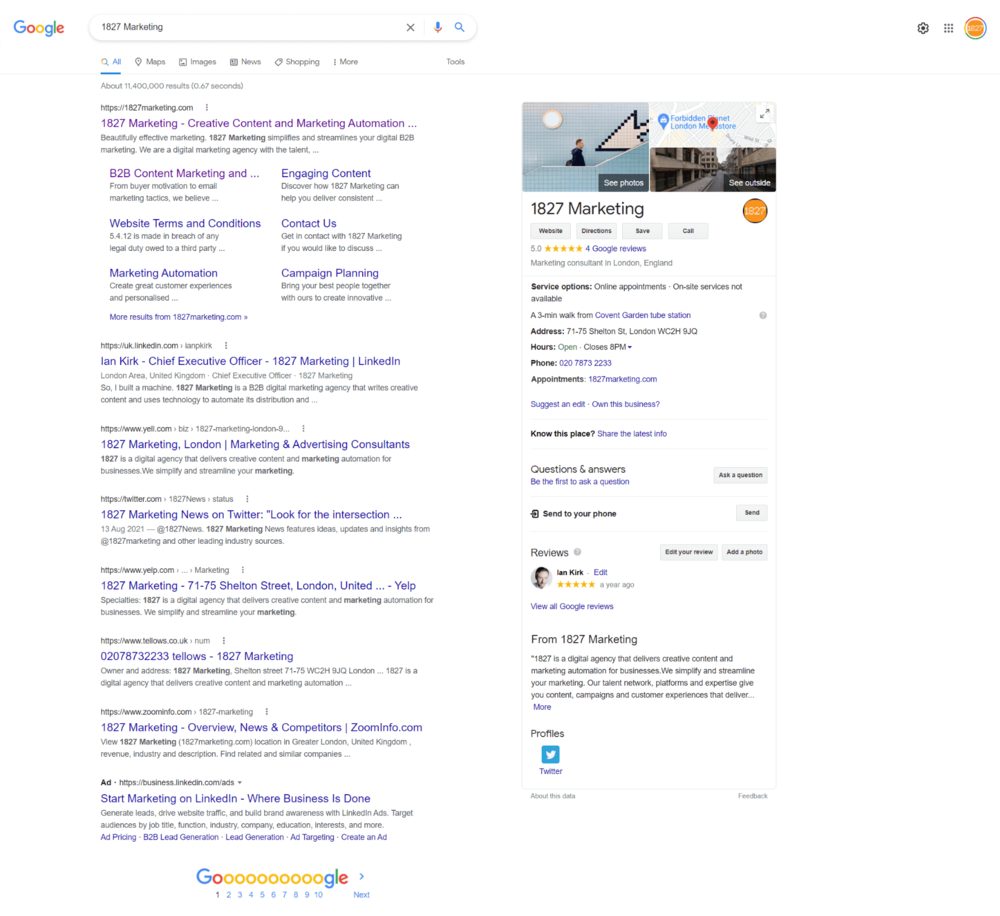
Content is the vehicle by which all messages, offers and calls to action will be delivered to your audience.
But your small business isn’t just competing against other businesses like yours in search results.
You’re also up against media outlets, informational websites, big brands, local review sites, and all sorts of other sources creating content relevant to your products and services.
The bar is set high and that means your content needs to be exceptional to stand out.
Before you jump in with both feet and start blogging, take the time to create a local content strategy that aligns with your business goals.
Be sure to incorporate different types of local content and optimize each piece for search using these proven on-page local SEO best practices.
3. Incorporate Local Link Building Into Your SEO Strategy
Links are the currency of the web. They are an important trust signal for search engines like Google and suggest that others endorse your content.
John McAlpin explains: “Local links are done with the intention of showing that other people relevant to the local area trust or endorse your business.”
His piece ‘What is a Link Local & How to Find More Local Link Opportunities’, part of our Guide to Local SEO, is a great starting point for your local link building strategy.
From there, I recommend you read this column by Kevin Rowe, in which he shares 50 types of links and what you need to do to attract each one.
4. Get Your Google Business Profile In Order
No local search strategy is complete without a well-optimized Google Business Profile (GBP).
While Google pulls local business information from a wide variety of sites, directories, and networks across the web, it views its own profiles as a single source of truthful information about any local business.
Formerly known as the Google My Business program, these profiles have become richer and more interactive in recent years. And with these updates, they have also become more useful for local search engines.
Today, GBPs not only provide key business information such as your location and contact information, they also allow you to:
Sherry Bonelli offers a great guide to GBP optimization here.
5. Ensure Local Listings Are Accurate
Google values the search experience above all else. Inaccurate and out-of-date information that negatively affects the search engine experience is therefore a liability and can greatly hinder your local visibility.
Wherever a searcher finds your business listing online, whether it’s on social media, a local directory, the yellow pages, review sites like Yelp or Trip Advisor, the information they find there should allow them to convert without a hitch. .
Having the wrong phone number, address, business hours, or other key business information listed can cause a search engine to show up in a closed store, for example.
Or be sent by your GPS system to your previous location.
Seeing multiple versions of key business data on the web makes it difficult for search engines to know what the truth is.
Since Google wants to give each searcher the best possible answer to their query, you don’t want the algorithm to question whether your business information is trustworthy.
Manually tracking listings is time consuming and incredibly difficult as data aggregators and directories can look up business information and update their listings.
This is how misinformation or outdated listings proliferate, and the wrong address, URL, or hours can spread far and wide.
Small businesses can use a local SEO tool like Moz Local or Semrush to automate the process of searching for business listings and monitor their accuracy.
6. Monitor & Respond To Local Reviews
Reviews are a hugely impactful part of the local search experience, and in 2021, 77% of local consumers said they always or regularly read reviews when searching for local businesses.
Google’s local ranking algorithms are less mysterious than their organic counterparts. Google openly tells us that there are three main local ranking factors: relevancy, distance, and prominence.
Reviews are part of the prominence factor, and Google states:
“Google review count and review score factor in local search ranking. More positive reviews and ratings can improve your business’s local ranking.”
Jeff Riddall provides a comprehensive overview of how Google reviews impact local and organic search rankings here.
Take a look at ‘Where & from Matt Southern’ How to Get the Right Reviews for Your Business for more information.
7. Use Relevant Local Schema
While not a ranking factor, schema markup is a type of structured data that makes it easier for web crawlers and helps the search engine better understand the content on your page.
Anything you can do to help Google match your page to a relevant query more effectively is a win.
Schema markup can help trigger rich results that highlight additional information such as breadcrumbs, reviews, FAQs, and sitelinks in search results.
Applying the schema correctly, then testing and validating your markup, is essential as mistakes can disqualify you from getting those rich results.
Chelsea Alves wrote a fantastic guide to local markup and rich results that can serve as a starting point for adding this tactic to your local SEO strategy.
Bringing It All Together
Taking on local SEO as a small business can seem daunting. You may not have a dedicated marketing department, and it’s not uncommon for business owners to feel overwhelmed by the administrative and marketing tasks that come with being an entrepreneur.
I hope this guide provides you with enough information and resources to determine what you can tackle in-house and what you may need to outsource.
Using an agency or consultant to augment your in-house skills is fine, but it’s essential that you have a good understanding of what you’re asking these professionals to do for you.
Remember, local SEO is not a one-time “set it and forget it” activity to tick off the list.
It’s an integral part of your marketing and often intersects with customer service as well.
To learn more, download Search Engine Journal’s eBook ‘Local SEO: The Ultimate Guide to Improving Your Local Search Ranking’.
Featured Image: Shutterstock/Deemka Studio
Local SEO provides better conversion rates by driving targeted traffic and increasing conversion rates. The probability of conversion is higher for those users who are looking for more localized content.
What are the three core elements of SEO?
Navigation site. Internal link. The URL (per page). Relevant and unique content (per page).
What are the core elements of SEO? The 11 Most Important Parts of SEO You Need to Get Right
- Your audience and industry. Your core industry and audience should be the number one consideration behind any viable SEO strategy. …
- Keyword research. …
- User intent. …
- Analysis and reports. …
- Mobile SEO. …
- crawling…
- Indexing. …
- Technical SEO.
Does SEO work for small business?
So does SEO work for small businesses? It should come as no surprise that the answer to this question is yes. Search engines use complex algorithms to deliver the exact results people need, which means that if you provide useful content, you can compete with other small businesses as well as large corporations.
Does SEO help your business? This is the importance of SEO for your business: SEO gives you the power to be the answer to potential customers’ questions. In addition to increasing visibility and traffic, SEO contributes to your authoritative voice in your field. Authority then leads to trust in the brand, which ultimately leads to brand loyalty.
Is SEO worth it for small businesses?
The short answer is that SEO is very effective, not only in generating traffic, but also leads and sales. Don’t worry. The long answer includes research and data, not just empty statements. Most SEOs get too caught up in search specific metrics like SERP (search engine results page), rankings, and organic traffic.
Is SEO worth it 2020?
Short answer: YES! SEO is more important than ever! It remains one of the most powerful digital marketing strategies that generate long-term results. You need correct techniques.
Does SEO really work for small business?
So does SEO work for small businesses? It should come as no surprise that the answer to this question is yes. Search engines use complex algorithms to deliver the exact results people need, which means that if you provide useful content, you can compete with other small businesses as well as large corporations.
How much should a small business pay for SEO?
According to a survey of 1,200 business owners and more than 350 agencies, freelancers, and consultants, the average cost of SEO for small businesses is $501 to $1,000 per month globally. The average cost of SEO for small businesses in the United States is $2,501 to $5,000 per month.
How much does SEO cost for a small business?
According to a survey of 1,200 business owners and more than 350 agencies, freelancers, and consultants, the average cost of SEO for small businesses is $501 to $1,000 per month globally. The average cost of SEO for small businesses in the United States is $2,501 to $5,000 per month.
How much should I spend on SEO?
How much can you expect to spend on SEO? If you are hiring a high-end SEO company to run a local campaign, expect to pay $500.00 per month. A national or international campaign will require a minimum budget of $2,500 to $5,000 per month.
How much should I spend on SEO a month?
To generalize, most SEO experts will charge a monthly recurring investment of $3,000 to $10,000 per month. A national or international SEO budget should never be less than $5,000 per month and it is possible to start a local SEO campaign in the range of $500 to $2,500.
How much does SEO typically cost?
Average SEO costs are $100 to $250 per hour for US SEO agencies. SEO costs often range from $2,500 to $10,000 per month for US agencies. Average SEO costs $2819 per month (per Ahrefs) Overseas SEO companies can charge $10-$50 per hour.
What is SEO strategy plan?
What is an SEO strategy? An SEO strategy is the process of organizing a website’s content by topic to improve the likelihood of it appearing in search results. Essentially, it is the process you follow to maximize the opportunity to get organic traffic from search engines.
What does SEO strategy mean? SEO stands for “search engine optimization” but to fully answer your question, the simple meaning of SEO in marketing your business is the process of improving your website so that search engines like Google are more likely to show up. your business in user search results.
What is a SEO action plan?
An SEO plan lists the steps required to execute the SEO strategy. Search engine optimization plans include a checklist and an SEO action plan template to follow for a website. A good SEO plan improves website ranking and search engine visibility to increase organic traffic.
What are the 3 parts of SEO?
EAT – stands for Experience, Authority and Trust. A commonly used acronym that represents three of the most important elements of SEO. Google seeks to display websites that demonstrate expertise in their field, are authoritative based on a variety of factors, and are trustworthy.
What are the 4 main components of an SEO?
Each component builds on and complements the others. The stronger the connections between each of the 4 SEO components (technical SEO, on-page SEO, off-page SEO, and content), the better the results. Being aware of connections will help us better understand how to best use them effectively.
What is SEO and how do you do it?
Well, SEO stands for ‘Search Engine Optimization’, which is the process of getting traffic from free, organic, editorial, or natural search results on search engines. Its goal is to improve the position of your website on search results pages. Remember, the higher the website is, the more people will see it.
What is the most important factor involved in local search?
When it comes to ranking well in local Google search results, the following are the most important factors: Google My Business. Google My Business Categories. Proximity of the address to the search point.
Why is local search important? Local search can help weed out search engines that are unlikely to contact your business. This is not because search engines are making a concerted effort to protect businesses from customers, but rather because they want to provide locally relevant results based on proximity and intent.
What is a local SEO strategy?
What is local SEO? Local SEO (Search Engine Optimization) is the process of improving search engine visibility for local businesses, primarily those with physical locations. By following local SEO best practices, businesses can improve organic traffic from customer searches in nearby areas.
Why is local SEO important for SEO? Local SEO allows you to put important information about your site online, such as your business address and phone number. Additionally, you can highlight and promote the type of products or services you offer on your website using SEO techniques.
What local SEO includes?
What is local SEO? Local SEO is the practice of optimizing a website to increase traffic, leads, and brand awareness from local search. Common tasks associated with local SEO include searching for local keywords, optimizing a company’s Google My Business profile, and creating “NAP” citations.
What comes under local SEO?
Local SEO is a search engine optimization (SEO) strategy that helps make your business more visible in local search results on Google. Any business that has a physical location or serves a geographic area can benefit from local SEO.
What means local SEO?
Local SEO is the practice of optimizing your website for a specific local area. If you have a local business, such as a store, restaurant, or agency, you want your web pages to rank for certain search queries made by a local audience.
What is the difference between SEO and local SEO?
Here is the difference. While traditional SEO focuses on improving your site’s visibility on a national or global scale, local SEO allows you to capture local search territory to connect with search engines in your area.
What is local SEO?
Local SEO is a search engine optimization (SEO) strategy that helps make your business more visible in local search results on Google. Any business that has a physical location or serves a geographic area can benefit from local SEO.
What is the difference between local and organic SEO?
Based on these definitions, we can establish the fundamental difference between local and organic SEO: local SEO is about optimizing placements, while organic SEO is about optimizing content. They both have to do with optimizing your website and online presence for search engines.
Tips for Optimizing Your Website for Search Engines
SEO tools and resources are important for any website looking to improve its search engine rankings. Make sure the host you choose offers these tools and resources so you can optimize your website and increase your chances of being found online
There are many reasons why you might want to optimize your website for search engines. Maybe you want to increase traffic to your website, or you want to improve your website’s ranking on the search engine results pages (SERPs). Whatever your reasons, there are a number of things you can do to improve your website’s search engine optimization (SEO).
There are many factors that influence how a website is ranked by search engines. Some of these factors include the content of your website, the titles and descriptions of your web pages, the number of links to your website, and the keywords and phrases people use to search for your website. To improve your website’s SEO, you need to consider all of these factors and make changes to your website accordingly.
Choose the right hosting provider.
One of the most important things you can do to optimize your website for search engines is to select the best website host Canada has to offer. Not all web hosts are created equal and some are better suited for search engine optimization than others.
SEO tools and resources are important for any website looking to improve its search engine rankings. Make sure the host you choose offers these tools and resources so you can optimize your website and increase your chances of being found online. SEO support is also important. If you have questions or need help with your SEO, you need to be able to get the help you need. Make sure the host you choose offers SEO support so you can get the help you need when you need it.
Good customer service is also important. If you have a problem with your website, you need to be able to get help quickly and easily. Make sure the host you choose has good customer service so you can get the help you need when you need it.
If you are looking for the best web host for your website, be sure to consider the above factors. The best web host for your website will offer SEO tools and resources, SEO support, and good customer service.
Have a good keyword strategy in place.
Keyword research is essential for any SEO campaign. By doing your research and targeting the right keywords, you can improve your website’s ranking on search engine results pages (SERPs) and attract more visitors.
There are a variety of tools and techniques you can use to research keywords, and the process can be complex. Once you’ve compiled a list of potential keywords, you need to start targeting them all over your website. You can also optimize your website’s title tags, meta descriptions, and header tags to improve your ranking on search engine results pages (SERPs).
Creating high-quality content is one of the best things you can do for your website. Not only will it help you attract links from other websites, it will also help improve your website’s authority and rankings in search engine results. One of the best ways to create high-quality content is to use data and facts. When you can back up your points with evidence, it will make your content more credible and trustworthy. Plus, you can use infographics, images, and videos to add visuals to your content and make it more engaging.
Another thing to keep in mind when creating content is making sure it is relevant to your target audience. Make sure you understand your audience’s needs and wants, then create content that meets those needs. You can also use polls and questionnaires to gather information about your audience.
Ultimately, the best way to improve your website SEO is to simply keep up with the latest trends and best practices. By following the latest SEO tips and applying them to your website, you can improve your website ranking and drive more traffic to your site.
Press release distributed by The Express Wire
To view the original version on The Express Wire, visit Tips for Optimizing Your Website for Search Engines
What is SEO explain types of SEO?

On-page SEO is about the information that is displayed to the end user, such as text, images, and website navigation. Off-page SEO: This includes building links, increasing link popularity by submitting open directories, search engines, exchanging links, etc. Off-page SEO deals with the website-website relationship.
What do you mean by types of SEO? SEO means search engine optimization and is the process used to optimize a website’s technical setup, content relevance and link popularity so that its pages can become easily searchable, more relevant and popular for queries. search users and, consequently, search engines rank them better.
What are main types of SEO?
So, the various types of SEO are:
- Technical SEO.
- On-page SEO.
- SEO of the contents.
- Off-page SEO.
- Local SEO.
- Mobile SEO.
- SEO for e-commerce.
What are the 4 main components of an SEO?
Each component builds upon and complements the others. The stronger the connections between each of the 4 SEO components – technical SEO, on-page SEO, off-page SEO and content – the better the results. Being aware of connections will help us better understand how to best use them effectively.
What is SEO and how many types of SEO?
| Guy | short description |
|---|---|
| On-page SEO | All the steps you take to increase your webpage’s ranking on search engine results pages (SERPs) fall under on-page SEO. |
| Off-page SEO | This refers to everything you do outside of your site to go better and appear higher in the Google SERPs. |
How many types of SEO is there?
SEO is one of the most effective digital marketing tactics you can invest your time in, and there are a variety of ways you can benefit from the practice. Here are four key types of SEO you can get started on.
What is SEO and how many types of SEO?
| Guy | short description |
|---|---|
| On-page SEO | All the steps you take to increase your webpage’s ranking on search engine results pages (SERPs) fall under on-page SEO. |
| Off-page SEO | This refers to everything you do outside of your site to go better and appear higher in the Google SERPs. |
What is SEO and type of SEO?
The term SEO, Search Engine Optimization, refers to improving your site’s visibility in Google’s search results for relevant keywords or search phrases. SEO helps generate site traffic naturally.
What is SEO?
1. What is an SEO company? An SEO company offers search engine optimization (SEO) as a service to businesses. SEO is all about tweaking your website, its content, and backlink generation to help you rank for the desirable Google search.
What is SEO and how many types of SEO?
| Guy | short description |
|---|---|
| On-page SEO | All the steps you take to increase your webpage’s ranking on search engine results pages (SERPs) fall under on-page SEO. |
| Off-page SEO | This refers to everything you do outside of your site to go better and appear higher in the Google SERPs. |
How many parts of SEO are there?

The three main components of SEO are: Technical SEO. On-page SEO (or Content SEO) Off-page SEO (or link)
What are the 4 types of SEO? The four (4) different types of SEO
- 1.1. Search by keywords. …
- 1.2. Quality content. …
- 1.3. Internal connection. …
- 1.4. Metadata optimization. …
- 1.5. Image optimization.
How many types of SEO are there?
There are about 12 different types of SEO that help websites rank better on search engine results pages.
What are the 4 main components of an SEO?
Each component builds upon and complements the others. The stronger the connections between each of the 4 SEO components – technical SEO, on-page SEO, off-page SEO and content – the better the results. Being aware of connections will help us better understand how to best use them effectively.
What is search and optimization?

Search engine optimization is the science of improving a website to increase its visibility when people search for products or services. The higher a website’s visibility on search engines, the more likely the brand is to acquire business.
What is SEO and Optimization? Search engine optimization (SEO) is the art and science of making pages rank higher in search engines like Google. Since search is one of the primary ways people discover online content, a higher search engine ranking can lead to increased traffic to a website.
What is SEO in simple words?
SEO stands for search engine optimization: much has remained the same. It refers to techniques that help your website rank higher on search engine results pages (SERPs).
What is SEO of a website?
SEO – Search Engine Optimization: The process of making your site better for the search engines. Even the job title of a person doing this for a living: We just hired a new SEO to improve our web presence.
What is SEO in easy language?
SEO stands for “search engine optimization”. Put simply, it means the process of improving your site to increase its visibility when people search for products or services related to your business in Google, Bing, and other search engines.
What is SEO and how it works?
Well, SEO stands for “Search Engine Optimization” which is the process of getting traffic from free, organic, editorial or natural search results in search engines. It aims to improve the position of your website on the search results pages. Remember, the higher the website is listed, the more people will see it.
What is SEO and examples?
Off-page SEO refers to actions you can take outside of your website to increase its ranking, such as link building or guest blogging. There are also two styles of SEO: White Hat and Black Hat SEO. White Hat SEO is based on the use of ethical and transparent techniques to build the ranking of your pages.
What is SEO and how it works?
Well, SEO stands for “Search Engine Optimization” which is the process of getting traffic from free, organic, editorial or natural search results in search engines. It aims to improve the position of your website on the search results pages. Remember, the higher the website is listed, the more people will see it.
What is SEO and why do I need it?
SEO stands for “search engine optimization”. It is the practice of increasing both the quality and quantity of website traffic, as well as exposure to your brand, through unpaid (also known as “organic”) search engine results. . Despite the acronym, SEO is as much about people as it is about the search engines themselves.
What is SEO and why it is important?
SEO stands for search engine optimization. Put simply, good SEO optimizes your online visibility. This means that the more people see your website, the more your online traffic increases and the greater your chances of providing your product or service to more people.
Why do you need SEO content?
SEO content improves your visibility on search engines which drive traffic to your website and encourage people to buy your products / services. By investing in SEO content, you can add real value to your business profits.
Do you really need SEO?
If SEO isn’t right for someone – or at least, not right now – then they deserve to know. But if you want to spread your message further or increase your revenue, SEO may be exactly what you need.
What are the 4 main pillars for search KPIS?

The four pillars of SEO include technical SEO, content, on-site optimization, and off-site SEO.
What are the 4 pillars of SEO? We know SEO can sound intimidating, but break it down into its four pillars and tackle them one at a time. The four key areas of SEO; on-page, off-page, technical and local, they are all easy to optimize once you know the correct tools and techniques to implement.
What are SEO pillars?
Instead, SEO is supported by three different pillars: discovery, relevance, and authority. Make sure your website keeps these three SEO concepts in mind for the future and you will have a content marketing strategy that will boost your rank on search engine results pages (SERPs).
What are the 4 main components of an SEO?
Each component builds upon and complements the others. The stronger the connections between each of the 4 SEO components – technical SEO, on-page SEO, off-page SEO and content – the better the results. Being aware of connections will help us better understand how to best use them effectively.
What are the 3 pillars of SEO Fiverr?
The three pillars of EES: authority, relevance and experience.
What are the three core elements of SEO?

Site navigation. Internal connection. The URL (per page). Relevant and unique content (per page).
Why Local SEO is the Key to Business Success
The Entrepreneurs participants expressed their own opinions.
Although globalization has changed the market a lot, many businesses start to increase their success by selling to local customers. The yellow pages may once have been a business necessity, but online search engines have taken over. This is why local (Advanced) Search Engine Optimization has become one of the most important keys to business success, regardless of the company’s location or scale.
What is local SEO?
Search Engine Optimization has become an integral part of marketing for businesses that rely on website traffic. Optimizing content from search engines like Google helps your website rank high in search results, making it more likely that consumers will visit your site and interact with your brand.
Local SEO is simply an SEO strategy aimed at improving search results in a specific geographic area. If your business relies on online and offline customers within a specific geographic area, local SEO can be the difference between your business surviving and being successful.
Related: Struggling with Local Search? Here’s What Your Local SEO Strategy Needs To Compete In 2022.
The value of local SEO

Google alone processes an impressive 8 billion searches every day, but more importantly, nearly 50% of all Google searches are made by people looking for local products and services. If you don’t have a local SEO strategy for your business, you will miss out on valuable online traffic. An opportunity of this magnitude cannot be ignored by local business owners.
Local SEO is important for online companies and companies looking to attract foot traffic. A few years ago, consumers might have looked for local businesses in the yellow pages or on a map. Today, they are using search engines to find contact information, location, hours and other details about a business.
Before the Covid-19 pandemic, around one in two searches for “near me” businesses visited the store. If the search was done on a mobile device, the numbers were even stronger. Almost 90% of those inquiries were followed up with a call or visit to the business within a day.
Any business that relies on local customers cannot afford to miss out on the opportunities that local SEO can provide.
Related: The 7 Advantages of Local Online Businesses (and How to Win Them)
Utilize local SEO and work with Google to improve rankings
Marketers and business owners have a variety of options to increase their visibility through local SEO. Is your brand trying to improve rankings or improve conversions and sales?
Arguably, conversions are more important than rankings, but if the business is not listed on the first page of results, conversions will naturally be low. For most businesses, rankings and conversion are closely related.
Improving local SEO results starts with improvements in relevance, distance and visibility. These are the three criteria that Google’s algorithm applies to determine local search results. Your company’s Google Business Profile should also be updated to attract more local customers.
Relevance is a measure of accuracy in the match between your business and the online search query. The search engine is trying to determine if your business offers what the user is looking for. Providing clear and complete information on your website and business profile is essential to meeting these criteria and improving your relevance.
Proximity is how close your business is to the exact search location. If a user does not specify a specific location in their search, Google uses their location based on their IP address to prioritize nearby listings. Entering the specification “near me” in a search will yield similar results. To appear on these listings, your business must optimize the location information on its website and on Google listings.
Visibility is Google’s term for describing how good a business is online and offline. The search engine determines your visibility based on the offline information it has about your business and through online channels, such as reviews and website popularity. Increasing the number of quality reviews for your business will improve rankings. Interacting and responding to your online ratings also increases your visibility.
Algorithms tend to change regularly and without notice. Like any SEO activity, successful local SEO depends on consistent effort. Many businesses benefit from expert support to manage their local SEO.
Related: Why Local SEO Is About to Become Even More Important
Covid-19’s impact on local SEO practices

The Covid-19 pandemic has changed almost every aspect of consumer life. It certainly changed shopping habits as lockdowns and movement restrictions became the norm. At this point, it is too early to determine whether the pandemic has affected long-term consumer habits.
During 2020 and 2021, online searches for products and services increased, partly out of necessity. Consumers needed online alternatives to meet their needs. Currently, the evidence supports the continued popularity of online consumerism along with the growing demand for personal shopping experiences.
What is not in dispute is the incredible hardship the pandemic has created for many small businesses. Many were dealing with closures, layoffs and losing customers. Carefully considered and well-managed marketing is essential for a successful resume. Proper local SEO can be the difference in this resume.
Local SEO is one of the most cost-effective ways to increase visibility in a key audience within a short period of time. It may seem like a small part of SEO, but considering the large number of local-minded searches, business owners and marketers must consider it a priority.
Search engines are the new yellow pages – and they have much more potential to change the future of small businesses.
Business Strategies, Entrepreneurship Advice & Inspirational Stories are all in one place. Explore the new Entrepreneur Bookstore.
What are your top local SEO tips for SMBS?

Here are ten local SEO tips that can benefit any small business.
- Claim All Business Directory. …
- Encourage Customer Reviews. …
- Go Mobile. …
- Identify Local Keywords. …
- Create Optional Local Content. …
- Optimize Web Page SEO. …
- Ensuring Consistent Citations. …
- Local Land Backlinks.
What is the most effective strategy for local SEO? Local SEO Tips. Optimize for Google My Business. Participate on social media and add posts to Google My Business. Make sure your name, address and phone number are consistent online.
What is local SEO for small business?
What is Local SEO for Small Businesses? Search engine optimization (Advanced) is the process of improving your website to increase the chances of it being seen when people search for terms related to your business. Local SEO is a similar venture but with a particular focus on local keyword terms.
Why does your business need local SEO?
Local SEO helps you reach these relevant customers who are in the discovery phase. When done correctly, SEO improves your website’s ranking and puts your business in front of relevant customers, bringing in better sales.
What is local SEO in business?
Local SEO is a search engine optimization (SEO) strategy that helps your business become more visible in local search results on Google. Any business that has a physical location or serves a geographic area can benefit from local SEO.
What percentage of Google searches are local?
Almost half (46%) of all Google searches are from users looking for local information. These local searches are people searching for businesses in their local area or within a specific service area.
What percent of people use a search engine when looking for information about local businesses? 97% of search engine users search online to find a local business. If users want to find a local business online, they go to search engine users first.
How many local searches does Google get a day?
46% of all searches on Google contain a local intent Of the more than 3.5 billion searches Google receives every day, a whopping 1.6 billion of them contain a local intent.
What search engine does France use?
Google is the most popular search engine in France, accounting for 92% of all searches in the country. Bing comes in second, with a 4% share of the search market, and Yahoo is third at 1.4%.
What is the most popular search engine in Germany?
Google is the leading search engine in Germany, with a much higher market share than its competitors as of 2018. Bing comes in second place with 4 percent.
What percentage of Internet searches go through Google?
Handling over 90% of all search queries worldwide, Google undoubtedly dominates the global search engine market share. As of April 2022, 92.49% of all search queries made across all search engine providers are made through the internet giant.
How many searches on Google are local?
In fact, nearly 46% of all Google searches are for local information. A strong local SEO strategy is key to driving more people to your store, whether you have one storefront or five hundred.
How many searches are searched on Google?
Although Google does not share exact numbers, as reported by SEOTribunal.com, Google handles an average of 3.8 million searches per minute across the globe. That’s 228 million searches per hour, 5.6 billion searches per day, or 2 trillion searches per year! That’s a lot of searching!
How many local searches are there?
60% of Americans use smartphones and tablets to search for local products. There are approximately 81.1 billion local search queries from mobile phones each year, based on local SEO statistics. Most people use mobile phones to browse products and gather more information before purchasing.
Where do most Google searches come from?
63 percent of Google US organic search traffic came from mobile devices. Facebook was the most searched keyword on Google. 84 percent of respondents use Google 3 times a day or more. 46 percent of product searches begin on Google.
Where do most Google searches come from?
63 percent of Google US organic search traffic came from mobile devices. Facebook was the most searched keyword on Google. 84 percent of respondents use Google 3 times a day or more. 46 percent of product searches begin on Google.
Where do Google searches come from?
Crawling: Google downloads text, images and videos from pages it has found on the internet with automated programs called crawlers. Indexing: Google analyzes the text, images, and video files on the page, and stores the information in the Google index, which is a large database.
Which country searched most on Google 2021?
Afghanistan topped the most searched Google Search Year 2021.
Which country Google searches the most?
Perhaps unsurprisingly, the US is the top country on the list, ranking first in 45 of the 190 countries included in the dataset.
What is local SEO for small business?
What is Local SEO for Small Businesses? Search engine optimization (Advanced) is the process of improving your website to increase the chances of it being seen when people search for terms related to your business. Local SEO is a similar venture but with a particular focus on local keyword terms.
Why does your business need local SEO? Local SEO helps you reach these relevant customers who are in the discovery phase. When done correctly, SEO improves your website’s ranking and puts your business in front of relevant customers, bringing in better sales.
What is local SEO in business?
Local SEO is a search engine optimization (SEO) strategy that helps your business become more visible in local search results on Google. Any business that has a physical location or serves a geographic area can benefit from local SEO.
Why is local SEO important for your business?
Local SEO allows you to put important information about your location online, such as your business address and phone number. In addition, you can highlight and promote the type of products or services you offer on your website using SEO techniques.
What is local content in SEO?
What is Local Content SEO? Local SEO content consists of text, images, and even videos designed to meet local search needs. It can appear on your website, local landing pages, your Google Business Profile, and more.
What is the difference between SEO and local SEO?
Here’s the difference. While traditional SEO focuses on improving your site’s visibility on a national or global scale, local SEO allows you to capture local search territory to connect with searchers in your area.
Why is using a local SEO beneficial for business growth?
One of the benefits of local SEO is that it drives potential customers to your site and improves the conversion rate. According to Joel House Search Media, 28% of local searches lead to sales. So local SEO undeniably leads to a better conversion rate – increased traffic flow leads to increased sales.
What is the benefit of local SEO? Local SEO helps increase online visibility so that new customers notice you. Google Maps and Google My Business optimization can generate more direct calls, leads and sales. By optimizing your website for localized terms, you attract better targeted traffic and leads.
Who benefits from local SEO and why?
With local SEO, your business gets more visibility as the right people who are interested in your product find it at the right time. When your business is more visible, this means more profits, sales, and even relevance.
Who should use local SEO?
Any business that has a physical location or serves a geographic area can benefit from local SEO. If you search Google for any important keywords related to your business and a map with 3 listings appears below (also known as a map package), local SEO can help you grow your business.
Why local SEO is important for SEO?
Local SEO allows you to put important information about your location online, such as your business address and phone number. In addition, you can highlight and promote the type of products or services you offer on your website using SEO techniques.
Why is local SEO services important for local business?
Local SEO provides better conversion rates by driving targeted traffic and increasing conversion rates. The likelihood of conversion is higher for those users who are searching for more localized content.
What is local SEO & Why local search is important?
Local search targeting customers in a specific region, city or neighborhood is an integral part of any SEO strategy. Simply put, local SEO is where you focus to improve your rankings and visibility in local search results such as Google Maps/Local Pack.
Why local search optimization is important?
Targeted web traffic: Optimizing your site for local search delivers more targeted traffic to your website, which can lead to more leads, subscriptions, sign-ups and sales. More calls: Google Business Profile (formerly Google My Business) optimization can lead to improved Google Maps visibility.
Why is local SEO so important? Local SEO helps your business stand out – even if you don’t have a website – and helps drive more traffic to your premises through online leads. Since these leads come from people who are specifically searching for products or services that your business offers, they are also likely to give you a high conversion rate.
Why local ranking is important?
Local SEO supports your website’s ability to rank within the local search territory. There is often a difference in audience between the two. Local SEO often affects searchers looking for a product or service in their immediate geographic area.
Why is local search important in the future?
Local search can help weed searchers who are unlikely to contact your business. This is not because search engines are making a concerted effort to protect businesses from customers, but because they want to provide relevant local results based on proximity and intent.
What is the primary goal of local ranking?
The goal of the survey is to provide businesses, agencies and brands with a guideline on what most affects their local search ranking.
Why is local SEO so important?
Local SEO allows you to put important information about your location online, such as your business address and phone number. In addition, you can highlight and promote the type of products or services you offer on your website using SEO techniques.
TikTok SEO Tips for Attracting Gen Z Audiences
For more than a decade, when companies talked about search engine optimization (SEO), they defaulted to Google. Digital juggernauts in e-commerce and social media have emerged in the e-commerce and social media spaces—including the Shop Everything platform on Amazon and video-sharing apps like TikTok.
At a recent conference in Aspen, Google’s senior vice president of knowledge and information, Prabhakar Raghavan, revealed that a large percentage of younger people between the ages of 18 and 24 are turning away from Google in favor of social media searches.
“In our research, almost 40% of young people don’t use Google Maps or search, but TikTok or Instagram when looking for a place to have lunch,” he said. “We learn again and again that new internet users don’t have the expectations and mindset we’re used to. The questions they ask are completely different.
The thinning out of Google search is hardly a new trend: In 2016, an oft-cited study published by big data technology company BloomReach found that 55% of consumer product searches came from Amazon.com. It’s a number that has likely grown since then. And as tech companies continue to launch new online products, platforms and apps, search options will further erode Google’s market share.
For content creators and brand marketers, this means that learning social media SEO for TikTok, Instagram, Facebook, Twitter and LinkedIn is now crucial beyond relying on arcane algorithms to bring the right content to new audiences. Best practices vary by platform, but for most, implementing a smart keyword and hashtag strategy will go a long way toward discovery.
TikTok now has an entire genre of content to help creators improve SEO and be found on the app. Creators like Mike Rama, who runs UGC, a platform that connects creators and brands, have started publishing free informative posts that double down on the importance of using the best possible search terms and offer helpful tips, including demos of how to use TikTok search. bar to find the most popular autocomplete search phrases based on keywords, then create posts for each of the most searched topics.
Tiktok SEO is a Game Changer for Creators: Keyword Ranking #tiktokseo #rankontiktok #tiktokkeywordsearch #creators
♬ Blade Runner 2049 – Synthwave Goose
Unlike instant memes and trending tropes, search-optimized content gains traction over time as people intentionally search for information and posts garner clicks, says Yvonne Dekoning, former social media manager at Saks Fifth Avenue. now offers social media coaching for brands and business leaders. Her TikTok content focuses on tutorials.
How to use SEO on TikTok #tiktokseo #socialmediastrategytips #socialmediastrategist #tiktokstrategy #tiktokcoach
♬ Jiggle Jiggle – Duke & Jones & Louis Theroux
At the same time, Facebook, Twitter, Instagram, and LinkedIn have all expanded their product offerings—notably LinkedIn with its newly launched suite of creator tools—offering users easy ways to populate their existing platforms with powerful searchable multimedia and other content. Anyone with an internet connection, a keyboard, and a camera can feed the beast—the more content, the merrier—or at least the more opportunities to pop up in search, Google, and elsewhere, and bring audiences and horizons to tech. platforms everywhere.
Does TikTok have negative effects?

Government officials and child safety advocates say that TikTok’s computer algorithms, which deliver video content to users, could encourage eating disorders and even self-harm and suicide among young viewers.
Comment avoir une une photo de profile TikTok invisible? Go to your TikTok profile. Tap on « change profile ». Tap on «photo editor». Select a transparent image.
Comment régler le temps d’une photo sur TikTok ?
Press «3s» or «10s» to define the time, then slide the cursor at the bottom of your screen to select the duration of your recording. Ready to record your video? Tap on “Démarrer le compte à rebours”.
Comment faire pour faire défiler des photos sur TikTok ?
Create a step-by-step slide show.
- Launch TikTok. …
- Tap on «Téléverser» en bas à droite de l’écran de l’appareil photo.
- Dans l’onglet « Image», select as many images as you want in your library. …
- Sur la page suivante, apportez vos modifications et ajoutez de la music et des filtres.
Comment mettre une photo dans un TikTok ?
1. TikTok app is open, everything is released after release. 2- Sur Cette interface, vous click sur “Televerser”. Review videos and photos on your phone. 3- Select the elements (photos or videos) that you want to insert in your montage.
Comment ajuster un clip sur TikTok ?
ajuster le clip tiktok Click “Ajuster les clips” to watch videos. Faites simplement bouger les lignes rouges de chaque côté de la barre video pour modifier les points de départ et d’arrêt. Maintenez le doigt sur les clips video pour les réorganiser ou les suppressir.
Comment on fait pour percer sur TikTok ?
3) Quel hashtag pour percer sur TikTok Il y a quelques hashtags important. For example, ” #pour toi ” and ” #foryou “. Attention, cela ne vous permettara pas de vous retrouver dans la rubrique «Pour toi». Mais vos publications seront bien positionnées si un utilisateur tape « pour toi » dans la barre de recherche.
Is there a child friendly version of TikTok?
The short video app has a curated version for users under the age of 13 (new users must pass the age limit to use the app). For 13-15 year olds, TikTok sets default accounts to private and users must approve followers and allow comments.
Is TikTok for kids under 13?
If you are wondering if children under 13 can use the app, the answer is YES. TikTok offers a section for children under the age of 13, complete with additional safety and privacy features. In this section, children are only allowed access to curated and clean content. They are also not allowed to search or post videos.
Is TikTok OK for 8 year olds?
The minimum age limit for TikTok users is 13 years. While this is great news for younger users, it’s important to note that TikTok does not use age verification tools when signing up new users.
Quel photo de profil TikTok ?
Les photos doivent faire au moins 20×20 pixels pour être téléversées.
How do I Download a profile picture?
Download Insta Profile Picture to PC
- Open any Instagram account – whether it’s yours or a friend’s account. Right-click on the profile picture and select Copy Image Address.
- Paste the URL into a new page. Remove s150x150/ from the URL and press Enter. …
- You can then right-click the image and click Save Image As to download it.
How can I Download profile picture from TikTok?
Open the profile URL in your desktop web browser. Then right-click on the user’s profile picture. And click “Open image in new tab”. Finally, right-click on the high-quality image and select “Save image as…”.
What does Gen Z mean in TikTok?

In 2021, many brands are targeting Generation Z, or Z. Tiktok’s generation, known for valuing transparency and authenticity. They prefer brands that have a personal touch and don’t seem stuck and corporate. An easy way to reach them and gain their trust is to understand and use the language.
How many Gen Zs are on TikTok? This data comes directly from TikTok. Gen Z – 60% of TikTok users are Gen Z. Gen Zers are trendsetters.
Is TikTok a Gen Z thing?
TikTok is the reigning champion of Gen Z. Learn more about how TikTok can act as a branding platform and recruitment channel. All roads to Generation Z go through TikTok. According to Forrester, weekly usage of TikTok has surpassed that of Instagram among Generation Zers in the United States.
Is TikTok for the younger generation?
The survey found that 63% of Gen Z youth use TikTok daily, compared to 57% for Instagram and 54% for Snapchat. Last year, Instagram led with 61%, while TikTok led with 50%.
What did Gen Z stand for?
Generation Z (Gen Z) refers to the generation of Americans born between 1997 and 2012. The oldest members of Generation Z are starting their post-school years, new careers and possibly families; the youngest are 10.
Why did they call it Gen Z?
Generation Z – your personal Bug Minds – is so called because it was the generation immediately following Generation Y (the people now called Millennials). Gen Y, in turn, was named because it followed Generation X. Generation X (shout out to my homie!) was named after Douglas Coupland’s 1991 novel.
What does the Gen Z stand for?
Generation Z (aka Gen Z, iGen, or centenarians) refers to the generation born between 1997 and 2012 after millennials. This generation has been raised on the internet and social media, with some of the oldest graduating from college and entering the workforce by 2020.
What does 👉 👈 mean from a girl?

Most people agree that it means “shy.” As if nervously twisting your fingers together. Emoticons can also often be paired with emoticons to create more edginess. A series of emoticons can be used when you’re asking someone a soft but risky question, or when you’re just feeling shy.
What does this emoticon mean? �� Pleading Face Emoticon This is meant to represent a typical face that a person is pleading for, i.e. trying to win their sympathy or sympathy. In addition to conveying actions such as begging, begging, or pleading, the Pleading Face emoticon �� also conveys sadness, guilt, cuteness and even excitement in many ways.
What does this emoji mean 🤌?
An emoticon showing fingers held together in a vertical position, often referred to as the Italian hand gesture ma che vuoi, sometimes referred to as a finger bag. In Italy, this gesture is used for disagreement, disappointment or disbelief and can mean “What do you want?” or “What are you talking about?” Outside of Italy…
What does 🙌 mean on Instagram?
�� Raising Hands Emoticon The raising hands emoticon depicts two raised hands, palms up, with lines above them to indicate movement. It is used in a solemn way to express joy, pride or surprise (good).
What does this emoji mean 😮 💨?
���� Emoticon Face Exhaling Emoticon Face Exhaling ��†�� represents a face blowing air. The emoticon is used to express exhaustion, smoking and heavy sighing.
What does this 🤏 mean?
�� Squeezing Hand Emoji There’s an emoji for this: The Squeezing Hand Emoji, or ��, which represents a squeezing gesture.
What does this emoji mean 🥵?
Emoticon meaning Reddish-orange face with wrinkled eyebrows, protruding tongue and beads of sweat, as if overheated from high temperature. The number and location of sweat drops varies between platforms. Can also represent physical attractiveness (slang, hot).
What does 😏 mean in texting?
�� Meaning. As its official name suggests, �� A smiley face represents the facial expression of a smirk. It is used to convey a variety of feelings, including self-esteem, confidence, self-admiration, mischief, crass humor, and general satisfaction.
What does it mean 💦 💦 💦?
A �� (sweat drop) emoticon with �� (mouth) emoticon or �� The (tongue) emoticon represents oral sex.
What does this emoji mean 👅 🍆?
If you’re feeling flirty and playful, you can send �� emoji to show your partner you’re in the mood for sex. Link �� with other emoticons like �� (eggplant), �� (peach), �� (taco) and �� (drops of sweat) to make it clear that you are referring to oral sex with your partner.
What does this emojis mean 👁 👄 👁?
Glad you asked. It is what it is. This is a portmanteau of emojis of our time, in 2020, which first appeared on Tiktok. Two eyes with agape lips between them, which together in this particular order express some combination of surprise, shock, anger, or disgust.
What does this 👁 mean?
What does the Eyes emoticon �� means? The eyes emoticon has many uses. It mainly draws attention to something the user wants to highlight, especially in situations involving drama and interpersonal tension. It can also be an emoji image of shifting eyes or a sideways glance.
What does 💅 mean from a guy?
3. A �� denotes a silly tone. Someone can use �� to show that what they have sent must be read boldly and boldly. In this context, the emoticon means “bougie”. X Research Source This usage is particularly popular on TikTok. “I’d rather paint my nails than talk to you ��”
What does 😈 mean from a guy?
This smiley face with horns emoticon �� means trouble, especially in the form of devil characters, bad boys and girls, general mischief and sexual innuendo. This emoji is usually depicted as a purple face with the same furrowed brows as the Angry Face emoji, but with a smile and two horns.
What social media do Gen Z use the most?
Snapchat, TikTok and Instagram are the most popular social networks among Gen Z this year, but their user base is growing at different rates. TikTok, which burst onto the US scene in 2018, already has more Gen Z users than Instagram and is closing in on Snapchat.
What percentage of Gen Z use social media on a daily basis? Researchers studied the social media habits of four generations: Generation Z (ages 13-17), Millennials (ages 18-34), Generation X (ages 35-54) and Baby Boomers (age 55). The majority of Gen Zers (77%) and Millennials (79%) surveyed said they use social media multiple times a day.
What media does Gen Z consume?
Gen Z’s Favorite Platforms:
- YouTube: 85% use the platform, 32% use it the most.
- Instagram: 72% use the platform, 15% use it the most.
- Snapchat: 69% use the platform, 35% use it the most. (Source: Pew Research Institute)
How much social media does Gen Z consume?
| Distinctive | Everyday | Once a week |
|---|---|---|
| Generation Z | 50% | 9% |
| Millennials | 44% | 7% |
| Generation X | 37% | 5% |
| Boomers | 26% | 5% |
What is the most viewed entertainment format for Generation Z?
Comedy and music/music videos were the most watched genres for both Gen Z and Millennials.
What content does Gen Z prefer?
Gen Z is known to gravitate towards videos on their favorite social media apps. According to eMarketer, the most popular social networks among Gen Z are Snapchat, TikTok, and Instagram, all apps that rely heavily (if not exclusively) on video content.
Which apps do Gen Z use the most?
According to a survey of US iOS users, social video apps garnered the most hours spent per week on average per Gen Z user. TikTok was the leading social app in the period under review based on average weekly engagement, garnering more than 10 hours per user per week.
What is the most popular thing in Gen Z?
Overall, Gen Z’s social media usage is dominated by Instagram and YouTube, with more than 60% of respondents claiming to use them daily.
What content does Gen Z prefer?
Gen Z is known to gravitate towards videos on their favorite social media apps. According to eMarketer, the most popular social networks among Gen Z are Snapchat, TikTok, and Instagram, all apps that rely heavily (if not exclusively) on video content.
What is Gen Z favorite app?
Here’s how it works. BeReal was launched in 2020 but has skyrocketed on the download list this year. If you haven’t heard of the BeReal app and you’re not a member of Generation Z, you’d be forgiven.
What social media platforms do Gen Z use the most 2022?
Key Gen Z Social Media Usage Statistics 2022 62% of Gen Z social media users say they use Instagram daily. 60% of Gen Z say YouTube is their preferred platform.
What is the most popular app among Gen Z?
Over the past few years, the video app TikTok has become an amphitheater for Generation Z. It’s the most downloaded app in the world, CNET reported, with more than 175 million downloads since the start of 2022.
What Gen Z want in social media?
64% of Gen Z consumers expect a more personalized experience on social media based on past interactions. 61% of Gen Z consumers want companies to know them better based on their social media activity. 52% of Gen Z consumers expect companies to read and analyze their social media posts.
What social media do Gen Z use 2021?
Snapchat, TikTok and Instagram are the most popular social networks among Gen Z this year, but their user base is growing at different rates.
What generation is Alpha?
That’s why current generations include 15 years of Generation Y (millennials), born between 1980 and 1994; Generation Z 1995-2009 and Generation Alpha 2010-2024.
What does Alpha Generation mean? Which birth years are considered the alpha generation? Generation Alpha includes those born between 2010 and 2024. Most of their parents are millennials. Every nine minutes, a new member of Generation Alpha is born in the United States. By 2025, this group will reach more than two billion people worldwide.
What is the alpha generation known for?
Generation Alpha children are born at a time when technological devices are getting smarter, everything is connected, and the physical and digital are coming together. As they grow up, new technologies become part of their lives, their experiences, attitudes and expectations about the world.
How long will Gen Alpha live?
Generation Alpha began to be born in 2010, the same year the first iPad was released and Instagram was launched. The typical generation length is 15 years and the last generation of Alphas will be born in 2024.
What is Generation Alpha characteristics?
Generation Alpha is characterized by being digital natives and spending hours and hours in front of screens.
Is 2021 a Gen Alpha?
Meet the mini-millennials: Generation Alpha, the generation of children born between 2011 and 2025.
What year will GEN Alpha start?
Generational definitions are most useful when they cover a specific age range and thus allow for meaningful comparisons between generations. That’s why current generations include 15 years of Generation Y (millennials), born between 1980 and 1994; Generation Z 1995-2009 and Generation Alpha 2010-2024.
What is considered Gen Alpha?
Generation Alpha describes the current generation of children who began to be born in 2010. They are the children of millennials and often the younger siblings of Generation Z. More than 2.8 million people are born every week.
What generation does 2021 belong to?
Named after the first letter of the Greek alphabet, Generation Alpha is the first to be born entirely in the 21st century. Most members of Generation Alpha are the children of Millennials.
What is Gen Z vs Gen Alpha?
Gen Alpha is the generation following Gen Z and currently includes all children born in or after 2010, the same year the iPad was born. Most of this demographic is under the age of 12, but the oldest will be a teenager in 2022.
What does Gen Alpha stand for?
Generation Alpha describes the current generation of children who began to be born in 2010. They are the children of millennials and often the younger siblings of Generation Z. More than 2.8 million people are born every week.
How old would Gen Alpha be?
How old is Gen Alpha? The youngest generation on the planet, the Alpha generation, was born between 2010 and 2025. That means some of them haven’t even been born yet – and the oldest are around 10 years old.
Why it’s important to have an SEO approach in the first place
In the search engine optimization business, we spend so much time thinking about Google algorithms, sitemaps, and backlinks that we sometimes lose sight of the main goal: providing useful information to human visitors.
In the past, it was easy to understand why. You could hide your page with keywords, slap on a few meta tags, and voila! Your page was on the first page of search engine results.
Google correctly recognized that this was not the best way to provide the highest quality answers to search queries, so it adjusted its algorithms. Google’s interest in improving user experience (UX) is evidenced with updates such as Panda in February 2011, Core Web Vitals, and other core updates that occur regularly.
That doesn’t mean you can completely forget aspects of traditional SEO and that keywords no longer matter. Search engines still consider basic SEO attributes.
But organic search now also relies on user-first action.
So how do you do that? Here is a list of five steps you can take to make your website more user-friendly, and hopefully climb further up the search engine results page rankings.
1. Learn Design Fundamentals

You don’t have to master the skills of a graphic designer to improve UX, but having a better understanding of the principles that make up good design is an important tool to keep in your tool belt.
Understanding these principles will allow you to make decisions that will give your website users a better experience, flow more naturally, and generally enjoy using your website more.
When looking into design classes, make sure you’re going to be working with a teacher/instructor who can explain the psychology behind what they’re teaching you.
Understanding the psychological impact of design is the most essential element of what you should be learning – the “why” behind what you implement – so that your decisions have impact pleasant on your users.
2. Address Existing User Pain Points

If you’re working with a website that’s already been around for a while and you’re worried you’re running into user issues, don’t be afraid to use data to your advantage.
The first place you should start is Google Analytics. Assuming you have this setup right for your site, you can determine exactly where users are dropping off your site.
You may find it useful to set up heat mapping and recording.
Heat mapping software gives you the ability to see exactly how people are interacting with your pages.
Some systems even allow screen recording, so you have a direct view of how users move through your website – and what’s stopping them from converting.
Once you have this data, you can make better decisions about ways to improve your pages and give your users the experience they’re looking for.
Having this data could even help you reevaluate exactly what your users hope to get out of your website.
3. Test All The Things

Once you’ve collected your data, you shouldn’t jump straight into making changes to your website. While this data helped you identify potential problems, it wasn’t meant to give you all the answers.
When I’ve identified a problem or want to make a significant design change to a page, I always set up an A/B test to make sure this change is right for my users.
If you’re unfamiliar with A/B testing, this is where you take two variations of a page and split the traffic between them.
Then, over a certain period of time and number of users, you analyze which version of the page performed better for the goal you’re trying to improve (this is usually related to conversions)
If that statement piqued your interest, it might be time to learn more about Conversion Rate Optimization (CRO).
The data you collect from your A/B testing efforts will inform you whether your hypothesis about addressable pain points is correct, while also telling you whether you are going to the correct direction to solve the problem.
If your new page variation doesn’t pass the test, you may need to go back to the drawing board and try something different.
While you’re not going to win every single test you try, you’ll at least be taking steps to improve your website, with data to back up your actions.
That’s why testing is so important; you want to make sure the changes you implement help – not hurt.
4. Give The People What They Want

In the long run, it’s all about balance. If you’re only focusing on appealing to search engines, you may be missing the mark with your audience.
If you only work on your website from the user’s perspective, chances are you’ll miss out on the other elements that search engines value.
Once you find that happy middle ground that allows you to keep users and search engines in mind, I’m confident you’ll see positive returns from your efforts on both sides .
5. Never Stop Learning

In any type of digital marketing, it’s important to maintain a hunger to keep learning and improving.
Just as Google will never stop changing its search algorithm, you should never stop exploring new ways to appeal to your website visitors and find ways to improve your search ranking.
Expanding knowledge, not only within your field but in other areas that can have an impact on your work, is one of the most essential skills a professional can have.
Experiences Are Everything
UX is not everyone’s cup of tea – that’s why there’s an entire field of web design devoted to it. You might even have a UX specialist or two at work in your company.
But it’s important to SEO, so you can’t afford to ignore it, or even minimize it.
You need to put yourself in the shoes of someone visiting your website.
Are they having a good experience? Or are they frustrated? Does your website respond to the needs of mobile users or are they trying to zoom in on a desktop version?
Never forget that the connection between user experiences and search visibility not only exists but seems to be growing in importance. And while your website doesn’t need a major overhaul, hopefully, taking a few steps to improve usability can bring big rewards.
Featured Image: fizkes/Shutterstock
What are the 3 steps to successful SEO?
The 3 Steps to Any Successful SEO Campaign
- Step #1 Get to Know Your Buyers and their Search Habits. …
- Step #2 Optimize Your Website and Add New Content. …
- Step #3 Maximize Conversions From Website Visitors.
Why user experience is important in SEO?
UX design can combine the aesthetics side of a website with SEO to improve usability and boost traffic. You can do this by including images and video; use a call to action throughout the site; use clear headings; organize and format content to make it easy to digest; or add links to other exchangeable content.
Why is user experience important to SEO in 2021? The mobile responsive design has gained exceptional importance for UX and SEO. Over 50% of all traffic is now driven by mobile search, and websites that are not mobile friendly will not have the best user experience. According to Google, mobile friendly websites have priority access to appear higher in search rankings.
Is user experience part of SEO?
Think of the SEO and UX partnership this way: SEO targets search engines, and UX targets your website visitors. Both share a common goal of providing the best user experience. Here are some common website elements that affect SEO and user experience.
Is user experience a ranking factor?
UX: an important SEO ranking factor.
Why is user experience so important?
User experience is important because it tries to meet the needs of the user. Its aim is to provide positive experiences that keep a user loyal to the product or brand. In addition, a meaningful user experience allows you to define customer journeys on your product that are most conducive to business success.
What is the point of user experience?
User experience (UX) focuses on gaining a deep understanding of users, what they need, what they value, their capabilities, and also their limitations. It also takes into account the business aims and objectives of the group managing the project.
Why end user experience is important?
A great user experience will engage customers. If you make your products easy to use and ensure they can do what users want effortlessly, customers are much more likely to use your products more often.
What are the benefits of user experience?
A good user experience is obviously good for business. Studies show that companies that invest in UX see lower cost of customer acquisition, lower cost of support, increased customer retention and increased market share, according to a study done by Forrester.
What are the two main parts of SEO quizlet?
1. Technical optimization: website tools to improve SEO that are not related to content. 2. On-page optimization: incorporating keywords into your website content.
What is the main keyword in SEO? When it comes to SEO, these are the words and phrases that searchers enter into search engines, also known as “search queries.” If you boil everything on your page – all the images, video, copy, etc. – into simple words and phrases, those are your main keywords.
What is SEO quizlet?
SEO. SEO stands for Search Engine Optimization and is the process that improves the visibility of a website or web page in the organic (or organic) search results of a search engine. Google Analytics.
What is a SEO quizlet?
SEO stands for Search Engine Optimization and is the process that improves the visibility of a website or web page in the organic (or organic) search results of a search engine.
What effect does SEO have on your search quizlet?
SEO helps ensure that a website is known and accessible by search engines, increasing the likelihood of more visits to the website. Studies show that 87% of web searches end up on the first page of results, so a higher ranking page helps get more website visitors.
What is the general difference between SEO and SEM quizlet?
SEO stands for Search Engine Optimization and SEM stands for Search Engine Marketing. The biggest difference between the two is that SEO is free and SEM is paid. SEM includes pay-per-click advertising and display ads that are purchased. Despite the big difference between the two, they work best in unison.
What is SEO and why is it important?
SEO stands for Search Engine Optimization. In the simplest terms, good SEO is optimizing your online visibility. This means that the more people who see your website, the more your online traffic will increase, and the better your chances of providing your product or service to more people.
What is SEO and why do I need it?
Search engine optimization, or SEO, is a strategy for improving your website’s rankings in search engine results. It means identifying what keywords and phrases your target audience uses when searching for products or services like yours, then working towards ranking well for those searches.
Why is SEO still important?
Optimizing your website for SEO means you are more likely to generate organic traffic, which will turn into customers who buy your product or service. When people google, they usually do very specific searches, for example, ‘Honda specialist garage in Walthamstow’.
Why SEO is important for content?
SEO content improves your visibility on search engines which drives traffic to your website and encourages people to buy your products/services. By investing in SEO content, you can add real value to your business’s bottom line.
What are long tail keywords quizlet?
(Long tail keywords are multi-word phrases that are extended or more specific versions of a core fathead term.
What is long-tail and short tail keywords?
A short tail keyword, also known as a ‘main term’, is a general search term that usually consists of 1-3 words and covers a broad topic. Short tail keywords generally have a higher search volume than long tail keywords which means they attract more website visitors.
What is long tail keyword terms?
Long tail keywords are keywords or keyword phrases that are more specific – and usually longer – than more commonly used keywords. Long tail keywords get less search traffic, but will usually have a higher conversion value, as they are more specific.
What are long-tail keywords examples?
Long tail keywords are search queries that get a small number of searches each month. They tend to be longer and more specific than their counterparts and, therefore, often have a higher conversion rate. For example, the keyword “meditation†is a “head†keyword because it gets 211k searches every month.
What is good user experience?
The goal of good UX is to help users do what they want to do when interacting with your business. It can be tempting to think only of details that help convey what you want people to know (such as product information) and what you want them to do (such as clicking the “buy now” button ).
What are examples of user experience? The definition of user experience (UX) Let’s take an e-commerce website as an example. If a customer finds the purchase experience to be long, complex and complicated, then their UX will be poor. Say instead that her buying experience is easy and hassle-free, then the UX will be considered good.
What does user experience include?
User experience (UX) focuses on gaining a deep understanding of users, what they need, what they value, their capabilities, and also their limitations. It also takes into account the business aims and objectives of the group managing the project.
What does the user experience relate to? User experience (UX) and user interface design (UI) often go hand in hand, but the two areas have some important differences. While UX encompasses the overall experience a user has with a product or service, UI focuses on the graphic design and interface.
What are the five elements of user experience?
The five elements of UX design are one of the most common frameworks used by UX designers to create successful designs. The five elements (in order from abstract to concrete) include strategy, scope, structure, skeleton, and surface.
What are elements of user experience?
By breaking down the user experience into four constituent elements – Value, Usability, Adoption and Desirability, I have established a conceptual framework that can help UX professionals identify and work on the key elements of product design.
In which stage of five elements of UX design is the layout defined?
5. Surface. The final element of UX design is where everything comes together. In the surface phase, the designer completes the ‘face’ of the product, which includes visual design, colors, and more.
What is the principles of user experience?
The Interaction Design Foundation defines UX principles as “fundamental advice points for making enjoyable and easy-to-use designs as we select, create and organize elements and features in our work.” Design principles, therefore, form the heart. and the soul of UX design.
What are user experience skills?
UX describes all interactions a customer has with a company, its services, and its products, explains the Nielsen Norman Group. Designers who specialize in UX work to ensure that every touch point, from opening a product box to the layout of its digital interfaces, is easy and enjoyable to navigate.
What is a good user experience?
The goal of good UX is to help users do what they want to do when interacting with your business. It can be tempting to think only of details that help convey what you want people to know (such as product information) and what you want them to do (such as clicking the “buy now” button .