Best SEO tools 2022: How to increase website traffic
What is SEO?

At its simplest, SEO, or search engine optimization, is the process of increasing traffic to your website or other online property to improve its ranking in search engine results. If you’re thinking about your most recent web search, you’ve probably scrolled through the top few results on Google or your favorite search engine and selected one to find out.
Search engines like Google, Bing and DuckDuckGo use proprietary algorithms to rank and display search results, so SEO is a part of the art and a part of science, since SEO companies make educated beliefs about to what will improve a website’s ranking in a search.
Usually, creating original content with the right keywords will elevate your site’s ranking. However, there is no “magic bullet” to improve results, and a change in a search engine algorithm could improve or decrease your ranking.
SEE: Recruitment Kit: Database Engineer (TechRepublic Premium)
There’s a bit of a “cat and mouse” game when it comes to SEO, as companies try to influence search engine rankings by artificial means. You’ve probably come across websites that have weirdly worded content and hundreds of links, which are often websites designed to elevate other sites in the search engine rankings.
Since search engines want to provide high quality results to prevent users from switching to another search engine, they regularly update their algorithms to prevent content intended more for search engine rankings than to provide relevant information. to a human.
What are SEO tools?

The SEO tool provides metrics to help improve your site’s search engine ranking, taking part in the SEO hypothesis. The main SEO tools typically include features such as:
How do SEO tools work?

SEO tools generally work through a combination of two functions: keyword research and site analysis.
Keyword research tools can provide a list of keywords associated with a particular topic or term. These tools allow you to search for various topics and identify popular keywords that may be worth incorporating into your content to improve search results.
Site analysis tools are aimed at existing websites and focus on analysis and tips for your current content. Most of these tools work by “crawling” your website or using site logs or tracking tools. Crawling is similar to how search engines work. An automated web browser starts with a URL that provides and “views” every page it can find, tracks performance, and analyzes SEO metrics.
SEE: Digital Marketing and SEO: This free training course will teach you the basics (TechRepublic Academy)
Site analytics could also use web traffic logs, which provide information about who, when, and where visitors came from, or they could use a special element of the embedded site that allows them to capture views and other data when people visit your site.
One of the most popular SEO and general analysis tools on the site, Google Analytics, uses this approach by embedding a tag in your website that end users do not see. It allows Google Analytics to capture data about your site and how a visitor navigates.
How to choose an SEO tool

Creating and selling content online is a big undertaking, and as a result, there are dozens of SEO tools available in a wide variety of price points and configurations. Like many applications, it is essential to start with your goal in mind when choosing an SEO tool and understand that even the best SEO tool provides only a slight boost in ranking versus performing some sort of magic to elevate your site. .
Suppose you decide to invest in compelling content or complex SEO optimizations. In this case, content is usually the best starting point, and a more basic SEO tool can help identify site performance issues and provide keyword suggestions that guide future content creation efforts.
SEO tools can provide a competitive advantage if you feel that your content is unique and well done, or if you run a business-driven site in a competitive marketplace. A slight boost in rankings could put your site on top of a competitor and ultimately lead to sales.
However, be aware that SEO strategies are constantly evolving, so an SEO optimization that works today can provide zero impact or even a reduction in subsequent search rankings, all at the whim of the search engine provider. research.
When deciding on the best SEO tool for your company, first determine which features are most important. A news site could probably focus more on content ranking and keywords, while a fashion business site could focus more on social media and backlink analysis.
With your necessary function in mind, the next thing to consider is the price and technical requirements. Keyword research tools are the easiest to use, as they generally do not require any changes to your existing sites and perform their searches based on a vast array of web data and crawl your current sites. . In contrast, tools with in-depth site analysis will probably require some technical configuration.
SEE: 20 good habits that network administrators need – and 10 habits to break (free PDF) (TechRepublic)
There’s no harm in using more tools, especially since each one is actually guessing what provides the most benefit to your search rankings. Like finding a second opinion on a medical problem, doing an analysis with two or more tools before making extensive changes to your site in the name of SEO optimization is often a good idea.
Most tools offer a free trial or similar evaluation period. As they perform their analysis against web-based content, most of them are cloud-based and do not require any software installed in your environment, other than adding tags to your website or upload web logs.
Best SEO tools and software

Semrush
Semrush is perhaps the most advanced and complete SEO tool on the market, with more than 50 tools and a customer list that includes some of the largest consumer brands in the world. Semrush not only performs all the expected functions of an SEO tool, but also has a wide suite of competitive analysis tools that help you analyze how your site compares to similar competitive sites and offer suggestions to increase your ranking.
With all this power comes a degree of sophistication that can be intimidating. Determining which tools are useful can be challenging, but Semrush breaks down your tools by area of interest and the task you are trying to accomplish. For example, a user may select Content as an area of interest and then Create Content as their interest to be presented with three tools relevant to this discipline.
Semrush offers a free trial like most tools, even if it’s a little over 7 days. Be prepared to take some time to assess the depth (and complexity) of the tool, as there is a lot to explain.
Ahrefs
With more than a decade in the SEO business, Ahrefs provides one of the best backlink databases on the web and a vast library of keywords that rivals that of Google itself due to a powerful web crawler that routinely browses. the global internet.
Robust link analysis and keyword library make Ahrefs an excellent search tool. For content-rich websites, it’s an ideal starting point for determining trend keywords and identifying keywords that are relevant to any project you launch.
Google Analytics
Although it is not just an SEO tool, Google Analytics is one of the most ubiquitous options since it is not only free, but created and maintained by the search giant Google.
Google Analytics needs to embed a small piece of code into your website and presumably share your site data with Google, but it provides a wealth of features at no monetary cost in most cases.
Google Analytics provides a robust set of site analytics tools to see where your site visitors are coming from, the keywords used to find your site, and how your site is performing.
You can also configure the “conversion” feature, which allows you to track when users are following a specific path through your site. This feature has historically been designed for e-commerce sites to track sales or conversions, but can also be used to test the effectiveness of various keywords, links, and content on your site.
Majestic SEO Tools
Another long time in the industry, Majestic focuses on backlinks, which significantly influences your search engine ranking based on the simple presumption that the more sites link to your content, the better it is for the topic at hand. .
Majestic can evaluate the quality of links to your site, helping to separate quality links from “link farms” and sites designated for game search ranking, and evaluate the “freshness” of links to your content. A somewhat limited “free trial” is only available by entering a URL, which allows a clear view of Majestic’s capabilities.
Moz Pro
Moz Pro combines a variety of tools from keyword research to site crawler and optimization analysis. Moz Pro includes everything you need to build a complete SEO strategy for your site, ranging from keyword research, link search and optimization, to identifying on-page health issues.
There is also the ability to create automated and customized reports. This can be particularly useful for larger organizations with dedicated marketing or content creation teams who may not understand or want to regularly access an online dashboard for SEO tools. You can customize a “hot topic” report for your publisher or a competitive report for your product marketing team that comes into their inbox regularly.
SpyFu
SpyFu focuses primarily on competitive analytics and pay-per-click advertising. In addition to a typical set of SEO tools, including keyword research and backlink tracking, SpyFu also allows you to track your competitors by providing traffic analysis, SEO and PPC strategies they employ and identifying new entrants. of the market.
SpyFu also offers a planning report, and with the emphasis on competitive intelligence could have applicability in many areas of your organization.
Is SEO free of cost?
How Long Can You Expect to Spend on SEO? If you are hiring a top SEO company to run a local campaign, expect to pay $ 500.00 + per month. A national or international campaign will require a minimum budget of $ 2,500 to $ 5,000 per month. Some companies offer a “trial package” at a lower price, without a contract.
How Can I Do Free SEO? No Money, No Problem: 17 Free Ways to Boost Your Website’s SEO
- Find the best keywords. …
- Delete duplicate content. …
- Fix 404 errors. …
- Write a unique title tag for each page. …
- Write a compelling meta description for each page. …
- Clear your URL structure. …
- Update your blog often. …
- Includes H1, H2, H3, etc.
Is SEO free on Google?
Google Analytics With the detailed information from Google Analytics, digital marketers can adjust their content strategy and understand what works and what doesn’t. Google Analytics is one of the best free SEO tools that any digital marketer should use.
Can I get SEO for free?
The Ahrefs SEO Toolbar is a free Chrome and Firefox extension that lets you check for broken links, track redirect chains, and highlight nofollow links for any webpage. It also generates an in-page SEO report that includes the web page: Title. Meta description.
What does Google SEO cost?
| Type | Cost |
|---|---|
| Economic SEO | $ 500 to $ 3,000 per month |
| Mid-range SEO | $ 3,000 to $ 15,000 per month |
| High-end SEO | $ 15,000- $ 30,000 per month |
| SEO of the company | $ 30,000-1 Million per month |
Do you have to pay for Google SEO?
There is no cost to appear in organic search results like Google, and making changes to improve the SEO of your website can greatly influence your search rankings over time. Learn more about how organic Google search works and find tips to get you started.
Does SEO cost money?
Technically, SEO is free. You do not pay for SERP placement. Google ranks content based on a number of factors including the E-A-T trio: Expertise, Authority, and Trust. They will classify many which are seen as valuable resources by the users.
Does Google SEO cost money?
There is no cost to appear in organic search results like Google, and making changes to improve the SEO of your website can greatly influence your search rankings over time. Learn more about how organic Google search works and find tips to get you started.
How much does it cost to do SEO?
The average cost for project-based SEO services ranges from $ 1,000 to $ 1 million and up. Smaller businesses using local SEO could spend about $ 1,000 a month per project. Larger companies, at the enterprise level, can expect to pay millions of dollars a month.
Is SEO free of cost?
How Long Can You Expect to Spend on SEO? If you are hiring a top SEO company to run a local campaign, expect to pay $ 500.00 per month. A national or international campaign will require a minimum budget of $ 2,500 to $ 5,000 per month. Some companies offer a “trial package” at a lower price, without a contract.
Is SEO paid or free?
Many people are attracted to SEO because it is “free website traffic”. And yes, it does not pay when someone clicks on your site in the organic search results. But make no mistake: SEO is not free. Not even close.
Is SEO a one time cost?
SEO is not a single project; it must be constantly updated, analyzed and adjusted to provide the desired results. Content and links need to be continually updated and improved. That’s why most business owners will be more than willing to pay a monthly fee for a quality SEO service.
Is SEO paid or unpaid?
Search marketing includes both SEM and SEO Search engine marketing (SEM) involves acquiring traffic using paid ads while search engine optimization (SEO) involves gaining traffic using unpaid methods.
Can you SEO for free?
Ubersuggest is a free SEO tool that helps users generate new keywords and content ideas. This tool will give you a high level overview of the key you are looking for.
What are the three stages of ranking?
The three stages of classification are: discovery, relevance, and authority.
Which of the following questions will help you answer your keyword research? Keyword research provides you with specific search data that can help answer questions such as: What are people looking for? How many people are you looking for? In what form do you want this information?
What changed in SEO 2022?
Artificial intelligence plays a bigger role in SEO Particularly noteworthy is the Google RankBrain AI algorithm, since this will probably become one of the most important ranking factors for Google search results pages (SERPs) in 2022.
Will SEO still work in 2022? Will SEO still be relevant in 2022? Yes of course. Although some SEO tactics that were effective in the past have ceased to work, SEO has continued to evolve. Constantly reinventing itself to try to better comply with users ’intentions, cutting back on spammy, ineffective tactics to become better.
How has SEO changed 2022?
By 2022, expect that your SEO ranking will be more competitive with providing high quality content that is useful to Internet users. Content that tries only to fish for its audience through an unnecessary supply link will not be as effective as it is today.
How will SEO change in the future?
The future of SEO in 2022 also includes the creation of perennial content. Content is a critical component if you want to succeed with SEO in 2022. If you have not created content, you have nothing to rank in search results. If you want your content to be ranked in search results, you need to optimize it for search engines.
Is SEO still relevant in 2022?
SEO will continue to be an important part of digital marketing in 2022.
What is traffic SEO?
SEO Traffic Definition The SEO traffic KPI measures the number of visits to your website that are the result of organic or paid search traffic. By combining web visit metrics with goal fulfillment metrics, you get a complete picture of your SEO performance.
What is SEO and how does it work? Well, SEO means “Search Engine Optimization”, which is the process of getting traffic from free, organic, editorial or natural search results in search engines. The goal is to improve the position of your website in the search results pages. Remember, the higher the website is listed, the more people will see it.
What is SEO in simple words?
SEO stands for search engine optimization – which is very much the same thing. It refers to techniques that help your website rank higher in the search engine results pages (SERPs).
What is an example of SEO?
How they determine the “best” result is based on an algorithm that takes into account authority, relevance to that request, upload speed, and more. (For example, Google has more than 200 ranking factors in its algorithm.) In most cases, when people think of “search engine optimization,” they think of “Google SEO.”
What is the future of SEO?
The future of SEO in 2022 also includes the creation of perennial content. Content is a critical component if you want to succeed with SEO in 2022. If you have not created content, you have nothing to rank in search results. If you want your content to be ranked in search results, you need to optimize it for search engines.
Will SEO exist in 5 years? SEO will not be eliminated in the next five years because social media and search engines will merge more than likely. Facebook has already started doing this: they average more than 1.5 billion searches every day. Twitter did the same; they are partnering with Google.
Is SEO worth it in 2022?
Local SEO Will Prosper in Search Results: Local SEO will be effective in online marketing in 2022 and even if the pandemic disappears, studies and surveys say people prefer to work and study at home and will probably do so even later the pandemic.
How SEO will change in 2022?
By 2022, expect that your SEO ranking will be more competitive with providing high quality content that is useful to Internet users. Content that tries only to fish for its audience through an unnecessary supply link will not be as effective as it is today.
Is SEO still relevant in 2022?
SEO will continue to be an important part of digital marketing in 2022.
What does the future of SEO look like?
Link-Assistant.com founder and CMO Aleh Barysevich suggests that we should “seriously incorporate voice search strategy into our websites so that voice search optimization is the future of SEO.” conversation tone and do a keyword search for the conversation …
What is the future of SEO in 2022?
By 2022, expect that your SEO ranking will be more competitive with providing high quality content that is useful to Internet users. Content that tries only to fish for its audience through an unnecessary supply link will not be as effective as it is today.
Is SEO still relevant in 2022?
SEO will continue to be an important part of digital marketing in 2022.
The effect of the A.I. on the Search Engine Optimization
Artificial intelligence is a rapidly expanding technology that is expected to help make SEO tools and strategies more valuable and informative for businesses in the years to come. Digital Marketing and A.I. work together to improve the ability of developers and marketers to engage in various activities.
Today is A.I. not just for market research. It can categorize and classify data much faster and more efficiently than any market research organization. One reason is that it doesn’t use static methods for data collection.
Improved content using A.I.
Improved Content with the Help of A.I.
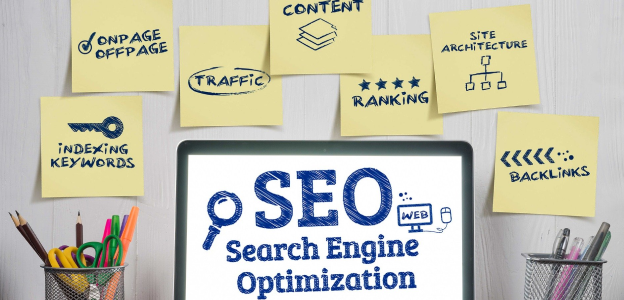
The purpose of A.I. in content marketing can vary greatly. It can help digital marketers better understand all the data available online, speed up the content creation process and develop an effective content strategy, among other benefits.
Some of the specific ways in which A.I. Benefits and implications for content marketing have:
Using predictive intelligence to create unique experiences
The Use of Predictive Intelligence for Creating Unique Experiences
Predictive intelligence allows your business to better understand the needs of its customers and create custom content that matches those interests and desires.
The creation and maintenance of content
The Creation and Curation of Content

Curating engaging and relevant content on a daily basis can be a time-consuming process. However, modern technologies used for content marketing help to find popular topics to focus on. Trying to sift through content manually takes a lot of time and effort. Not only that, but you also need to curate what your audience finds appealing. AI can help do this automatically, making it possible to quickly create content on relevant and commonly searched topics.
Maximizing Content Value

Search engines are much smarter than ever. Thanks to the use of A.I. With SEO, marketers need to look at the bigger picture and how all aspects of digital marketing work together to help a business achieve its goal.
Social media marketing, PPC advertising, blogging, data tracking, and email marketing are all changing because of SEO.
Because of this, comprehensive techniques that include artificial intelligence, automation, and machine learning can be used to ensure that all aspects of digital marketing help improve page rankings.
Improvements in Voice Search
How questions are asked is the biggest difference between text-based and voice search. Because voice search is more conversational, it’s important to optimize it. This means targeting more long-tail keywords to ensure your content ranks high in search engine results pages (SERPs).
With Google’s increasing emphasis on voice search, there is also a greater emphasis on the use of AI. In fact, the Google Assistant can have human-like conversations.
Use of A.I. in your digital marketing and SEO efforts
Utilizing A.I. in Your Digital Marketing and SEO Efforts
As you can see, A.I. offers a lot in the field of digital marketing and SEO. Start using A.I. will help you to optimize your website and efforts and achieve desired goals.
What can AI not do right now?
The good news is that, as mentioned earlier, there are skills that AI cannot master: strategy, creativity, empathy-based social skills, and dexterity. In addition, new AI tools require human operators. We can help people acquire these new skills and prepare for this new world of work.
What can AI do today? AI is a machine’s ability to exhibit human-like abilities such as thinking, learning, planning, and creativity. AI enables technical systems to perceive their environment, deal with what is perceived, solve problems and act in a targeted manner.
What is not possible with AI?
AI cannot bring inventions. AI can follow rules; it cannot create from scratch like humans. People can invent scientific tools, compose songs and mathematical theorems. These innovations are real, unlike any product made by AI.
What are the negative things about AI?
Disadvantages of artificial intelligence
- High costs. The ability to create a machine that can simulate human intelligence is no small feat. …
- No creativity. A major disadvantage of AI is that it cannot learn to think outside the box. …
- rise in unemployment. …
- make people lazy. …
- No ethics.
What are the 3 things that AI can not replace?
8. 12 jobs that AI can’t replace. Human creativity knows no bounds. Strategic thinking, thought leadership, conflict resolution and negotiation, emotional intelligence and empathy are qualities in jobs that AI can never replace.
What is AI not capable of?
The good news is that, as mentioned earlier, there are skills that AI cannot master: strategy, creativity, empathy-based social skills, and dexterity. In addition, new AI tools require human operators.
What are the 3 things that AI can not replace?
8. 12 Jobs AI Can’t Replace. Human creativity knows no bounds. Strategic thinking, thought leadership, conflict resolution and negotiation, emotional intelligence and empathy are qualities in jobs that AI can never replace.
What are the 3 major AI issues?
Most common challenges in AI
- computing power. The amount of power these performance-hungry algorithms consume is a factor that deters most developers. …
- trust deficit. …
- Limited knowledge. …
- human level. …
- Privacy and Security. …
- The bias problem. …
- data scarcity.
How AI can improve marketing?
Better Customer Relationships & Real-time personalization AI can help you deliver personalized messages to customers at appropriate points in the consumer lifecycle. AI can also help marketers identify at-risk customers and target them with information that drives them to re-engage with the brand.
How Artificial Intelligence Will Change the Future of Marketing Marketing teams can use AI-powered tools to automate certain cognitive tasks. They can also identify current trends and predict them for the future, thereby contributing to the success of their marketing campaigns.
How AI will impact digital marketing?
Marketers will see improved customer retention, effective use of marketing budgets, increased revenue, improved lead scoring, and more sophisticated segmentation of data. With the help of AI-based prediction tools, you can create campaigns and promotions that are better targeted to your customers overall.
How AI is transforming digital marketing?
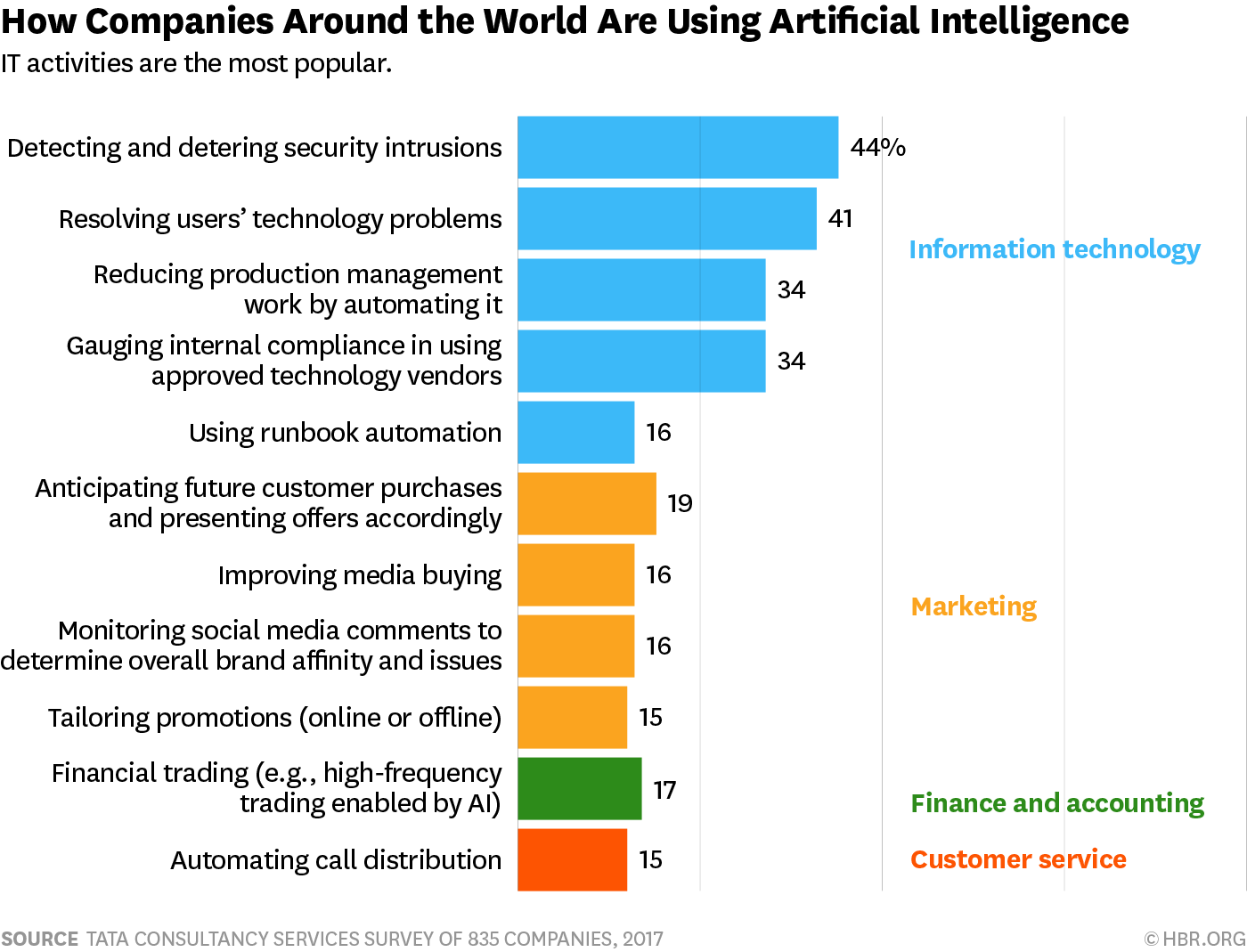
In fact, according to a study by trueNorth, 61% of marketers say AI is the most important part of their digital strategy, and 80% of business and technology leaders say AI increases overall productivity. The positive perception of AI goes both ways – 97% of mobile users are now using AI-powered voice assistants.
How AI is impacting digital marketing?
With the help of artificial intelligence, marketers can make data-driven decisions for better campaign results. Additionally, they can use the predictive efficiency of AI to easily identify their prospects and buying behavior to drive higher sales and customer satisfaction.
How AI will affect marketing?
By helping marketers collect data, identify new customer segments, and create a more unified marketing and analytics system, AI can scale customer personalization and precision in ways that didn’t exist before.
How will AI affect marketing in the future?
Over time, machine learning and AI marketing will help modern marketers personalize offers as customers discover and shop, optimize their journeys and click paths, better predict what they want next, present them with more personalized recommendations, and innovate at all advance fronts.
How does AI help marketing?
AI helps marketers better understand customers and improve the customer experience. AI-powered marketing enables marketers to create predictive customer analytics and make the customer journey more targeted and personalized, effectively increasing the ROI of every customer contact.
How does AI affect marketing?
Better customer relationships and real-time personalization AI can help you deliver personalized messages to customers at appropriate points in the consumer lifecycle. AI can also help marketers identify at-risk customers and target them with information that drives them to re-engage with the brand.
What are the three main ways AI can help you with your marketing?
How AI helps marketing
- Personalization. When you send your prospects the right content based on their needs, you can win business. …
- Competitor Insights. …
- Predictive Marketing.
- chatbots.
- sales forecasts. …
- behavior analysis.
- lead generation.
- targeting.
How does AI help with marketing?
AI helps marketers better understand customers and improve the customer experience. AI-powered marketing enables marketers to create predictive customer analytics and make the customer journey more targeted and personalized, effectively increasing the ROI of every customer contact.
How does AI help online marketing?
When it comes to improving the customer experience using AI, four key developments stand out: chatbots, predictive and targeted content, content creation, and image recognition technology. Each of these can help improve customer service and support and provide more targeted and relevant content.
Does Google use AI in search?
Since 2015, when Google introduced its first AI to search, called RankBrain, Google has continued to use AI systems to better understand speech, thereby improving the search results that Google presents to its searches.
What area of AI is used for translation? It’s called machine translation AI-assisted translation is called machine translation. It converts source language text to output language text.
Does speech translation use AI?
According to Google’s AI blog, most speech-to-speech translation systems follow a three-step process. First they transcribe the speech. They then translate the transcription into the target language before finally generating audio of the translated speech.
Is machine translation part of AI?
Neural Machine Translation (NMT) As mentioned above, the neural MT model uses artificial intelligence to learn languages and constantly improve this knowledge, similar to the neural networks in the human brain.
Do translators use AI?
More specifically, it uses AI to help you work smarter, not harder, while improving translation quality throughout the process. That means content can get to market much faster without sacrificing quality. NMT is the most well-known application of AI in translation.
Is Google Translate powered by AI?
Google Translate’s NMT system uses a large artificial neural network capable of deep learning. By using millions of examples, GNMT improves the quality of translation by using a broader context to derive the most relevant translation.
Does Google Translate uses machine learning?
Google Translate While not exactly 100% accurate, it’s still a great tool to convert text, images, or even real-time video from one language to another. And in case you’re wondering how it more or less exactly translates, Google Translate uses machine learning, of course!
What type of machine learning is Google Translate?
When Google Translate was originally released, they used a sentence-based algorithm, which is essentially a rules-based method with greater complexity. However, it soon improved its quality drastically with the development of Google Neural Machine Translation (GNMT).
Is Google Translate based on machine learning?
Advances in machine learning (ML) have led to improvements in automated translation, including the GNMT neural translation model introduced in Translate in 2016, which has enabled large improvements in translation quality for over 100 languages.
Is Google Translate a machine?
Google Translate is a multilingual neural machine translation service developed by Google to translate text, documents and websites from one language to another. It offers a website interface, a mobile app for Android and iOS, and an API that helps developers create browser extensions and software applications.
How is Google Translate made?
In November 2016, Google switched its translation method to a system called neural machine translation. It uses deep learning techniques to translate whole sentences at once, which has been measured as more accurate between English and French, German, Spanish, and Chinese.
What technology does Google Translate use?
The core algorithm used by Google for its translation services is called NMT, or Neural Machine Translation. The NMT system is popular because it uses an extensive artificial neural network that can learn deeply.
How is Google Translate programmed?
Google Translate’s NMT system uses a large artificial neural network capable of deep learning. By using millions of examples, GNMT improves the quality of translation by using a broader context to derive the most relevant translation. The result is then rearranged and adjusted to approximate grammatically based human language.
Where does Google Translate get its translations?
The translator community consists of volunteers who check translations and offer short translations of some sentences. Millions and millions of posts were fed into the translation engine, which ultimately helps her learn more.
Which is better data analytics or artificial intelligence?
Therefore, in the end we come to the conclusion that while data science is a job that performs the analysis of data, artificial intelligence is a tool to create better products and give them autonomy.
Is data analysis the same as AI? Data Analysis vs. Artificial Intelligence Data analysis is concerned with finding patterns based on past data to predict future events, while AI involves data analysis, making assumptions and aiming to make predictions beyond human capabilities.
Will AI take over data analytics?
AI takes over data science jobs by doing all big data related work. Without much effort, automation can process, sort and analyze data and make informed business decisions. WHY DO ENGINEERS NEED TO LEARN DATA SCIENCE IN 2021?
Will robots replace data analyst?
66% chance of automation “Data Analyst” might be replaced by robots. This job is ranked 366 out of 702. A higher rank (i.e., a lower number) means the job is less likely to be replaced.
Can AI do data analytics?
Predicting business and marketing outcomes AI-powered systems can analyze data from hundreds of sources and make predictions about what’s working and what’s not. AI can also dive deep into your customers’ data analysis and make predictions about consumer preferences, product development and marketing channels.
Will data analytics become automated?
Yes, data science is a future-proof industry that will continue to grow along with artificial intelligence, computer science and deep learning technologies. Data scientist job roles will evolve to accommodate these technological advances.
Will data analysts be replaced by AI?
Artificial intelligence and data analytics work together to improve each other’s efficiency, and yes, most machines replace humans, but artificial intelligence will never be able to replace data analytics, which is a known fact.
Will data analysts become obsolete?
Yes, data science is a future-proof industry that will continue to grow along with artificial intelligence, computer science and deep learning technologies. Data scientist job roles will evolve to accommodate these technological advances.
Can data analysts be automated?
Automated data analysis is the practice of using computer systems and processes to perform analytical tasks with little or no human intervention. Many companies can benefit from automating their data analysis processes.
Will AI replace data scientist jobs?
Rather than jeopardizing data science jobs, A.I. is far more likely to are becoming extremely intelligent assistants for data scientists, enabling them to perform more complex data simulations than ever before. Analytical skills will soon be required in many more traditional roles.
How can AI helps in digital marketing?
AI enables marketers to personalize their communications at an individual level, rather than generic audiences that marketers have historically relied on. This technology works by predicting customer behavior based on information gleaned from past brand interactions.
How will AI impact digital marketing? Marketers will see improved customer retention, effective use of marketing budgets, increased revenue, improved lead scoring, and more sophisticated segmentation of data. With the help of AI-based prediction tools, you can create campaigns and promotions that are better targeted to your customers overall.
Can AI be used in digital marketing?
AI is now also widely used in digital marketing, working in the background while making pay-per-click advertising more effective, personalizing websites, creating content, predicting behavior, and more.
Does AI affect digital marketing?
Some say it will also radically change the way marketing and sales are done, including shaking up the need for digital marketers. But to be honest, there isn’t a lot of solid information yet on exactly how AI will impact digital marketing roles in the years to come.
How does AI benefit from digital marketing?
As Smart Insights notes, “AI can help email marketers reach the right customers at the right time, ensuring messages are relevant, engaging, and more likely to convert. It also allows you to better analyze what types of messages, subject lines, design, and images produce the best results.”
Can AI be used in marketing?
AI marketing uses artificial intelligence technologies to make automated decisions based on data collection, data analysis, and additional observations of audience or economic trends that may impact marketing efforts. AI is often used in marketing efforts where speed matters.
Is artificial intelligence the future of marketing?
Artificial intelligence is the only way for companies to keep up with ever-increasing customer demands and expectations. It’s safe to say that AI is the future of marketing. There is no limit to how close human experience will bring it to technology and its many advances.
Is AI the future of marketing?
AI Shaping Digital Marketing 61% of marketers say artificial intelligence is the most important aspect of their data strategy. 80% of business and technology leaders say AI is already increasing productivity. Current AI technology can increase business productivity by up to 40%.
Is artificial intelligence good for marketing?
Better customer relationships and real-time personalization AI can help you deliver personalized messages to customers at appropriate points in the consumer lifecycle. AI can also help marketers identify at-risk customers and target them with information that drives them to re-engage with the brand.
How AI will affect marketing?
By helping marketers collect data, identify new customer segments, and create a more unified marketing and analytics system, AI can scale customer personalization and precision in ways that didn’t exist before.
Search Engine Optimization (SEO) Tips For Software Companies & Blogs
How can software companies advance in the search engine rankings? Given expert details, it is essential to understand that competition is quite fierce, and the quality of services or products plays a key role. Therefore, SEO promotion possibilities still allow you to bypass even the best competitors in the market.
Looking for where to start with SEO for software companies in 2022? What new strategies and techniques should you try for SEO for promoting tech companies?
Top 6 SEO Tips for Software Companies

So where to start promoting SEO technology? There may be many tips, but here you will find the best ones that are definitely worth using if you want your blog to attract both user and search engine attention.
Use Guest Posting
Backlink building is one of the evergreen and relevant tactics in SEO promotion. If we are talking about the most effective and safest way, then you should consider guest posting. You can search for partner websites on your own, or you can use a paid guest posting service.
To save time and get high quality backlinks, the last option is the right one. You will get links from quality websites and avoid all the risks of implementing this strategy at your own risk. As a result, you will be able to get high quality backlinks and an influx of targeted traffic, as backlinks will come from websites that are in the same niche as you. Operating a guest posting independently can be a tedious task that will require time and money, and can also be risky.
Improve User Experience
If you want to promote your blog and product effectively, improving the user experience should come first. Furthermore, for software companies, providing the user experience of your product and website is just as important. In the context of SEO, you should first focus on the task and find an SEO-friendly design solution.
The concept of SEO-friendly design is quite broad – it includes UI and UX, the color scheme you use, the site’s upload speed, user behavior patterns, and much more. All of these seemingly insignificant factors affect SEO directly, so feel free to check the Match Box to find more life-proven insights into design that SEO friendly.
Select the Right Keywords
Selecting and embedding the relevant keywords is not a one-time task. If you chose the keywords for your software a year ago, they may not work today because users can change their needs very quickly, especially in terms of the apps they want to use.
Like there are many client portals for better file management. There are many SEO software solutions to discover and update key queries that are currently in your niche. For example, Ahrefs comes with the ultimate set of features for SEO and website analytics. Answer The Public, in turn, is great for compiling the FAQ sections on your site and reaching for Google snippet.
Also, all of these tools present the relevant and up-to-date set of keywords that your customers can currently use to find you. So take a look at what’s changed in the keyword world and make sure your keywords are still relevant today.
Create Expert Content
Software companies should focus on producing specialized content. Such a niche creates all the necessary conditions for this, and when it comes to SEO, this is a great opportunity to start moving up in rankings.
For example, if you’re creating accounting software, then it’s worth creating content that will help experts in this area in their professional activities. If you offer software for SEO promotion, then create relevant content for SEO experts and website owners. Focusing on your niche and developing a niche blog is a success formula for promoting your website and business. When the audience finds that they are reading a well-established professional, they are much more likely to choose your services.
Use Different Types of Content
To attract the attention of search engines, writing specialized articles is not enough. Or rather, one text is not enough if you are planning to take the best places in the site. Today it is worth considering the possibilities of video content and not going beyond creating unique infographics.
So, create guides and tutorials on how to use your software. Such videos and infographics will be in demand, which will allow you to receive traffic, as well as valuable backlinks. In addition, search algorithms prioritize those websites that have at least one video over those that have only text content. Also, videos and images are great for improving the site dwelling page, which is another advantage of SEO.
Improve Your App Descriptions in Official Application Stores
Those technology brands that promote mobile applications for Android and iOS are also welcome to take advantage of promoting their apps in stores. All you have to do is write an optimized SEO description for your application and add it to its in-store page. To create a winning description, follow the basic SEO rules, using your brand name, mentioning the major pain points your application helps with, highlighting the benefits, and adding a sales touch.
So, we’ve highlighted simple yet effective SEO tactics that you can currently use to promote your software product. Be sure to use them all as promoting effective SEO is always a set of different approaches and actions. Furthermore, you should work on SEO day in, day out, approaching the highest step by step.
Remembering Bill Slawski: SEO Legend, Mentor & Friend
The SEO industry will be changed forever with the loss of Bill Slawski, Owner of SEO By The Sea, Director of Research at Go Fish Digital, Educator, Mentor and Friend.
Bill was many things to many people. He’s been a contributor here to Search Engine Journal since 2019, and a friend and mentor to many of us for decades.
It’s not often you can say someone has influenced and shaped an entire industry. But this is one of those times.
On May 19, 2022, the SEO industry learned that Bill Slawski passed away.
The loss and sadness in our community was palpable.
We are devastated to share that our colleague and dear friend, @bill_slawski has passed away. Words simply cannot express our sadness. We are forever grateful to have had the opportunity to work with Bill. We will be sharing much more information and arrangements as they become available to us. pic.twitter.com/5mD6jqw7XR
— Go Fish Digital (@GoFishDigital) May 19, 2022
A research patent expert, colleague and mentor to many, and friend to many, Bill has touched the lives of everyone in the research industry.
If you hadn’t read one of the thousands of articles he wrote or contributed to, watched one of his interviews, attended one of his talks, or listened to a podcast he was on guest – I guarantee that someone you work with, learn from, or work for has.
This was largely due to Bill’s vast knowledge and expertise, combined with an unparalleled passion for the nuances and technological advancements that make search engines tick.
I spoke with Bill a few weeks ago when we were planning a feature article on which patents he thinks have the most impact for search marketers.
In this interview, he explained his love for patents.
“One thing I always say about patents is that they are the best place to find hypotheses about researchers, research and the web. They are research engineers who share their opinions in addition to solve problems,” he said.
He liked to see what engineers thought and had to say about different issues on the web.
“One of my favorite types of patents to search for is when they repeat a patent and file a continuation,” Bill explained. “I like to look at these continuation patents and see how they’ve changed, because they don’t tell you, ‘This is what we’re doing.'”
This innate curiosity and genuine passion for unraveling the intricacies of the search algorithms we work with every day has made talking with Bill and reading about his work a real joy.
I can’t tell you how many times I’ve gone to Bill or referenced his work in mine over the years like so many others.
He had a real talent for making complex concepts more accessible to readers and marketers of all persuasions. Therefore, his contributions to our collective understanding of how research works are unparalleled.
Bill Slawski’s work and knowledge is the foundation of the practice of SEO as we know it today.
I speak for all of us at SEJ in saying that we are incredibly grateful for what he generously shared with each of us.
He was also a close friend and respected colleague of our founder, Loren Baker.
“Bill Slawski was a true friend of mine in more ways than one. First, he was an amazing mentor who helped me quite early in my career, even before the days of social media or search Diary. He was my buddy and co-worker,” Loren said.
Bill and Loren worked together for a few years and spent a lot of time in the parking lot in Havre de Grace, Maryland, smoking cigarettes and talking about Google patents.
“If anything, I’d say Bill taught me that there’s so much more to SEO than just rankings,” Loren explained, adding that Bill taught her the importance of incorporating storytelling into all the work you do.
“He taught me the ethics and craftsmanship behind creating a piece of digital art that people will want to read, want to share, and eventually search and click on – touching their lives,” he said. he declares. “I will miss Bill deeply. It is very difficult to lose friends.
Having started in 1996 and launched SEO By The Sea in 2005, Bill was the go-to source when you wanted to understand how search engines work or how they are changing the way we search or live our lives.
But it was much more than that.
Bill was generous with his time and eager to share his knowledge of research, information retrieval, NLP and other information technologies with everyone.
He had a knack for taking complex patents, algorithms, concepts, real-world behaviors and search engines and explaining how the world of search and information retrieval worked in a way that everyone everyone could understand.
Bill seemed to have an instinct to figure out what you knew and didn’t know or where you were confused. He could fill in the gaps without making you feel like a fool for asking. Even if it was the millionth time he had answered that question.
You also didn’t have to be an SEO rock star or a seasoned pro.
If you don’t understand something or have questions, he’ll be happy to spend hours explaining concepts and offering (or creating) resources to help you. And as many industry players who have met Braggadocio can attest, you always felt like a long-lost friend, even though you had just “met” him in writing.
“It’s like when you go to a conference and you’re one of the first people there. And all the seats are still empty and there’s not a lot of discussion going on. That’s what the SEO world back then… I remember coming across an SEO forum and just being a lurker, just looking at what everyone was talking about and thinking, “this is a weird career”. I’m not sure I can do this. In the end, I did.
I started working and promoting a website for a couple of friends who started a business. And so helping them succeed in business was a pretty good motivation. Bill Slawski, CognitiveSEO Talks interview, April 5, 2018
Bill’s wealth of knowledge also extended well beyond research.
With a Bachelor of Arts in English from the University of Delaware and a Juris Doctorate from Widener University School of Law, Bill spent 14 years as a court manager, administrator, technologist and analyst. of management in the Superior Court of Deleware.
He loved nature and plants, and the ocean. He loved travel and research conferences, but he eventually found peace in nature and often enjoyed it. And he shared it with all of us.
Bill pushed everyone to look beyond titles and keywords.
He was quick to add words of support and congratulations when someone shared an achievement. He encouraged everyone to explore the possible, to not be intimidated by new things, and to better understand the research ecosystem, not just the technology, so that we can better serve our families, our communities, our colleagues and our clients.
His kindness, generosity, loyalty and love of the industry knew no bounds.
I’m so sorry to hear that @bill_slawski passed away 😔 One of the first SEOs I started following and reading. He and his always insightful contributions to the analysis of patents in research will be sorely missed. Rest in peace Bill and thank you for everything! 🙏 https://t.co/8dwhaGbWX6
— Aleyda Solis 🇺🇦 (@aleyda) May 19, 2022
Here at Search Engine Journal, Bill was a familiar face on social media and a VIP contributor, but he was so much more than that.
One of the things I will miss most about Bill Slawski is the outdoor photography he shared on Twitter.
As deeply rooted as he was in SEO and online marketing, he always took the time to step back from the keyboard and admire the beauty in life.
I think it’s something we could all benefit from doing more.
I had known Bill Slawski for almost 20 years, through search marketing forums and conferences. He caused a stir with all the things he found in patents, which went a long way to demystifying what search engines were doing.
What impressed me the most was his generosity with his time and how encouraging he was to me and everyone. I feel privileged and honored to have been able to call him a friend.
Brent Csutoras, Advisor and Owner
A big part of our marketing journey has been understanding not just how something works with Google, but also what they’re trying to accomplish over the next few years so we can be prepared and ready to pivot when needed.
Bill’s work on patents provided valuable information that very few people were able to distill and yet everyone benefited.
He was instrumental in getting us to where we are today as SEOs and digital marketers.
Bill Slawski Was A Man Of Quiet Impact

“My first interaction with Bill Slawski was on Kim Krause Berg’s Cre8asite forum. I was trying to learn what SEO was, so I went into hiding, absorbing knowledge from Bragadocchio, Black Knight, Grumpus, Barry Welford and others I know Bill started over 10,000 threads there while he was one of the admins and one of the first things that struck me was his willingness to patiently share his I had no idea who he was at the time, but it soon became clear that he was someone worth listening to.”
Atul Gawande once wrote that life has meaning because it has a story, a story driven by a deep need to identify goals outside of ourselves and a transcendent desire to see and help others realize their potential.
It was the essence of Bill’s life.
Not just in the wealth of unparalleled knowledge and resources he gave us, but in the inspiration, guidance and encouragement he instilled in us all. It is his legacy and he who will live.
It’s been hard to hit publish on this piece because I don’t think anything we share can do this legacy justice.
Search Engine Journal will leave Bill’s content library here untouched in perpetuity, and we’ve left open comments below for all to share your contributions to this memorial for Bill.
Thank you, Bill, for sharing your intelligence, passion, and knowledge with the SEO community.
Written in collaboration with Angie Nikoleychuk.
Search engine optimization for developers 🚀
Tired of seeing your website on page 2 of Google search results, right? Tired of seeing your competitor dominate at the top every time? We get it, and you’re not alone!
As a developer, there are some things you can do to increase the SEO friendliness of your website. That’s right, it’s not all keywords and content marketing.
By joining our session on Search Engine Optimization for Developers, you can become any marketing team’s best friend by learning how to build websites that drive more traffic and improve your search engine results. Learn how to master that pesky Google crawler and add one more skill to your resume.
Search Engine Optimization (SEO) Market 2022 Dynamic Industry Forces: Screaming Frog, SpyFu, Bonus Tool, Siteliner, Yoast SEO, etc. – The Daily Vale
The Search Engine Optimization (SEO) market research focuses on the characteristics of the target market, as well as current methods of business expansion, investment prospects, market advancement and growth rate, and the latest breakthroughs in the industry. Search Engine Optimization (SEO) Global Market Research covers product specifications and requirements, company profiles, production location, revenue, and contact information. The study covers growth factors and opportunities such as strategic alliances, services, contracts, new product launches and joint ventures, as well as strategic alliances, services, contracts, new product launches, and joint ventures. The competitive landscape portion of the survey report lists the major vendors in the search engine optimization (SEO) market. It also provides detailed information on partnerships and methods used by companies in the target market to counteract competition.
Order a sample report here https://www.orbisresearch.com/contacts/request-sample/5875109
Major players in the global search engine optimization (SEO) market:
screaming frog
SpyFu
Bonus tool
Siteliner
SEO
SEMRush
Ahrefs
MOZ
KW .Name search engine
Careful examination provides a clear microscopic perspective of the entire industrial scenario. The research report analyzed the performance of critical companies in terms of critical revenues, gross margin, geographic coverage, production volume, growth rate, distribution network and remarkable CAGR.
The search engine optimization (SEO) industry type includes:
SEO on the product page
SEO content
5 steps to get started with search engine optimization
There are a lot of acronyms in legal marketing these days. Some are more important than others. Search Engine Optimization (SEO) is a pillar of marketing talk these days and is extremely important to your business. In a world where users start their search with Google, it’s important to optimize your site so they can find you.
At a high level SEO is a branch of legal marketing that includes many tactics to help you optimize your site for search engines, which means helping you appear on the first page of Google results. There are many search engines today, but Google still dominates, with a 92% market share. For that reason, the tips covered in this guide will focus on optimizing your site for Google.
SEO has so many aspects, it can be overwhelming. At the most basic level, it is important to understand the following:
With those basics in mind, here are five tips to get your law firm started with SEO.
Contact the LSI team to help with your SEO efforts.
Before we get to any strategies or tactics, we believe that search engine optimization begins with a change of mindset. SEO is not for you, the law firm: you already know where to look. Consider how consumers talk about your company, and how search engines currently view your website and competitors. The way we see ourselves internally often does not match the way the end user thinks of us. This is an important step because it will allow you to get the most out of the right things (keywords, information architecture, etc.). Like any good project, it’s important to do your research before getting started.
To investigate how consumers think about you, here are some tactics you can use:
Much like other legal marketing strategies, optimizing your law firm’s website will be a wasteful endeavor if you can’t measure the results. There are plenty of tools out there that you can use to assist your SEO efforts, some paid, some free. At the very least, you need to make sure your website is linked to the following tools (all for free):
Contact us to help you through this process.
A website map is a map of your site, created specifically for search engines. It helps the engines navigate your site more easily, which in turn allows them to index your site faster. Depending on the content management system your site is built on, presenting your site can be a relatively easy task. You may not even need to contact your IT department.
At LSI we love the Yoast SEO plugin. You can find your xml website map under the Yoast features tab.
Once you have a website map, make sure you submit it to the Google Search Console and Bing Webmaster tools.
Have you ever searched for “pizza near me” for a family dinner on a Friday night? We all have it. Adapters like “ger me” or “[query] rittenhouse square” are known as local adapters. Local search is more important than ever. According to Nectafy, 88% of consumers’ local business searches on a mobile device either ring or visit the business within 24 hours.
If you want your company to be discovered when local consumers are looking for, say, a “car accident lawyer near me”, it’s important that you claim your company on Google and other directories. Claiming your law firm on Google starts with setting up a Google My Business account, from where you fill in the relevant information and you’re set.
Content is the focal point around which SEO revolves. Law firms need to be seen as thought leaders. Seek to produce quality content that demonstrates company knowledge. If your company is known for a particular practice, make sure you have many thought leadership pieces around that practice. These pieces can take many forms:
Search engine optimization is a long game. It usually takes 6 months to make moves in the search engine results pages. With these basics in place, you’ll have a good foundation to start using other optimization tactics.
Answer. When optimizing a website for search, the effect that meta tags and title have on the search engines is d) they are embedded messages that help the search engine determine what is on the page . The Meta tags are known to be snippets of text that describe the content of the page.
What is a first step for search engine optimization?

You might ask what is the first step in the search engine optimization process for your website? The answer is Keyword Research. Knowing your target audience and what they are looking for is the key to optimizing your website’s reach.
Which of the following is a search engine marketing advantage? This is a trend that is well practiced today as it is cheap, convenient and an efficient way of letting customers choose their interested goods and products from the many varieties present the market “
When use them every day but what is the overall purpose of a search engine?
However, the main purpose of search engines is to increase data usage and earn money. Ads and websites earn through search engines. Was this answer useful?
What is the purpose of search engine optimization?
Search engine optimization (SEO) is the art and science of getting pages to a higher rank in search engines like Google. Because search is one of the main ways that people find content online, ranking higher in search engines can lead to an increase in website traffic.
What is search engine and example?
A search engine is a web-based tool that allows users to find information on the World Wide Web. Popular search engine examples are Google, Yahoo !, and MSN Search.
What is the purpose of search engine?
Search engine is a software program that helps people find the information they are looking for online using keywords or phrases. Search engines can quickly return results â € ”even with millions of websites onlineâ € by continuously scanning the Internet and indexing every page they find.
What is a purpose of search?
“Being able to use a search is a great way to be able to do much more in less time. It lets you find what you need right away. It enables you to understand things better, to seek better information, to make better decisions about where you want to shop or eat. It improves your life.â €
What is the importance of search engines to students?
Students also use search engines to meet daily information needs, solve problems, increase knowledge, reduce doubts, clarify things, entertain, fulfill curiosity about others, etc.
What are the 5 ingredients for SEO?
The New ‘SEO’: Five Ingredients for a Profitable Search Experience Optimization Recipe
- Know who you are cooking with. Pay attention to your user data, and you’ll know which direction to go: …
- Feed them something delicious. …
- Make them come back for seconds. …
- Use unique ingredients. …
- Clear the pests from the kitchen.
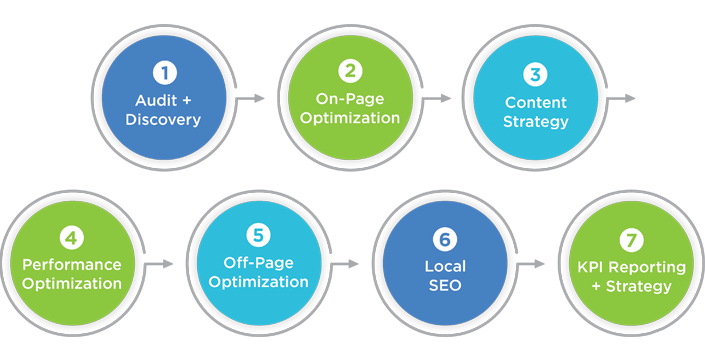
What are 4 main components of SEO? Each component builds on and complements the others. The stronger the links between each of the 4 components of SEO – technical SEO, on-page SEO, off-page SEO, and content – the better the results. Being aware of the links will help us better understand how to use them best.
What are the benefits of collecting data?
Data collection can help gauge an overall situation, not limited to specific cases or events. When data is collected, tracked and analyzed credibly over time, it becomes possible to measure progress and success (or lack thereof).
Why is it important to collect data for research? Methods of data collection are important, because of the methodology and analytical method used by the researcher that determines how the information gathered is used and what explanations it can produce.
What is data collection and why is it important?
Data collection is vital for businesses of any size. Data collection is the “process of gathering and measuring information on variables of interest that enable one to answer questions, test hypotheses, and evaluate results,” according to the Office of Research Integrity.
What is the importance of data collection?
Why is Data Collection so important? Data collection enables you to store and analyze important information about your current and potential customers. Collecting this information can also save your company money by building a customer database for future marketing and re-targeting efforts.
What is the most important thing in data collection?
The most essential objective of data collection is to ensure that reliable and rich data is collected for statistical analysis so that data-based decisions for research can be made.
What is the importance of data?
Data enables organizations to determine the cause of problems more effectively. Data enables organizations to visualize relationships between what is happening in different locations, departments and systems.
What is an example of Search Engine Optimization?

Companies are trying to optimize search engines, or SEO, to help gain more awareness and make their company a higher search engine rank. SEO is used through search engines like Google, Yahoo, MSN, Bing, and the like. Search engine optimization uses keywords that attract a user to the company.
How many types of SEO are there? The three types of SEO are: On-page SEO – Anything on your web pages – Blogs, product copy, web copy. Off-page SEO – Anything that happens off your site that helps with your SEO Strategy – Backlinks. Technical SEO – Any technical thing done to improve Search Rankings – index sites to help bot crawl.
What is used to optimize search?
SEO means “search engine optimization.” Simply put, it involves improving your site to increase its visibility when people search for products or services related to your business in Google, Bing, and other search engines.
What are Search Engine Optimization tools?
SEO tools provide data and alerts about the overall health and success of your site. They help uncover areas of opportunity and identify weaknesses or issues that may prevent you from scaling and gaining visibility in the SERPs. Just as actual tools have a specific role, the same goes for SEO.
What is search in optimization?
Search engine optimization (SEO) is the art and science of getting pages to a higher rank in search engines like Google. Because search is one of the main ways that people find content online, ranking higher in search engines can lead to an increase in website traffic.
What is SEO & How it works?
Well, SEO stands for ‘Search Engine Optimization’, which is the process of getting traffic from free search results, organic, editorial or natural in search engines. It aims to improve your website’s ranking in search results pages. Remember, the higher the site is listed, the more people will see it.
What is SEO in simple words?
SEO stands for search engine optimization, a set of practices designed to improve the appearance and placement of web pages in organic search results.
What is SEO and how it is used?
SEO means Search Engine Optimization and is the process used to optimize the technical configuration of a website, the relevance of content and the popularity of links so that its pages can become easy to find, more relevant and popular for user search queries, and as a result, search engines install them better.
How does SEO work in simple words?
SEO works by optimizing website pages, conducting keyword research, and gaining inbound links. Generally, you can see the results of SEO efforts once the web page is crawled and indexed by a search engine. Take a deeper look: There are many ways to improve the SEO of your website pages, though.
What are key areas of on page SEO?
On-page SEO refers to the SEO elements you manage on the webpage, or the code of the web page, itself. Examples of on-page SEO include content, headings and headings, image optimization, title tags, meta descriptions, structured data, and more.
What is a Key on an SEO Page? Although meta descriptions do not directly affect rankings, it is still considered one of the key SEO elements on the page. Writing a clear and compelling meta-description that succinctly reflects what your content means can help improve click through, which then translates into more traffic.
110 top 100 free SEO tools
SEO (short for search engine optimization) is the practice of tweaking your website so that it is higher in search engines like Google.
If your site is not ranked as well as you would like, it is time to take a good look at your SEO strategy.
Proven and true, and even new, SEO tools make it easier for site owners to find what they need to do to stay on top.
What Are SEO Tools?

SEO Tools provides data and alerts on the overall health and success of your website.
They help you discover areas of opportunity and identify weaknesses or problems that may prevent you from ranking and gaining visibility in the SERPs.
As current tools have a specific role, the same is true in SEO.
There are SEO tools that can help you with:
SEO tools are incredibly useful – but you need to understand how to use them to get the most out of them.
There are also a few tools that can help you in more of the areas we’ve just mentioned, giving you more of a glimpse at once into your SEO performance.
Do You Need SEO Tools?

Imagine trying to build a table with just your hands.
You’re not going very far, are you?
You will need tools – saws, a measuring tape, a drill and a screwdriver, to name a few.
Well, if you want to build a website, you will only be at your fingertips.
You can build a website, but without tools, you don’t know:
What Are The Best Free SEO Tools?

If you are looking to get started with SEO or want to get better results for the low and low price of $ 0, here are 110 of the best free SEO tools you should use.
Free SEO Analytics Tools

1. Google Analytics
Google Analytics is an invaluable resource that is virtually indispensable to any serious digital marketer based on SEO.
It provides a lot of useful data on websites, such as the number of site visits, traffic sources, and site demographics.
With detailed information from Google Analytics, digital marketers can adjust their content strategy and understand what works and what doesn’t.
Google Analytics is one of the best free SEO tools that any digital marketer should use.
2. Data Studio
Google Data Studio lets you combine data from different sources, such as the Google Search Console and Google Analytics, and create shared views.
If you’re just getting started with this, this beginner’s guide to Data Studio will come in handy.
More advanced users can learn how to use CASE statements for better segments of Data Studio here.
3. Keyword Hero
Leave it to Keyword Hero, which uses advanced math and machine learning to fill in the blanks.
This service is free for over 2000 sessions per month. Keyword Hero is also currently providing a free 90-day trial.
4. Mozcast
Mozcast tracks change big and small with Google’s search algorithm.
With Google making hundreds of changes on an annual basis, keeping up with the latest developments helps ensure that you do your best to get the best SERPs.
5. Panguin Tool
The Panguin Tool, provided by Barracuda Digital, aligns your search traffic with known changes to Google’s search algorithm.
If you see a drop that goes online with an update, then you’ve probably found the culprit and can get to work to fix it!
Free Crawling & Indexing Tools

6. Redirect Path
The Redirect Path Chrome extension will mark 301, 302, 404, and 500 HTTP Status Codes.
In addition, client redirects such as meta and JavaScript redirects will also be reported, ensuring that any redirect issues can be detected immediately.
HTTP headers such as server types and cache headers, as well as server IP addresses, can also be viewed at the click of a button.
In addition, all of these details can be copied to your clipboard for easy sharing or attached to a technical audit document.
7. Link Redirect Trace
Use this Chrome plugin to make sure all your link redirects direct people and crawlers to where you want to go.
8. Quick Click Website Audit
Quick Click Website Audit is a bookmarklet-style extension that links to some of the most used online SEO tools today.
When a link is clicked, it extracts the URL of the current page and feeds it into the selected tool, so you don’t have to copy and paste the links into all the tools. Save a few seconds, tens of times a day.
9. Screaming Frog SEO Spider
Crawl your website for SEO errors.
Discover HTTP header errors, JavaScript rendering errors, excess HTML, crawl error, duplicate content, and more with Screaming Frog SEO Spider.
10. Screaming Frog Log File Analyzer
Upload your log files to Screaming Frog’s Log File Analyzer to confirm the search engine bots, check which URLs have been crawled and study the search bot data.
11. SEOlyzer
Another SEO log analysis tool that provides real-time data and page categorization.
12. Xenu
One of the original free SEO tools, Xenu is a crawler that provides basic site audits, searches for broken links, and other suspicious content.
13. Where Goes?
Track where the redirect URL and shortened links go with Where Goes?
14. Check My Links
Check My Links is a nifty Chrome extension that will crawl your webpage and identify the status code for every link on the page – including broken links.
Each status code is color-coded with 200 status codes turning dark green, 300 status codes turning light green, and 400 status codes turning red.
Once identified, you can copy all the bad links to your clipboard with one click.
15. Robots.txt Generator
Create a correct robots.txt file in no time so that search engines know how to crawl your website.
Advanced users can customize their files with Robots.txt Generator.
16. HEADMaster SEO
Check the URL in bulk for status code, redirect status, response time, response header, and HTTP header fields with HEADMaster SEO.
Get real-time results, sort and study your results, and export your work to CSV.
17. Keep-Alive Validation SEO Tool
Check the URL en masse – or one at a time – to see if their servers support persistent connection, which makes your website load faster.
Check which version of HTTP is your server and whether there is an external connection in your URL with this tool.
18. Hreflang Tag Generator
Generate hreflang tags so that Google knows in which language the particular pages on your website are located. This will allow Google to search for pages in that language.
19. XML Sitemaps
Create a site map of up to 500 pages for free without registration.
Download your sitemap as an XML file or use it via email.
20. BROWSEO
BROWSEO allows you to see how your website looks in a search engine.
Just strip your web page of any style and it will show you the structure below. This helps you understand if the Google bot has any difficulty accessing important content on your site.
A neat feature of this free SEO tool is the SERP preview. This shows a preview of how your site appears in search results.
You can see if your titles and meta descriptions are properly optimized and make changes as needed.
21. SFAIK Screaming Frog Analyzer
A robust visualization of Screaming Frog crawl data using Google Data Studio.
22. SEOWL Google Title Rewrite Checker
This Google Title Rewrite Checker will allow you to check whether Google is rewriting the title of a list of pages that allow for a more in-depth analysis of the Title Tag structure.
Free Keyword Research Tools
23. AnswerThePublic
AnswerThePublic is an ingenious tool that provides content marketers with valuable data on the questions that people ask online.
Once you enter a keyword, it takes the popular queries based on that keyword and generates a cool graph with the queries and phrases that people use when searching for that keyword.
This data gives content creators an insight into the concerns and desires of potential customers and enables them to create highly targeted content that meets these needs.
Public Response also provides keyword suggestions using prepositions such as “versus”, “like” and “with”.
It’s an excellent search tool that can help you create better content that people will like and be more likely to share.
24. Keyword Explorer
This keyword research tool will give you up to 1,000 keyword suggestions, a keyword difficulty score, click date and SERP analysis. You can do 10 free searches per month.
25. Keyword Planner
Google’s Keyword Planner is intended for advertising campaigns, but you can also use keyword research to see how your keywords perform in your ads.
26. Keyword Sheeter
Get keyword volume, cost per click, and competition data with this free keyword tool.
27. Keywords Everywhere
Keywords Everywhere is a keyword research tool to use because of its massive list of sites that provide free search volumes, CPC, and competing data for:
It is available for Chrome and Firefox.
28. wordable.io
This tool allows you to put your Google Docs in WordPress, keeping your format free from excessive code. Start with five free exports – no credit card required.
29. Also Asked
Find out what people are asking about particular keywords so that you can write content that answers those questions with Also Asked.
Search by country and in different languages. You can request three free searches to get started.
30. Google Trends
See interest in a particular term from a short time to an hour until 2004 with Google Trends.
Sort by category, country, and search type. View related topics, popularity by region, most recent search terms, and compare with other terms.
31. Keyword Surfer
This Chrome extension shows you the right search volume in your Google search results. You can also see the number of keywords and the number of keywords for the top-ranked pages.
32. CanIRank
As the name implies, CanIRank helps you know if you can rank on the first page of search engines for a particular keyword.
Unlike other tools that only provide data on how competitive your keywords are, CanIRank lets you know the likelihood that you will rank for a search term and uses AI to give you suggestions on how to best rank your keywords. keywords.
CanIRank provides big data competitive analysis and action steps to get your site ranking higher with better SEO.
33. Seed Keywords
Come up with a question or topic you want to search for, send it to your contacts, and select the keywords they are looking for to get the information you want with Seed Keywords.
34. Exploding Topics
Similar to Google Trends, Exploding Topics will help you discover topics that are going to be popularly searched before they become popular!
35. Ubersuggest
Ubersuggest is a simple keyword research tool that scrapes data from Google’s Keyword Planner for keyword ideas based on a keyword you provide.
The tool also returns useful data for each keyword including search volume, CPC and competition level.
An excellent feature of Ubersuggest is its ability to filter keywords that you are not interested in in search results.
The tool recently added a feature where you can type in a competitor’s domain to get better keyword ideas.
36. Keys4Up
Get related keywords, also known as semantically linked keywords, for each search using Keys4Up.
37. Wordtracker Scout
Wordtracker Scout will help you find out what keywords people are looking for when they are ready to make a purchase.
38. KWFinder
With KWFinder, you can discover long-tail keywords – the more specific, less used keywords that yield higher results because of how specific they are.
Free Link Tools
39. Disavow Tool
Use Google’s Disavow Tool to get rid of toxic backlinks.
40. Moz Link Explorer
View the backlink profile and domain authority of any URL with Link Explorer.
41. Link Miner
Find out if a particular URL has any broken links and find out the metrics of those links, including search and social data with the Link Miner extension.
42. Backlink Checker
Use this Backlink Checker to find out all the backlinks data on a particular URL.
See the number of referral domains, the number of backlinks, the domain rating and URL, and their Ahrefs Rank, the position of a domain in the Ahrefs list of the most powerful sites.
43. The Anchor Text Suggestion Tool By Linkio
Find the best anchor text to use for any URL with this Anchor Text Suggestion Tool.
44. SendPulse
SendPulse allows you to configure email, notification, and SMS chains based on user actions, variables, or events.
45. Magic PR
Receive a press release informed of the best SEO practices with Magic PR.
46. Scraper
This Chrome extension allows you to scrape data from any URL and export the information to a spreadsheet.
47. Help A Reporter (HARO)
Helping a Reporter is a resource that connects journalists and experts who act as sources of stories.
48. Streak
Convert your Gmail inbox to a customer relationship management (CRM) software with this free extension.
Local SEO
49. Google Business Profile
Connect with customers through Google Search and Google Maps using a free Google Business Profile.
50. Whitespark Google Review Link Generator
Use this tool to find your Google Review list and generate a shortened link to your page.
51. Local Search Results Checker
Perform local searches using Google Search or Google Maps with Local Search Results Checker.
52. Moz Local Check Business Listing
Verify that your company details appear correctly in various directories with Moz’s Local Business Checker.
53. Whitespark Local Citation Finder
Track your quotes, discover new opportunities and get quotes that your competitors have with this Local Citation Finder.
54. Review Handout Generator
Print out instructions on how to leave a Google review via desktop or mobile device for your business with Whitespark Handout Review Generator.
55. Fakespot Review Checker
This Chrome extension lets you know if the product you’re buying comes from a reputable vendor and, if not, provides an alternative.
56. Mobile SERP Test
View your local SERPS on various mobile devices with Mobile SERP Test from Mobile Moxie.
Mobile SEO
57. Merkle Mobile-First Index Checker
See how your website stacks up relative to SEO best practices depending on whether it’s your desktop or mobile version, with Mobile-First Index Checker.
58. Mobile-Friendly Test
Test the friendliness of your website with Google’s Mobile-Friendly Test Tool.
59. GTMetrix
See how fast your website loads with GTMetrix. Find out what prevents charging as fast as possible, and see what steps to take to optimize charging speed.
60. Cloudflare
A free content delivery network (CDN) is a network of servers that makes your content load faster by using a server that is closer to the person uploading it.
Free Multi-Tools
61. Semrush
Semrush is an excellent SEO tool for keyword research that, among other things, makes it easy to know by which keywords each page on the web is ranked.
It provides detailed information on keywords including its position in the SERPs, the URLs driving traffic, and traffic trends over the last 12 months.
With this feature-rich tool, you can easily find out which keywords are ranking your competitors and create great content around those terms and phrases.
Semrush offers even more features and unlimited access with various paid plans.
While not good, you can start with a free 14-day trial if you want to try out the premium features. Or follow their guide on how to use the features with a free account.
62. Chrome DevTools
Edit pages in real time using tools that are built into Google Chrome DevTools. Diagnose problems as you encounter them.
63. Marketing Miner
Get SERP data, rankings, tool reports and competitive analysis all in the form of convenient reports with Marketing Miner.
64. MozBar
MozBar is a free SEO toolbar that works with the Chrome browser. It offers easy access to advanced metrics on web pages and SERPs.
With MozBar and a free Moz account, you can easily access the Page and Domain Authority scores of any page or site.
The Page Analysis feature allows you to discover items on each page (for example, bookmarks, page titles, general attributes, link metrics).
You can find keywords on the page you are viewing, highlight and differentiate links, and compare link metrics from different sites in the SERPs.
If you need to do a detailed SEO search on the go, MozBar is one of the best options to consider.
You can unlock even more advanced features such as Page Optimization and Keyword Difficulty with a MozPro subscription.
65. SEO Minion
Perform on-page SEO analysis, check for broken links, get a SERP preview, and more with this Chrome extension.
66. SEOquake
View SEO metrics and perform an SEO audit with this Chrome extension.
67. Sheets For Marketers
Learn how to automate your activities in Google Sheets and discover the best automation templates and tools through this curated list.
68. Sheet Consolidator
Create workbooks using CSV exports with a table of contents and hyperlinks enabled with this simple Excel Sheet Consolidator tool.
69. Google Search Console
This list would not be complete without a mention of the Google Search Console.
Aside from the fact that the data comes from Google, the Google Search Console is rich with insights related to:
70. Small SEO Tools
A suite of tools to make it easier to create content, including a plagiarism checker, article rewriter, grammar checker, word counter, spell checker, paraphrasing tool, and more.
71. Internet Marketing Ninjas
From social tools and schema generator tools to webmaster tools and web design tools, check out the suite of free tools from Internet Marketing Ninjas.
72. Ahref’s SEO Toolbar
Get SEO metrics and SERP details from Ahrefs free Chrome or Firefox extension.
73. Bing Webmaster Tools
With keyword reports, keyword research, scan dates, and more.
Unlike Google Analytics, Bing Webmaster Tools focuses solely on organic search. A must-have for anyone who wants to be ranked in Bing.
74. Woorank
Woorank is a handy website analyzer that provides useful insights that can help you improve the SEO of your site.
It generates an SEO score for your site and a “Marketing Checklist” action, which outlines the steps you can take to resolve any issues with your site’s SEO.
Another interesting feature of this free tool is the social sharing panel. This section provides social networking data such as number of likes, shares, comments, backlinks and bookmarks on popular social networks.
Woorank also has a great mobile section where you can find information on how your pages perform on mobile devices and how quickly they load.
75. SEObility
Find a suite of SEO tools that includes a site auditor, a SERP tracker, a backlink tracker, and more with SEObility.
76. Lipperhey
Lipperhey provides free analysis of your website, keyword advice, SEO analysis, and a backlink checker.
77. Dareboost
This tool provides you with an audit of your SEO techniques, content, and website popularity.
You can also find out which keywords to add to your pages.
78. Siteliner
Discover duplicate content, broken links and page authority, and get both an XML sitemap and a detailed report of key site information with Siteliner.
On-Page SEO
79. Counting Characters Google SERP Tool
While counting characters has been a long approach to evaluating the meta description and duration of the title tag, the reality is that Google does not count the meta title and description in the number of characters. Use pixels instead.
The Character Count tool provides the number of characters and the number of pixels to ensure that they create meta tags that are not cut by an ellipsis – represented by (…).
80. Natural Language API Demo
Use machine learning to determine the feel of your text using the Natural Language API Demo.
Use this data to improve your product or site design.
81. Rich Results Test
Rich Results Text will find out if your website can support rich results, which is when your Google results include non-textual elements such as images.
82. Structured Markup Validator
Google’s structured data tool no longer exists. The Schema Markup Validator is the recommended alternative.
83. Ryte Structured Data Helper
The Ryte Structured Data Helper will give you a handy overview, showing you how to quickly and clearly validate your page’s schema markup.
84. Google Tag Manager
Google Tag Manager allows you to manage your website tags without editing any code!
85. View Rendered Source
See how your browser renders a page with this Chrome extension, including changes made by JavaScript.
Differences between earlier and later versions are shown line by line.
86. Higher Visibility Google SERP Snippet Optimization Tool
Find out what your snippet SERP will look like with the Google Higher Visibility Snippet SERP Optimization Tool.
87. Merkle’s Schema Markup Generator
Merkle’s Schema Markup Generator tool will help you create JSON-LD markers for articles, breadcrumbs, events, FAQ pages, and how-to guides.
88. Animalz Revive
Find out which of your pages need an update or an update with Animalz Revive.
You can see the traffic to your pages, including the percentage of traffic that your page lost from its peak.
89. Copyscape Free Comparison Tool
The Copyscape Comparison Tool will help you check to see the percentage of text split between two different pages to remove plagiarism.
Research
90. BuzzSumo
Find out which content is best for a particular keyword and who are the influencers for a particular topic with the free features of BuzzSumo.
91. Hunter
Hunter will help you find all the important email addresses associated with a given domain.
92. SimilarWeb
Perform competitor analysis with SimilarWeb that shows you traffic to a particular domain, homepages, engagement, marketing channels, and more.
93. Wappalyzer
Wappalyzer will help you know if a particular website uses a CMS, CRM, ecommerce platform, advertising network, marketing tools, or analytics.
94. Wayback Machine
View a website all the time, including pages that are no longer on the web using the Wayback Machine.
95. SEO Explorer
SEO Explorer is a free tool for keyword and link search.
Free Rank Checking Tools
96. Ahref’s SERP Checker
See the top 10 domains for each keyword in 171 countries, and get robust analytics from Ahref’s SERP Checker.
97. SERPROBOT
Find a dedicated SERP tracking tool with the appropriately named SERPROBOT.
Set up automatic alerts, choose how often your SERP is checked, and get visual representations of changes.
98. Taptimize
Follow the SERPs for up to 10 keywords for free with Taptimize and get SEO action tips.
99. Bulk Google Rank Checker
View your website’s SERPs for various keywords en masse with the Bulk Google Rank Checker.
100. LSI Graph
Find out the keywords related to LSI Graph. View your trends, traffic volume, CPC, and competition, and get low search volume results.
Free Site Speed Tools
101. Mobile-Friendly Test
Google’s search algorithm places a lot of emphasis on being a mobile-friendly site.
To this end, Google’s Mobile-Friendly Test Tool is designed to help you determine if your site is optimized for smartphones and tablets.
Just type in the URL of your site, and it will clearly tell you if your website is mobile-friendly.
The tool also offers tips on how you can improve the mobile friendliness of your site.
The Page Upload feature lets you know if Google can access all the resources on a particular page and what to do if it can’t.
102. Lighthouse
This is the speed utility of Google’s open-source site. Lighthouse provides performance audits, accessibility, web apps, SEO and more.
103. Page Speed Insights
Find out how fast your website is loading and how to improve it with Google’s Page Speed Insights.
104. SpeedMonitor.io
Track the loading speed of your site every day with SpeedMonitor.io.
You can also track the speed of the competitor’s site and perform on-demand audits.
105. WebpageTest
WebpageTest conducts site speed tests from different locations using different browsers.
106. Web.dev
This useful tool measures page quality, including page load speed. It will also give you tips and insights to help you improve.
107. Web Vitals
This GitHub extension measures Core Web Vitals, giving you instant feedback on load metrics, interactivity, and layout changes.
WordPress SEO Tools
WordPress is a robust SEO-friendly CMS platform with numerous plugin options available to improve SEO.
While this post is not a list of WordPress specific plugins, it is worth mentioning a few key plugins that are worth considering.
108. RankMath
A newer SEO suite for WordPress, RankMath has 15 modules and provides an SEO guide using 30 different types of enhancements.
109. Yoast SEO
Yoast SEO is the most installed SEO suite for WordPress, with regular updates and new tools.
110. Ahrefs WordPress SEO Plugin
The Ahrefs WordPress SEO plugin provides you with content controls, backlink control, and tools to monitor and grow your organic traffic.
Here are additional lists of Google Analytics plugins, Twitter plugins, and plugins to improve site speed.
Hitting The SEO Highway Today & Beyond
There is no doubt that SEO is a strategic process, but it takes very little money to get started with implementation.
These free SEO tools will help you improve the ranking, traffic and conversion rates of your website.
Tools like Semrush, Moz, and Ahrefs offer many excellent features and, when used properly, can produce remarkable results.
When you combine the efforts of all the SEO tools at your disposal, you will be much closer to a successful SEO campaign.
Image presented: EtiAmmos / Shutterstock
Is CodeGuard worth it Bluehost?
You do not need CodeGuard Basic in Bluehost, as it is an add-on tool that supports your domain server up to earlier versions by monitoring and detecting any changes to your website. However, because it will alert you to changes and restore a backup with 99% accuracy, it is a good investment.
What is CodeGuard basic in Bluehost? Codeguard Basic: This service aims to provide site backups and restore your site automatically. It offers a one-click restoration and the ability to download a compressed file of your website’s resources.
How do I cancel CodeGuard?
To cancel your CodeGuard service:
- Access your Customer Portal.
- Click the Hosting tab, then Manage under the hosting package where CodeGuard is.
- On the next page, click Manage in the CodeGuard section.
- From there, click Cancel to proceed with the cancellation.
What is CodeGuard in Hostgator?
CodeGuard protects your website with an automatic daily backup that you can access at any time. This way you can worry less about crashes and more about customers.
How long does a CodeGuard restore take?
For those who use WordPress, we have a WordPress plugin for automatic website / database backups and automatic restoration. Installation takes less than 1 minute.
Where is CodeGuard in Bluehost?
Click on the Addons tab from the navigation menu that extends to the top of your screen. Locate CodeGuard on the Addon page, and click the Learn More button. Click the View Dashboard link to visit the CodeGuard dashboard.
Is CodeGuard a plugin?
The CodeGuard WordPress plugin provides the ability to manage backups, plugins and themes from a single dashboard. Users can also restore their website directly from the WordPress dashboard.
What is CodeGuard?
What is CodeGuard? CodeGuard is an addon service that can be used for: Monitoring – CodeGuard monitors your site daily for changes and sends a change alert email to let you know if it is there. CodeGuard will also update you on the progress of your backups.
How do you use CodeGuard?
What is the use of CodeGuard?
CodeGuard is an automated website security tool. It stores backup data on the third-party cloud platform and has a one-click restore feature. Use a 256-bit AES key to encrypt backup files. It also continuously monitors the website and alerts you every time it notices any changes.
Does CodeGuard backup email?
Note: CodeGuard only backs up your site files and databases and does not back up email accounts associated with your website domain.
What is CodeGuard in hosting?
What is CodeGuard? CodeGuard is an addon service that can be used for: Monitoring – CodeGuard monitors your site daily for changes and sends a change alert email to let you know if it is there. CodeGuard will also update you on the progress of your backups.
How much do SEO companies charge?
Average SEO costs are $ 100- $ 250 per hour for US SEO agencies. SEO costs often range from $ 2,500 – $ 10,000 per month for US agencies. The average SEO plan costs $ 2819 per month (for Ahrefs) Overseas SEO companies can charge $ 10- $ 50 per hour.
How Much Should Someone Pay for SEO? If you are hiring a top SEO company to run a local campaign, expect to pay $ 500.00 per month. A national or international campaign will require a minimum budget of $ 2,500 to $ 5,000 per month. Some companies offer a “trial package” at a lower price, without a contract.
How much does SEO cost for a small business?
How much does SEO cost for small businesses? The average cost of SEO for small businesses is $ 750 to $ 2000 per month or $ 5000 to $ 30,000 for one-time projects. Smaller businesses that invest in SEO consulting services can expect to pay $ 80 to $ 200 per hour.
Is SEO good for small business?
SEO helps small business owners create fast, robust and friendly websites that rank higher in the search engines, which in turn help bring more qualified leads to their sites and eventually increase conversion rates.
How much should you budget for SEO?
Overall, most SEO experts charge a recurring monthly investment of $ 3,000 to $ 10,000 per month. A national or international SEO budget should never be less than $ 5000 per month and it is possible to launch a local SEO campaign in the range of $ 500 to $ 2500.
How much does SEO cost monthly?
| Type | Cost |
|---|---|
| Economic SEO | $ 500 to $ 3,000 per month |
| Mid-range SEO | $ 3,000 to $ 15,000 per month |
| High-end SEO | $ 15,000- $ 30,000 per month |
| SEO of the company | $ 30,000-1 Million per month |
Is it worth it to pay someone for SEO?
The short answer is that SEO is very effective – not only in generating traffic, but also in driving and selling. Don’t worry. The long answer includes research and data, not just empty statements. Most SEOs are too engaged in specific search metrics such as SERP (search engine results page), rankings and organic traffic.
Is paying someone to do SEO worth it?
To answer the question, yes, SEO is a valuable investment and well worth the investment. Build an asset for your company by investing in SEO.
Should I hire someone to do SEO for my website?
Yes, hire an agency if you are looking for long-term success. Unless there’s something easily repairable on your site (like the whole blockchain with your robots .txt file), most SEO is building success and value in the long run.
Is SEO a waste of money?
SEO is not dead. It’s not a waste of money if and when it’s done right. The grass is no longer green on the other side; it is greener where it has been watered. If you take care of your website, it will take care of you!
How much does SEO cost in 2020?
A typical SEO budget can fall anywhere between $ 400 and $ 10,000 per month. Of course, this depends on the size of your business, the amount of competition you have, and the level of service you choose. But it should never be a flat price point for SEO services.
How much does average SEO cost?
The average cost of SEO for small businesses is $ 750 to $ 2000 per month or $ 5000 to $ 30,000 for one-time projects. Smaller businesses that invest in SEO consulting services can expect to pay $ 80 to $ 200 per hour.
Does SEO Still Work 2020?
While some traditional methods of marketing may become obsolete, SEO is here to stay by 2020. Whether you have invested in SEO before or are just starting out, it can also be a major driver of traffic and leads to your website.
How much should you spend on SEO per month?
Overall, most SEO experts charge a recurring monthly investment of $ 3,000 to $ 10,000 per month. A national or international SEO budget should never be less than $ 5000 per month and it is possible to launch a local SEO campaign in the range of $ 500 to $ 2500.
Can you do SEO for free?
There are literally hundreds of free SEO tools out there, so we want to focus only on the best and most useful ones to add to your toolbox. Tons of people in the SEO community help vet the SEO software in this post (see note at the end). To be included, an instrument must meet three requirements.
Is SEO free of cost?
Can I do SEO on my own?
You can absolutely do SEO yourself or DIY SEO (Do It Yourself SEO). With some research and a lot of practice, anyone can learn how to do SEO for their business. A quick way to get started with SEO is to enter your URL here and then focus your SEO efforts on the recommended action articles.
Is SEO a waste of money?
SEO is not dead. It’s not a waste of money if and when it’s done right. The grass is no longer green on the other side; it is greener where it has been watered. If you take care of your website, it will take care of you!
How do you do Google SEO yourself?
DIY SEO: 6 Steps That Anyone Can Follow To Get Results
- Establish your organic research base.
- Search keywords and relevant search queries.
- Publish optimized content.
- Analyze your backlinks.
- Explore technical issues.
- Stay informed.
Is SEO easy to learn?
SEO is simply not as hard as people claim it to be; you can get 95% of the effort done with 5% of the work, and you absolutely don’t need to hire a professional SEO to do it, nor will it be difficult to start ranking for well-chosen key terms.
Is SEO free on Google?
With detailed information from Google Analytics, digital marketers can adjust their content strategy and understand what works and what doesn’t. Google Analytics is one of the best free SEO tools that any digital marketer should use.
How do I get free SEO on Google?
The best free SEO tools
- Bing Webmaster Tools. While Google Webmaster Tools receives all the glory, people forget that Bing Webmaster offers a complete suite of websites and search analytics. …
- Data Studio. …
- Improved Google Analytics annotations. …
- Google Analytics. …
- Search Console. …
- Keyword Hero. …
- MozCast.
Can I get SEO for free?
Ubersuggest is a free SEO tool that helps users generate new keywords and content ideas. This tool will give you a high level overview of the key you are looking for.
Do you have to pay for Google SEO?
There is no cost to appear in organic search results like Google, and making changes to improve the SEO of your website can greatly influence your search rankings over time. Learn more about how organic Google search works and find tips to get you started.
What is the best keyword research tool?
12 Best Keyword Search Tools
- Semrush Keyword Magic Tool.
- Semrush Keyword Gap Tool.
- Semrush position tracking tool.
- Google Trends.
- QuestionDB.
- Respond to the audience.
- TubeBuddy.
- Keyword Tool.
Which tool is used for keyword research? What is the Best Keyword Research Tool? (Expert Pick) After trying all the popular keyword research tools, we believe that SEMRush is the best keyword research tool and SEO toolkit # 1 on the market. If you are looking for a free keyword research tool, then try AnswerthePublic or Google Trends.
Is SEO hard to learn?
SEO is simply not as hard as people claim it to be; you can get 95% of the effort done with 5% of the work, and you absolutely don’t need to hire a professional SEO to do it, nor will it be difficult to start ranking for well-chosen key terms.
How long does it take to learn SEO? If you can learn SEO for a couple of hours every day, you can master the basics of SEO in 4-8 weeks and land your first SEO job in 3-6 months. If you can learn SEO full-time, then you can master the basics even in 1-2 weeks.
Can I learn SEO on my own?
There is no better resource that I have found as a starting point for learning SEO from Beginner’s Guide to SEO from Moz. It’s free, and it starts answering more basic questions like “What is SEO?” Read the entire guide once and find out more about the people who send you those spam SEO emails every day.
Can I learn SEO for free?
You can learn how to do Search Engine Optimization, or SEO, completely free of charge. All you need are strong resources written or created by SEO experts. We’ve compiled an updated list of 50 of the best blogs, courses, videos, podcasts, conferences, and SEO tools to get you started.
Surprise: “Near Me” Brand Names Don’t Rank Higher for “Near Me” Searches
A recent thought article from Google suggests that improving “near me” search will provide bonanza with better rankings and more relevant referral traffic.
“Closer to Me” has been one of the keywords that many of us have recommended for the benefit of SEO over the years now.
But, there are reasons to think that this strategy has completely jumped off the shark, making it a waste of time.
And for those who have improved by creating a business name around the phrase, Google’s changes have actually destroyed their brand name on Maps.
‘Open now near me’ searches up 400%
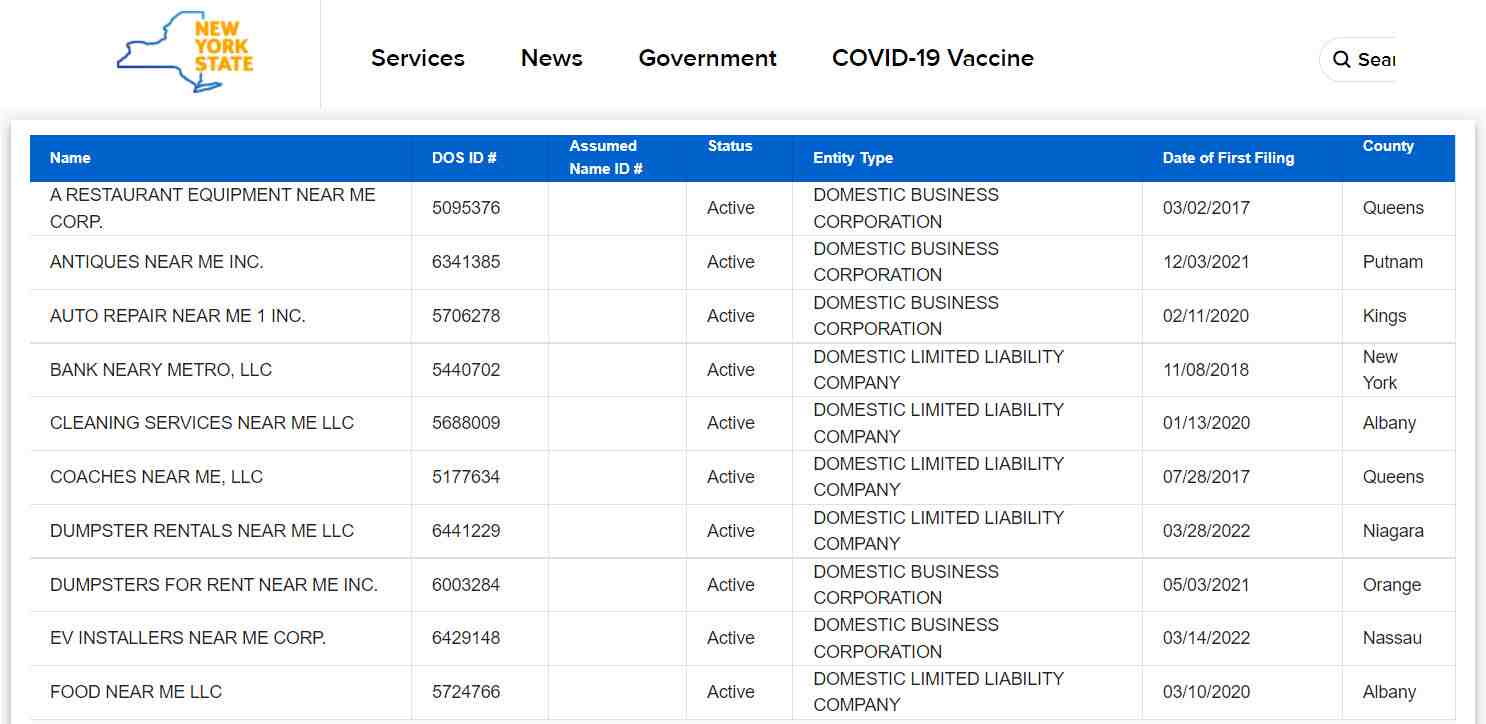
In March, Bill Ready, president of business, payment and billionaire users of the following Google, penned the 2022 Retail Marketing Guide: Drive foot traffic and in-store sales. This section caught my attention:
“Open search” now close to me “has grown globally over 400% YOY.”
Searching for “Near me” is a query for local products or services including eligibility criteria such as “Near me” when customers want to narrow down to see the businesses closest to them alone or in advance.
Also, during its Q1 revenue call, Google revealed that Map search for [near store] is up 100% globally every year.
“Open Now” is a type of dashboard that is often used outside of the regular 9-to-5 hours or used late at night, such as to find restaurants still open, or clinics and other types of stores. in the open. tomorrow night.
While searching for businesses near “Near me” or “open now” is often used separately, it is not surprising that both qualifying phrases are used simultaneously when asked.
The rise of ‘near me’ search optimization
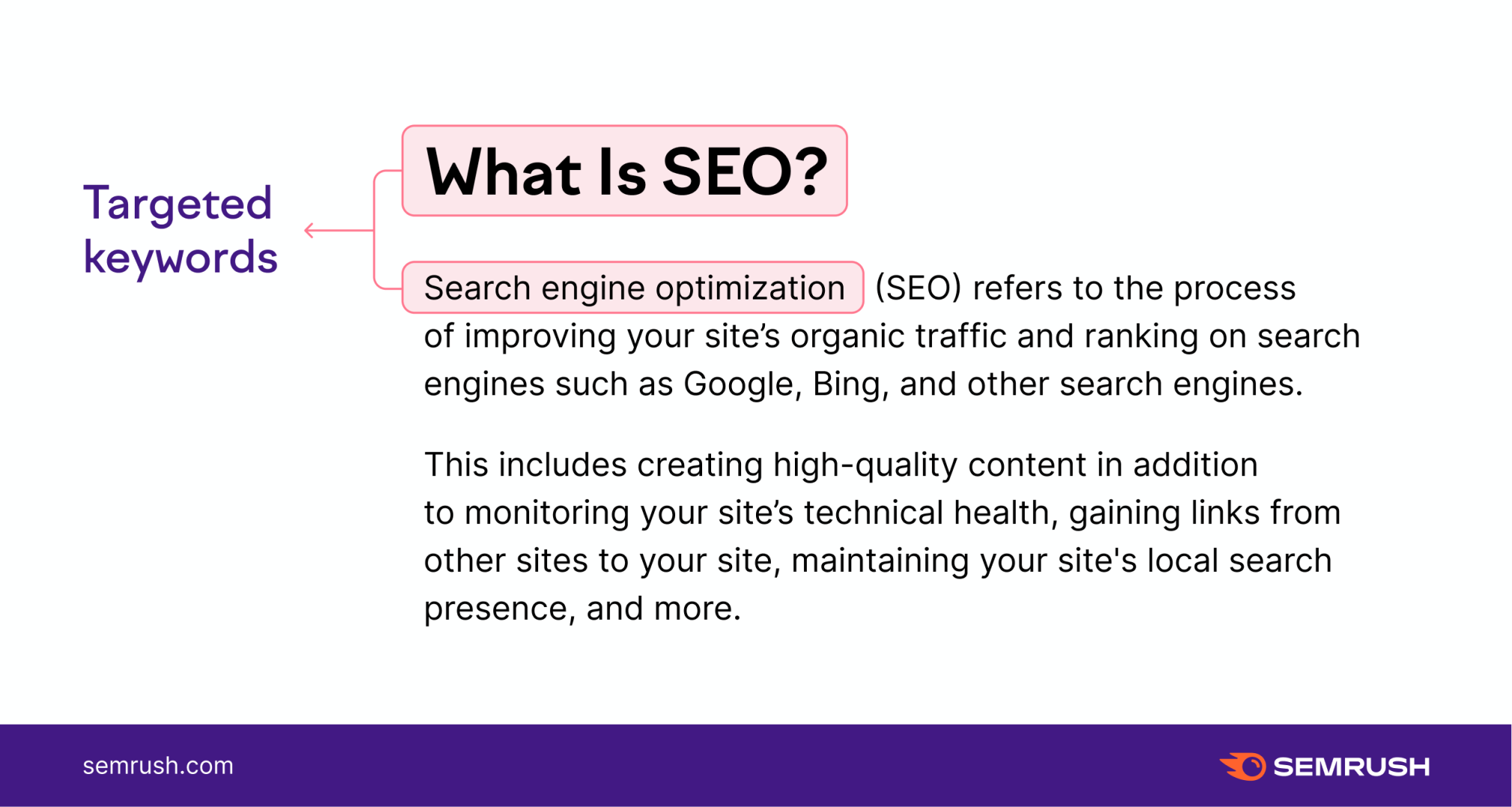
If you have worked in SEO for a long time, this is not surprising. We know for almost a decade that “Near me” search optimization has great potential for many types of business in many markets.
The 400% growth rate for YOY is eye-opening, indicating that customers have increased their expectation that these qualifications will help them get exactly what they need.
The increase in the use of mobile devices during searches has had a significant impact on the “Close to Me” trend and has contributed to the overall increase in local search volume.
Google’s changes reflect the growing popularity of “near me” search, which is what Ready based on his statement:
Related research including “open now” also shows significant long-term growth:
Along with others in the industry, I strongly recommend that local businesses improve their relevant keywords in addition to the phrases “Close to me”. There are a number of such statements used by consumers, including:
I have also made improvements by using these statements on behalf of customers. In one case (private lawyer), keyword research has shown that there are no other lawyers competing in a niche using the phrase “near me”. I created an optimized page with the word “Close to me”. Its submission increased by 20%.
Find a daily newsletter that searches for marketers they rely on.
Improving the phrase “By Me” has been a solid golden advice for a long time searching internally. It was almost a slam-dunk.
Because when you have a website and web pages that include a page or pages “near me,” along with the name of the industry business section, many businesses that people want from local providers this will link local customers to websites and Google Maps boxes for these businesses. which has been improved. As more and more businesses became aware of the improvement, this provided a cumbersome marketing weapon that guaranteed an increase in valuable transmissions.
The rise of ‘near me’ businesses
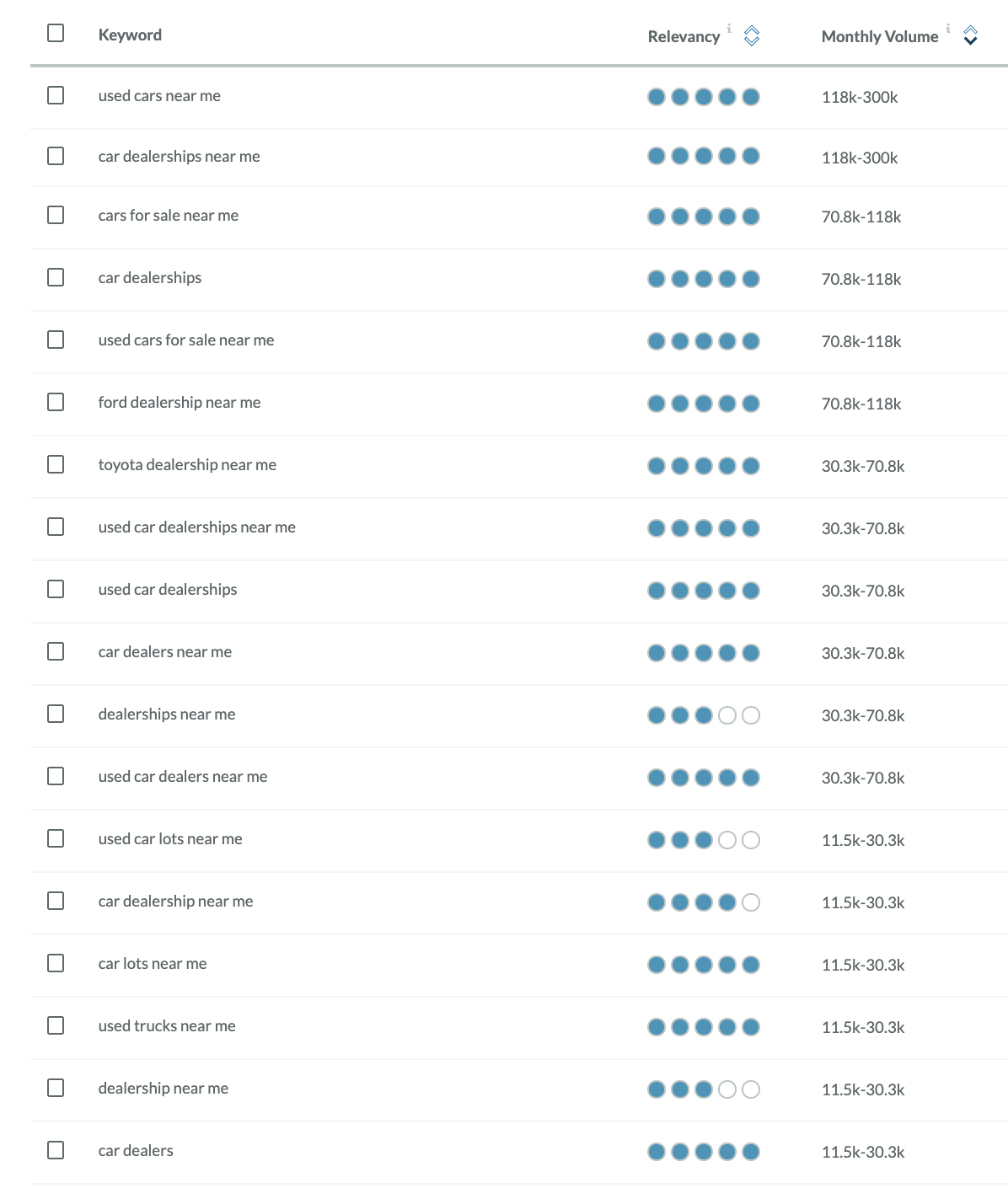
Over the past few years, several businesses have taken this improvement to the next level.
As an engineer their business name itself to include “Close to Me”.
If you check the records of all the business records in the United States, you will quickly find out that there are a number of businesses in the United States that have added “near me” their official business names.
This includes many business sectors beyond a few predictable types (e.g., locksmiths).
Obviously, many companies have adopted the idea of improving the “By Me” query and have made it an integral part of their strategy that can be expected to bring back more references.
With all of their guaranteed online resources linking to “my business”, how could they not value this search?
Business registration for “Near Me” in Nevada
Business registration for “Near Me” in New York (partial list).
My nearest dentist in El Paso, Texas
Sushi Near Me in Los Angeles, California
Private landmarks near me, Denver, Colorado
Locksmith Near Me Miami, Florida – service area business
24 HR Locksmith Near Me, Jacksonville, Florida – Business location
Locksmith, Massage, and Near Me businesses in Manhattan, New York It is not clear whether these are area service businesses or fake alternative business lists.
Around My Home, Indianapolis, Indiana
I will take some blame for this.
Not long ago, I jokingly promoted some of the “worst local SEO strategies” – such as the famous advice of “change your business name to include a few of the top keywords. users type in search engines when searching for your type of business in your area “(This was not against the rules at the time, by the way.)
I have also blogged some “latest SEO strategies” which include the idea of having a company named after a company, or even having a city or country named after a company or brand name!
Part of the point of this joke article was to teach people how Google, and Google Maps search, relied heavily on keywords for compatibility which complementing keyword optimization can heat a company to appears to be the most popular local business search.
Google has finally figured it out
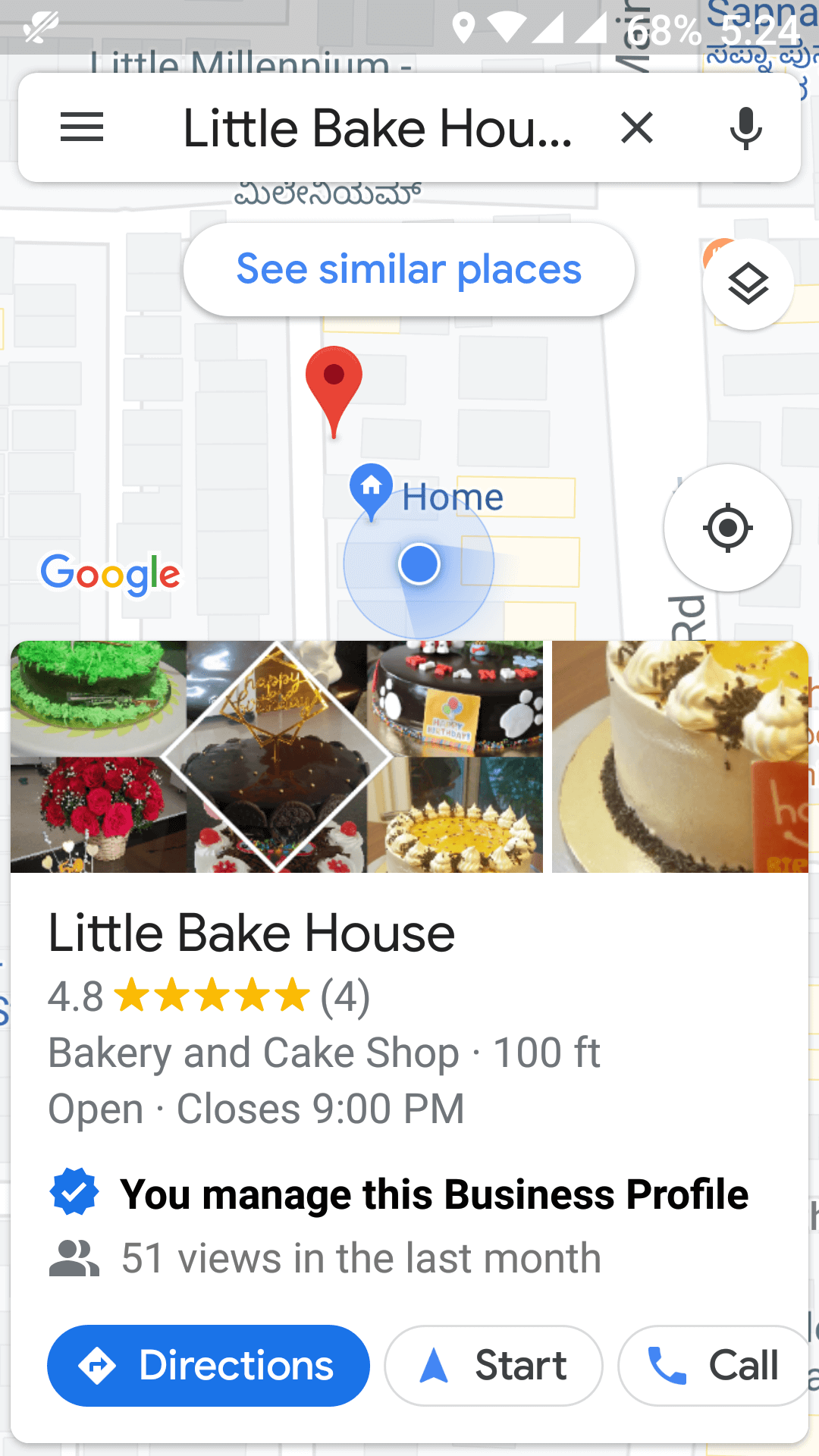
About 10 years ago – when it became clear that customers were increasingly searching for local businesses by combining the phrase “next to me” in their queries – I wondered why Google was not crafting specific phrase management.
I asked a Google Maps agent about this and I was told they had a lot on their list of development priorities – but this was something they were probably close to.
Well, it seems that Google is finally getting closer.
Google has now made the query “near me” back to the nearest local businesses that match the search terms in the local maps. To do this, Google explicitly publishes the “Near Me” section of the user query and is similar to the rest of the query for businesses and websites that it believes are closest to the user site. This management eliminates the effectiveness of making keyword optimization with the phrase “near me” in Google Maps / internal search.
Local ranking showdown: business name vs. proximity
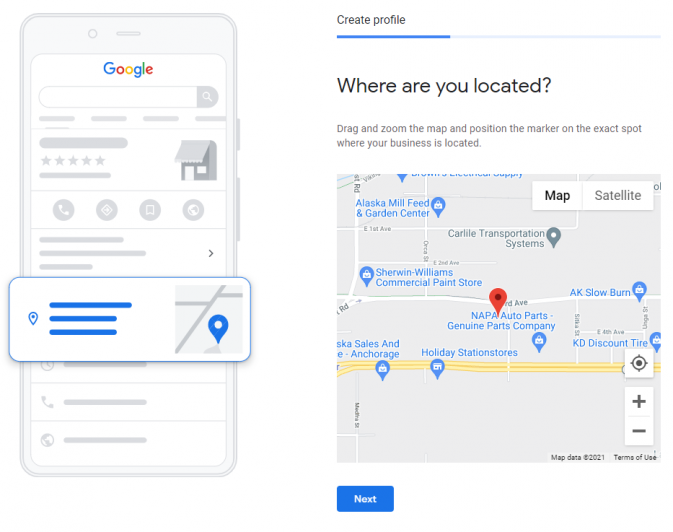
I saw that this was happening anonymously, but after getting a number of businesses in the picture above to check how they ranked their area in “Near me” the right search phrases that fit with their business names, the results are amazing.
When searching for a Dallas IP address for “near me ER,” 11 businesses appear on the Maps results before the “nearest ER” business list is written. Instead, the search for other businesses on the list by name comes up with them first displayed on the list, and sometimes themselves with the results.
Searching for another common-name name, “ER of Texas,” produces results from a list of two of their first sites on Google Maps, followed by other businesses within multiple locations for “ER”. of Texas “.
This is what makes the search results “ER near me” interesting – if Google determines that the queries are more likely to search for a business name, their list will appear first on the list.
This movement is really amazing. Google has done a lot of work to try to show the business list first in the search results for the right brand name. This was denied the “Close to Me” lists in the trade names.
There is a warning for search for the name if the name appears spammy (such as those with narrow keywords). One can imagine that businesses with the names “Near me” could be treated as a keyword, which would then deny the usefulness of the keyword. However, I found that they could still rank the questions “closer to me” – depending on the proximity of the radio.
In the “dentist near me” search for El Paso on Google Maps, I found a list of a hundred maps that I omitted – a business called Dentist Near Me did not appear when using the IP address location associated with El El Paso.
However, the business is located on the eastern edge of the city, and by changing the IP address of the browser to a location very close to that address, I was able to find a Dentist near me in the fourth natural position of Maps. Miami’s “Locksmith Near Me” was in 16th place.
Searching for “Sushi near me” in Los Angeles also did not return the business with that name in the first three search results. Search Boxes Near Me in Phoenix has released a list of businesses in the fifth place. The “24hr Locksmith Near Me” was ranked 24th on the Maps in search of “my closest key” in Jacksonville. Search Exterminator Near Me in Indianapolis ranked 56th in the business list.
Denver’s “special signs near me” seem to be an exception to how this works. But, I believe that is mostly because the business is located near downtown Denver, and there are a few other branded businesses near the center.
Switching to Lakewood Search, located in Denver, reduces the listing space by a number of positions. It could also be that “private brands” may not be recognized as part of the business compared to Google’s “branded stores”. The creation of Denver’s “flag stores near me” puts the business list in fifth place. It is likely that the business was highly valued because of its location near the city center – not because of the modification of the key word “Me next to it” in its business name.
When I was looking to find business examples with “my” real names, I went through a lot of situations which were brand names and fake sites. A number of companies have made additional maps for Google maps with the names “________ near me”. These often use the exact address of their normal business, perhaps expecting customers to search “near me”, see the site, and arrive in an undercover state to run the business with their real name tag. .
The three lists I listed above in Manhattan (locksmith, moving company and massage provider) can be fake lists. In many cases, some of the “Near me” lists seem completely fake, appear to be businesses in the service area, and when you see their locations they are next to police stations, downtown, near parks or around shared workplaces. As predicted, these lists are for moving companies, locksmiths, roofing contractors, plumbers and business sectors who have for some time been involved in fake list issues.
Now, in the real “near me” businesses that I have registered, a number of their websites have clearly appeared in the mainstream, keyword search results outside of Google Maps – often in the first place naturally, but not always.
“Closer to me” keyword optimization seems to still work there, and there may be a price tag for that in terms of referral traffic. But, experience shows that it would be of great value to search for Maps.
Many customers looking for a local provider are automatically searching Google Maps, which will see other businesses spend more time searching for “Near me”, not these highly optimized companies.
Google itself shows that customers are showing the local purpose of these queries, because each of the query queries reflects a combination of results with the top 3-Pack Maps, ahead of the standard keyword search results. .
Is ‘near me’ optimization a detriment to businesses?
When some of our local SEOs first started recommending the promotion of the keywords “near me,” there was a simple criticism that the keyword promotion was difficult to include on the pages. internet and to-do list in a natural way. But doing so, by adding business names, is far more of a face-to-face option than just adding isolated chapters, page titles and titles.
Adding business names seems to be detrimental to building a unique brand.
While keywords in a brand name can often have mixed value if done well, these closest to me brand names seem to be a strong job search marketing above all considering marketing and brand building.
Some will undoubtedly call the names of the symbols silently. I think these will also not work well for word-of-mouth marketing or business repetition.
Because Google is now using the “Close to Me” sections of user queries as a kind of proximity index, rather than a keyword matching keywords, the use of this’s brand name promotion is unfortunate at the moment .
Customers who want to use their business again are often searching the business name on the internet, if they do so on Maps they will have a lot of trouble finding these businesses because the functionality of Google is now damaging their ability to integrate well in search of their name.
I do not believe that this is necessary for any kind of punishment. Google has simply determined that “near me” queries are too many queries for customers who want to find specific businesses that are close to their physical site rather than businesses with names that match the query. “around me”.
For established businesses, one of the top types of search queries that will refer to traffic over time is brand name queries. While the use of “By Me” in brand names may have already paid off in the previous shareholding, the strategy is now seriously damaging the online business strategy of local businesses.
A gimmick whose time has passed
The Think With Google article citing 400% YOY growth in the “open now close to me” search advised businesses to improve for local ones to take advantage of these queries. Google did not provide instructions on how to do this.
However, I believe that this improvement does not mean adding keywords to “near me”, web marketing tools, very little should involve warming up the brand name to include “open now” and “near me” sentences.
Improving this means updating your work hours, frankly, your Google Business Profile, including all the titles and site signs of online guaranteed products to make your site signs more relevant. strong.
Consumer proximity is not the only requirement. Improving brand identity is important (for example, the volume and speed of reviews, being reported by other websites and linked to your business websites).
Bottom line: Any pros and cons of Adding “Close to Me” to your business name are often eliminated.
The ideas expressed in this article are those of the guest author and not necessarily Land Search. Staff writers are listed here.
New on Search Engine Land
About The Author
Pourquoi créer un compte Google Business ?
Google My Business (GMB) is a free web site that allows you to refine your referrals on Google when you search for geographical location. We want to revisit the concept of pour tous les commerces de proximité.
What is Google My Business est gratuit? Maya, the latest copyrighted page of Google is no longer available. This does not mean that you do not want to spend time together. You will be rewarded with a free quote from Google search or Maps to get to the top of our clients.
Pourquoi s’inscrire sur Google My Business ?
Go to the Internet, and Google My Business is your site. While these real estate professionals are geolocating, Google My Business is trying to get more profitable with its pros and cons. The information about the sites are different from what they use Google Local Guides.
How do I access my Google business account?
How do I access my Google business dashboard?
- Google Local Page URL (or dashboard URL)
- Your website URL.
- Full business name and address
- The business sector.
- The information tab in the GMB Dashboard
- If pending please provide the mark or other photographic evidence (such as a business license)
Qui utilise Google My Business ?
Société, it implies the sectarian, peuténéficier de ce service. No, you have a PME or a large enterprise, you can take advantage of Google My Business for free and illiterate.
What is the use of Google My Business?
Use the Google My Business app to connect with customers and stay in your business making it new to Google Search and Maps. The Google My Business app is a mobile app that helps you manage your business. With the app, you can do the following: Manage how your local business looks on Google Search and Maps.
How can I use Google My Business for free?
Is Google Business Data Free? Yes, it is free to create a Google Business Profile. Create your own brand for free, and you can manage your business with Google Search and Maps to start reaching more customers.
Is Google My Business worth it?
Is it worth all the effort? Regardless of whether you are a local, regional, national or international company, the simple answer is YES. Local search is an important part of a complete digital marketing campaign, Google My Business is a huge and ever-growing phenomenon.
Quel est l’intérêt d’utiliser Google My Business ?
Google My Business is beyond Internet use for my business. Grace aux informative rents on the fiches (address, telephones, horaires, avis, internet site), you can use the app to search the Google search engine or pack locally, which will boost your SEO promotion.
Pourquoi s’intéresser aux moteurs de recherche en tant qu’entreprise ?
1- The SEO allows a croissant explicit Cela prend du temps, but va vaut le coup: the first page of Google results results 90% of clics; le site en première booska obtient plus de 30% de Visiteurs en moyenne (source: Backlinko).
Quel est l’intérêt de Google ?
Google allows more content on the web, if you are active and popular on the web. As well as the safety, and online promotion is one of the most important web sites. Il faut être à la fois présent and facilitation available shub les internautes.
Quels sont les outils de Google ?
- Google Apps at Work. Parmi tous les is outside of Google, Apps for Work is intangible. …
- YouTube. …
- Google and Google Business. …
- Google Trends. …
- Google Analytics. …
- Google AdWords. …
- Google My Business. …
- Google Business Center.
Comment supprimer un compte Google Business ?
Comment on Google My Business supplier?
- Connect to Connect My Google My Business and click on the third page bar and go to the main menu.
- Cliquez on établissements.
- Selectionnez la fiche entreprise à goods supplier.
- Cliquez sur Actions puis sur “Supprimer l’établissement”
Want Google My Business? Sida Google My Business allows your clients to reach out to you and get a note on 5 years of client client lors de sa venue en magasins. The main purpose of rassurer les consommateurs and affichant automatiquement les avis iyo en y répondant.
Où se trouve Google My Business ?
Here you will find the results of the results page, the presentation of the articles as well as the reference to the online review. Ces profils renseignent le consommateur quant à l’activité de l’entreprise, si localisation, ses horaires d’ouverture ou encore aux coordonné à utiliser shub prendre contact avec elle.
Does it cost money to verify your business on Google?
You can verify and update your Google My Business page, and update it using: https://business.google.com/ which does not cost anything. If you feel that they have been compromised, or logged into your google account, do a security check and remove access to any unknown device, and change your password.
How is local SEO different from SEO?
Here is the difference. While traditional SEO focuses on improving the visibility of your site at the national or international level, local SEO allows you to capture a local search site to connect with the searchers in your area. SEO and local SEO use many of the same strategies.
What is the difference between local and organic SEO? Local SEO has a geographical component to which organic SEO is not mandatory. It is the practice of building appropriate signs around a particular area; brick and mortar trade. Organic SEO is a marketing practice that revolves around, more or less, around websites.
What is local SEO?
Local SEO is a search engine optimization (SEO) strategy that helps your business to be more visible in local Google search results. Any business that has a physical site or serves a geographic area can benefit from local SEO.
What means local SEO?
Local SEO (Search Engine Optimization) is a way to improve the search engine appearance of local businesses, primarily those with brick-and-mortar sites. By following the best SEO practices, businesses can improve the natural search traffic generated by nearby customers.
Why do I need local SEO?
Local SEO helps your business grow â € “even if you do not have a website â €“ and helps you get more traffic to your site through this online guide. Since this lead comes from people who are specifically looking for products or services offered by your business, they are also more likely to offer you higher exchange rates.
What is the difference between local and global SEO?
Local SEO focuses on building an online presence in the local area, while international SEO focuses on building a topic presence anywhere in the world. Both types of SEO are valuable in their design.
What is SEO and SEA?
SEO and BADA: The meaning of SEO is short for Search Engine Optimization. SEO includes all the activities you do to ensure that your website ranks higher in the search results than search engines like Google. Search Engine Optimization (SEA), also known as PPC or Pay-Per-click.
Is SEA paid search?
SEA for digital marketing refers to the strategy of delivering search engine ads to Google, Bing, Yahoo, etc. SEA, or “search engine,” refers to a form of money marketing that helps businesses find their ads in front of searchers by paying to get a copy of their ads at the top of the search results.
What is SEA in search engine?
SEA stands for Search Engine Ads, also known as PPC or Pay-Per-click. It is a method of direct advertising by Google and similar search engines. The search results are displayed at the top and right of the Natural Results on the Search Engine Results Page.
What is local SEO & Why local search is important?
Local SEO helps your business grow â € “even if you do not have a website â €“ and helps you get more traffic to your site through this online guide. Since this lead comes from people who are specifically looking for products or services offered by your business, they are also more likely to offer you higher exchange rates.
Why is a local search important?
Local search can help eliminate radios that are unlikely to be relevant to your business. This is not because search engines are making a concerted effort to protect consumer businesses, but because they want to provide relevant local results based on proximity and purpose.
What is local and organic SEO?
Based on these definitions, we can make a fundamental difference between Local and Natural SEO: Local SEO is about site optimization, while natural SEO is about content optimization. Both should improve your site and online presence in search engines.
What is local SEO? Local SEO is a search engine optimization (SEO) strategy that helps your business to be more visible in local Google search results. Any business that has a physical site or serves a geographic area can benefit from local SEO.
What is an organic SEO?
Organic search engine optimization (SEO) refers to the methods used to get high ranking (or ranking) on the search results page for free, algorithm-driven search results provided.
How is organic SEO done?
Natural SEO refers to getting natural placement and getting results done through various proven strategies such as website optimization by writing high quality and highly relevant content, promoting keywords, adding meta tags , and reversal.
What does organic search mean?
What is organic search? Natural search results are unpaid results that appear on the search engine results page after a query.
Can you pay Google to rank higher?
Tip: There is no better way to apply or get a local ranking than Google. We strive to keep the search algorithm details confidential, to make the ranking system as fair as possible for everyone.
How much does it cost to be at the top of Google search? The average CPC is $ 2. 6,600 times $ 2 trial cost per 30% Click Thru Rate = $ 3,960. So using Google Tools, we can estimate that we will pay $ 3,960 a month to become Google’s # 1 liiska lon Salon Nashville list.â € The annual value of that # 1 ranking of Google will be $ 47,520.
Can I pay Google for SEO?
No. Google does not provide SEO services. Remember, Google is a search engine and they have developed their own algorithm to evaluate websites.
Is it worth it to pay someone for SEO?
The short answer is SEO is very effective “not only to generate traffic but also lead and sales. Don’t worry. The long answer includes research and data, not just empty words. Most SEO- are very sensitive to specific search metrics such as SERPs (search results page), rankings, and natural traffic.
How much does SEO cost Google?
| PRICE PLACE | SEO costs |
|---|---|
| In the month | $ 1500 – $ 5000 per month |
| Fixed price | $ 1500 – $ 25,000 / contract |
| Project-based or one-time | $ 5000 – $ 30,000 / project |
| clockwise | $ 100 – $ 300 / hour |
How much should I pay someone for SEO?
If you are hiring a top SEO company to run a local campaign, expect to pay $ 500.00 per month. The national or international campaign will require a minimum budget of $ 2,500 to $ 5,000 per month. Some companies offer a low-cost “trial package”, with no contract.
How Search Engine Modeling Can Help Your SEO Efforts
Every business wants to succeed, but few know how to do it. Search engine optimization (SEO) is one of the most effective ways to market a business, but it can be hard to know where to start. This is where search engine modeling comes in.
SEO and Digital Marketing service providers know the importance of search engine models. Unfortunately, many businesses don’t take the time to understand how it can help them eliminate common SEO barriers.
This article will highlight some key factors for optimizing your content and SEO and quality that should be sought when trying to find a marketing agency for your business.
Reasons for poor SEO performance

One of the most common reasons for poor SEO performance is URL structure. Search engines have difficulty indexing pages when the URL is long and includes irrelevant keywords. Search engine modeling can help businesses create short, keyword -rich URLs that are easily remembered by search engines and customers.
Another common problem is duplicate content. This often happens when you try to copy and paste content from one page to another or use software to automatically generate pages with the same title and description as those on another web site. Search engine modeling can help businesses identify and fix these problems, increasing the chances for higher rankings on search engine results pages.
What is search engine modeling?

Search engine modeling is the reverse engineering of how search engines work to increase web page visibility and organic search traffic. Once you understand how search engines work, you can start optimizing your website and content for better visibility and higher rankings.
There are two main types of search engine modeling:
On -page optimization improves the visibility and ranking of web pages on search engine results pages (SERPs). Many factors go into on -page optimization, including keywords and phrases, title tags and meta descriptions, header tags, images and other multimedia content, and internal linking.
Off-page optimization focuses on building links from other web sites to the target web page. Off-page optimization is often called “SEO” (search engine optimization). SEO is a process that can improve the ranking of web pages on search engine results pages (SERPs). SEO techniques include keyword research, link building, and social media marketing.
Both types of optimization are important for improving a website’s ranking on search engine results pages (SERPs).
SEO is a vital part of any digital marketing campaign

Search engine modeling is not easy, it takes time and effort to perfect. But if you’re serious about your SEO efforts, it’s well worth the investment. SEO is all about understanding how search engines work and using that knowledge. There are many different factors that make a good ranking in search engines, and it takes a lot of skills and experience to optimize web pages for higher rankings. However, with the right tools and resources, anyone can learn to do SEO properly.
Digital marketing is about more than just SEO. Though, it’s also important to create compelling content, build links, and use social media to drive traffic to your website.
Companies Offering SEO and Digital Marketing Services
When choosing SEO and digital marketing services, there are a few key things to look for.
As a business owner, you have to be where your customers are. In today’s digital age, it indicates an online presence. But what does it mean for your business? Do you need a web site? Do you need a social media presence? What about SEO and digital marketing services?
When it comes to SEO and digital marketing services, there are many options out there. How do you know which company is right for you? And more importantly, how do you know that they can keep their promises?
Here are some things to consider when choosing a company for your SEO and digital marketing needs:
Experience
Make sure the company you choose has extensive experience in SEO and digital marketing. They also need to have a strong track record of results. Another thing to consider is the team working on your account. The team must have professional knowledge in SEO and digital marketing. They should also be able to demonstrate an understanding of your industry and what is needed to help you achieve the desired results.
Reputation
Find a company that has a good reputation. If they don’t have a good reputation, it can be because they are new to the industry and don’t have the time to build the type of client list you want. Or maybe they just don’t offer high quality services. After all, it’s something to consider if you’re looking for a long -term relationship.
Pricing and Plans
Involve a company with an affordable pricing plan for your business needs. You don’t want to pay $ 1000 per month for an ineffective plan. You should also look for companies that have pricing plans that maximize your investment returns, so you can use all the tools that they offer.
Finally, make sure the company you choose offers a comprehensive suite of services that can cater to all of your online marketing needs, including SEO, PPC, social media marketing, web page design, and more.
Return On Investment

ROI is an important factor when making decisions about digital marketing services. Many businesses invest in services that do not give a good return on investment (ROI). The goal of any business should be profit, and investing in services that do not increase profits or help achieve other business goals is not a wise decision.
SEO and digital marketing services should be evaluated based on their ability to improve ROI. One of the best ways to measure the effectiveness of these services is conversion tracking. If the goal is to increase website traffic, then measuring how many visitors convert into customers can help determine if SEO or digital marketing is paying off.
How do I create SEO keywords?
- Step 1: Make a list of important, relevant topics based on what you know about your business. …
- Step 2: Fill the topic bucket with keywords. …
- Step 3: Understand How Intent Affects Keyword Researchers and Analyze Accordingly. …
- Step 4: Research related search terms. …
- Step 5: Use keyword research tools to your advantage.
Is Facebook marketing an SEM?
Google and Facebook are the two most popular and frequently used platforms in marketing. Google is for search engine marketing (SEM), while Facebook is for social media marketing (SMM). Sure, these two marketing platforms are very different.
Why is Facebook an SEM ad? Facebook ads and other social media advertising platforms, for example, are pay-per-click platforms that do not fall into the SEM category.
Is Social Media Marketing part of SEM?
SEM is search engine marketing. It’s a mix of SEO and PPC advertising. This is the top ad in your Google search. Social Media Marketing (SMM) is marketing on social platforms including Facebook, Twitter, and Instagram unpaid social media marketing and paid advertising.
What is the relationship between SEO SEM and social media marketing?
While social media allows people to find new content or brands that interest them or their friends, SEO allows you to drive traffic from people who search for questions or phrases that are relevant to your business. Leveraging both can help you gain traffic from a variety of different sources.
What is considered SEM?
SEM, or search engine marketing, is the act of using paid strategies to increase search visibility. Brands pay for advertising to appear as search results on search engine results pages. With SEM, brands pay for advertising to appear as search results on search engine results pages (SERPs).
What is included in SEM marketing?
â € œSEM (Search Engine Marketing) is the process of gaining website traffic by purchasing ads on search engines.â € It clearly includes pay per click, local search ads, product listing ads, and all advertising efforts of search engines. .
What type of marketing is SEM?
Search engine marketing (SEM) is a digital marketing strategy that works to increase the visibility of web pages on search engine results pages (SERPs).
What is SEM in marketing terms?
Search engine marketing (SEM): The process of advertising on search engines, which involves bidding on keywords to make your ads appear on the first page of search results. Also known as PPC, paid search and search advertising.
What type of digital marketing is SEM?
Search Engine Marketing (SEM) Search Engine Marketing (SEM) is a paid tactic to gain attention to a brand by appearing higher in search engine results. This strategy is often called paid search or pay-per-click (PPC) marketing.
Is SEM part of performance marketing?
SEM, or search engine marketing, is an important part of performance marketing and definitely worth the time and investment. SEM is the placement of paid advertisements on search engine results pages (SERPs).
What is SEM example?
Internet marketing refers to marketing efforts made by businesses and organizations other than just over the Internet. With search engine marketing, businesses pay their ads to appear alongside search questions on search engines. Google, Yahoo, Safari, and Bing, for example, are search engines.
What is SEM In a study?
Structural Equation Modeling (SEM) is a set of statistical techniques used to measure and analyze the relationship of observed variables and latent variables. Similar but more powerful than regression analysis, it examines linear causal relationships between variables, while simultaneously accounting for measurement errors.
What type of analysis is SEM?
SEM is a combination of two statistical methods: confirmation factor analysis and path analysis. The analysis of confirmation factors, which derives from psychometry, aims to evaluate latent psychological properties, such as attitude and satisfaction (Galton 1888; Pearson and Lee 1903; Spearman 1904).
What is SEM used for in statistics?
The standard error gives the average accuracy of the sample by measuring the sample-to-sample variability of the sample means. SEM describes how precisely the sample average as an estimate of the population average is true. As the sample data size grows larger, the SEM sort vs.
Can I teach myself SEO?
It is possible to learn how to do SEO alone, you do not need to be a specialist or an SEO expert. The first thing to do is convince yourself that SEO is not hard. If someone can do it, you can too. All that is needed is the desire to learn and time.
How to create an SEO strategy? An effective SEO strategy is based on solid foundations. First, we need to know why and for whom we want to position ourselves. Then, in order to meet Google’s demands and users’ expectations, we will create high -value -added content and get inbound links.
Qui signifie SEO ?
For this, SEO (Search Engine Optimization) or natural referencing whose primary goal is to generate qualified and free traffic to a site from search engines can help you! SEO is built with the art d’optimiser on web pages and with globality for web sites for moteurs de recherche.
Qu’est-ce qu’une stratégie SEO ?
SEO (Search Engine Optimization) is a digital strategy that brings together all the practices aimed at positioning your site and the first results of search engines.
Qui utilise le SEO ?
For companies looking to cultivate a web presence, SEO is essential. Despite this, it is not always easy to understand what SEO is and how to put it into practice.
Does SEM use SEO?
SEO is where you focus 100% on ranking in organic results. SEM is when you tap into SEO and PPC to drive traffic from search engines. So yeah, SEM is a broad term that includes SEO and PPC. That means SEO falls â € œunderâ € the SEM umbrella category.
Why does SEM include Google Ads? An SEM platform is a search engine where brands can place search ads that are displayed when users search. The most common SEM platforms are Google and Bing. Google Ads is the most widely used SEM platform.
What is the main difference between SEM and SEO?
The main difference between SEO and SEM is this: SEO is free and relies on organic search strategies, while SEM comes with fees and relies on paid advertising. Additionally, SEO takes time to take effect, while SEM is instant.
What is the general difference between SEO and SEM quizlet?
SEO stands for Search Engine Optimization and SEM stands for Search Engine Marketing. The biggest difference between the two is that SEO is free and SEM is paid. SEM includes pay-per-click advertising and purchased display advertising.
What is difference between SEO and digital marketing?
SEO is a Digital Marketing Tool. Search engine optimization is primarily concerned with web page ranking. Digital marketing aims to boost and promote brands through different digital channels such as web sites, social media, email, etc.
What is the general difference between SEO and SEM Mcq?
16. What is the generally accepted difference between SEO and SEM? SEO tends to be a west coast term, sem over the east coast.
Is Google Analytics SEO or SEM?
Using Google Analytics One of the most effective tools for tracking your SEO and Local SEM is by using Google Analytics. There are many tracking tools available in the market that you can purchase, but Google Analytics provides this functionality for free.
Is Google a SEO or SEM?
SEO (search engine optimization) refers to the practice of refining your web pages to be better on search engines such as Google. SEM (search engine marketing) refers to marketing activities involving search engines, like SEO and pay-per-click (PPC), local listings on search engines, and more.
Is SEM the same as SEO?
SEO is sometimes used as an umbrella term that includes SEM, but because SEM refers strictly to paid advertising, they are actually separate. SEM is about getting traffic via paid advertising, and SEO is about acquiring, monitoring and analyzing organic (unpaid) traffic patterns.
Is Google Analytics the same as SEO?
As you know, Google Analytics is a free digital analytics tool, and by some measure, it is already used by more than half of all web sites on the internet. And for most SMBs, it is the only SEO analytics tool you need to evaluate the SEO value for your business.
Does SEM include SEO?
As mentioned above, SEM includes SEO best practices, as well as paid search tools like PPC. In addition, some SEM strategies include optimizing for local search results, so your business, product, or service is shown in search queries for people browsing for nearby solutions.
Are SEO and SEM integrated?
The most successful search campaigns are cross-collaborative and combine organic and paid search. Both SEO and SEM basically have the same goal for driving traffic to your site. Connecting them together not only makes sense, but also allows you to achieve better reach and visibility in the digital space.
Is Paid search SEM or SEO?
Search Engine Marketing (SEM) is paid or unpaid digital marketing on any search engine like Google, Bing, or Yahoo. Unpaid advertising refers to search engine optimization (SEO). That means that your page content ranks higher when people search for specific keywords, and that tells the relevance of your page.
What’s included in SEM?
â € œSEM (Search Engine Marketing) is the process of gaining website traffic by purchasing ads on search engines.â € It clearly includes pay per click, local search ads, product listing ads, and all advertising efforts of search engines. .
Why are scanning electron microscopes important?
Scanning electron microscopes can help identify cracks, imperfections, or contaminants on coated product surfaces. Industries, such as cosmetics, that work with small particles can also use scanning electron microscopes to learn more about the shape and size of the small particles that they produce.
What are the important advantages of SEM? Advantages of SEM The advantages of the scanning electron microscope include its wide range of applications, three-dimensional detail and topographic imaging and versatile information garnered from different detectors.
Why is scanning electron microscope so important?
Scanning electron microscope (SEM) is one of the most widely used instrumental methods for the examination and analysis of micro- and nanoparticle imaging characterization of solid objects. One of the reasons that SEM is more likely to analyze particle size is because of its 10 nm resolution, i.e., 100 Å.