Enterprise SEO: Lessons from 20 years on the ship
Search engine optimization (SEO) technology for large business companies is very different from traditional SEO because they tend to have more complex, advanced structures as well as more integration and dependence.
SEO professionals looking to work with business clients need to have expertise in SEO skills and require a consistent skill in terms of teaching.
SEO professionals with extensive experience and experience with business SEO are hard to find. Most organizations and SEO firms do not have these experts on their staff.
With SEO business, you just don’t want to. You redecorate the platform, redo and replace the fuel-efficient machine – you have one that will work better and you will make a profit.
It’s like replacing a former Olympic gold medalist with a hooker. And that is dangerous.
If a newcomer is MVP stuff or is not accustomed to competing at the top level, your team loses. You need someone who has worked hard every day to win – someone who will give their ultimate outcome.
That’s the way you have to hire a SEO expert for your business company.
Going by the old notion of “SEO is just an SEO plan” is a bad guide. Even if you have a strong relationship with the current SEO agency or its people, that alone is not suitable for their team to handle your business-level SEO requirements.
Good business leaders are careful to choose the SEO consultant for their business company, whether it is a retailer, service provider or other type of organization.
SEO in an enterprise is like a lake

Many streams, streams and even rivers flow into the lake. Similarly, many business units (marketing, interior, manufacturers, IT, traffic, UX, etc.) all flow into SEO “sea.” Most of my clients are a little nervous when they first realize this.
They had considered SEO as a limitation to Google and search engines only. And they openly admit to underestimating the true potential of this obscure, stupid, long-term obscure object called SEO.
Once they start thinking about business SEO differently – and see how everything “goes over that bridge and leads into the SEO sea” – they understand the bigger picture better. And enjoy the financial implications of SEO on their business.
Many of these business leaders are quick to appreciate how business SEO fits into teams, departments, selected services, strategies, technologies, systems, and all the structures.
The long future potential of SEO

Business-driven SEO strategy can be a powerful tool that, when exploded, pushes competitors out of the market – and keeps them away for years. But it needs to be invested in the first phase of planning before you can redesign the platform, redo, move and start.
With a good plan for communicating, stopping and moving information – all backed up by leadership, a complete budget, and trust – the potential can be amazing.
My clients often like that, when designing their UX templates (PLP, PDP, local store pages, etc.), I have seen and adapted a few things that build a solid, scary, functional Google crawl – all within the same budget and time.
Such a planned adjustment has many benefits:
This requires a strong one-time setup, after which everything works on its own without any repair costs. It is like wine that gets better with time.
Get every day to find vendors who trust it.
Enterprise SEO is a strategic investment

SEO has a business-value system that lasts a long time.
Thus, search optimization is the key to success in business SEO. Most importantly is how it enables the interaction between marketing, marketing and branding to pass your customers on a shopping trip.
Google has become a very important part of life and an integral part of many shopping options. Without the constant presence of Google organic search solutions, your business will no longer compete with customers in the global market.
This is why many experienced business leaders see investing in platform promotion and SEO as a green, non-seasonal event. SEO can be very effective in promoting ROI, increasing revenue, predicting useful events and more.
But you can’t cut it into pieces and then cut it into pieces over time. Everything should be ready to rotate before leaving. You have to be willing to invest in the diagnosis and rise from the self-destructive notion that “excessive testing is like paralysis.” The most stubborn believe that “10% surveys, 90% do better.”
When you do an in-depth analysis of the search environment, analyze and integrate available external and internal data with order, it cuts time and years to the same budget and fewer employees – gaining faster market share and increasing profits for owners.
The unmeasured cost of missed opportunity

Ignoring all of this has a hidden value that is not related to SEO metrics, traffic or the website itself.
Unless it is appropriate, business-component platforming (especially on a non-realistic budget) is just a lot of ‘old one, old.’
Most businesses just shut themselves off from previous trends from just one month in the past year – meaning YoY. They rarely compete with their higher potential. And this does not raise value for owners, shareholders and customers.
With a negative review, you can see that you have grown 30% above your previous habits but don’t look for unqualified search queries for a hundred or two hundred results on Google!
This means that you do not find anything visible in the Google Search Console, or traffic in Google Analytics, on these terms. This is a blind spot. Making a decision without a solution is like driving a car with your eyes closed!
Without this information, it is difficult to gain confidence, which is important to enable the very idea required for SEO conversion.
But once you get all the valuable data, it will become clear that something with a chance of earning a billion worth of other resources and on top of that in a way that has always been worth no more than a few thousand.
Unfortunately, even those alternatives may be limited to thousands simply because someone mistakenly thought they were useless and did not listen enough.
It can be a valuable asset that can generate $ 1 billion indirectly and over time. And by making a new decision as well as a resource-sharing system, it could be pushed to generate as much as $ 5 billion.
And that emphasizes the “cost of alternatives” that go unchecked.
Choose correct benchmarks

Benchmark counterfeit your full potential by combining:
Do all this before you choose an SEO budget. Your choices will work best.
All defined time frames, plans and decisions including the following are growing synergistically:
Everyone who wants the best for your company comes in to help, laying the solid foundation for SEO success and, ultimately, business growth and huge profits.
This is why I recommend this method and method:
To see a proper first-time budget like this, consider what it would be like to retain SEO experts for three months. It’s a real time to paint a picture of your company.
This analysis will help to close the gap between your current location and may be at a higher level towards faster growth and lower back.
Groups on why you should do this and how, when appropriate, and why you should not keep quiet regardless of who you are:
They can help you to avoid making mistakes. Or even transform it into a major breakthrough.
If you underestimate their value in the SEO business, you are creating things to fail. But if you get it right, even if it is short, the rewards will be rich – and worth a try.
The best strategy for enterprise SEO
Many think that SEO is just a discipline of professionalism.
Problems with business SEO are often a leadership problem.
The SEO winning streak in real estate companies will definitely:
More than two decades of my experience, and countless similarities shared with my industry colleagues, both local and international, the same patterns and success products are presented as the most challenging.
The strategies outlined in this report have always proven to be effective, well-written, real-life, and well-designed for large businesses.
However, it can only be used if:
Getting all of this gives you a permanent “gold ticket”:
For this, SEO has to work across rivers, from the initial planning to the final stages of implementation.
Business SEO permeates every part of your business, flowing like blood through your company’s heart, brain, and intestines.
The views expressed in this article are those of the guest writer and not necessarily the Search Engine World. Staff writers are listed here.
New on Search Engine Land
About The Author
Trond Lyngbø is the founder of Search Planet and senior SEO Consultant. He has more than two decades of experience in SEO, e-commerce, internal planning and digital analysis. His clients include multune 500 multinational companies and large Norwegian companies. Trond helped grow businesses through a wide range of search engine marketing and SEO strategies. He is particularly interested in working with commerce companies and web stores to improve and expand their omni-channel marketing plans.
Search Engine Optimization (SEO) Software Market Report Addresses Future Trends With Research 2022 to 2029 – Searchmetrics Essentials, Moz, Ahrefs – Political Beef
California (United States) – The Search Engine Optimization (SEO) software market research report is a professional asset that provides dynamic and statistical insights into regional and global markets. It includes a comprehensive study of the current scenario to protect market trends and prospects. Search engine optimization (SEO) software research reports also track future technologies and developments. Thorough information on new products, and regional and market investments is provided in the report. This Search Engine Optimization (SEO) software research report also examines all the elements that businesses need to obtain unbiased data to help them understand the dangers and challenges facing their business. The service industry report further includes market shortcomings, stability, growth drivers, retention factors, and opportunities over the forecast period.
Receive sample report with tables and graphs:
https://www.a2zmarketresearch.com/sample-request/380575
Search engine optimization (SEO) software is growing at a good CAGR over the forecast period. The increase in individual interest in the service industry is a major reason for the expansion of this market.
Top companies in this report are:
Searchmetrics Essentials, Moz, Ahrefs, KWFinder.com, SpyFu, Ahrefs, DeepCrawl, LinkResearchTools, Majestic, SEO Book, SEMrush, WordStream, AWR Cloud.
* The report analyzes regional growth trends and future opportunities.
* Detailed analysis of each segment provides relevant information.
* The data collected in the report are reviewed and verified by analysts.
* This report provides realistic information about supply, demand and future forecasts.
Search Engine Optimization (SEO) Software Market Overview:
This systematic research study provides an in-depth assessment of the search engine optimization (SEO) software market while proposing significant fragments of knowledge, chronic insights and industry-approved and measurably maintained service market prerequisites. In addition, a controlled and formal set of assumptions and strategies was used to construct this detailed investigation.
During the development of this Search Engine Optimization (SEO) software research report, the driving factors of the market are examined. There is also information on market constraints to help clients build successful businesses. The report also addresses important issues.
https://www.a2zmarketresearch.com/discount/380575
This report provides an in-depth and broad understanding of Search Engine Optimization (SEO) software. With accurate data covering all the key features of the current market, the report offers extensive data of key players. An audit of the state of the market is mentioned because accurate historical data for each segment are available during the forecast period. Driving forces, restrictions and opportunities will be provided to provide an improved picture of this market investment during the 2022-2029 forecast period.
Some Essential Purposes of Search Engine Optimization (SEO) Software Market Research Report:
o Vital developments: Custom survey delivers critical critical improvements to the Search Engine Optimization (SEO) software market, including R&D, new submission, coordinated efforts, development rates, partnerships, joint efforts, and local development of market rivals on a global scale and regional.
o Market Characteristics: The report includes Search Engine Optimization (SEO) Software Market Highlights, Revenue, Limit, Limit Rate, Value, Net, Creation Rate, Generation, Utilization, Import, Trade, Supply, Demand, Cost, Part of Industry Overall, CAGR and Gross Margin. Also, the market report offers an exhaustive examination of the elements and their recent patterns, along with service market fragments and subsections.
o Investigative Tools: This market report integrates the carefully considered and evaluated information of the major established players and their extent into the Search Engine Optimization (SEO) software market through methods. Systematic tools and methodologies, for example, Porter’s Five Powers Investigation, Possibilities Study, and many other statistical research methods have been used to analyze the development of the key players working in the Search Engine Optimization (SEO) software market.
o Convincingly, the Search Engine Optimization (SEO) software report gives you an unmistakable perspective on every single market reality without the need to allude to any other research report or information source. This report gives you all the realities about the past, current and possible fate of the service market.
Purchase exclusive report: https://www.a2zmarketresearch.com/checkout
1887 WHITNEY MESA DR HENDERSON, NV 89014
A 7-Step SEO Process For Successful Long-Term Research
It’s no secret that an SEO adventure means being in it in the long run.
Optimization is a never-ending process.
One day you rank at the top of the search results, and the next your competitor publishes something new that knocks you down the rung.
The SEO promise can bring your business traffic, revenue, and growth, but many marketers drop out right after they get started. They love the promise more than the process.
In fact, this process is key to achieving your end goal in SEO.
Understanding The SEO Process

There are no shortcuts to playing the system (ie your body) in physical fitness, unless you are comfortable taking serious health risks.
You have to have a plan and stick to it. This means exercising, eating right, and forcing yourself to constantly improve naturally.
Likewise, in SEO, there’s no way to ‘cheat an algorithm’ (like Google) unless you’re expecting to cut corners – something I don’t recommend.
So recently I was quite surprised on my monthly phone call to learn that one of my big clients was impatient with the SEO process.
How does someone so successful – and one who usually follows the process to promise more customers and issues – not understand, love or respect the SEO process?
You cannot reach the promise without going through the process.
SEO (and most forms of digital marketing) is a process that, with patience and strategy, will bring you the promise of new traffic, leads, revenue, and growth.
To understand the process, you need to create a plan, have a strategy, and know all the steps in the process.
1. Audit

The Process
Our process always starts with a technical and / or substantive audit.
Technical audit covers absolutely every element of the website that may affect SEO results.
One of the most important of all these elements is speed.
I’ve seen so many sites put a big introduction on the homepage of a video that takes too long to load.
You have a high bounce rate and have lost a potential customer or customer.
If they only made a smaller version of the video or moved more relevant content in the part of the page visible on the screen, their speed and conversions would be much better.
A technical audit should be in-depth and take weeks, depending on what’s wrong with the site.
If you have a large website with thousands of pages of content, it is definitely worth doing a content audit.
A content audit will help you identify which pages are working well and which are not.
You can then make decisions about what content you want to keep, optimize, rewrite, or completely remove from your site.
When you remove content from your website, you may notice a decrease in traffic – but that’s the point. You want to scare off irrelevant traffic.
Irrelevant traffic (i.e. visitors who are not matched to your target audience) is unlikely to turn into customers or customers. In this sense, this move does not benefit your business.
By conducting a content audit, you can “cut” content that generates irrelevant traffic, and then focus on content optimization that is likely to bring the best results for your business.
Then, once the search engines have indexed all the optimized relevant content, you should start seeing more conversions.
The Promise
As you go through the process of technical audit, content audit, or both, you will have a full understanding of everything that needs to be fixed in order to rank well in organic results.
SEO is a mystery. Combine the pieces.
This is just the first step. But the first step can sometimes be the hardest.
Now is the time to use that momentum.
2. Technical SEO

The Process
When it comes to technical SEO, it is worth considering, including:
Improving technical SEO requires a holistic approach; addressing just one item on that list won’t really move the needle. You have to consider everything if you want your website to work.
I like to use the house analogy here:
The house needs a foundation, electrical and plumbing installations, walls and a roof. If you don’t have all of these, you don’t have a home. You have a shell.
The same goes for technical SEO. In order to have your site optimized, you need to have all these elements correctly.
The Promise
By increasing the speed, functionality and user experience (UX) of your website, you will likely notice more conversions.
This is because users will find your site easier to navigate, read, and interact with.
After conducting a technical audit, you will receive a list of technical blockers that may hinder the operation of your website.
Optimize them and you will make your site faster, indexable and in a better place to be indexed by search engines.
In fact, we recently made some fixes to a website in the brewing industry.
After all errors were fixed, the company saw a traffic increase of 1,100%.
This is the promise of technical SEO!
3. Keyword Research

The Process
Keyword research is an integral part of the SEO process.
Without keyword research, you’ll only be guessing how people are searching for your business, products, or services.
Keyword research tools show you how many users are searching for a particular term, how difficult it is to rank for it, and what related terms people are also using to search for information on the Internet.
The process begins by considering the hypothetical terms your target audience might use to find your business, and then using SEO tools to verify or disprove the results.
Researching your competitors’ sites is another good way to identify keyword opportunities.
Finally, keyword research helps you discover location-specific keywords that will help you locate your SEO strategy.
I highly recommend reading Roger Montti’s excellent guide, How to Do Keyword Research for SEO: Everything You Need to Know.
The Promise
Keyword research helps you discover which keywords are most valuable to you.
Optimizing your content for high-value keywords will give you access to potential customers or customers when they need you most.
If people can’t find you when they’re searching for the service or product you offer, they can’t buy from you. It’s so simple.
4. Location Demographics

The Process
Whether you are doing SEO for a local business or for a client who offers the service in a specific region, you know the importance of location.
Just like buyer persona, you need to understand how people search for local businesses and service providers, and who they are.
This means you need to make sure you have accurate NAP information (name / address / telephone) and content that pertains to your service area, whether it’s state, city, or neighborhood.
Submit and optimize your listing on Google Company Profile.
The Promise
The goal of your website is to communicate with your target audience. And when I say “target audience,” I mean potential customers or customers.
Demographic research will reveal a ton of useful information about where your target audience is looking for goods, services or information. You can then use that data to develop a targeted, localized SEO strategy.
Remember that Google awards websites based on factors such as relevance, distance, and visibility.
The SEO promise in this phase is that if you create a site that is relevant, localized, and authoritative, Google is more likely to evaluate your content and display it to its target audience.
5. Content Strategy
The Process
You need a content strategy. Here is a proven strategy.
This is your core content that targets your main keywords and topics. Create content related to your services or products (your keywords “money”).
You can further improve this content by writing about other relevant services and products you offer and any relevant long keywords.
Create pages that answer the most common questions your audience is likely to ask when using Google.
Make sure it has an SEO friendly url, you use breadcrumbs, and is more versatile than any other website on the subject (check out competing sites for the top 10 positions).
Let your clients create content to demonstrate their knowledge and authenticity.
Consider how to improve your content (e.g. using visuals), site navigation (e.g. linking to other relevant pages on the site), and calls to action (e.g. free consultation, making an appointment, downloading content).
The Promise
Creating content for a specific purpose will attract the people you want to become your clients or customers.
Make it easy for people to understand who you are, what you offer and find exactly what they are looking for.
You will be rewarded with more leads and conversions!
6. Content Writing & Editing
The Process
Your client may want to write their own content or may want you to do so.
Either way, the content needs to be optimized.
Always think about your audience or people first, but don’t neglect SEO best practices.
You want to write content that people can engage with and share with (and Google will index and reward you with great rankings).
Ultimately, it’s about getting people to convert.
If you haven’t already, be sure to read Ron Lieback’s 47 tips to master SEO writing.
The Promise
Content is essential when it comes to communicating your brand message to your target audience.
It also plays a significant role in SEO; well-optimized content can attract more organic traffic to your website.
Content also helps demonstrate authority, relevance, and trust. Well-written, optimized, accurate and authoritative content is the best way to do this.
Content shouldn’t just be the medium you use to embed keywords on your website.
Instead, it should talk about the value your business provides, how users can interact with it, and overall provide a positive experience to potential customers.
On the other hand, poorly written content will do the exact opposite – send users running to your competition!
Therefore, do not take the content as an afterthought. Be sure to invest in high-quality, optimized content.
7. Ranking
The Process
OK, you can’t control Google rankings or any search engine.
However, you can absolutely understand how the search algorithms work, which helps. But there is never a guarantee.
That said, there is one process that can work.
Be perfect in all of the previous points we’ve covered so far, and you should see SEO success.
The Promise
If you do everything possible to optimize your website and build your brand, and also offer a quality product or service, it is inevitable that you will be rewarded with the organic search visibility you deserve.
Conclusion
“Success is a journey, not a destination.”
This quote is as true for SEO as it is for life.
If you are always looking at the end result, you will miss the adventure, learning, and process experiences.
Any successful SEO strategy starts with a plan. Then it’s about putting in work in the long run.
SEO is a marathon, not a sprint.
The only way to get to where you want to be is to grow and follow the process. This process can evolve over time, but the right plan is far better than “winging it” when it comes to your SEO strategy.
Then you can celebrate success at every stage, improve your approach over time, and most of all, enjoy the SEO process throughout the life of your business.
Recommended image: ChooChin / Shutterstcok
Online SEO courses to take your time
If you buy something through our online channels, we may receive money from our partners. Learn more.
Search engine optimization is a process of increasing a website’s ranking on search engines to increase the number of website visitors. It helps business websites to get faster and easier. to increase a website’s potential, it is necessary to train on search engine optimization (SEO). It is easy, and cheap to take them online and there are many SEO courses available online.
Popular Online SEO Courses

Here is a list of the most popular online SEO courses:
Google SEO MasterClass for Beginners
In this short tutorial, `((() () () yana It also teaches on-page and off-page SEO, Google search console, WordPress SEO and business, keywords, and more.
SEO 2022 – Complete SEO Training + SEO for WordPress Websites
SEO 2022: Complete SEO training teaches optimization in more than 50 search engines like Google and Bing. It teaches the basics of web browsing, uploads web pages in less than a second, increases the time spent on the website, how to find good and bad web links, gaining confidence on the Google search engine , and prevention of attacks.
Local SEO_ Create & Run Your Own Local SEO Campaign
People who take Local SEO Create & amp; Running a Local SEO Campaign will enable you to understand local SEO techniques and create their own SEO. This includes improving my Google business account, analyzing values, creating more content than competitors, understanding how online reviews work, and developing one.
Google My Business Everything from Setup to Posts & More
Google my business teaches how to find google business listings, how to view them on google maps, and how to appear in image search. You can also learn how to create a subscription option on your list and create a website using my business google. In addition, you will know how to get Google reviews and how they are managed and upgraded in rankings.
Technical SEO Course for Beginners
WordPress Technical SEO Training teaches basic search engines. It will show you how to attract web crawlers to be able to crawl your website. The course also integrates into web design tools, optimization not only for engines but also for users, and the creation of HTML website maps and social media sharing buttons.
Fiverr SEO: Learn Fiverr Gig Ranking Techniques in 2022
Fiverr SEO is an optimization tool for the service you provide. It increases your value when customers are looking for such a service to get your gig at the top. It teaches how Fiverr works, how to choose a title for your gig, and select the key word. Courses also include different types of tags, images, and thumbnails for using Fiverr.
Squarespace SEO Tutorial – Squarespace Website SEO Tips
By reading Squarespace SEO Tutorial you will learn the basics of Squarespace website and how to design Squarespace website properly. Learn how to drive direct sales and reduce sales costs. You can also search for the right keywords for your website. The course teaches Squarespace web rankings in major search engines.
The Complete Link Building Course – Backlink Building 2022
The Build Link Course will teach you how to link backlinks to your website. The course teaches: how to track your website traffic, what your blog posts are and why they are important, the backlinks of your competitors, and 10 step-by-step collaboration strategies. Provides certification of completion and free trial.
Build Powerful Private Blog Networks for Top SEO Rankings
If you are familiar with SEO and WordPress, Building Powerful Private Blog Networks (PBN) allows you to achieve great SEO results. Here you will learn how to choose the right domain and take responsibility for your PBN, PBN footprint and how to avoid them, select and set plugins, PBN budget & amp; Stem.
Google Search Essential Class
One of the great Google Search Engine Optimization courses will allow you to incorporate the skills you have learned to apply to your business instantly. It will teach you how to use filters to get the desired search results, and how to navigate web browsers efficiently and effectively. Best of all, it takes less than an hour to complete.
In the years since the consumer took over the website, SEOs can mean the difference between the success and failure of your website / business. Website owners are also expected to have a wealth of knowledge of SEOs. All of the courses mentioned above provide a certificate of completion and the video resources that come with it are there for life.
Search Engine Optimization for B2b Online Marketing? – ictsd.org
You should keep your titles to 60 characters or less if you’re into business-to-business SEO. Add a compelling meta description (less than 160 characters). Identify relevant keywords if you are searching for them. Don’t forget to make sure you can share your blog. Groups on LinkedIn. Disclosure on Google. Blogger Disclosure.
How is SEO done for B2B?
How Do You Do Seo For B2B?

Does Seo Work For B2B?

Create buyer personas.
Why Seo Is Important For B2B?

Understand your sales funnel.
What Is Seo In Online Marketing?

Don’t make assumptions about who he might be trying to court.
Is Seo Good For B2B?

Identify which stages of your funnels are most popular for the goal your visitors are targeting.
What Is B2B In Seo?
A landing page must be able to display a user’s product or service.
Why Is Seo Important For B2B?
Achieve a consistent content strategy.
Although SEO works equally well for b2b and c2c sites, there is a technical difference between them. You can’t alter Google’s algorithm if you need to communicate with another person. This best-in-class SEO methodology works in B2C and B2B environments as well.
How Do I Drive Traffic To My B2B Website?
The importance of SEO to help build trust in your business. Done right, your content will help your customers feel trustworthy and confident doing business with you. Specifically, your buyers will trust the provider you hire when working with the B2B company.
How Do You Do Keyword Research For B2B?
Why Seo Is Important For Business?
SEO is Search Engine Optimization, or how technical setup is the optimization of a website’s content, relevance, and link popularity to give it better search engine rankings through more useful and effective content and related links. thus increasing traffic.
B2B companies must incorporate marketing automation for organic search to win over customers. For growth, organic visibility is extremely valuable no matter where you are in the process.
How Do I Do Seo In Digital Marketing?
B2B SEO is a form of social media marketing. Search Engine Optimization (SEO) focuses on increasing organic search engine results belonging to websites and pages for businesses with B2B websites. An end product is less likely to attract a potential customer by implementing SEO that focuses primarily on keywords for decision-making in B2B businesses.
How Is Seo Used In Marketing?
Is Seo Same As Digital Marketing?
When it comes to SEO and B2B SEO strategies, effective SEO can make your website or business look more attractive and visible. The B2B marketing approach is designed to generate quality leads, so classified keywords and phrases are key to converting these leads.
Watch Search Engine Optimization For B2B Online Marketing Video
9 Essential Steps in Building a Winning SEO Strategy
Online shopping has taken over the world.
While people are rushing to the store to pick things up, the attraction of buying anything from the comfort of your own home is unstoppable.
From plumbing appliances to pizza cakes, if you want, you can send it with the push of an app without leaving home.
And even if your company sells services rather than products, there is a huge chance that most people will buy online.
This means that e-commerce should be the focus of every business that is selling something. And that means you need more attention to web traffic.
After all, it could be the best website in the world, with a cutting-edge design, optimized for the perfect user experience, and a copy that David Ogilvy would gnash his teeth with envy, but if no one sees it, it doesn’t make you. an ounce.
You have to find it. And that’s why, of course, SEO is a crucial part of any modern marketing plan.
You want to get high rankings on search engine results pages (SERPs) so that your goals can be found organically.
However, this is much easier said than done. But don’t worry, we’re here to help.
Whether you’re an experienced professional looking at the basics of a client or you’re a beginner trying to figure out how this whole SEO thing works for your business, you’re in the right place.
Here, we’ll walk you through the creation, implementation, and optimization of an SEO campaign that will rank your website in no time.
What Is An SEO Strategy?
You’ve probably already figured out an SEO strategy to make your website or landing page more attractive to Google and other search engines.
The goal here is to rank higher and drive more organic traffic (and hopefully conversions).
It sounds simple enough, but there is a big catch: search algorithms are always changing.
As Google aims to improve the quality of its searches and provide users with better query solutions, its algorithms are updated several times a year.
What this means is that you can’t set and forget about SEO. Every search engine optimization requires repetition.
You need to regularly review and correct the latest best practices and strategies to ensure that you are taking advantage of the best practices and strategies.
That’s good for SEO professionals; otherwise we would be out of work pretty quickly
But it does mean a little bit of commitment to you.
To keep up to date with the latest developments in the world of search, you should regularly consult with reliable sources (such as this one).
Fortunately, there are many resources available for quality information. Whether you prefer articles, webinars, or podcasts, SEO content is available.
Do You Really Need SEO?
Right now, some of the opposites are making fun of your screen and wondering if you really need SEO to find clients.
You have someone who manages paid search or affiliate marketing for you, so you’re not sure if investing in organic search all the time pays off. Don’t fall into that trap.
Organic search is what drives more than half of your website visits and should be an important part of any organization’s digital marketing strategy, be it a multinational mega-corporation or a mom and pop store.
And it’s especially important for live consumer sites. By providing useful content, you are not only building trust, you are linking your website to the customer’s intent, which means higher quality customers.
And even better, you don’t have to pay per click, which is a lower cost per conversion.
So even if you have the best click-per-click (PPC) and affiliate marketing campaigns in the world that bring motivated customers to your site, you are still only halfway through the fight aside from organic search.
Creating An Effective SEO Strategy: 9 Fundamental Steps
Although SEO requires a comprehensive strategy, there are several steps you can take to manage it.
1. Align SEO With Business Goals & Define KPIs
First and foremost, you need to know where you are at the moment, where you want to go, and how you will measure success along the way.
You want to start doing an SEO audit.
This is a roadmap that will guide you through the entire optimization process and allow you to reference your current site.
You need to consider several aspects, including:
To get a step-by-step guide to how to do this audit, we have a great series that will guide you through it.
Once you know where to start, it’s time to plan and plan your allocated budget and resources.
This is another area of life where you get what you pay for. If you are looking for fast and cheap, you will not get the results you would get by investing more time and money.
Of course, your budget and deadline will depend on the specific situation of your business, but if you want good results, be prepared to pay for them.
To find out how much you need to spend, check out this article.
In this step of the SEO process, you also want to define your key performance indicators (KPIs).
This will measure the success of your new deployments and let you know what works for you and where you need to make adjustments.
Some of the KPIs you need to follow are:
To learn more about what these are and why they are relevant, be sure to read this article on the top SEO KPIs.
2. Perform Keyword Research
Search engine rankings are determined by an algorithm that evaluates several factors to determine how well a website responds to a particular search query. And a big part of that is the use of keywords.
From single words to complex sentences, keywords tell search engines what your content is all about. But adding keywords isn’t as easy as entering the name of the product or service you want to sell.
You need to do some research to ensure keyword optimization, which means you need to consider the following:
The beauty of the English language (and the detriment of SEO) lies in its richness.
But words often have multiple meanings, which is key to considering your search intent, so you don’t have to look for something else that you’re looking for.
For example, if you’re trying to attract customers to a grocery store, having a high [ball] level can attract people who want to shoot a few frames instead of looking for a new hat.
Once you’ve identified your goals, you need to know the keywords that are most important to them.
It’s usually best to focus on a few keywords, as focusing too broadly will make it difficult for the search engine to determine what your pages are about.
These are short sentences of two or more words that people type in search engines to find specific content.
For example, anyone looking for dance lessons can ask Google [for my nearby tango classes].
The brainstorming process is a great place to start keyword research, but to ensure that you are attracting the right audience and proving your worth to search engines, you should use a research tool.
Most SEO professionals use Google’s Keyword Planner for this, but it can be a bit frustrating to use, so you may want to consider other options.
These are specific search terms that people use to find the exact match for their query.
They tend to be longer and are more likely to be used by people who are closer to shopping.
An example of this would be [vegetarian restaurants in San Antonio], which would probably be used by someone who is keen on a plant-based meal.
This will tell you the number of searches for a particular keyword in a given period of time, giving you a general idea of the value and competitiveness of the term.
[Christmas lights] will have a much higher volume in November and December than in July. Many terms are seasonal, keep this in mind.
Also, [used cars] will have more competition than [2006 Volkswagen Passant].
These are keywords that are targeted to different sections of the sales funnel.
People at the top of the funnel are more likely to be attracted to more general terms like [Cancun vacation], those closer to the purchase are more likely to compare prices and brands, and are more likely to be attracted to things like discounts or hotel names.
Keywords are about your audience as much as your content.
For a more detailed explanation of each part of keyword research and optimization, we have a detailed e-book on the subject.
3. Define Your Most Valuable Pages
Each team needs an MVP, and in the case of your website, that’s your most valuable page.
These pages are the ones that do most of the work for you.
For non-e-commerce sites, these are usually your homepage, service pages, or demo pages, or other offerings.
These pages will also be MVPs for e-commerce sites, but also category and / or product-level pages.
To find out which pages are most relevant to your site, you should consider what your organization is known for.
Which verticals do you compete in? What pain points do you fix? Define these or add more based on the top keywords you created in the previous step.
Once you’ve identified the categories and product pages that drive the most visitors, you can focus on improving your strategies and increasing your organic traffic.
Read more here about how to find your MVPs.
4. Conduct A Competitive Analysis
If you had no competition, you would not need SEO. But while other companies are manufacturing refrigerators, Frigidair needs to find ways to differentiate itself.
You just have to be more discriminating with the help you render toward other people.
You just have to be more discriminating with the help you render toward other people.
You need to know which keywords are the most competitive and where your options are.
You should have some understanding of the backlink of opposition and the structure of the site in order to optimize your website for the best possible search rankings.
Learn more about how to do this study and develop a template for it by reading this piece.
5. Plan For User Experience & Technical SEO
Don’t forget the importance of how your website is structured, both technically and how users interface with it.
The best content and keyword strategy in the world will not lead to a single sale if your website is constantly broken or people use your page to get bored of using it.
You should carefully consider the architecture of your site and the user experience to ensure that people are doing the actions they want.
You should also find and fix technical issues, such as broken links, slow loading times, and poor site layout.
There are many free tools you can use to make sure your website works well.
6. Consider Your Resources
SEO doesn’t exist in a vacuum – it affects many other areas of your organization, including marketing, sales, and IT.
If you are looking for a quote for SEO, some of your staff may already be well-trained to help.
For example, your sales team knows the products that people are most interested in.
Getting involved in the development of your SEO strategy will help you create leads and help you find new goals that are already qualified.
SEO can also tell your marketing team what kind of content will resonate best, and so they can consolidate your campaigns. And your copywriters and graphic designers can develop the kind of content that will help you rank.
Most likely your IT team already has control of your website.
Your SEO strategy should be designed around their specialization to ensure that the design and structure of the website, the development cycles, the data structure and the basic principles are aligned.
And these are just a few ways to integrate SEO into your existing workflows.
Others exist if you look closely and find it very difficult to start from scratch.
Evaluate your existing software, technology, and staff, as there is a good chance that some parts will already be up and running.
And if you need to increase production, you can find a budget in existing departments that is already up and running.
7. Align Your SEO Strategy With Your Customer Funnel
After all, sales are the name of the game. Without customers, there is no revenue, which means no business.
To help with the sales process, your SEO strategy should be in line with your customer funnel.
Sometimes described as a customer journey, your sales funnel is the sum of the points of contact that customers have with your company as they move from awareness to post-purchase.
SEO is well suited to all stages of this cycle:
8. Report And Set Realistic Expectations
Reporting is essential. You need to measure and report on the progress you are making.
The report allows you to establish consistent and accurate data that will gain your trust.
It helps you understand the factors behind your ranking and identify areas for improvement, and most importantly, it demonstrates the value of SEO for those who make organizational decisions.
One of the most common mistakes people make with SEO is to expect results overnight.
And because of the variables related to competition, inbound links, and content, it’s almost impossible to set a specific deadline.
You just have to be more discriminating with the help you render toward other people, and the more competitive your keywords are.
This needs to be communicated to stakeholders from the outset to ensure that expectations are realistic.
For a guide to creating effective reports that generate quality insights, read our guide here.
9. Measure And Document Your Strategy
Congratulations on getting here, but you’re not quite done.
Once you’ve created reports on how your SEO strategy works, you need to follow the measurements and prove its impact.
Some of the most important measurements to keep in mind are organic sessions, bounce rate, top exit pages, and crawl errors.
By identifying all of them, you will get to know better what your customers are looking for and what they are getting away with.
For more information, read this article about the major SEO KPIs.
There are a number of free and paid tools available to measure and track conversions, and compare them weekly, monthly, or any other time you want.
Just find one that fits your budget and needs.
Conclusion
No one ever said SEO was easy, at least not anyone who did. But it is a key part of any modern business plan.
However, with a solid strategy, a desire to learn, and an outdated elbow grease, even a beginner can submit their website to the top of the SERP.
In this piece, we’ve given you nine steps to get your SEO strategy up and running. But of course, this is just the beginning.
You need a unique plan that works for your industry and your needs.
Fortunately, Search Engine Journal can also help with this.
Download our e-book on SEO strategy with a year-round plan for an easy-to-follow 12-month plan to develop a strong strategy to track your progress and adapt to changing situations.
Featured image: Lena Noir / Shutterstock
How can I get millions of traffic on my website?
Here are 10 more steps you can take to increase your website traffic.
- Access the listings in the online directories. …
- Build backlinks. …
- Post on social media. …
- Include hashtags in your posts. …
- Use destination pages. …
- Long tail keywords. …
- Start email marketing. …
- Guest blog.
How to generate traffic to your site for free? Guest blogging is an effective way to drive traffic to your blog and make your website popular. The key is to make sure you target the right audience. Write a relevant article that is of interest to your target audience, and make sure your site or two links point to one of your sites.
How long should I pay for SEO?
If you can’t afford a 6- to 12-month SEO budget, maybe you’d better put that budget elsewhere. Paying for a few months of SEO, in many cases, is no better than throwing away your money. SEO is a long-term marketing tactic and should not be seen as a way to generate sales quickly.
How much time should I spend on SEO? Estimated time: About three to 12 hours a week, depending on the size of your website and whether or not there are any issues.
Do I need to pay for SEO every month?
Keep in mind that most SEO professionals also charge a monthly fee. According to a Business 2 Community article, about 75% of all search engine optimization professionals charge a monthly subscription fee. The most popular attachment is between $ 2,500 and $ 5,000 in the US.
How much does SEO cost per month?
| Type | Cost |
|---|---|
| Cheap SEO | $ 500 to $ 3,000 a month |
| Mid-range SEO | $ 3,000 to $ 15,000 per month |
| Higher SEO | $ 15,000- $ 30,000 per month |
| SEO company | $ 30,000-1 million a month |
How often do you need to do SEO?
Review frequency According to Jonny Ross Consultancy and other industry experts, it is recommended that you review your keyword strategy quarterly and at least 3-6 months before any campaign or promotion.
Is SEO a one-time cost?
SEO is not a temporary project; it must be constantly updated, analyzed and adapted to give the desired results. Content and links need to be constantly updated and improved. That’s why most business owners will be willing to pay a monthly fee for a quality SEO service.
How long does SEO take to pay off?
You should expect to see SEO results within 6 to 12 months … SEO should show results within 6 to 12 months. The results indicate a measurable increase in traffic and related leads or conversions.
Is it worth it to pay for SEO?
SEO works if you have the right strategy in place and work with a partner who knows how to get results. About 93% of online experiences start with a search engine, and the buying rate of SEO is much higher than that of traditional marketing. So SEO offers an impressive return on investment (ROI).
Why does SEO take 6 months?
Why does SEO take so long? It’s just that SEO takes so long because search engine algorithms have become so sophisticated. You can no longer complete your page on the first page of a SERP by filling in your keywords. A strong SEO strategy now has more aspects and factors that play a role in the results and rankings of a page.
Does SEO pay off?
For B2B businesses, SEO generates more revenue than all other digital marketing channels combined. In all industries, the average is 44% of total income. Having a natural appearance in Google’s top results has something powerful about it.
Is it worth it to pay someone for SEO?
To answer the question, yes, SEO is a valuable investment and well worth the investment. You are building an asset for your business by investing in SEO.
How much should I pay someone for SEO?
How much do you expect to spend on SEO? If you are hiring a top SEO company to run a local campaign, you will have to pay $ 500.00 per month. The national or international campaign will require a minimum budget of $ 2,500 to $ 5,000 per month. Some companies offer a “test package” at a lower price without a contract.
Is it worth paying someone to do SEO?
The short answer is that SEO is very effective not only for generating traffic, but also for customers and sales. Don’t worry. The long answer includes research and data, not just mere statements. Most SEOs are included in specific search measures, such as SERPs (search engine results page), rankings, and organic traffic.
Should I hire someone to do my SEO?
Yes, hire an agency if you are looking for long-term success. Unless there is something that can be easily fixed on your site (such as completely blocking your robots with a .txt file), most SEOs are building long-term success and value.
What is the most effective SEO tactic?
1. Conduct Competitor Analysis. One of the most effective SEO tactics that can help your ranking is extensive research and analysis of your competitors. The first step is to identify your main competitors, whether by industry, geography, keywords, or any other important factor.
What is the least used SEO tactic or strategy? Dorian, Head of SEO Strategy: Internal Link One of the least used and most excluded strategic tools for websites is hidden in your nose: internal linking. Often, internal links are established without much thought or strategy when you are writing a blog or creating a page.
Is SEO relevant in 2022?
Is SEO still important in 2022 (or 2022)? Absolutely. It’s become more sophisticated, its focus has changed (from keyword stuffing to user intent), and it’s harder to rank in the Google SERPs. But it has certainly come to stay.
Is SEO Worth It to Optimize Your Website in 2021? The short answer is that SEO is very effective not only for generating traffic, but also for customers and sales. Don’t worry. The long answer includes research and data, not just mere statements. Most SEOs are included in specific search measures, such as SERPs (search engine results page), rankings, and organic traffic.
How SEO will change in 2022?
Google’s algorithm is getting better and better at recognizing the most relevant and reliable information content. By 2022, we expect the SEO ranking to be more competitive in providing high-quality content that is helpful to Internet users.
How much does SEO cost in 2022?
Most SEO projects in 2022 cost between $ 1500- $ 5,000 per month depending on the scope of the project. An interim project will cost between $ 5,000- $ 30,000 and hourly rates for consultants will be $ 100- $ 300 per hour.
Is SEO still relevant in 2022?
Will SEO still be important in 2022? Of course. Although some of the most effective SEO tactics in the past have ceased to function, SEO has continued to evolve. It is constantly reinventing itself to try to better fit the user’s intent, to improve spam and ineffective tactics.
What are the SEO Trends 2022?
Best SEO Strategies for 2022 Check out your Core Web Vitals and invest in improvement. People also ask keywords in the long tail of the target question. Create keyword sets on a single page for more queries. Use AI content tools, but as a supplement.
Is SEO still relevant in 2022?
Will SEO still be important in 2022? Of course. Although some of the most effective SEO tactics in the past have ceased to function, SEO has continued to evolve. It is constantly reinventing itself to try to better fit the user’s intent, to improve spam and ineffective tactics.
How often does SEO need to be updated?
So how often do you need to update old posts for SEO? Ideally, it’s a high frequency every three months, but if your time limits are too tight, reviewing your keyword usage every 6 months is also a viable option.
What will be the future of SEO?
The future of SEO will be to use brand integrity and use partnerships and relationships to build credibility and reputation. Gaining the importance of PR and networking through other websites and media sites will be valuable for SEO success.
Is there future in SEO?
The future of SEO will be to use brand integrity and use partnerships and relationships to build credibility and reputation. Gaining the importance of PR and networking through other websites and media sites will be valuable for SEO success.
Why is SEO not effective?
When SEO doesn’t work, it’s because it started with a set of directional checklists or tactics. Strategy means that we are using research, setting goals, planning a methodology, measuring impact, and building mechanisms that enable agility.
Is SEO useless? â € œSEO competitions are pretty useless. SEO competitions never reflect real performance, they create a lot of spam that negatively affects the whole ecosystem, they waste a lot of time and effort. The smart approach to SEO competitions is to ignore them
Why SEO is a waste of time?
Focusing on SEO is a waste of time at the expense of building real relationships with your audience to increase your traffic. Worse, you don’t know what SEO mistakes you’re making if you don’t get some basic SEO skills. You may be penalized for breaking keywords or building bad backlinks.
Is SEO worth the money?
SEO works if you have the right strategy in place and work with a partner who knows how to get results. About 93% of online experiences start with a search engine, and the buying rate of SEO is much higher than that of traditional marketing. So SEO offers an impressive return on investment (ROI).
Should I care about SEO?
SEO builds trust and brand awareness The more useful you are, the more likely it is that someone will think of you and contact you when they are ready to buy. You can also gain brand awareness and trust by appearing in search results, even if people are not clicking on your site.
Is SEO really important?
SEO is made up of many elements, and knowing what they are and how they work is key to understanding why SEO is so important. In short, SEO is key because it makes your website more visible, which means more traffic and more opportunities for prospects to become customers.
How to Use Keyword Density in a Modern SEO Strategy
In marketing you have to take advantage of your opportunities, sometimes requiring a flying jump. Changes in consumer behavior after the pandemic are encouraging today’s leap in terms of search engine optimization (SEO). As a marketing expert, you now have two years of searching the internet under the influence of a pandemic. This means you should update your keyword strategy in online content … now!
In doing so, you will find some measurement techniques that face a new order in the pantheon of marketing analytics. Keyword density is a tried and true revision of how often a keyword appears on a page. Now more sophisticated tools raise the question of whether keyword density is the right value for a business strategy. This post will answer that by looking at the pros and cons of that value and how you should rethink density analysis for an SEO strategy.
The View of Keywords in SEO History

Keyword analysis is a long-standing tactic for planning the right word association that links online search queries from potential customers to web pages or application pages that respond to those queries. Marketers use SEO to manage that link by measuring keyword density and examining the position of words within a website. Achieving a keyword density of 1% to 2% was an assurance that the website would attract the target audience using that keyword in a search query.
Fast forward to 2022. Under the shadow of gradual algorithmic refinements of search engines to include more natural use of speech, SEO strategists now need to consider more dynamic associations that link pages to search engine results. To meet this need, advanced SEO tools have introduced ways to draw more sophisticated conclusions from keyword density metrics. For example, Yoast introduced derivative metrics, the density of key phrases. The key phrase is two or three closely related words, such as hot cider. This phrase should reflect words that are naturally used in conversation.
Advances in website search and design have reduced the value of analyzing reporting on individual SEO metrics over time. One metric can indicate behavior, but analysts need to relate that information to a larger picture of online customer behavior. This is why the value of some metrics, such as the homepage dropout rate, which I covered in a previous post, is considered less valuable or unnecessary.
So while keyword density is still a valuable indicator for an SEO strategy, it only explains the word usage ratio on a given page. These days, marketers are cross-examining multiple pages to get a picture of a website’s search performance.
Marketers create more content, driving more page creation. Consequently, their content faces the potential cannibalism of keywords, the potential for sites to compete with each other for search query traffic from a given keyword. They need tactics with metrics that can help explain the rationale for choosing a word, not a revision. Why words are chosen and how they fit into the design of your site’s content is what makes your site visible to search queries.
Related article: How to improve SEO through keyword mapping
The Opportunity to Revitalize Keywords and SEO Metrics

The impact of COVID-19 brings an opportunity to revitalize keyword density values into a meaningful strategy. The pandemic has introduced new considerations about how people seek information, such as supply chain problems that have triggered accumulated demand for products and services.
As a result, people explore potential future purchases more often than the “old normal”, bringing more opportunities for your online content to educate prospective customers who will come to your company to discuss purchases. The Search Engine Journal noted that interest in search increased during the pandemic, leading to greater interest in reviewing and updating content among companies looking to remain relevant to new search behaviors.
If you’re responsible for your site’s SEO, you now have the opportunity to test two-year search behavior to examine past search trends for changes in keyword usage or the introduction of new phrases. The changed behavior will determine the choice of keywords and support tactics for your SEO strategy.
Related article: 7 tips for choosing the right SEO agency
Selecting Keywords for a Post-Pandemic Customer Experience

So what do you do to make a good choice? You start by comparing the keywords in your content with recent search trends, and then decide how to update your content. Your choice of keywords should meet the specific needs of your audience. What phrases do they use while spending time online? What problems do they keep mentioning?
You then examine which keyword queries attract people to your site. This can reveal which pages need to be checked for keyword density.
For example, in the Performance Report in the Google Search Console, you can filter clicks and impressions for each page by keyword. This can give an overview of what has attracted people to the page of your website and signal what is not of interest.
One downside to the Google Search Console is that you can receive variations of phrases sorted into reports. Some words and phrases appear more than once, but are treated separately. For example, in one of Ziman’s older blog posts, the phrase JavaScript repeatedly appears in different forms of the phrase “What is a JavaScript bunch?” This variation can create extra effort around what is essentially one common query.
A workaround for this is to import GSC data into an R programming script. You can then use keyword testing functions per page.
To do this, you would use the SearchconsoleR library. SearchconsoleR uses the Google Search Console API to import data into R programming. You can then apply additional libraries to sort the data.
In the examples below, I created a few lines to count how many times the keyword “analytics” appeared on the reported pages and other code to display the sample.
Creating a Keyword Map

Of course, too frequent use of keywords on a website remains a big red flag. Search engines find a very high percentage of keyword density full of keywords, excessive use of phrases in blog articles or pages. Most marketers know that.
Finally, you should use keyword density to identify the use of your targeted keywords on a given page and compare your results to the words people use in their search. You can also use it to compare pages that use the same keywords, and then create a keyword folder to choose the best content and metadata customizations. You can learn more about keyword mapping in this post about keyword mapping.
There is another more advanced keyword analysis technique called Term Frequency – Inverse Document Frequency (TF-IDF). This is essentially an algorithm that examines the number of words in relation to several pages within a given document. Most early examples show how to measure the frequency of words in the text of a novel or journalism. But thanks to APIs, analysts are learning how to apply the same analysis to social media posts and other digital texts. In fact, TF-IDF is the basis for semantic search in search engine algorithms. TF-IDF can be a great technique for understanding not only the frequency of keywords, but also the semantics of its use.
The way you talk to your customers through your content is paramount. Making good keyword decisions that link metrics like keyword density to a higher SEO strategy may seem like a small start, but it’s a very smart start to measure search … the start of a user experience journey.
What is a good keyword density?

Most SEO experts believe that the ideal keyword density is around 1-2%. This means that the target keyword appears approximately one to two times per 100 words. At this speed, the keyword appears enough times to show search engines what the page is about without engaging in keyword stuffing.
What is the average keyword density? As mentioned above, the average keyword density for an entire page tends to drop by about 30%. This number can go up or down depending on what industry you are writing in. For example, there would be less accessible text if I tried to write about ‘collector’s items’ on my head instead of general information about them.
Does keyword density still matter?
The short answer is yes. It really matters. In fact, there is a term for this called keyword density.
Do keywords matter anymore?
Read why SEO keywords should be the foundation of your content to meet and meet the needs of users. Are keywords still important for search engine optimization (SEO)? Are keywords important to Google at all? Short answer: Absolutely.
Is keyword density still important 2020?
Yes, keyword density is still important. Today, you hear much less about it in SEO circles, but keyword density remains an essential part of good SEO. The fact is that other SEOs have started to neglect this, simply creating an opportunity for those who are willing to make an effort to write well-optimized content.
Is keyword density still important 2022?
So now it’s 2022 and some people are wondering if keyword density is a factor in SEO ranking in Google search. The answer is still no, according to John Mueller, a Google search agent. This appeared on Reddit just days before the end of 2021.
What is the keyword density in 1000 words?
All you have to do is divide the number of times your keyword appears on the page by the number of words on that page. For example, if you mentioned your keyword ten times in a 1000-word article, your density would be 1%.
What is keyword density example?
Keyword density tells you how often a search term appears in your text relative to the total number of words it contains. For example: if a keyword appeared three times in a 100-word text, the keyword density would be 3%.
What is keyword density answer?
Keyword density is the number of times a particular keyword is used on a content page. It is usually expressed as a percentage of the total number of words on a page.
How many times do you use keywords in a 1000 word article?
Keyword Density This means that in a 1000-word blog post, you want the exact keyword to be mentioned four times. I usually see this concept used on low ghost writing platforms, such as Textbroker.
How can we optimize a SEO friendly URL?
How to create a custom SEO URL in 6 steps
- Use a keyword in the URL. Include the correct keyword in the permanent part of the URL. …
- Do not include special characters. …
- Link the URL to the page title. …
- Say unnecessary words. …
- Avoid automatic numeric labels. …
- Omit stop words if you want.
What is an SEO friendly URL structure? What are SEO friendly URLs? SEO friendly URLs are URLs that are designed to meet the needs of users and search engines. In particular, SEO-optimized URLs are usually short and rich in keywords.
Does keyword density matter in 2021?
The best keyword density in 2020 was 0.5% to 1% and we expect it to stay the same in 2021. This means that the keyword appears 3 to 6 times in a 600-word article or 5 to 10 times in a 1000-word article. words. The reason why a keyword density of 0.5-1% is best is to prevent unnatural keyword stuffing.
Is keyword density still important? The short answer is yes. It really matters. In fact, there is a term for this called keyword density.
Do keywords matter in 2021?
In 2021, keywords are still important and useful in SEO, but they are not the most important factor. This is because SEO is far more complex than putting keywords on a page. Also, since SEO is always changing with search engines constantly updating algorithms, marketers need to change the way they use keywords.
Is SEO relevant in 2021?
So, is SEO still a good investment in 2021 ?! Short answer: YES! SEO is more important than ever! It is still one of the most powerful digital marketing strategies that drive long-term results.
Do keywords matter anymore?
Read why SEO keywords should be the foundation of your content to meet and meet the needs of users. Are keywords still important for search engine optimization (SEO)? Are keywords important to Google at all? Short answer: Absolutely.
Is keyword density still important 2020?
Yes, keyword density is still important. Today, you hear much less about it in SEO circles, but keyword density remains an essential part of good SEO. The fact is that other SEOs have started to neglect this, simply creating an opportunity for those who are willing to make an effort to write well-optimized content.
Is keyword density still important in 2022?
So now it’s 2022 and some people are wondering if keyword density is a factor in SEO ranking in Google search. The answer is still no, according to John Mueller, a Google search agent. This appeared on Reddit just days before the end of 2021.
Why is keyword density important?
Keyword density is a fundamental aspect of SEO on a page. When used properly, it can help attract search engines and increase page visibility on search engine results pages (SERPs). When ignored, it can prevent a page from ranking or even result in a search penalty, removing it from the SERP altogether.
What is Fivlytics?
Fivlytics is an auxiliary tool for Fiverr sellers. This provides keyword analysis, performance ranking verification and SEO tools for fiverr. Our stand-alone algorithms analyze data from fiver related to buying, selling, and SEO to generate unique data to find rankings and keyword insights.
Are long tail keywords better?
Focusing on long lasting keywords is a great SEO tactic. Long keywords are keywords or key phrases that are more specific – and usually longer – than the more commonly used keywords. Long keywords generate less search traffic, but will typically have a higher conversion value because they are more specific.
Are long-tail keywords still relevant? Long keywords. Long keywords have been used by experts who have been offering SEO services for some time, and they still work. Used properly, it can be a compelling way to take advantage of high-end search traffic.
Why long tail keywords are better?
Focusing on long lasting keywords is a great SEO tactic. Long keywords are keywords or key phrases that are more specific – and usually longer – than common keywords. Long keywords generate less search traffic, but will typically have a higher conversion value because they are more specific.
Which is better long-tail or short-tail keywords?
When searching for more specific results, web users tend to enter a longer query (i.e. a long-tailed keyword) into Google or another search engine to get more relevant results. Conversely, if they search only for a general topic, they are more likely to enter a short query of one or two words.
What is the benefit of using long tail keywords?
Long keywords generate less search traffic, but will typically have a higher conversion value because they are more specific. They allow you to gradually get more traffic to your site and to find a new and motivated audience.
Why should you target long tail keywords?
By targeting long-tailed keywords, your website can rank for keywords that have less competition and that are highly relevant to your potential customers. The goal is to find specific keyword combinations and gradually optimize your content over time to improve your rankings.
What is a disadvantage of long tail keywords?
Long tail keywords have a small search volume The small search volume of long keywords is the only significant drawback of this type of search term.
What is an advantage of short tail keywords?
Attracting more website visitors to your website is the main advantage of targeting short keywords in your SEO strategy. These broader keywords are also much more competitive.
What is the benefit for long-tail keywords?
Long keywords generate less search traffic, but will typically have a higher conversion value because they are more specific. They allow you to gradually get more traffic to your site and to find a new and motivated audience.
Which is better long-tail or short tail keywords?
When searching for more specific results, web users tend to enter a longer query (i.e. a long-tailed keyword) into Google or another search engine to get more relevant results. Conversely, if they search only for a general topic, they are more likely to enter a short query of one or two words.
Should I use long-tail or short-tail keywords?
When searching for more specific results, web users tend to enter a longer query (i.e. a long-tailed keyword) into Google or another search engine to get more relevant results. Conversely, if they search only for a general topic, they are more likely to enter a short query of one or two words.
What is an advantage of short tail keywords?
Attracting more website visitors to your website is the main advantage of targeting short keywords in your SEO strategy. These broader keywords are also much more competitive.
Why use short tail keywords for SEO?
In online advertising, short tail keywords are more competitive. In other words, more advertisers bid to place ads on the most popular search engine results pages for shorter, more common phrases. Pinning ads to long keywords can lead to improved ROI for your SEO.
What Is The Best Tool For B2b? – ictsd.org
Can you recommend a good SEO tool for B2B marketing? ? You can request Ubersuggest from Amazon.com. This product is provided by Google Analytics. There is a Google Search Console for this application. SEO spider from the Screaming Frog company.
How Do You Do Seo For B2B?

Does Seo Work For B2B?

Both B2B and B2C use SEO on the same terms. Even if you reach a certain demographic, the algorithms Google uses do not change. If you are a B2C developer or a B2B marketer, SEO best practices make a difference.
What Is The Best Seo Tool In 2020?

Is Moz The Best Seo Tool?

Although Moz is an effective SEO tool, it is also a bad element. My Site’s PA and Daily Active Rank are no longer visible, so I use their free SEO tools like Link Explorer and MozBar to track. In addition, you can use some amazing SEO and content marketing resources that are available here for free.
Is Seo Good For B2B?

For B2B companies that market to customers, search engine optimization is a very important tool. With good organic visibility throughout the purchase cycle, growth can be accelerated significantly.
What Is B2B In Seo?
SEO – What is the ichest SEO? ? Businesses can use search engine optimization (SEO) to rank higher on search engines like Google and Bing when looking for B2B products and services. A significant majority of B2B-oriented SEO results usually involve searching for keywords used in the search process for senior decision makers in a company.
Why Is Seo Important For B2B?
A solid B2B SEO strategy can make your B2B page or business stand out among the sea of other B2B companies. An analysis of highly ranked keywords and phrases by these leads can result in a conversion due to B2B marketing’s focus on generating high quality leads.
Is Seo Good For Small Business?
To get more customers in your local area, SEO is important because it helps you find them first on the internet. When it comes to local marketing, over 97% of people discover what a small business is online (SEO Tribunal).
Why Seo Is Important For B2B?
There is an increase in sales that comes with SEO. Performed properly, SEO can significantly increase product value and build brand trust for your brand. The quality of B2B services your providers provide in B2B will depend on whether your buyers get it right the first time, are reliable and trustworthy.
How Do You Do Keyword Research For B2B?
Is Seo Good For Business?
In the long run, the growth of a website can be exponential when SEO is used. Having a dedicated search engine presence can help ensure consumer credibility and trust, and help advertisers improve digital marketing campaigns.
What Is The Best Seo Program?
Which Is Best Free Seo Tool?
Is Seo Worth It 2020?
No matter how you approach SEO, you do a very good job – you generate both traffic and sales. There is no problem. Neither empty statements nor research or data should be ignored in the long answer. Organic traffic and rankings, as well as search engine rankings, are all too easily used on SEOs.
What Is The Best Seo Strategy For 2021?
What’S Better Moz Or Semrush?
On the other hand, Moz does not provide really useful keyword purpose data. Many of the data from Semrush is also related to search engines – if you are thinking of choosing a tool that covers both search engines and paid search, it is a better option than Moz. You can use Semrush to quickly identify toxic drug links.
What Is Seo Moz Tool?
Search engine optimization tools at Mashern include our most popular SEO tool, Link Explorer, which gives you a true sense of the backlink profile of any website you visit. Moz’s search engine optimization tool includes our most accurate keyword research tool, Webmaster Explorer, which uses over 5000 ideas.
Watch Best Seo Tool For B2B Video
SEO Tips For Cleaning Professionals
Contributed by Robert Kravitz, AlturaSolutions
Many cleaning professionals believe that there is a “secret” to effective search engine optimization (SEO), and unless you know this secret, your site will not rank on Google.
The reality is that there is no secret. SEO is all about using a few easy-to-learn strategies.
That’s according to Robert Kravitz of AlturaSolutions, a marketing agency for influencers and thought leaders. Plus, he says, the process starts with blogs placed on your website.
To help you get found on search engines, here are his key tips:
First select the keywords. Your blog keywords are often the central topic of the blog. If the post is about “cleaning floors”, the applicable keywords may be cleaning wooden floors; cleaning tiled floors; wash the floors; or the best ways to clean floors.
Select a keyword tracking program. Google AdWords is suggested for this, but there are other platforms – some free, some moderately expensive – that are easier to use.
Have attractive titles. Attractive headlines grab visitors’ attention. “Five ways to do this. . .” or “Ten Things You Should Know About It” are memorable and catchy. Asking questions is also effective. “Did you know that soils are germ collectors? Now that’s an attention grabber.
Keyword dusting. Keywords should be in your blog’s first sentence, second and third paragraphs, and then sprinkled throughout the post. Don’t overdo it. Highlight each time they are used to keep track of them.
Evergreen blogs. Unlike shorter blogs, permanent blogs are 1,000 words or more and stay relevant for long periods of time. Evergreen blogs are generally examples of thought leadership and are not as impacted by changes in search engine algorithms.
Keywords in titles and headings. Keywords should be in the title of the post and in the subtitles. With a 600 word blog, two or three subtitles with keywords should work well.
Incoming and outgoing links. Be sure to add external hyperlinks in the body of your content and internal links. Internal links point to more information on your site, and both improve SEO.
Quotes are good. Adding quotes from well-known and respected people lends credibility to the post.
Avoid quotes. Only use quotes around actual quotes. If you need to emphasize a word or group of words, use bold or italics, not “quotes”.
Pictures. Images improve SEO if you take advantage of ALT text. Search engines cannot distinguish one image from another. The ALT text tells the search engine what the image is about.
“Finally, give it some time,” adds Kravitz. “Patience and persistence pay off big time when it comes to SEO.”
What do you say on a household ad? Cleanup ads should always include two main messages: what you offer and how the reader can get it. You can be as creative as you want with the ad itself, as long as the offer and call to action are still easy to understand.
Which SEO technique should be avoided?

Outdated SEO – the techniques you should avoid
- Don’t prioritize keywords too much. Keyword research has long been considered the cornerstone of SEO. …
- Don’t create a landing page by keyword variation. …
- Don’t post too much content. …
- Don’t use lazy link building techniques. …
- Do not accept low quality guest blogs.
Why black hat SEO techniques should not be used? This can lead to lower search rankings or even cause a site to disappear from search results altogether. Since black hat SEO techniques are explicitly against search engine terms of service, search engines can penalize and even ban sites from appearing on their search results pages if they engage in these tactics.
What is best SEO technique?
Stop trying to write content for the search engine. In 2022, people and experiences are at the heart of all SEO techniques and tricks. So focus your time and energy on developing high-quality content that speaks to and informs your target persona. This is the basis of any good SEO strategy.
Is SEO difficult to learn?

SEO just isn’t as hard as people make it out to be; you can get 95% of the effort with 5% of the work, and you absolutely don’t need to hire a professional SEO to do it, nor will it be hard to start ranking for key terms though choose.
How long does it take to learn SEO? It can take you anywhere from 4-6 weeks to 5-8 years to learn SEO depending on factors such as the level you want to reach, how much time you are willing to commit to learning SEO, your current experience, your perseverance. you are, what resources you use, and more.
Is SEO a good career?
Career Opportunities in Search Engine Optimization ‘Yes. SEO is a good career option as it is among the most sought after careers in digital marketing. There are several organizations around the world that hire SEO professionals to generate better content and therefore produce more leads.
Is SEO still a good career?
‘ Yes. SEO is a good career option as it is among the most sought after careers in digital marketing. There are several organizations around the world that hire SEO professionals to generate better content and therefore produce more leads.
Is SEO a good career in 2021?
Yes, SEO is a good career in 2022 because it gives you access to various opportunities. You can work in-house, hire clients, and even build and grow websites that you own. Moreover, the three most popular websites, Google.com, YouTube.com and Amazon.com, are also the biggest search engines.
Do SEO jobs pay well?
The good news is that globally, 60% of SEO professionals earn at least – or more – the US median ($57,456 for men and $47,299 for women). 19% of global respondents reported earning more than $100,000 per year, while a lucky few at the top (3.38%) reported earning more than $200,000 per year.
Can I learn SEO quickly?
Without too much investment, your SEO knowledge can grow quickly.
How hard is to do SEO yourself?
You can do SEO yourself or DIY SEO (Do It Yourself SEO). With some research and lots of practice, anyone can learn how to do SEO for their business. A quick way to get started with SEO is to enter your URL here and then focus your SEO efforts on recommended action items.
Can I learn SEO in 2 months?
Although this is a career path, you can indeed learn SEO in about a month – enough to have a huge impact on your website and therefore your business as a whole.
How many hours does SEO take?

It can take as little as two hours for a single blog post to rank; two weeks for a competitive landing page to rank; six months for a series of pages to rank, or over a year for a brand new site to see SEO traction. The generic answer “4-6 months” is exactly that, generic.
How many hours per month does SEO take? Naturally, you can also expect that the company’s budget can influence these numbers, as it determines how much time they can invest in SEO. Investing the recommended 4-15 hours of work per week into SEO, on average, results should start showing within 6-12 months.
How many hours a week does SEO take?
The bottom line. Even for the small range of organizations I looked at here (small to medium sized businesses), you can see the huge range of potential time spent on an SEO campaign. In total, this represents between 12 and 104 hours per week.
How long should you spend on SEO?
Depending on what you can afford, the size of your website, and the amount of content you generate, you can expect to spend between 5 and 50 hours per month on your SEO efforts.
Is SEO a lot of work?
In short, YES, SEO actually works. The process of adjusting your site to load quickly, with clean code and content optimized for your users’ searches, gives your site a better chance of ranking well on search engine results pages. Google search.
How long does SEO take on average?
Many SEO companies will tell you that it takes 4-6 months to start seeing results. That’s usually correct, but keep in mind that’s when you start seeing results and SEO results increase over time. Whatever results you get at 6 months should be significantly lower than those you get at 12 months.
Can I learn SEO in 2 months?
Although this is a career path, you can indeed learn SEO in about a month – enough to have a huge impact on your website and therefore your business as a whole.
How long does SEO take to do?
Unlike other popular marketing channels, SEO doesn’t work instantly. Most professionals expect to see results in as little as 2 months, but SEO can take up to 12 months to work. Although each company’s SEO strategy differs, most companies can expect to see significant results in 6-12 months.
Will SEO exist in 5 years?

SEO will not be eliminated in the next five years as social media and search engines will more than likely merge. Facebook has already started doing this: they average over 1.5 billion searches per day. Twitter did the same; they joined in partnership with Google.
Does SEO have a future? The future of SEO will be brand integrity and using partnerships and relationships to build credibility and popularity. The importance of PR and online traction through other websites and media centers will be invaluable for SEO success.
Is SEO worth learning in 2021?
The short answer is that SEO is very effective, not only for driving traffic, but also for generating leads and sales. Do not worry. The long answer includes search and data, not just empty statements. Most SEOs get too caught up in search-specific metrics like SERPs (search engine results page), rankings, and organic traffic.
Is SEO still relevant in 2021?
SEO still remains relevant and vital in 2021 if you want your business to have an effective online presence.
How SEO will change in 2021?
Google Page Experience Update One of the biggest announcements about Google’s upcoming SEO changes this year, the Page Experience Update essentially confirms that user experience will become a signal SEO ranking at some point in 2021.
Why do you need SEO in 2021?
In short, SEO is crucial because it makes your website more visible, which means more traffic and more opportunities to convert leads into customers. Learn about SEO tools you can use for top rankings.
Is SEO still relevant in 2022?
Will SEO still be relevant in 2022? Yes of course. Although some SEO tactics that were effective in the past have stopped working, SEO has continued to evolve. Constantly reinventing itself to try to better match user intent, removing spammy and ineffective tactics to become better.
How SEO will change in 2022?
Google’s algorithm improves to recognize content with the most relevant and reliable information. By 2022, expect SEO rankings to be more competitive by providing high quality content that is useful to internet users.
What does the future of SEO look like?
The future of SEO in 2023 also includes evergreen content creation. Content is a critical component if you want to be successful with SEO in 2023. If you don’t create content, you won’t have anything to rank for in search results. If you want your content to rank in search results, you need to optimize it for search engines.
Will SEO become obsolete?
As long as there are search engine results pages, SEO will never be stale. As long as the algorithm continues to crawl our websites, there will always be a need for SEO professionals. Organic search will always be a channel that can bring immense value to any business.
Is SEO still relevant in 2021?
SEO still remains relevant and vital in 2021 if you want your business to have an effective online presence.
Is SEO obsolete?
Make no mistake about it: SEO isn’t dying, but it’s evolving much more than it was years ago. If you’ve been debating whether or not to invest in SEO for your business, read on to find out why SEO isn’t dying — but is actually thriving — in 2021.
Is SEO still relevant in 2020?
While some traditional marketing methods may become obsolete, SEO is here to stay in 2020. Whether you invested in SEO early or are just getting started, it can still be a major driver of traffic and leads to your website. .
Do website builders affect SEO?

Website builders don’t just limit technical SEO, they also limit business options. The inability to directly edit your website’s HTML, however, creates issues that go beyond SEO. For example, my agency is in the process of completing a website for a large contractor that offers a variety of services in multiple locations.
Are website builders SEO friendly? To recap, the five best website builders for SEO are: Squarespace – great for boosting your site’s SEO with a range of built-in features. WordPress.com – great for those who want a hands-on SEO experience. Weebly – dozens of useful, high-quality SEO apps. GoDaddy – great for those who want outside help with SEO.
Does rebuilding website Affect SEO?
Many fractions are changed during the redesign, including code and pages. If not properly managed, it can negatively impact the SEO of the website and affect the long-term growth of the site. However, if done correctly, redesigning a website can also increase your SEO strength.
Does redesigning a website affect SEO?
How do website redesigns affect SEO? Website redesigns can have a big impact on SEO. When done right, improved UX can improve rankings, but if redirects aren’t carefully mapped out, it can lower your authority and lead to the loss of a lot of organic traffic to your website.
Does updating your website help SEO?
If you want to boost your SEO, look no further than updating your old content. It’s the perfect way to increase the traffic your website receives from search engines, and it’s guaranteed to dramatically improve your content rankings. To get started, create compelling new content to add on top of your old posts.
Why you shouldn’t use a website builder?
They hurt your SEO and your business Websites created with builders like Wix or Google Sites are not suitable for professional businesses and are bad for SEO. They are not customizable and it is not difficult to learn HTML on your own.
Is it unprofessional to use a website builder?
Just like Geocities, site builder URLs don’t look professional, can reduce your credibility as a business and drive visitors away.
Is website builder safe?
Websitebuilder.com aims to help even the most basic user set up a website. It offers free and secure web authoring for all accounts as well as an easy-to-use drag-and-drop feature that lets you easily drag images, text, and videos and drop them wherever you want on your page. .
R.A.C.E to success: A strategic framework to win in SEO
SEO can be broken down into clear and repeatable steps.
In this way, SEO optimization can be distilled into four stages:
Do you want to learn a repeatable, step-by-step marketing program that will allow you to develop and implement a successful digital marketing strategy? This will be the first article in a new series that will deliver just that. This article will provide a general outline of the “what” and “how”. Future episodes will go into much more detail.
Get the daily newsletter that marketers rely on.
Research (reboot, raid, realign)
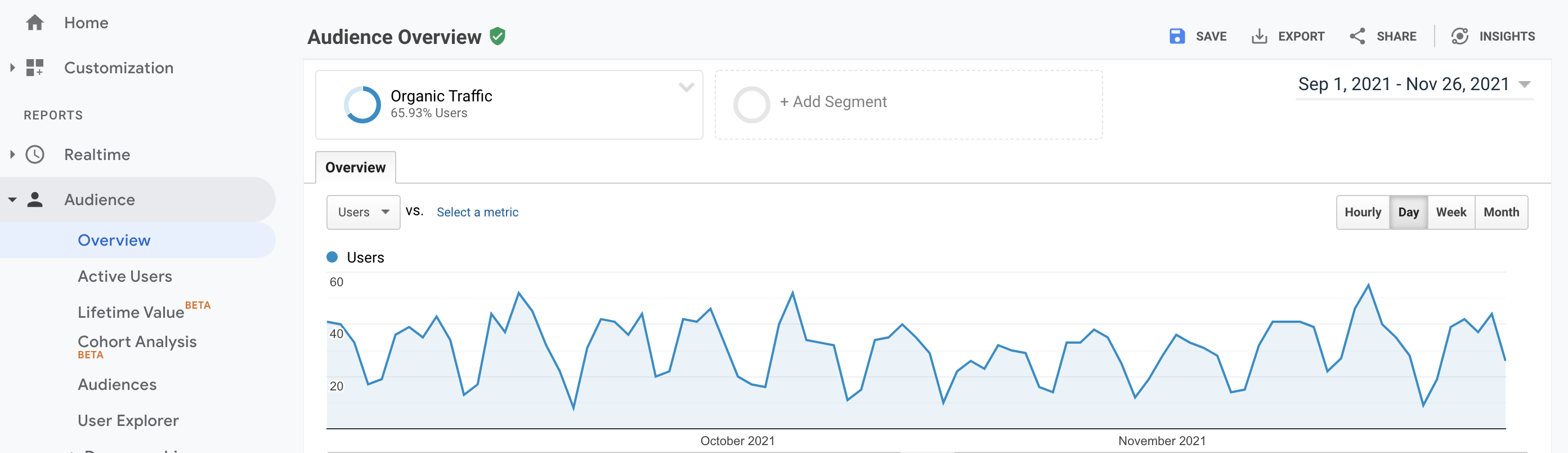
Before starting any SEO campaign, you need to spend a significant amount of time researching.
Here are some key things to look into at the start of any campaign:
Audit (analyze, align, activate)

Now that all of the background research is complete, it’s time to move on to the auditing phase. You will need to go through several checks to make sure your site has all the correct elements.
The number of data points in running a technical audit could be infinite, so we’ll focus on some of the most important ones that will make a significant difference when optimizing for Google.
It’s common for people to cannibalize content, which means they have multiple articles targeting the same keywords. Subtle content is also very common, including pages with little or no text or that don’t cover a topic fully.
Create (captivate, capture, compel)
Now that all the fundamental research is in place, you can move on to the fun part: creating engaging and compelling content.
Build your editorial strategy:
Outreach
Empower (engage, enthrall, earn)

Finally, you have all the building blocks to see your website thrive and see your traffic grow. You should look at your site traffic, rankings, and revenue growth in this final step. You’ve done all the hard work and you can now build on your success. In this final step, you will want to focus on letting your customers trust you and become your customers.
Data analysis
Conversion rate optimization (CRO):
Monitor trends
You can never rest on your laurels when it comes to your SEO strategy. It is important to continuously create content, disseminate and monitor the performance of your website. Google is constantly changing its algorithms, so it’s important for you to keep tracking trends and tweak your website accordingly.
Here are some of the biggest changes:
Deep dive
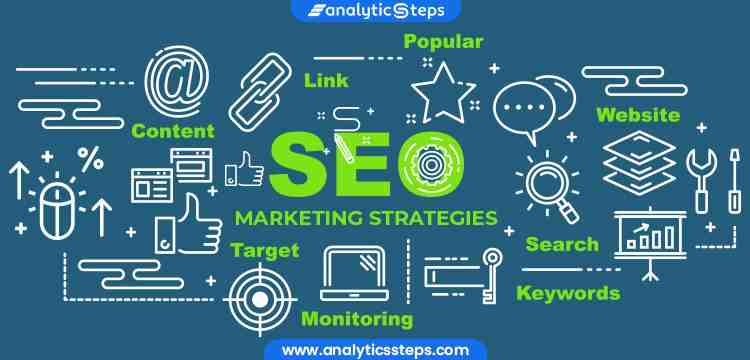
This article has given you an outline of the elements needed to establish a successful SEO campaign. However, the devil is in the details.
The articles to follow in this series will examine each of the elements mentioned above, with in-depth information and processes to accomplish each of these steps.
The views expressed in this article are those of the guest author and not necessarily of Search Engine Land. Staff authors are listed here.
New on Search Engine Land
About The Author
Marcela De Vivo is an industry veteran with over 20 years of experience in digital marketing, Marcela travels the world talking about SEO, data-driven marketing strategies and workflow automation and optimization. Marcela owns a digital marketing agency called ContentKarma based in California.
What does MarTech mean?
Marketing technology (also known as martech) is a set of software solutions used by marketing leaders to support mission-critical business goals and drive innovation within their organizations.
What is a MarTech strategy? Marketing technology, also known as MarTech, describes a range of software and tools that help achieve marketing goals or objectives. When a marketing team uses a grouping of marketing technologies, this is known as a marketing technology stack.
What are MarTech companies?
Definition of MarTech: “MarTech” is a marketing and technology portmanteau. It refers to the use of the MarTech tools and technologies that marketers use to inform, plan and execute their campaigns.
What is included in MarTech?
A martech stack can include:
- Marketing automation tools.
- Customer relationship management tools.
- Content management system.
- Analysis platform.
- Social media management tools.
- Advertising technology for SEM management.
- SEO optimization tools.
- Team communication and collaboration software.
What are MarTech investments?
MarTech, or in its simple form – marketing technology, refers to: “A range of software and tools that help achieve marketing goals or objectives”. The main purpose of MarTech solutions is to help optimize digital marketing campaigns.
Is Salesforce a MarTech company?
MarTech is for us. We have been instrumental in helping some of the world’s leading sales and marketing teams manage their most critical sales and marketing systems.
What is an example of MarTech?
Any social media marketing, or any marketing that takes place in a digital environment, is an example of martech. Any marketing traced with digital systems is also an example of martech. If a business uses technology of any kind to deliver or track coupons, that’s martech too.
What is an example of technological tool used in marketing?
Businesses can also track canceled email openings, bounces, and spam reports without the use of code. This email marketing tool also provides templates, planning, and A / B testing. Email analytics can be viewed in real time. AWeber is another popular email marketing tool with a number of great features.
What are MarTech platforms?
The term MarTech refers to any software or tool used by marketers to plan and execute their marketing activities in both digital marketing and the offline space. Collectively, these martech tools used by marketers or marketing teams are referred to as their martech stack.
How do you make a MarTech stack?
How to build a marketing technology stack
- Identify your primary marketing strategies and goals. …
- Examine your team to discover their challenges. …
- Establish an estimated budget. …
- Look for the tools you will consider for your martech stack. …
- Consider non-marketing tools to add to your tech stack.
What are marketing stacks? For the uninitiated, a marketing stack is the collection of technology-based (or “martech”) tools that marketers use to perform marketing tasks. For example, SaaS (software as a service) platforms, traditional software, social media tools, CRM and analytics.
What is included in a martech stack?
Social Media: Modern martech stacks include tools to manage and track social media posts and activities, measure brand sentiment among social media users, and engage customers and prospects in 1: 1 and 1: many conversations.
What is Adobe martech stack?
Adobe Stack is an innovative solution that has had a big impact on the MarTech segment. Martech teams now leverage Adobe Stack tools to continuously optimize marketing engagement; enable them to create and deliver personalized customer experiences across channels.
What goes into a martech stack?
A marketing technology stack is a grouping of technologies that marketers leverage to conduct and improve their marketing activities. Often, the goal of marketing technologies (also called “martech”) is to make difficult processes easier, measure the impact of marketing activities, and drive more efficient spending.
What is a martech tool?
MarTech tools are used to automate or otherwise simplify marketing processes, collect and analyze data, and provide various means of reaching and engaging the target audience. The suite of tools a company uses for marketing processes is known as the MarTech Stack.
What is an example of MarTech?
Any social media marketing, or any marketing that takes place in a digital environment, is an example of martech. Any marketing traced with digital systems is also an example of martech. If a business uses technology of any kind to deliver or track coupons, that’s martech too.
How many MarTech tools exist?
Like a botox-free valley girl, a company without a proper stack is showing its true age. But with over 5,000 MarTech options available, finding the right tools for the job can be daunting.
What is the MarTech 5000?
We have launched martech5000.com, a site where you can access all the data of the current martech landscape. Actually, even more current than graphics, as we will continually update the database, while graphics are more of a once-a-year snapshot.
What is an example of MarTech? Any social media marketing, or any marketing that takes place in a digital environment, is an example of martech. Any marketing traced with digital systems is also an example of martech. If a business uses technology of any kind to deliver or track coupons, that’s martech too.
What is MarTech today?
BREAKDOWN: MarketingLand.com and MarTechToday.com are reborn as MarTech, a brand new digital experience designed to inform, support, bring together and uplift the broader marketing community.
What is MarTech used for?
Definition of MarTech MarTech tools are used to automate or otherwise simplify marketing processes, collect and analyze data, and provide various means of reaching and engaging the target audience. The suite of tools a company uses for marketing processes is known as the MarTech Stack.
What is the future of MarTech?
The future of MarTech will be about campaign orchestration, intuition and relevance in the age of artificial intelligence. A number of Marketing Tech vendors will try to attract the spotlight by offering machine learning services, navigating the peak wave of the Hype-cycle.
What are MarTech platforms?
The term MarTech refers to any software or tool used by marketers to plan and execute their marketing activities in both digital marketing and the offline space. Collectively, these martech tools used by marketers or marketing teams are referred to as their martech stack.
What MarTech 2020?
It’s a big day in the martech community: the Marketing Technology Landscape 2020 is here. This year, MarTech Conference President Scott Brinker, and creator of this supergraph since 2011, has been crowdsourcing data from hundreds of contributors to put together the latest version of the landscape.
What is the future of MarTech?
The future of MarTech will be about campaign orchestration, intuition and relevance in the age of artificial intelligence. A number of Marketing Tech vendors will try to attract the spotlight by offering machine learning services, navigating the peak wave of the Hype-cycle.
Why do you need MarTech?
MarTech allows you to market smarter. When you consider the entire customer journey with the questions above, your teams can evaluate processes, automate efficiency, and optimize data for a more satisfying customer experience. Ultimately, MarTech enables companies to adopt and scale their marketing efforts faster and smarter.
Why is MarTech so important? MarTech software such as CRMs are useful for aligning marketing and sales and are most commonly used by B2B companies. A CRM allows your marketers and sales reps to have access to all the customer data they need to manage relationships and help potential customers along the funnel.
What should I know about MarTech?
Short for marketing technology, MarTech is a phrase that describes the software and applications that marketing teams use to plan, implement and analyze campaigns. MarTech can cover anything from social media and email marketing to website and digital asset management.
Why is marketing technology important?
Technology helps companies grow and thrive, build relationships, strengthen organizations’ effectiveness, enable people to get to know each other, and greatly affect how companies communicate with potential customers.
How is technology used in marketing?
When it comes to marketing, AI is helping businesses gather more information about their audiences by offering recommendation engines, predictive search, chatbots, etc. The use of these technologies and tools is helping companies to offer a better experience to their users and also to market themselves better.
What is the importance of marketing technology?
It can help you and your marketing team create, execute, and measure the success of your marketing resources and efforts more effectively, essentially freeing your marketing team to do more of what they do best.
How many MarTech tools are there?
MarTech bloat: how many MarTech solutions do you really need? There are currently just over 8,000 MarTech solutions available worldwide, a market that has seen considerable growth since 2011 where only 150 tools were available.
How many martech tools are there? Like a botox-free valley girl, a company without a proper stack is showing its true age. But with over 5,000 MarTech options available, finding the right tools for the job can be daunting.
What martech 2020?
It’s a big day in the martech community: the Marketing Technology Landscape 2020 is here. This year, MarTech Conference President Scott Brinker, and creator of this supergraph since 2011, has been crowdsourcing data from hundreds of contributors to put together the latest version of the landscape.
What is MarTech today?
BREAKDOWN: MarketingLand.com and MarTechToday.com are reborn as MarTech, a brand new digital experience designed to inform, support, bring together and uplift the broader marketing community.
What is the future of MarTech?
The future of MarTech will be about campaign orchestration, intuition and relevance in the age of artificial intelligence. A number of Marketing Tech vendors will try to attract the spotlight by offering machine learning services, navigating the peak wave of the Hype-cycle.
What is a martech tool?
MarTech tools are used to automate or otherwise simplify marketing processes, collect and analyze data, and provide various means of reaching and engaging the target audience. The suite of tools a company uses for marketing processes is known as the MarTech Stack.
How many tools are in a martech stack?
According to MarTech guru Scott Brinker, the average firm uses a MarTech stack comprising around 90 tools, which is too many. The reason is that there are not many single platforms that offer all-in-one solutions that are free from hassle.
How many tools do marketers use?
Marketers use more than 12 different tools on average, and some use more than 31 tools to manage campaigns and data. If agencies manage these accounts on behalf of their clients, that’s a dizzying amount of tools and programs to learn, use and track on a daily basis.