Local SEO: Why is it important for my business?
Today’s market is extremely competitive.
The first benchmark that many SMBs set for themselves is going national; ever-changing algorithms can make digital marketing more challenging than one might expect; and it is difficult to become visible in the pool of competitors who have been creating Google listings for years.
This can be daunting for business owners just starting out; but a competitive market does not mean that growth is impossible. With the right local search engine optimization (SEO) practices, you can meet your growth goals and then some.
Here’s how local SEO can help you grow your business:
What is Local SEO?
The main purpose of SEO is for your website to achieve a better rank on search engine results pages (SERPs). Local SEO then encompasses a series of strategies that help increase the visibility of your business in search results from your area.
To attract a large number of visitors, your website must be indexed on Google’s first page of search results; otherwise, you will miss being discovered by potential customers. After all, about 75% of users do not go beyond the first page on search engines.
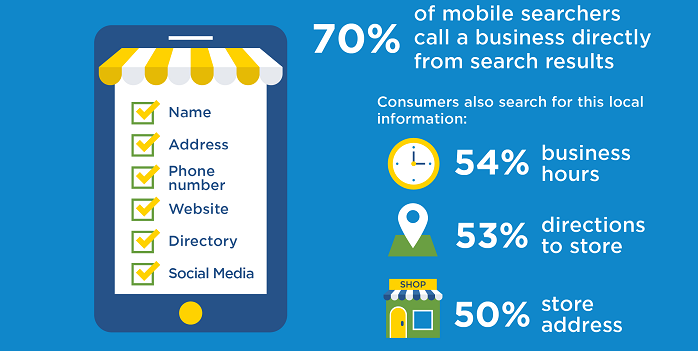
In addition, about 97% of users use a search engine to find local companies near them. Local SEO can help these people find your business before they find your competitors.
How to Improve Local SEO

Some local SEO strategies can be applied directly to your website, such as:
Before we dive deeper into local SEO strategies, keep in mind that they work best when combined with basic SEO practices. (Also read: 3 tips for developing an IT marketing strategy.)
With that said, here are more ways to improve local SEO:
Optimize Your Google Business Profile
Your Google Business Profile – previously known as your Google MyBusiness listing – allows your company to appear prominently on Google Maps and local SERPs.
Here’s how to set up and optimize your Google Business Profile:
Ensure Citations are Consistent
Consistency will get you a long way, especially when it comes to SEO. Consistent citations make it easier for consumers to find you and will also make you appear more credible.
For local SEO, you’ll want to make sure the following remains consistent across all publications that refer to you, including your own website and your Google Business Profile:
Monitor Your Reviews and Request Feedback
Reviews can make or break a company’s local SEO.
This is true for a number of reasons:
So how do you get positive reviews?
You can either offer a service or a product so that good customers want to leave positive feedback, or you can request reviews from your customers. In any case, it will benefit your company and SEO.
Make Localized Content
A regional and highly targeted content marketing strategy will help you rank higher in local search results. Some tips for this include:
An important note: Although your material should be local, it should also benefit your audience. The latter is the main attraction when it comes to content. (Also Read: What Makes Web Content Viral?)
Obtain Local Backlinks
Both are key factors in improving your website’s ranking in search engines.
To get local backlinks, you should first prioritize building and attracting local connections. Befriend companies that complement yours and that do not directly compete with you.
Start communicating and interacting with them in the comments section of their website. Make thoughtful and useful comments. This will make your customers and the author consider you an expert in attracting high-quality backlinks to your blog.
It’s all about trying to reach your target audience as much as you can.
Another option is to use a backlink checker technique to evaluate your competitors’ websites. This will help you identify websites that link to your competitors. Then you can contact this website and explain why your brand is above others.
Backlink building is a time-consuming and sometimes hit-or-miss process, but a few high-performing backlinks go a long way.
Use Local Keywords
Keyword research is extremely important to optimize your content for search engines.
Keywords are phrases that your target audience searches for on the Internet. These keywords could be one word or a whole phrase (long tail).
For local SEO, you want to target local keywords. To find local keywords, use a keyword research tool like Ahrefs or Semrush. These tools can help you find the most popular phrases that people in your area are typing into Google.
If you know what people in your area are typing in search engines, your task is to organically integrate these phrases into your blog. This helps signal your website to a search engine’s algorithm while ensuring that your content is not interrupted.
One thing to remember is that you should avoid stuffing your blogs with your target keywords. This is called “over-optimization”, and it will neither improve the user experience nor help you rank higher. In fact, it can cause search engines to prevent your website from being indexed.
Use Social Media
When it comes to SEO, you should use all the digital tools at your disposal. And social media is one of the most popular.
Having a strong presence on social media makes your company more trustworthy, which can help you rank higher. Plus, social networking allows you to show a more emotional element of your brand while maintaining clarity.
Make sure your social media profiles are relevant to your position in your business. The information you add should be consistent across these channels. (Remember: regularity is key!)
Make a Separate Page for Every Product/Service
Cramming all your goods and services into a single page is very attractive. After all, it’s quick and easy – for you.
However, to make things easier for your customers and for search engines, you should create a special section with separate pages for each good/service you offer.
Remember: If you only have one page with all your products and services listed, you only have one chance to rank on Google. But if you have separate pages for each product/service, you have a much better chance of ranking for many more keywords.
To illustrate, let’s say you own a bakery in Toronto. With all your products listed on one page, your keyword list is quite limited: “Toronto bakery”, “Toronto desserts” or “Ontario bakery” might be some examples. But expand your product offering to multiple pages, and suddenly you can target “Toronto Cupcakes,” “Toronto Pies,” “Toronto Birthday Cakes,” “Toronto Wedding Cakes”—the list goes on!
If you only have one product or service but multiple locations, create a separate page for each location and use location-based copy on the page.
For example, a home inspection company with multiple locations may create separate pages for “Toronto home inspections,” “Montreal home inspections,” and “Vancouver home inspections.”
Leverage Online Local Business Directories
Online business directories offer two significant benefits to your local business:
However, keep the following in mind when adding your local business to these business directories:
Conclusion
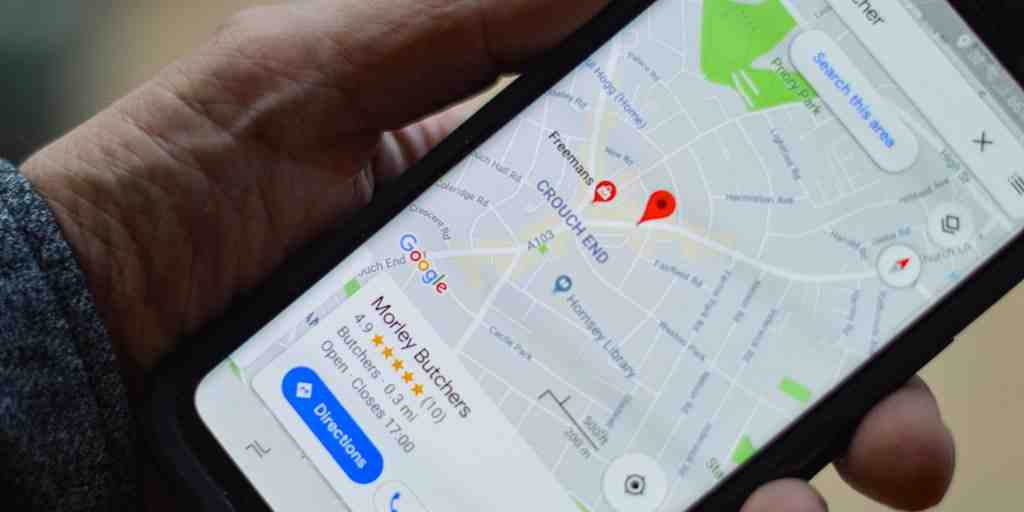
Local SEO is similar to conventional SEO in some ways, but with the added emphasis on local keywords and audiences. In local SEO, everything—including your content, keywords, and citations—should brand you as a business in your area (and adjacent locations).
You can maintain local SEO by ensuring consistency, especially when it comes to your contact information. However, with local SEO – as with conventional SEO – it’s important to remember that best practices are always changing. The only foolproof local SEO strategy is one that changes with the trends. (Also read: 6 signs that mobile is the new key to winning at SEO.)
Why is local SEO important?
Benefits of Local SEO Better Online Visibility: Local SEO activity, such as citation and link building, increases your online visibility. This makes your business easier to discover by new customers. More in-store foot traffic: Increased local visibility brings more foot traffic to your brick-and-mortar location.
Who benefits from local SEO & Why? With local SEO, your business gets more visibility and that it is found by the right people who are interested in your product and at the right time. If your business is more visible, that means more profits, sales, and even relevance.
Why local SEO is important for small business?
A successful local SEO campaign helps your business because: Local SEO increases your website’s ranking in search results and in the local pack. It gets the highest conversion rate of all local advertising channels. It increases your online visibility, especially for nearby customers.
What is local SEO for small businesses?
Local SEO means optimizing your business’s website so that it ranks higher in the map listings on search engines like Google. This way, your local target audience is more likely to see your website if they use relevant search terms.
What is local SEO and why it is important for SEO?
Simply put, local SEO is where you focus on improving your rankings and visibility in local search results such as Google’s Map Pack / Local Pack. Organic SEO is how to improve website ranking in organic search. How your website ranks in the organic results can also positively affect your Local Pack ranking.
What is local SEO and why is it so important?
Local SEO is a search engine optimization (SEO) strategy that helps your business be more visible in local search results on Google. Any business that has a physical location or serves a geographic area can benefit from local SEO.
What is important local SEO for a website?
Local SEO allows you to put important information about your site online, such as the address and phone number of your business. In addition, you can highlight and promote the type of products or services you offer on your website using SEO techniques.
What is local SEO and what are the benefits of local SEO?
While SEO focuses on generating organic traffic to your website by increasing your search engine ranking, the job of local SEO lies in optimizing your pages to earn high rankings for local queries in specific areas.
Will SEO be relevant in future?

One thing is for sure though: SEO will be around for a long time. As long as search engines exist and Internet users continue to use keywords and phrases to find what they are looking for, the search engine business will continue.
Is SEO still relevant in 2022? Will SEO still be relevant in 2022? Yes of course. Although some SEO tactics that were effective in the past have stopped working, SEO has continued to evolve. Constantly reinvent to try to better match user intent, cut the spammy, ineffective tactics to get better.
Will SEO exist in 5 years?
SEO will not be eliminated in the next five years, as social media and search engines will more than likely merge. Facebook has already started doing this: they average over 1.5 billion searches every day. Twitter did the same; they are in collaboration with Google.
Is SEO worth it in 2022?
Yes, SEO is worth it in 2022, in the future, in the past, and always. As long as websites and search engines have existed, SEO has been necessary. SEO 10 years from now will probably be very different from SEO today, but you still need to make sure that your website is sending search engines the right signals so that you can be found.
How long will SEO last?
SEO should show results within a period of 6 to 12 months. By results we mean a measurable increase in traffic and associated leads or conversions.
Does SEO have a future?
SEO is now considered a long-term investment for businesses, with results showing up gradually over time. SEO is considered almost dead by many web administrators and business owners due to recent search engine algorithms. They believe that SEO is no longer effective and will never bring fruitful results.
What is the future of SEO in 2022?
By 2022, it is expected that SEO rankings will be more competitive with providing high-quality content that is helpful to Internet users. Content that only tries to fish for its audience by linking to unnecessary sourcing will not be effective as it is today.
Does SEO have a future?
SEO is now considered a long-term investment for businesses, with results showing up gradually over time. SEO is considered almost dead by many web administrators and business owners due to recent search engine algorithms. They believe that SEO is no longer effective and will never bring fruitful results.
What is the best SEO strategy in 2022?
12 Most Effective SEO Tips You Need to Know for 2022
- Focus on UX.
- Use internal linking.
- Focus on entity-based SEO.
- Create blog posts as videos.
- Go to Google Discover.
- Update existing content.
- Optimize content for voice search.
- Drive traffic with long-tail keywords.
Will SEO exist in 10 years?
According to a survey sent to the Twitter audience by Search Engine Journal, 28% say that AI will never take over SEO, 55% predict that AI will take over SEO within 10 years, and 17% say in 11-20 years.
Is there a future for SEO?
SEO is now considered a long-term investment for businesses, with results showing up gradually over time. SEO is considered almost dead by many web administrators and business owners due to recent search engine algorithms. They believe that SEO is no longer effective and will never bring fruitful results.
Will SEO be obsolete?
As long as search engine results pages exist, SEO will never be obsolete. As long as the algorithm continues to crawl our websites, there will always be a need for SEO professionals. Organic search will always be a channel that can deliver tremendous value to any business.
How long will SEO last?
SEO should show results within a period of 6 to 12 months. By results we mean a measurable increase in traffic and associated leads or conversions.
What kind of business can use local SEO?
Businesses that provide medical services, such as doctor’s offices, dental practices and urgent care clinics, are perfect for local SEO. Other than building a phenomenal website, there are many things these specialists can do to boost their rankings.
Which industry needs SEO the most? Which industries need SEO the most?
- Restaurants. Restaurants and cafes can largely benefit from SEO tools. …
- Online business. Running an online business without a proper SEO strategy is basically asking for failure! …
- Home repair and renovation. …
- Professional services. …
- Real estate. …
- Medical Practitioners and Services.
What is local SEO for small businesses?
Local SEO means optimizing your business’s website so that it ranks higher in the map listings on search engines like Google. This way, your local target audience is more likely to see your website if they use relevant search terms.
What is local SEO in business?
Local SEO is a search engine optimization (SEO) strategy that helps your business be more visible in local search results on Google. Any business that has a physical location or serves a geographic area can benefit from local SEO.
What is the best SEO for a small business?
SmartSites has an excellent reputation for creating and implementing effective SEO strategies for all types of businesses. That’s why SmartSites is Forbes Advisor’s pick for the best overall SEO service for small businesses.
Why small businesses Need local SEO?
A successful local SEO campaign helps your business because: Local SEO increases your website’s ranking in search results and in the local pack. It gets the highest conversion rate of all local advertising channels. It increases your online visibility, especially for nearby customers.
What is the benefit of local SEO?
Local SEO helps increase online visibility so you get noticed by new customers. Google Maps and Google My Business optimization can generate more direct calls, leads and sales. Optimizing your website for localized terms means you’ll attract targeted traffic and better leads.
How many Google searches are local?
In fact, nearly 46% of all Google searches are for local information.
Where do most Google searches come from? 63 percent of Google’s organic search traffic in the US originates from mobile devices. Facebook was the most searched keyword on Google. 84 percent of respondents use Google 3 times a day or more. 46 percent of product searches start on Google.
How many people search local businesses on Google?
86% of customers use Google Maps to find local businesses The latest local SEO statistics from Google Maps show that 86% of users use the platform to search for local businesses and businesses.
How many people search online for local businesses?
What percentage of searches are local? In 2020, 93% of consumers used online search to find a local business (as per BrightLocal’s survey of 1,013 US-based consumers).
What percent of Google searches are local?
Almost half (46%) of all Google searches consist of users looking for local information. These local searches consist of people looking for businesses in their area or in a specific service area.
How many businesses are searched on Google per day?
Summary: Google Search Statistics 2022 Google processes over 8.5 billion searches per day.
What percent of searches are local?
Almost half (46%) of all Google searches consist of users looking for local information. These local searches consist of people looking for businesses in their area or in a specific service area.
What percent of searches have local intent?
Did you know that 88% of consumers who do a local search on their smartphone visit or call a store within a day? In fact, nearly 46% of all Google searches are for local information.
How many people search local businesses?
What percentage of searches are local? In 2020, 93% of consumers used online search to find a local business (as per BrightLocal’s survey of 1,013 US-based consumers).
What is local search ranking?
Local SERPs describe the results that appear for a local-based query based on where the customer is. Local SERPs usually include a local 3-pack at the top and display the most relevant results on the map.
What percentage of searches are new on Google?
There are trillions of searches on Google every year. In fact, 15 percent of the searches we see every day are new – which means there is always more work for us to do to present people with the best answers to their queries from a wide variety of legitimate sources.
How many Google searches are new per day?
Although Google does not share exact numbers, as reported by SEOTribunal.com, Google handles 3.8 million searches per minute on average worldwide. That comes to 228 million searches per hour, 5.6 billion searches per day, or 2 trillion searches per year! That’s a lot of searching!
How many searches does Google get per second in 2022?
We know that there are many searches performed on Google every day. But how much is that exactly? The latest data shows that Google processes over 99,000 searches every second (Internet Live Stats, 2022). This makes more than 8.5 billion searches per day (Internet Live Stats, 2022).
How many searches Google gets every second?
Google does not share its search volume data. However, it is estimated that Google processes about 63,000 search queries every second, which translates to 5.6 billion searches per day and about 2 trillion global searches per year.
Who should use local SEO?
Any business that has a physical location or serves a geographic area can benefit from local SEO. If you search on Google for important keywords related to your business and a map with 3 listings below it appears (also known as a map pack), then local SEO can help you grow your business.
Who benefits from local SEO? The most obvious benefit to search engine optimization in general is the ability to increase your rankings on Google Search and other search engines. All businesses – local or otherwise – want the number 1 spot because then they have the best chance of attracting new website visitors.
Why should I opt for local SEO services?
One of the top benefits of local SEO is that it improves your search positions, giving you more visibility and, as a result, trust. This is because when you optimize your content for a specific area, it signals to Google that your business is local and that you are relevant to queries in your location.
Enterprise SEO Could Be Your Key To Higher Income
Opinions expressed by contractor contributors are their own.
High quality organic traffic to a website generates leads day and night. Every business that wants to continue generating revenue needs an online presence, and search engine optimization (SEO) is the key to online traffic.
But as a business site grows from a small entity to a business, something changes.
Traffic growth tends to stop when a site has thousands of pages, and it’s not because SEO is no longer working. Instead, sites of these sizes become unmanageable, and without a transition to enterprise SEO, the rapid growth that optimization offers will come to a halt.
Related: 8 Ways to Speed Up Your Website (And Why It’s Critical to Your Business)
What is enterprise SEO and why do you need to level up?

Enterprise SEO. Regular SEO. It’s all confusing. But you need to know the difference between the two because it will help you understand how larger brands and businesses approach optimization.
The most important difference between your big brand and a small one is scale.
For example, your website might have:
Small teams will fail when trying to manage a business of this size if there is no transition to enterprise SEO.
Related: 4 Tweaks to Make on Your Website to Sell More
Just think about your team. If you are at the enterprise stage, this means you have:
So what does this mean for your business? Transition.
You want to continue to get organic traffic from search engines and build your brand. This goal is possible with a corporate approach that strengthens your business through:
Enterprise solutions focus heavily on data, technical aspects of a website, managing teams properly and automating tasks whenever possible.
If you don’t transition from traditional search engine optimization to enterprise search engine optimization, your competitors can slowly start taking your online market share and start ranking your website.
Related: 6 Free Tools to Help You Optimize Your Website
When to level up your search engine game

Google updates its algorithm 500-600 times a year. You need to stay ahead of the game to continue to see results for your business. If you’re wondering if you need an enterprise solution, you probably do.
Here are some indicators that it’s time for your company to make the transition to enterprise SEO:
What has worked in the past to grow a small business into a business may not work when you are actually a business. Leadership and creating cohesion between teams are just some of the reasons why businesses are upping their search engine game.
You’ve also collected a ton of data over the years. The experienced business professional will be able to dissect this data and leverage it in ways that are overlooked using traditional SEO methods.
If it’s time to finally up your company’s SEO game, you need to take decisive steps to reach the next stage of success. The following tips are a great way to get started with search engine optimization.
Related: Top 5 Digital Marketing Jobs for Beginners
5 quick tips to get started with enterprise SEO

Alright, maybe it’s time to get started on business SEO and continue growing your business. Where do you start?
Businesses grow, develop and change. Your marketing and online search engine optimization must also evolve and change. As traffic from Google and other search engines slows down, it’s time to consider transitioning to enterprise SEO if your site has thousands of pages, products, multiple teams, and even smaller sites to manage.
Related: SEO and content marketing are the perfect marriage for your business. Here’s why.
How does SEO affects your business?

How does SEO affect businesses? Search engine optimization affects businesses by improving your ranking in relevant search results. With a high enough ranking, say on page one, your business can use SEO to bring qualified traffic to your website, which can lead to more leads, sales and revenue for your business.
How does SEO affect customers? Quality content and SEO give you credibility Quality content on your website not only gives Google more reason to rank you higher, but it also improves the user experience and gives your business more credibility. What does “quality content” mean? Think about is useful information for your customer.
Why SEO is important for business?
SEO has huge benefits for websites and can lead to long-term exponential growth. Brands that invest in SEO can build credibility and trust with their audience, making it a key part of a digital marketing strategy.
Why is SEO important for small businesses?
SEO is important because it helps you establish yourself as an expert in your field and generate traffic to your website, while also helping you organically promote your business for free. If you are unsure about the importance of SEO, you are not alone. Only 36% of small businesses actually have an SEO strategy.
Why is SEO still important?
Optimizing your website for SEO means you’re more likely to generate organic traffic, which will turn into customers who buy your product or service. When people google, they usually perform very specific searches, such as “garage specializing in Honda in Walthamstow”.
Is SEO important for every kind of business?
SEO is equally important for any business, regardless of industry or competition. Again, this is because you can’t control many of the factors that surround you, but you can control SEO. And if you could directly influence your website’s traffic, rankings and sales or leads… why wouldn’t you?
How can local SEO increase sales?

6 ways to boost your local SEO strategy
- Claim and optimize your GMB listing. GMB or Google My Business is essentially the most critical part of your local SEO strategy. …
- Keep mobile in mind. …
- Collect lots of customer reviews. …
- Focus on local link building. …
- Ensure consistency in NAP/citation. …
- Get the most out of social listening.
How much can SEO increase sales? SEO does not replace paid advertising such as AdWords or Facebook ads. But it is a very important part of a good marketing strategy. In fact, it can make or break your ad campaign. Lack of SEO can actually increase how much you pay for ads by 400%.
How does SEO affect sales?
Using a good SEO strategy will help you reach potential customers, bring the right users to your website and streamline your sales process. SEO and keyword research can help you target a specific audience based on the keywords they use, increasing your chances of making a sale.
What is SEO in sales and marketing?
You probably already know that search engine optimization, or SEO, is a digital marketing strategy that you can use to help your business website rank higher on search engines like Google.
Why is local SEO so important?
Benefits of Local SEO Better Online Visibility: Local SEO activity, such as citation and link building, increases your online visibility. It makes your business easier to find for new customers. More foot traffic in the store: Greater local visibility brings more foot traffic to your physical location.
What is local SEO and why is it so important?
Local SEO is a search engine optimization (SEO) strategy that helps your business become more visible in local search results on Google. Any business that has a physical location or serves a geographic area can benefit from local SEO.
Who benefits from local SEO & Why?
With local SEO, your business gets more visibility by being found by the right people who are interested in your product and at the right time. When your business is more visible, this means more profits, sales and even relevance.
Why local SEO is important for small business?
A successful local SEO campaign will help your business because: Local SEO increases your website’s rankings in search results and in the local package. It receives the highest conversion rates of any local advertising channel. It increases your online visibility, especially for neighboring customers.
How much should I spend a month on SEO?
How much can you expect to spend on SEO? If you hire a top tier SEO company to run a local campaign, expect to pay $500.00+ per month. A national or international campaign will require a minimum budget of $2,500 to $5,000 a month. Some companies offer a “trial package” at a lower price, without a contract.
How much should a small business spend on SEO? How Much Does Small Business SEO Cost? The average cost of SEO for small businesses is $750 to $2,000 per month or $5,000 to $30,000 for one-time projects. Smaller companies that invest in SEO consulting services can expect to pay $80 to $200 per hour.
How much does SEO cost per month for small business?
According to a survey of 1,200 business owners and over 350 agencies, freelancers, and consultants, the average cost of SEO for small businesses is $501-$1,000 per month globally. The average cost of SEO for small businesses in the US is $2,501 to $5,000 per month.
Is SEO worth it for small businesses?
The short answer is SEO is very effective – not only for generating traffic, but also leads and sales. Do not worry. The long answer includes research and data, not just empty statements. Most SEOs get too caught up in search-specific metrics like SERPs (search engine results page), rankings, and organic traffic.
What is an ideal budget for SEO?
How much does SEO cost? If you hire a high-quality SEO firm to provide comprehensive SEO services, be prepared to pay a minimum of $3,000 to $5,000 per month. Many companies spend tens of thousands of dollars per month on SEO.
How much should I pay for SEO per month?
| Type | Cost |
|---|---|
| Cheap SEO | $500 to $3000 per month |
| Mid-range SEO | $3,000 to $15,000 per month |
| High-end SEO | $15,000-$30,000 per month |
| Enterprise SEO | $30,000-1 million per month |
Do I need to pay for monthly SEO?
The truth is, you don’t need to pay an agency for a monthly SEO campaign. And as a director of an agency, I’m sure many of you will be shocked to hear this. SEO is not rocket science.
Is SEO paid or unpaid?
Most people search online before making a purchase, so having a strong presence in search is critical, and using a strategic combination of both can increase your long-term visibility. SEO is for organic traffic – so there are unpaid or free listings, and SEM is for targeted ads that you pay for.
Is SEO a one time cost?
The average cost of project-based SEO services ranges from $1,000 to $1 million and up. Smaller companies using local SEO can spend about $1,000 a month per project. Larger enterprise-level businesses can expect to pay millions of dollars a month.
Do you pay for SEO to Google?
No. Google does not provide SEO services. Remember that Google is a search engine and they have created their own algorithm to rank websites. If Google offered SEO services, you would basically just be paying to be at the top of the search results considering they would know exactly what to do on your site to get you there.
How much do I need to spend on SEO?
The average cost of project-based SEO services ranges from $1,000 to $1 million and up. Smaller companies using local SEO can spend about $1,000 a month per project. Larger enterprise-level businesses can expect to pay millions of dollars a month.
How much does SEO content cost?
SEO campaigns can cost anywhere from $5,000/month to $100,000/month, depending on the vertical. Local SEO may be slightly lower. On average, high-quality SEO should cost $3,000/month, with an average hourly rate of $150. SEO campaigns can cost anywhere from $5,000/month to $100,000/month, depending on the vertical.
Is it worth it to pay for SEO?
The short answer is SEO is very effective – not only for generating traffic, but also leads and sales. Do not worry. The long answer includes research and data, not just empty statements. Most SEOs get too caught up in search-specific metrics like SERPs (search engine results page), rankings, and organic traffic.
Why is SEO a long term strategy?
This piece will be divided into three main reasons why SEO is a long term strategy: constantly changing market, new competitors and google/search engine updates. This piece concludes with customer data that shows why the investment in SEO is worth it.
Why is an SEO strategy beneficial? An effective SEO strategy will help deliver your websites to a relevant audience via relevant searches. Since the user is already looking for what you have to offer, organic visibility drives high-quality traffic to your website without trying to entice or persuade visitors.
Which strategy is the most effective for long term SEO growth?
The best long-term SEO strategy is to align the goals of your website with the goals of the search engines. Search engines try to give the user the best experience. If your site provides the best solution for the keyword, your site will rank at the top.
How SEO is a long-term strategy?
A much more profitable strategy for achieving success is a long-term dedication to SEO because it is an ongoing process that must be maintained. SEO is not a one-time process, it requires constant work. If you only do SEO in the short term, it will only give you positive results to a certain extent.
What is long-term SEO?
SEO is a long-term investment The SEO (search engine optimization) process is a long-term investment because, like any worthwhile investment, it takes time to grow. If your company invests in traditional marketing campaigns, it is important to invest accordingly in SEO and digital campaigns.
Is SEO a long term investment?
SEO is the best long-term investment in your business that will help you get those customers every time they decide to use their mobile phones to search for your product or service online.
Does SEO have a future?
SEO is now considered a long-term investment for businesses, with results showing gradually over time. SEO is considered almost dead by many webmasters and business owners due to newer search engine algorithms. They believe that SEO is no longer effective and will never yield fruitful results.
Is SEO a long term strategy?
SEO is a long-term process. SEO is a long-term process and changes in SERPs can only be seen after a certain time. Sometimes the results are visible within a few days, sometimes up to a few weeks or months.
Is SEO a good investment?
SEO is not only necessary for your business, it is one of the biggest investments you can make. You can think of SEO like investing money in a 401K for your business – it’s money that will gain value over time and stay in your account.
Why SEO is the future?
The future of SEO, according to Neil Patel, is creating a brand. Your brand will grow and you’ll soon rank higher in search engine results if you provide exceptional value to your followers. While you are known as a brand, it becomes much easier to acquire links and improve your SEO and rankings on Google.
Will SEO exist in 5 years?
SEO will not be eliminated in the next five years because social media and search engines will more than likely merge. Facebook has already started doing this: they average over 1.5 billion searches every day. Twitter has done the same; they joined in partnership with Google.
What is the future of SEO in 2022?
By 2022, expect SEO rankings to be more competitive in providing high-quality content that is useful to internet users. Content that only tries to fish for audiences by linking to unnecessary sources will not be effective as it is today.
Why SEO is so important?
In short, SEO is essential because it makes your website more visible, which means more traffic and more opportunities to convert prospects into customers. Check out the SEO tools you can use for optimal ranking.
Is SEO worth it 2022?
Yes, SEO is worth it – in 2022, in the future, in the past and always. As long as websites and search engines exist, SEO is necessary. SEO in 10 years will probably be very different from SEO today, but you always need to make sure that your website is sending search engines the right signals so that you can be found.
How will SEO change in 2022? By 2022, expect SEO rankings to be more competitive in providing high-quality content that is useful to internet users. Content that only tries to fish for audiences by linking to unnecessary sources will not be effective as it is today.
Will SEO exist in 5 years?
SEO will not be eliminated in the next five years because social media and search engines will more than likely merge. Facebook has already started doing this: they average over 1.5 billion searches every day. Twitter has done the same; they joined in partnership with Google.
Is SEO worth it in 2022?
Yes, SEO is worth it – in 2022, in the future, in the past and always. As long as websites and search engines exist, SEO is necessary. SEO in 10 years will probably be very different from SEO today, but you always need to make sure that your website is sending search engines the right signals so that you can be found.
Does SEO have a future?
SEO is now considered a long-term investment for businesses, with results showing gradually over time. SEO is considered almost dead by many webmasters and business owners due to newer search engine algorithms. They believe that SEO is no longer effective and will never yield fruitful results.
How long will SEO last?
SEO should show results within a period of 6 to 12 months. By results we mean a measurable increase in traffic and associated potential customers or conversions.
Is SEO worth learning in 2022?
SEO is a promising career in 2022 because it gives you access to various opportunities. You can work in-house, take on clients and even start and develop your own websites. In addition, the three most popular websites, Google.com, YouTube.com and Amazon.com, are the largest search engines.
Is SEO a good career 2022?
‘Yes. SEO is a good career option as it is among the most sought after careers in digital marketing. There are several organizations around the world that hire SEO professionals to generate better content and thus produce more leads.
Does SEO have a future?
SEO is now considered a long-term investment for businesses, with results showing gradually over time. SEO is considered almost dead by many webmasters and business owners due to newer search engine algorithms. They believe that SEO is no longer effective and will never yield fruitful results.
Is Learning SEO worth it in 2022?
Yes, SEO is worth it – in 2022, in the future, in the past and always. As long as websites and search engines exist, SEO is necessary. SEO in 10 years will probably be very different from SEO today, but you always need to make sure that your website is sending search engines the right signals so that you can be found.
Is SEO still important in 2022?
Will SEO still be relevant in 2022? Yes of course. Although some SEO tactics that were effective in the past have stopped working, SEO continued to evolve. Constantly reinventing itself to try to better match user intent, reducing spammy, ineffective tactics to improve.
Will SEO be relevant in future?
However, one thing is certain: SEO will be around for a long time. As long as search engines exist and internet users continue to use search terms and phrases to find what they are looking for, the search engine business will continue.
Is SEO a good business in 2022?
Search Engine Optimization, or SEO, is an increasingly popular skill in 2022. Businesses of all sizes need to focus on SEO to grow and attract more visitors to their websites. If you have expertise in SEO, starting an SEO business is an excellent way to make a living.
Why does SEO matter in 2022?
Search engine optimization (SEO) is the key to successful digital marketing strategies. SEO can help your website rank higher on the search engine results pages (SERPs), providing greater visibility and organic search traffic.
How can we improve the ranking of older content? Ask an SEO
How can you help existing websites find new value and rise in the search rankings?
That is the question asked by Faith in this edition of Ask SEO. She wrote:
“I have a few keywords on the fourth or fifth page of Google.
A year has been held in this position. What can I do to improve my reputation now?”
Adam Riemer from Adam Riemer Marketing responds with Miranda Miller, Writer & amp; Editor, in this edition of Ask SEO.
Evaluating internal pages that may compete with your competitors for optimization is an important first step, he says.
Optimizing Page Speed and Important Web Content can give you new opportunities to improve rankings.
Adam shares a step-by-step process for finding opportunities to improve existing content with a local system, improve the user experience on the site, get links from relevant media, and more.
You can watch the full video here and find the full description below.
Ask An SEO: Improving Rankings With Adam Riemer [Full Transcript]

Miranda Miller: Hello, and welcome to Ask SEO. … This week, we’re joined by Adam Riemer from Adam Riemer Marketing, AdamRiemer.me.
The question people are asking you this week comes from Imani.
Faith has few keywords on the fourth or fifth page of Google. They’ve been comfortable there for almost a year, and she wants to know: What can she do to improve these positions now?
Adam Riemer: Okay. This is a good question and it comes up often. I have to deal with that with many clients. Well, it is not solved, but I can solve this problem for many customers.
Improving Rankings For Existing Content, Step By Step
Adam Riemer: And actually, the first thing I’m going to do is, I’m going to take a tool, whether it’s Authority Labs or Semrush; I think Ahrefs does that too.
And I will check to see: Do we have competitive sites in these positions?
And is there one with an indent after it, perhaps? And from there, I’d be like, OK, well… do these two pages need to exist?
If there’s no competition and there’s only one page there, I start looking at the experience of the page, and I say, Well, why isn’t this the best experience for the user or for the search engine?
And then we start talking, and you can see, Is it well expressed?
Is the story as good as it could be?
Is it designed correctly? Can you use other sizes?
Sometimes, one thing I’ve done a lot lately… there’s a legal search on my website right now, I have to delete a lot of the copy because people just wrote the copy to print the least amount of actual quotes and reduce it, and just sharing the basic information.
We have been able to take our clients up to the top positions from there.
Another option you can do, if everything is correct and your copy is good… you can start checking the Page speed and the important elements of the Web.
This won’t move the needle much, but if it does, it will help you drive traffic and reduce bounce rates.
Another thing you can try to do is build some internal links from relevant content.
You don’t want to just link to this page from keywords to do it.
Create a content strategy. Find previous articles.
If you’re on WordPress, for example, you can log in, click on posts, and then click on pages.
You do this twice and type in a key or similar version of the key. And this will bring up a list of the actual pages that mention this. And you can start building words that way.
You can also use search engines. We’ll make the site, put in your URL, and then in quotation marks, you’ll put in the phrase, and it will search through your website for mentions of that specific keyword or phrase in the site.
And now you have a list of pages that you can build links from.
You can also try doing PR work. So if the content or if your page is very good, then you can definitely attract backlinks from the big media, maybe bloggers.
Tips For Local Businesses
Adam Riemer: If you’re local, go to local websites and affiliate companies, and try to do that. It won’t be an immediate result, but you will start to see an increase if it is good.
If it’s a product page and you’re not the manufacturer, it doesn’t make sense to give you an anchor or backlink.
So what you want to do is you want to create content that is worth linking to and get backlinks that way, and pass the authority to the site.
Those are the different ways that you can go from ranking or page four and five to the first page of Google and maybe make it.
Don’t Forget About Schema
The last thing to look at, and probably the last thing to look at, is the plot.
Many people forget that schema.org updates its libraries regularly. So would you like to come in and say, I have everything here? Did I add a video?
And is there a video content system?
Or have I added some, and is there a FAQ schema?
If it is listed as an article, because maybe you are an author, there is probably a section, and you can put it in the section of the system.
And those are always… you can take your page from page four and five of Google and push it to page one while getting some great benefits.
Evaluating A Visitor’s Page Experience
Miranda Miller: That’s amazing. This is great information, Adam.
I have two follow-up questions for you.
I’m wondering – when you’re evaluating the experience of a page, the experience that each user is having on that site and that specific page, do you use tools to help you with that?
Or is it a manual process, and what are you looking for?
Adam Riemer: It depends on what I’m looking at on the page, specifically.
If I notice it’s running very slow, then I’ll use webpagetest.org. This is my first go-to tool because the water is easy to distribute, and now they’ve added Core Web Vitals – this is similar to what you’ll see in the Search Engine.
So, I can say, OK, this starts at the beginning. This is coming, or this is being pulled before we start the page, and we can move it to the end. He doesn’t need to be there.
We can find all the fonts and everything that slows down the page.
We can also look for scripts and code that aren’t reused – because it’s all right there in front of you.
One thing I would do is, a lot of times, brand organizations will come in and say, “No, this is the message we’re going to use.
And this is what we want for our thing, for our products or our services or our things. “
When in fact, that’s what they want. This is not what the end user or what these search engines think.
And if you don’t give the right words and the right message to your users, then you won’t get those users.
So what I do is I have the same tag team go on a video call outside, all of us, and we’ll start saying the H1 tag and the big blurb to random people or students, saying, What does this mean?
What do we offer? What are we doing?
Nine times out of ten, people can’t answer, and they don’t know. And he really drives it home.
I had a top 500 CEO actually stand outside and say what his team had us put on the website – it didn’t look good.
But he drove the point home: This is nobody who knows what we do or sell or what the content of the story should be.
And this is a good way to start repeating it; Well, let’s continue the message while keeping the brand and tax. So there is a good balance. So really, it just depends on what the goal is and what we’re looking at for the site experience.
Tips For Getting Noticed By Busy News Media Professionals
Miranda Miller: That’s great. And the other thing that I was surprised about was when we were talking about building links and getting media presence and, you know, people who can give you a relevant link.
What tips do you have for standing out in an overcrowded inbox?
Avoid the “MeWe” syndrome and praise them.
And I actually did this with a client yesterday. I said, “Your email is not the best it could be.”
They were like, “Why? We covered everything.”
This is the problem. Let’s go in and read this.
And every time a sentence starts with “I,” “We,” “Our,” or “My,” I put my finger up. And if these words appear again in the sentence, they get two fingers for each one.
So in the first three sentences, we already played 10 fingers pointing up.
How’s that for a journalist? They were like: “Because they wrote about this topic.”
But it’s not about the journalist. “About a journalist” means you’ve read two or three of their articles and maybe visited their social media pages.
So what I do is I look for an older story that they might be proud of and a more recent one that is both relevant.
“Hey, thanks for your article about this, this and this. Meaning about half of the country where you mentioned WordPress and Wix before GoDaddy, for example, and the way you called the new launches, without knowing that you can do it with the X, Y, and Z CRM system or CMS system.”
So you want to say, “I also noticed that you’ve updated here where you have WordPress and Squarespace. Have you considered doing a comparison chart and maybe adding X, Y, Z in there, and X, Y, Z would be a new customer?” Just to introduce and say, they have these features, including the ones you have Feel free to review it yourself under the list of pros and cons here.
And now what you’re doing is you’re showing that you’re actually reading, and you’re giving a reason to include, and you’re saying, this is the only one.
Or you can say, “Company X, Y, Z has this feature like this company. And like that, but it’s not there. And they actually do this. I work for them. I’d be happy to give you an account.” free if you want to review it.”
If it’s just a product page… like, we’re all wearing T-shirts. So maybe it’s the top 30 T-shirts or the best 30 T-shirts to ask questions on Search Engine Journal.
So we went in, and we saw Cosmopolitan and Refinery 29 and Rolling Stone and all these publications — one, you’re going to need an affiliate program because it’s all sites now.
Second, you need to pay attention to the journalist. Well, this is not true because the journalists in those publications have editorial control, and not everything in these lists is a link. It just helps, which means you won’t get your link because it will go through a 307 redirect.
But this is rambling. And I am sorry, please protect me.
Miranda Miller: That’s a great suggestion. And as an editor, I can tell you, we can smell a mile away if you just put our name in it and not actually, like, do some homework on what the book is about and why we will relate to you.
And yes. If… what did you call it? “MeWe” syndrome – if you only talk about yourself. You’re just that guy in the corner at the party. Nobody wants to talk to you, nobody wants to give you a link.
Well thank you Adam. I really appreciate your time.
Adam Riemer: Can I finish part one quickly? I’m sorry. So, yes.
So when you’re going through this list, it’s not enough. You can click on the author’s name, and you will see all the articles they have written.
So what you want to do then, because we’re going to put on our T-shirt, we want to say: “Okay, your story here, I didn’t know that Lululemon makes T-shirts.”
Then say, “In the recent, third down where you show the green T-shirt with the XYZ show is interesting. Thanks for the link to Nordstrom. Our company offers such a T-shirt, which is missing. It’s made from some good stuff here, which I noticed might be a big topic for you because you’ve written about hair ties and cell phones. “
I’m just looking at what’s on. And it’s amazing. I have hair. I bought them for my neighbor.
This is how you get in front of them: You show that you are paying attention.
You thank them for their advice, and you pay attention to their concerns and throw out the “I, we, and ours,” and talk about them and praise their work. That’s how you do it.
We get about… out of every five emails that we send, we get about three responses, and usually, at least one of those is a yes, because we take the time. We don’t have much delivery, but it’s the best delivery.
Miranda Miller: Nice. I like that. There is no spraying and praying going on. Equal. Well, thanks Adam,
Adam Riemer: Sorry to interrupt.
Miranda Miller: No, no, you’re good. And thank you, Faith, for the great question.
We will have copies and other information from Adam’s advice and tips that he shares on searchenginejournal.com. So check this out, and you’ll find a link there to submit your questions to Ask SEO. Until next time. Thanks.
Editor’s Note: Ask SEO is a weekly SEO advice column written by some of the industry’s top SEO experts, hand-picked by Search Engine Optimization. Do you have a question about SEO? Fill out our form. You can see your answer in the next #AskanSEO post!
How can I improve my SEO for free?
No Money, No Trouble: 17 Free Ways to Improve Your Website’s SEO
- Find the best words. …
- Delete duplicate content. …
- Fix 404 errors. …
- Write a unique title tag for each page. …
- Write a compelling meta description for each page. …
- Clean up your URL structure. …
- Update your blog regularly. …
- Include H1, H2, H3, etc.
Can I do SEO on my own? If you wonder, “Can I do SEO myself?†the answer is no. You don’t need to hire an outside agency to improve your SEO, and this guide gives you some basic SEO tips to get you started.
Does deleting old content help SEO?

Looking for proof? Search Engine Journal increased organic traffic and page views by over 60% by removing and updating old content. Siege Media cut 15% of its site traffic and increased organic traffic by 50%. Outdated content doesn’t just hurt your SEO efforts.
Should you keep old content on your website? Why should you care about Old Content? Outdated content on your website represents a missed opportunity. Google loves freshness, so content that isn’t updated is unlikely to stay on the SERPs, meaning you don’t get organic traffic to those pages.
Should you delete old blog posts SEO?
The short answer is YES! If your old web pages are outdated, irrelevant and/or invalid and can’t be saved, then yes, you should delete your old posts.
Does deleting posts affect SEO?
Some people also fear that removing old content will lead to broken links (which is bad for SEO). However, keep in mind that if a piece of content links to the one you’re deleting, THIS may result in a broken link.
Does deleting pages hurt SEO?
One of the biggest changes that our clients don’t consider when updating their website is the impact of removing old pages. When it comes to removing old pages on your website, it’s important to understand the process correctly, so you don’t harm your SEO.
What do you do with outdated blog posts?
If you have posts like these, then you may want to consider deleting them. However, you may still be able to benefit from them. Write a new blog post that is related to an old, useless one. Then delete your old one, but 301 redirect the URL of your old post to the URL of your new one.
Does deleting pages hurt SEO?
One of the biggest changes that our clients don’t consider when updating their website is the impact of removing old pages. When it comes to removing old pages on your website, it’s important to understand the process correctly, so you don’t harm your SEO.
Is it better to have more pages for SEO?
Having more pages also gives your website a higher ranking which ultimately determines your website’s ranking factor. The most important advice to rank well is still to produce quality content instead of just publishing a large amount of content every week or month.
Does removing content affect SEO?
Deleting useless, unseen content can be boring, but it’s sure to improve your search engine rankings and improve your user experience. Like all civil, ethical SEO strategies, there is no silver bullet for ridding your site of outdated content.
Why should you never simply delete a page or a post from a website?
Unfortunately, if you delete or change the URL of these pages without turning them over or making them permanently deleted in Google, Google may penalize your website and may result in a poor user experience.
Does removing content affect SEO?
Deleting useless, unseen content can be boring, but it’s sure to improve your search engine rankings and improve your user experience. Like all civil, ethical SEO strategies, there is no silver bullet for ridding your site of outdated content.
Does deleting posts affect SEO?
Some people also fear that removing old content will lead to broken links (which is bad for SEO). However, keep in mind that if a piece of content links to the one you’re deleting, THIS may result in a broken link.
Does changing content affect SEO?
If you want to improve your SEO, look no further than updating your old content. This is the most effective way to increase the amount of traffic your website receives from search engines, and it is guaranteed to make a big improvement in the relevance of your content. To get started, create new and engaging content to add on top of your old articles.
Is content important for SEO?
The answer to this question is yes. Content is important for SEO (search engine optimization) and the two go hand in hand. If you want your website to appear in the search results and drive traffic to your website, you need to continuously create high-quality and high-quality content.
How do you rank in old content?

The key to ranking older, outdated content is to start focusing on content that used to be popular but isn’t anymore. Once you edit these pages, you should see results within a month or two. From there, you can focus on the pages that have high traffic but low clicks.
Is longer content better? Longer Content Generates Higher Search Rankings. In summary, research shows that long content dominates page one of the search rankings. SerpIQ conducted a survey charting the top 10 results in search queries by length of content.
How do I update old content in SEO?
Simply log into your site’s CMS (for example, WordPress), navigate to the old post, then delete the old content and replace it with the new one. Keep the URL as is, but be sure to update the title and OG tags to reflect the new content. Finally, change the publication date to a new date and publish the update.
How updating your old content can help with your rankings?
By updating old content, you can get Google to crawl your site more often without needing to publish it as often. The more Google crawls your site, the more likely your most recent information will appear in search results after publication, which gives you an advantage in your search results ranking.
How often should you update content for SEO?
So, how often should you update old posts for SEO? Ideally, once in three months is the main frequency, but if your time limits are too long, reviewing your word usage once every 6 months is also a possible option.
What are SEO tools?

What are SEO Tools? SEO tools provide information and alerts about the overall health and success of your website. They help identify opportunities and identify weaknesses or issues that may prevent you from ranking and being seen in the SERPs.
What SEO tools are used? SEO tools analyze the potential of web pages for high ranking on the search engine ranking pages. They provide information about backlinks and keywords and insights about SEO competition on the Internet.
What does SEO tool stand for?
SEO stands for “search engine optimization,†but to fully answer your question, simple SEO in your business marketing is the process of optimizing your website so that search engines like Google show your business better. user survey results.
What is SEO stand for business?
Search engine optimization (SEO) is how you help customers find your site when they search Google, Bing and Yahoo. By building your site in the right way and optimizing your keywords, you will drive more traffic to your site and generate more sales. Here are 10 tips to help you rank higher in online searches.
What are the 3 types of SEO?
There are three main types of SEO: Internal (On-Page SEO) External (Off-Page SEO) Technical SEO.
How SEO can be improved?
If you’re looking to boost your search engine optimization (SEO) efforts and see an increase in rankings, follow these 11 steps: Optimize your content. Content structure to mean clear snippets. Create new content based on keywords.
Global SEO Market Report 2022: Increase in Mobile Searches and Use of Voice Assistants Presents Growth Opportunities.
Dublin, September 02, 2022 (GLOBE NEWSWIRE) — The report “SEO Market Size, Share, Trends, by Component, by Product, by Deployment, by Platform, by End Use, and Forecast by Region to 2028” has been added to the ResearchAndMarkets.com offer.
The global SEO (Search Engine Optimization) market size is expected to reach USD 122.11 billion in 2028 and register a CAGR of 9.6% during the forecast period, according to the latest report. The rise of digital marketing, the need to expand the customer base and the increase in Internet users are anticipated to drive the growth of the market.
The SEO market is growing day by day. The digitization of businesses has resulted in an increase in online content, which has fueled the demand for SEO services. Additionally, small and medium-sized businesses (SMEs) are increasingly adopting these services to expand their customer base and remain competitive in the marketplace.
Additionally, the need to stay ahead of the competition and increase return on investment (ROI) is projected to drive demand for these services.
The number of daily searches online has increased tremendously in the last five years. This is attributed to the fact that people are relying more on online search engines to find information about products and services. As a result, businesses have realized the importance of investing in search engine optimization (SEO) to improve their online visibility and attract more customers.
The growing importance of online visibility for businesses, the growing use of mobile devices, and the increasing adoption of artificial intelligence (AI) in SEO are some of the major factors driving the growth of the market. However, the lack of qualified personnel is a key challenge faced by market players.
The market is driven by the increased adoption of digital marketing techniques and the need for better visibility on major search engines. The use of SEO tools to improve the ranking of websites in the SERPs is a key factor driving the growth of the market. Additionally, the rise of mobile searches and the use of voice-activated assistants is expected to provide new opportunities for market growth. However, the lack of qualified personnel and the challenge of maintaining a high ranking in search engines are factors that limit the growth of the market.
For the purposes of this report, the publisher has segmented the global SEO market based on component, product, implementation, platform, end-use, and region: Component Outlook (Revenue, Billion USD; 2018- 2028)
Product Outlook (Revenue, Billions of Dollars; 2018-2028)
Implementation Outlook (Revenue, Billions of Dollars; 2018-2028)
Platform Outlook (Revenue, Billions of Dollars; 2018-2028)
End Use Outlook (Revenue, Billions of USD; 2018-2028)
Regional Perspective (Revenue, Billions of USD; 2018-2028)
Chapter 2. Executive Summary Chapter 3. Indicative Metrics
Chapter 4. SEO Market Segmentation & impact analysis
Chapter 5. SEO Market Perspectives by Component & Trends
Chapter 6. SEO Market Perspectives by Product & Trends
Chapter 7 SEO Market Prospects By Implementation & Trends
Chapter 8 SEO Market By Platform Insights & Trends
Chapter 9 SEO Market by End Use Insights & Trends
Chapter 10. SEO Market Regional Outlook
Chapter 11. Competitive Landscape
For more information on this report, please visit https://www.researchandmarkets.com/r/ljer4n
Ovum research’s ‘Digital Assistant and Voice AI–Capable Device Forecast 2016–21’ report predicts that there will be more than 7.5 billion enabled digital assistant devices by 2021.
Is SEO a good business in 2022?

Search engine optimization, or SEO, is an increasingly popular skill in 2022. Businesses of all sizes need to focus on SEO to grow and attract more visitors to their websites. If you have experience with SEO, starting an SEO business is a great way to make a living from it.
How can SEO help your business in 2022? 10 benefits of SEO for companies in 2022
- You can generate more quality leads. …
- You don’t have to pay to rank organically. …
- People trust organic results. …
- You can stay ahead of the competition. …
- You can measure SEO results. …
- SEO is a long-term marketing strategy. …
- Provides a better user experience.
How SEO will change in 2022?
By 2022, expect SEO rankings to become more competitive by providing high-quality content that is useful to Internet users. Content that is just trying to fish out your audience by linking to unnecessary sources is not going to be as effective as it is today.
Does SEO matter in 2022?
Will SEO still be relevant in 2022? Yes, of course. Although some SEO tactics that were effective in the past stopped working, SEO continued to evolve. Constantly reinventing itself to try to better match user intent, weeding out ineffective and spammy tactics to improve.
Why does SEO matter in 2022?
Search engine optimization (SEO) is the key to successful digital marketing strategies. SEO can help your website rank higher in search engine results pages (SERPs), allowing for more visibility and organic search traffic.
Will SEO exist in 5 years?
SEO will not be eliminated in the next five years because social media and search engines are likely to merge. Facebook has already started doing this: They average more than 1.5 billion searches every day. Twitter has done the same; joined in partnership with Google.
Does SEO have a future?
SEO is now considered a long-term investment for businesses, with results gradually showing over time. Many webmasters and business owners consider SEO to be almost dead due to recent search engine algorithms. They believe that SEO is no longer effective and will never produce fruitful results.
Is SEO worth it in 2022?
Yes, SEO is worth it: in 2022, in the future, in the past and always. As long as websites and search engines exist, SEO is necessary. SEO 10 years from now will probably be a lot different than SEO today, but you’ll always need to make sure your website is sending search engines the right signals so they can find you.
Will SEO exist in 5 years?
SEO will not be eliminated in the next five years because social media and search engines are likely to merge. Facebook has already started doing this: They average more than 1.5 billion searches every day. Twitter has done the same; joined in partnership with Google.
Is SEO a good career?
‘ Yes. SEO is a good career choice as it is among the most sought after careers in the field of digital marketing. There are various organizations all over the world that hire SEO professionals to generate better content and thus produce more business leads.
Is SEO worth it in 2022?
Yes, SEO is worth it: in 2022, in the future, in the past and always. As long as websites and search engines exist, SEO is necessary. SEO 10 years from now will probably be a lot different than SEO today, but you’ll always need to make sure your website is sending search engines the right signals so they can find you.
Will SEO exist in 5 years?
SEO will not be eliminated in the next five years because social media and search engines are likely to merge. Facebook has already started doing this: They average more than 1.5 billion searches every day. Twitter has done the same; joined in partnership with Google.
Is SEO worth learning in 2022?
SEO is a promising career in 2022 because it gives you access to various opportunities. You can work in-house, take on clients, and even start and grow your own websites. Also, the three most popular websites, Google.com, YouTube.com, and Amazon.com, are all major search engines.
Is SEO still important in 2022?
Will SEO still be relevant in 2022? Yes, of course. Although some SEO tactics that were effective in the past stopped working, SEO continued to evolve. Constantly reinventing itself to try to better match user intent, weeding out ineffective and spammy tactics to improve.
What is replacing the iPhone?

Apple could replace the iPhone with augmented reality devices, analyst says. Apple will launch an augmented reality headset in the fourth quarter of 2022 and could sell more than a billion of the new devices over the next 10 years, an analyst said in a research note on Friday.
What’s the next big technology from Apple? Apple sees virtual reality headsets as its next big thing – The New York Times.
What is the future of the iPhone?
“iPhone 14” Rumors Leaked diagrams show that 2022 pro models will have a hole-punch for Face ID sensors and selfie camera, while standard models will retain the notch. Some rumors say that Apple will use the pill-and-hole-punch design for all iPhones in 2023, doing away with the notch altogether.
What iPhone will be out in 2023?
| release date | May 31, 2023 (expected) |
|---|---|
| model | iPhone SE 2023 |
| operating system | iOS 15 |
| SIM card slots | Dual SIM, GSMGSM |
| SIM card size | SIM1: Nano, SIM2: e-SIM |
What will the next iPhone do?
Well-known Apple analyst Ming-Chi Kuo believes that Apple will bless the iPhone 14 Pro models with a new 48MP main sensor, a big jump from the iPhone 13 Pro’s 12MP sensor. Kuo says the improved sensor is needed. because “the best resolution for augmented and mixed reality is 8K to 16K.”
What will the iPhone look like in the future?
The iPhone 13 mini will be the last of the mini phones, and Apple is expected to focus on larger iPhones in the future. We’re expecting a 6.1-inch iPhone 14, a 6.1-inch iPhone 14 Pro, a 6.7-inch iPhone 14 Max, and a 6.7-inch iPhone 14 Pro Max, with the larger iPhone 6.7 inches replacing the mini model.
Will the iPhone ever be replaced?
Ming-Chi Kuo, a prominent analyst and longtime industry insider, says that Apple hopes to replace the iPhone in just 10 years – by 2032. Instead, there would be an AR device – which is augmented reality. AR is when computer generated images are superimposed on the world around you. Right now, you can see AR in apps like Pokemon Go.
Does iPhone have a future?
The “iPhone 15” will not be released until fall 2023, but rumors are already circulating about the future product. Since the “iPhone 14” is expected to have significant design changes, the 2023 iPhone is likely to look very similar with a few added features.
Is Apple ending the iPhone?
The lineup will succeed the Apple iPhone 13 series launched in 2021. With the release of new flagship smartphones, the tech giant may also discontinue the iPhone 11 series. According to a report by iDropNews, sources reveal that the company will stop selling the series. Apple iPhone 11 with the launch of the iPhone 14 series.
What will happen to iPhones in 2022?
Size Options There will be no 5.4-inch iPhone in 2022 because Apple is phasing out the “mini” line after lackluster sales. The iPhone 13 mini will be the last of the mini phones, and going forward, Apple is expected to focus on larger iPhones in the 6.1- to 6.7-inch range for its flagship devices.
Are voice assistants the future?

And as more people become comfortable talking on their phones or smart virtual assistants, the more this trend will become established. Just look: By 2024, the number of digital voice assistants is expected to reach 8.4 billion units, meaning there will actually be more voice assistants in the world than humans.
What is the future of voice technology? As speech analytics and speech recognition technologies advance, we will see changes in search behaviors. Advertising agencies and marketers are predicting that platforms like Google and Amazon will open up to other forms of paid advertising, as comScore estimates that 50% of all searches will be voice-powered by the end of 2020.
What is the future of Google Assistant?
Google now says we’re on the cusp of a new era in voice computing, due to a combination of advances in natural language processing and in chips designed to handle AI tasks.
What is the future of voice search?
Voice search is predicted to be a $40 billion channel by 2022. Now is the time for businesses to optimize their interfaces, platforms, and websites to keep up with the evolving voice search landscape.
What can Google Assistant do 2022?
The best Google Assistant commands let you navigate your schedule, translate other languages, keep your family connected, get restaurant recommendations, and test your knowledge of trivia. There are also special commands to control any of the top Google Home compatible devices in a smart home system.
Are voice assistants useful?
Save time by automating repetitive tasks Automating repetitive tasks in a voice-activated personal assistant frees up time and human resources. Plus, you can efficiently perform these mundane tasks without errors, which often leads to improved customer satisfaction.
How accurate are voice assistants?
Verbal response accuracy varied more among attendees. Google Assistant met the USPSTF guidelines 64% of the time, maintaining a similar accuracy rate to its web searches. Cortana’s accuracy of 45% was lower than her web searches, and Siri was unable to provide a verbal response to any of the queries.
Do people use voice assistant?
This year, 123.5 million American adults will use voice assistants at least once a month, and that base will continue to grow for years to come. The number of voice assistant users will continue to rise to almost half of the US adult population.
Who uses voice assistants?
More than 50 percent of American homes now have a smart speaker. By some estimates, 128 million people in the US use voice assistants. Voice accounts for a sizeable portion of online searches and more than 50 percent of local business searches.
How big is the voice assistant market?
This year, 123.5 million American adults will use voice assistants at least once a month, and that base will continue to grow for years to come. The number of voice assistant users will continue to rise to almost half of the US adult population.
What is Google’s latest search algorithm called?

On June 16, 2021, Google began rolling out a broad core algorithm update called the “Page Experience Update.” load times and a stable page without changes.
What is the Google algorithm? What is the Google algorithm? The Google search algorithm is a complex system that allows Google to find, rank, and return the most relevant pages for a given search query. To be precise, the entire ranking system consists of multiple algorithms that consider various factors such as the quality, relevance or usability of the page.
What is the current latest update in SEO?
1. Broad core algorithm update. Google released the first algorithm update of 2020 â ‘Broad Core Algorithm Update’. It was announced via the official Google Search Liaison Twitter account.
How often is SEO updated?
So how often should you update old posts for SEO? Optimally, once every three months is a great frequency, but if your time limits are too tight, reviewing your keyword usage once every 6 months is also a viable option.
When was Google’s latest update?
| update name | Release date for the first time | confirmed by google |
|---|---|---|
| Google Update February 2020 | February 7, 2020 | Yes and no |
| Google January 2020 Major Update | January 13, 2020 | Yes |
| Google Update November 2019 | November 7, 2019 | Yes |
| Google BERT Update | October 24, 2019 | Yes |
What is Penguin update in SEO?
The Penguin Update is an update to Google’s ranking algorithm, which was first carried out in 2012. Back then, the release of the update had massive effects on many websites. Google intended the update to combat web spam. Today, the Penguin update is part of Google’s search engine core algorithm.
What is the latest update in Google?
| update name | Release date for the first time | confirmed by google |
|---|---|---|
| Google Major Update June/July 2021 | June 2, 2021 | Yes |
| Google December 2020 Major Update | December 3, 2020 | Yes |
| Google May 2020 Major Update | May 4, 2020 | Yes |
| Google Update February 2020 | February 7, 2020 | Yes and no |
Why has Google changed 2022?
Nothing has changed there, as Google references the same document regarding this update. To summarize, Google’s general advice regarding major updates is this: Expect widely noticeable effects, such as spikes or drops in search rankings.
What is latest update in Google Search Console?
The latest Search Console update brings the AMP validator, mobile support, and rich results to the URL inspection tool within the Search Console. According to Google, the three tools are separate entities but use the same engine that the URL Inspection tool uses to power results.
When was the last major Google update?
March 2019 Major Update: On March 12, 2019, Google confirmed a “major” update, stating that it was the third major major update since they started using that tag.
What is the latest Google algorithm update 2022?
May 2022 Core Update (May 25) This was the first major update to the 2022 core algorithm and the first in over 6 months. Google said it would take up to two weeks to fully roll out. As with every other major update before it, Google has made sweeping changes to the way its ranking systems evaluate content.
What is the latest algorithm update by Google?
Google released its July 2022 Product Review Algorithm Update on July 27, 2022. This is the fourth algorithm update in a series of updates targeting product reviews. Google took to Twitter to make the official announcement. Released on July 27, 2022, this algorithm update will finish rolling out in two to three weeks.
Has Google changed its format 2022?
Google has announced a new design for Gmail. The new design that will be available to start testing in February changes the way Google Meet, Google Chat, and Spaces integrate with Gmail. The design is expected to become the default option by the end of the second quarter of 2022.
What are the emerging SEO trends for 2022?

In 2022, Core Web Vitals tops the list because not only has it been a ranking factor, but it continues to get stronger every year. Core Web Vitals is a set of ranking factors that Google uses to look at a user’s overall experience on a particular website.
Is SEO still relevant in 2022? Will SEO still be relevant in 2022? Yes, of course. Although some SEO tactics that were effective in the past stopped working, SEO continued to evolve. Constantly reinventing itself to try to better match user intent, weeding out ineffective and spammy tactics to improve.
SEO lessons
If you purchase something through our links, we may receive money from our affiliates. Learn more.
Search engine optimization is a process to increase the quality and quantity of traffic to your website. It is also what makes your website stand out and appear at the top of the search engine. Currently, SEO plays an important role in the business process as almost every business takes to the digital platform.
Search Engine Optimization (SEO) courses are without a doubt one of the most popular courses going around right now. What better way is there to learn about search engines than online? So, the question is do I need SEO training? The following list is a selected few of the best online SEO courses available.
SEO Courses

Local SEO 2022 Made Simple & Fun + Google Maps & TripAdvisor
Local SEO 2022 Made Easy & Fun + Google Maps & The TripAdvisor course provides effective SEO and copywriting techniques to grow your business. It also guides you to become a content creator. Plus, you’ll get influencer referrals and blogger outreach products to get content influencers that grow your business for free. The course has 9.5 hours of video lectures and 13 downloadable resources. This kit contains 53 lectures over 10 sections including:
Complete SEO Training 2022: Rank in Google with SEO 2022
This Complete SEO Course 2022: Ranking in Google with SEO 2022 Really explains why SEO is important for organic traffic. You will learn to look at SEO, Google E.AT, build your website authority, and reduce the rate of your website visitors. The course is specially designed to suit webmasters, business owners, bloggers, and SEO beginners and experts. The class consists of 9.5 hours of video lessons, 39 downloadable resources, and 5 articles. There are 71 lectures in 8 sections such as:
Google My Business: Optimize Your Google Maps Listing
Google My Business: Upgrading Your Google Maps Listing is a step-by-step guide to adding your business to Google My Business (Google Maps). Advanced marketing strategies and recommendations to increase conversion rates and higher rankings are provided. The class consists of 1.5 hours of video with 11 lectures divided into 5 parts, namely:
2022 Complete SEO Guide to Ranking Local Business Websites
Updated weekly, the 2022 Complete SEO Guide for Home Business Website Sharing has lessons that help you understand the SEO process and rank your home website on the first page of Google. At the end of this course, you will be able to build quality statistics for fast ranking and find and earn quality backlinks. There are over 6 hours of video lectures, 1 downloadable resource, and 17 articles in the collection. It is organized into 120 lectures over 18 chapters including:
Keyword Research: The Complete Pro Guide A to Z + Free Tools
The Keyword Research course will teach you how to navigate and use the Google Keyword Tool, long tail pro, and other free keyword tools. You will know how to find low competition keywords you can rank for and find profitable keywords for traffic with high conversion rates. The class consists of 4 hours of video lectures and 2 downloadable resources. Lessons are organized in 34 subjects over 9 sections including:
Local SEO: A Definitive Guide To Local Business Marketing
Local SEO: The Essential Guide to Local Business Marketing offers a concise, tried-and-true guide to optimization that the course creator uses in real-time. This course shows you how to build strong links, generate reviews for your business, and set up a local SEO agency. The course contains 5 hours of video lectures, 17 downloadable resources, and 27 articles. The course contains more than 10 hours of video resources and 122 lectures on 19 sections such as:
SEO Training: Get Free Traffic to Your Website With SEO
Whether you’re looking for a job in marketing or trying to grow your business, SEO Tutorial: Get Free Traffic to Your Website with SEO will walk you through everything you need to know step-by-step. you’ll learn to do thorough SEO research, access free SEO tools, and avoid the biggest SEO pitfalls. In this kit, there are 2.5 hours of video lectures and 2 articles. The lessons are organized in 36 lessons over 9 sections including:
YouTube SEO SECRETS Course – 2022 Beginner to Advanced Guide
Updated for 2022, the YouTube SEO SECRETS Course teaches some proven YouTube titles and directions, and keywords for high rankings. You will see how to get more subscribers, and create an attractive YouTube banner. This online class has 4.5 hours of video lectures, 3 articles, and 5 downloadable resources. The 51 lectures are divided into 12 sections such as:
The Ultimate SEO Training 2022 + SEO For WordPress Websites
The Ultimate SEO Course 2022 + SEO For WordPress Websites is a 14-hour program hosted by an SEO agency. It shows how to plan and optimize your website to rank on the first page, build effective links, and manage negative SEO attacks. You will also see the internal links used listed on page 1 for the main keyword. This bundle contains 7.5 hours of video lectures, 17 downloadable resources, and 27 articles. This compact class contains 136 lectures over 18 sections.
Voice Search SEO For Local Business & Ecommerce Products
Voice Search SEO For Home Business & Ecommerce products show you how to get the most out of your smart home device search. You will learn types of research, content strategy, data validation and microdata. The course consists of 1 hour video lectures, 3 downloadable resources, and one article. The lessons are divided into 17 lectures over 5 sections.
SEO is proving to be more valuable by the day, and mastering its skills will be amazing for entrepreneurs and professionals in their fields. Currently 68% of all online activity starts with a search engine. Search engines are constantly improving their performance which leads to an increase in the use of the engines. As of April 2022, Google held more than 90% of the search engine market. In the United States, Google has the largest market share followed by Bing, Yahoo, and DuckDuckGo.
Big companies like NASDAQ, Volkswagen, and NetApp have offered these courses to their employees.
How much does an SEO course cost?

Average Search Engine Optimization courses cost $75. Udemy courses are usually on special discounts and offers, so there’s a chance you’ll get the best deal. When you purchase the course, you get lifetime access (including updates) and a 30-day money-back guarantee.
Are there certifications for social media marketing?

Upon completion, you will be given a certificate of completion.
More Lessons to Improve Your Skills:
Why is SEO important?

In short, SEO is important because it makes your website more visible, and that means more traffic and more opportunities to convert prospects into customers. Check out the SEO tools you can use to rank better.
What is SEO and why is it important? SEO stands for Search Engine Optimization. In the simplest of terms, good SEO improves your visibility online. This means that the more people see your website, the more your online traffic increases, and the better your chances are of making your product or service available to more people.
Why SEO is important on a business?
SEO is important for businesses because it provides organizations with the visibility they need to attract customers during this digital age.
What are 5 reasons why businesses need SEO?
5 Reasons Why Small Businesses Need SEO
- SEO Keeps Small Businesses Competitive. The business environment is moving incredibly fast. …
- SEO Builds Authenticity. …
- SEO Brings in Organic Traffic. …
- SEO improves user experience. …
- SEO Can Make You Globally Competitive (If You Want It)
How can SEO help small business entrepreneurs?
SEO has huge benefits for websites and can lead to long-term profit growth. Brands that invest in SEO can build credibility and trust with their audience, making it an important part of their digital marketing strategy.
Is SEO worth it for small businesses?
The short answer is that SEO is very effective – not only for generating traffic but also for leads and sales. Don’t worry. The long answer includes research and information, not just nonsense. Most SEOs get caught up in specific search metrics such as SERPs (engine search results page), rankings, and organic traffic.
Why SEO is important in simple words?
Importance of SEO SEO is important because it helps people find information and find pages on the world wide web. SEO is especially important for businesses as it ensures that they are answering their audience’s top questions on search engines, while driving traffic to their products and services.
What is SEO and why it matters?
SEO, or Search Engine Optimization, refers to setting up your website and content to show up in online search results. While most marketing strategies rely on you reaching your target audience, SEO gives you the ability to reach people when they are looking for information related to your products and services.
What is SEO in simple words?
Search engine optimization is the science of optimizing a website to increase visibility when people search for products or services. The more visibility a website has on search engines, the more likely it is that the brand will capture business.
Can I learn SEO on my own?

It is possible to learn how to do SEO on your own, you don’t have to be an SEO expert or expert. The first thing you have to do is convince yourself that SEO is not hard. If others can do it, so can you. All that is required is a willingness to learn and time.
Is SEO easy to learn? SEO is not as difficult as people pretend it is; you can get 95% of the effort with 5% of the work, and you don’t need to hire an SEO expert to do it, and it won’t be difficult to start ranking for the selected keywords.
Can I learn SEO without coding?
The short answer is: no, SEO usually doesn’t require much (or any) hands-on coding. You can do good SEO work without touching the code. But the longer answer is yes, a good understanding of how programming works, or even the ability to do a little coding yourself, is always a useful skill to have.
Is SEO a programming?
SEO is different from traditional software programs where you design, develop, modify, test and deploy. SEO is the practice of good website optimization that involves researching and verifying websites. SEO is a combination of following search terms and techniques to make your website relevant for certain keywords.
How can I learn SEO at home?
6 Steps To Learn SEO For Free â Learn SEO at Home
- Understand the concept of SEO. …
- Advanced keyword research. …
- Know the difference between on-page and off-page SEO. …
- Learn to identify UX cues. …
- Embrace SEO friendly content creation. …
- Start the build connection.
How long will it take to learn SEO?
If you can learn SEO for two hours every day, then you can master the basics of SEO in 4-8 weeks and do your first SEO job in 3-6 months. If you can learn SEO full time, then you can master the basics even in 1-2 weeks.
How long does it take to learn SEO?
If you can learn SEO for two hours every day, then you can master the basics of SEO in 4-8 weeks and do your first SEO job in 3-6 months. If you can learn SEO full time, then you can master the basics even in 1-2 weeks.
Can I learn SEO in a month?
While it’s a long process, you can actually learn SEO in about a month – enough to make a big impact on your website and thus your business as a whole.
Is Learning SEO worth it?
The short answer is that SEO is very effective – not only for generating traffic but also for leads and sales. Don’t worry. The long answer includes research and information, not just nonsense. Most SEOs get caught up in specific search metrics such as SERPs (engine search results page), rankings, and organic traffic.
Can I learn SEO in 2 months?
It takes 1-3 months to learn SEO at a basic level and as long as 6-18 months to learn SEO at an advanced level. How long it takes to learn SEO depends on how many hours per day you can study search engine optimization.
Comment Peut-on définir le SEO ?
Le SEO (Search Engine Optimization) is an acronym that means “Optimizing the search engines” in French. It’s an ensemble of techniques that allow you to position a website in search engines to make it visible to the internet.
What do you think about SEO? The role of an SEO manager is to optimize a website so that it ranks better in search engine results through keywords. Ainsi, il permet d’augmenter da trafic and taux de chat.
Quels sont les 3 piliers du SEO ?
SEO Strategy: The 3 fundamental pillars
- to obtain visibility in search engine results,
- generate traffic to your website,
- fournir une expérience utilisateur exemplar.
- generate qualified leads.
Comment définir le SEO ?
Définition du SEO SEO (Search Engine Optimization) is an acronym that means “Optimization of search engine optimization” in French. It’s an ensemble of techniques that allow you to position a website in search engines to make it visible to the internet.
Quels sont les 3 piliers du SEO ?
Use the three pillars of referral (technical features, persuasive content strategy and off-page elements) to strengthen your company’s approach in terms of visibility, relevance and visibility when communicating.
Quelle est la caractéristique majeure du SEO ?
The 3 characteristics of SEO referencing are: The quality of traffic. The quantity of traffic. The organic results.
Quels sont les 5 piliers du SEO ?
You can consider the system, the products of the pages, and the progress of the editor présent on the different pages, considering the experience of use.
What is keyword with example?
Keywords are words and phrases that people type into search engines to find what they are looking for. For example, if you are looking to buy a new jacket, you can type something like “men’s leather jacket” into Google. Even though that sentence contains more than one word, it is still a word.
What is a keyword in SEO with an example? In terms of SEO, they are the words and phrases that searchers enter into search engines, which are also called “search queries.” If you boil everything on your page – all images, videos, copy, etc.
What are the 4 types of keywords?
When researching to find out the purpose of the user behind the search, we can divide all the keywords into four main types of intent: business, transaction, information, and navigation. We will find out what these types are with a brief breakdown of each type.
What are the 3 key factors for a keyword?
When conducting your SEO keyword research, there are three things you must consider: keyword importance, search volume and user intent.
What is keyword types of keywords?
There are 9 types of keywords: short tail, long tail, short term, long term, product definition, customer definition, geo-targeting, and targeted targeting. All of these keywords have their own unique strengths that can double your SEO efforts when used in different contexts.
What are the 2 types of keywords?
Two Types of Keywords You Should Know About
- Great keywords. A high volume keyword is exactly what it sounds like, it is a keyword that is included in a large number of searches by search engine users. …
- Long Tail Keywords. …
- Which Keyword Type Is Best To Target? …
- Still Need Help?
What are keyword give any four example?
Keywords are reserved in Java, which have a special meaning in the language. Example: if, null, int, etc.
What is five keyword give examples?
Keywords are predefined, unique words used in programs that have a special meaning. Keywords are part of the link and cannot be used as an identifier. Example: int money; Here, int is a variable indicating ‘money’ is a variable of type number. other examples of int for if and char while include etc.
What is keyword and give example?
Keywords are words and phrases that people type into search engines to find what they are looking for. For example, if you are looking to buy a new jacket, you can type something like “men’s leather jacket” into Google. Even though that sentence contains more than one word, it is still a word.
What is a keyword explain?
Keywords are words or phrases in the content of your web pages that match the words and phrases that users enter into search engines as closely as possible. Keywords allow you to build an SEO strategy around a specific keyword phrase in a way that is meaningful and measurable.
What is keyword answer?
Answer: a keyword is a word that software provides because the word has a special meaning. Keywords can be commands or parameters. Every programming language has a list of words that cannot be used as variable names. In some cases the words provided are called.
What is a keyword in word?
keyword. / (ËkiËËwÉËd) / name. a word used as a key to a number. any important word or phrase, esp a word used to describe the content of a document.
What is keyword in a question?
Query keywords are used when a person types a complete query into Google. For example, instead of using a general word like âDiabetesâ, the question word would be âhow do I know if I have diabetes?â.
What is keyword with example?
Keywords are words and phrases that people type into search engines to find what they are looking for. For example, if you are looking to buy a new jacket, you can type something like “men’s leather jacket” into Google. Even though that sentence contains more than one word, it is still a word.
What is basic SEO?
SEO stands for Search Engine Optimization and is the process used to improve a website’s technical structure, content relevance and link popularity so that its pages can be easier to find, more relevant and popular for user search queries, and as a result, search engines favor them.
What is SEO and how does it work? Well, SEO stands for ‘Search Engine Optimization’, which is the process of getting traffic from free, organic, editorial, or natural search results in search engines. It aims to improve your website’s ranking in the search results pages. Remember, the higher a website is listed, the more people will see it.
What are the 3 types of SEO?
There are three main types of SEO: Internal (On-Page SEO) External (Off-Page SEO) Technical SEO.
What are the 3 steps to successful SEO?
3 Steps to Any Successful SEO Campaign
- Step #1 Know Your Buyers and Their Search Habits. …
- Step #2 Optimize Your Website and Add New Content. …
- Step #3 Increase Conversions From Website Visitors.
What is SEO and its types?
The term SEO, Search Engine Optimization, refers to increasing the visibility of your site in Google search results for relevant keywords or search terms. SEO helps in generating organic web traffic.
Is basic SEO enough?
Many people think SEO is hard and not worth the effort. This is not true. The basics of SEO are really simple. And with 57.8% of all website traffic coming from Google, it’s definitely something worth learning about if you have a website.
What is included in basic SEO?
Okay, so the key elements of SEO are:
- Understand the importance of SEO.
- Keyword research and targeting.
- On-site development.
- Information architecture.
- SEO content and link building.
- Technical SEO.
- Track and measure SEO results.
- Different SEO (mobile, international, local)
Is SEO worth it for small business?
The short answer is that SEO is very effective – not only for generating traffic but also for leads and sales. Don’t worry. The long answer includes research and information, not just nonsense. Most SEOs get caught up in specific search metrics such as SERPs (engine search results page), rankings, and organic traffic.
Do I need SEO for every page?
Pages like Contact Us and About Us don’t really need to be optimized. However, all pages should at least contain unique and relevant h1s, meta titles and descriptions. Also, always avoid copying text between pages. This helps your website become more search engine friendly.
What are basic SEO services?
What Types of SEO Services Are Available?
- Definition of Purpose. Sometimes the hardest step is knowing where to start with an SEO program. …
- Keyword Strategy. …
- Content Analysis and Techniques. …
- Page Optimization. …
- A Better Place of Fire. …
- Report. …
- Web Support. …
- Competitive Analysis.
Top Online Courses to Learn SEO | HTMLGoodies.com
Since the dawn of the Internet and the birth of search engines, entrepreneurs and potential business people have been looking for ways to create their own online businesses and monetize them. Early on these online retailers discovered that it wasn’t enough to simply build a website and slap some content on it; if they really wanted to become profitable, they had to grab the attention of search engines and prove their worth by ranking at the top of search engine results pages (SERPs).
In the early days of the Internet, ranking high on search engine pages required a solid working knowledge of search engine optimization – also known as SEO. SEO involved the art of figuring out what algorithms engines like Google used to rank their website listings and then optimizing your website to appease (or align with) those algorithms.
Since that time, SEO has grown by leaps and bounds and now has many acronyms, including digital marketing, internet marketing, social media optimization, local SEO, technical SEO, international SEO, content strategy – the list goes on and on. No matter what niche you choose to pursue – or whether you choose a broad approach like digital marketing – the fact remains that at some point education has to come into play. While you can rely on tutorials like those hosted here on HTMLGoodies, or online forums, taking an online SEO course can also help you learn everything you need to know to please Google, Bing and other search engines.
Online Courses to Learn Digital Marketing and SEO

To help budding internet marketers, content strategists and others interested in online marketing get started, we’ve compiled a list of the top online courses to learn SEO. For the purposes of this tutorial, we will use terms like SEO, digital marketing, and internet marketing interchangeably. Note, however, that there are significant differences between each of these search engine marketing types, which we highlight in these articles:
With that said, here is our list.
SEO Training Masterclass: Beginner to Advanced SEO from Udemy
The first course on our list is a doozy. Offered by the online classroom, Udemy, the SEO Training Masterclass: Beginner to Advanced SEO course features 16 hours of on-demand SEO training videos. Students begin by learning how to do SEO keyword research, how to use the Google Keyword Tool, and how to build a keyword list for your website.
From there, the course moves on to on-page SEO and blogging topics, including more advanced keyword strategies. Learn the difference between long-tail and short-tail keywords and what “evergreen” content means. Google penalties and SEO for other platforms – such as WordPress, Wix, and Shopify are also discussed.
In the last two parts of this online course, off-page SEO, link building, mobile SEO, voice SEO, and technical SEO are covered. Students will also get hands on experience with several popular SEO tools, including Google Analytics, Google Search Console, Yoast SEO Plugin, and more.
To sign up for this course, visit its listing on Udemy: SEO Training Masterclass: Beginner to Advanced SEO.
YouTube SEO Search Engine Optimization for Success from Udemy
Despite what many think, Google is actually not the biggest search engine in the world. Truth be told, more searches are conducted every day on the video platform YouTube than anywhere else. For that reason, we felt it was important to present at least one online course that specializes in YouTube optimization. That’s why we turned to Udemy’s YouTube SEO Search Engine Optimization for Success course.
This YouTube SEO course is relatively short, weighing four and a half hours. It begins by discussing keyword phrases and keyword research as it applies to videos. From there, students learn how to create optimized YouTube titles and video descriptions. Two unique case studies are then reviewed, before the course concludes with a host of marketing tips and tricks specifically for video content.
You can sign up for this course by visiting its Udemy listing: YouTube SEO Search Engine Optimization for Success.
The Complete SEMRush Course from Udemy
Learning the appropriate SEO tools can make or break a digital marketing career. If you’re a fan of HTMLGoodies and our SEO tutorials and tool reviews, you’ll no doubt have seen our coverage of the popular SEO software known as SEMRush. Probably one of the top search engine optimization tools on the market, SEMRush has a ton of features that can take a bit of learning, simply because there are so many to choose from.
The Complete SEMRush Course is aimed at students and marketers who want to learn the ins and outs of SEMRush. In addition to learning the interface of marketing software, students are also taught how to set up projects and tracking for websites, identify (and copy) competitors’ SEO strategies through competitor analysis, find opportunities for backlinks, optimize content, and Discover website issues that could affect your ability to rank in the SERPs.
The online SEO course is almost six hours long and comes with a certificate upon completion. You can learn more about the class and sign up by visiting its Udemy page: Complete SEMRush Course.
SEO Audit: Find and Fix Common SEO Issues from Udemy
If you have a basic understanding of search engine optimization best practices and techniques, you may want to dive a little deeper. One direction you can take is to learn how to perform an SEO audit of your site. SEO audits involve reviewing every element of your website and marketing strategy to detect flaws and problems with your site. To help you learn how to perform a site audit, Udemy has developed the SEO Audit: Find and Fix Common SEO Issues course.
Despite the course being only two hours long, a range of SEO auditing techniques are covered, including:
The course includes a certificate of completion and an SEO audit checklist, which is handy for making sure you’ve covered all the bases during your SEO audits and SEO assessments. To sign up for this essential internet marketing course, visit its listing on Udemy: SEO Audit: Find and Fix Common SEO Issues.
Local SEO: Guide to Local Business Marketing
Another “special” area of search engine optimization and digital marketing involves local SEO, which is a process of optimizing your website for local businesses and local keywords. Udemy has a great online class on the topic called Local SEO: Guide to Local Business Marketing.
This course is five hours long and teaches local SEO topics including:
You can sign up for the local digital marketing course by visiting his Udemy page: Local SEO: Guide to Local Business Marketing.
Social Media Marketing Complete Certificate Course from Udemy
No list of SEO courses would be complete if it didn’t include at least one class for social media optimization. Udemy has a course called Social Media Marketing that serves this purpose. With two and a half hours of on-demand video content and 16 articles, this SMO course covers the following areas of social media optimization:
Learn more about this social media marketing course by visiting its listing on Udemy: Social Media Marketing Complete Certificate Course.
Disclaimer: We may be compensated by vendors appearing on this page through methods such as affiliate links or sponsored partnerships. This may affect how and where their products appear on our site, but vendors cannot pay to influence the content of our reviews. For more information, visit our Terms of Use page.
Is SEO a stressful job?

Any job that requires a certain level of performance can be stressful. SEO is not life or death stressful, but spending thousands of dollars is stressful. If you’re not stressed to some degree, you’re probably not setting the bar high enough.
Is SEO a hard job? SEO is simply not as difficult as people imagine it to be; You can get 95% of the effort with 5% of the work, and you absolutely do not need to hire a professional SEO to do it, nor will it be difficult to start ranking for well-chosen key terms.
Is SEO job boring?
SEO in practice is very boring, and sometimes even very crazy. When you tell someone you’re into search engine optimization, it sounds very high-tech and glamorous, and a lot of people are really interested in hearing about it.
Is working in SEO a good career?
‘ Yes. SEO is a good career option as it is among the most sought after careers in the digital marketing field. There are various organizations around the world, hiring SEO professionals to generate better content and thereby produce more business leads.
Why is SEO boring?
SEO: It’s boring! The bottom line is, SEO takes time. It is ACCUMULATIVE. There is no quick fix to reach number 1 and stay there, no matter what the guru’s tell you. If you try to take shortcuts by ‘keyword stuffing’, create funky backlinks or spam other people’s websites, Google will PENALIZE you anyway.
Is SEO job interesting?
It is the broadest field of marketing Each of these requires different skill sets, from many to literacy, computer science to multimedia, communication to creativity. As a result, there is so much to learn and discover that a career in SEO is both challenging and rewarding, exciting and interesting.
Is a career in SEO worth it?
‘ Yes. SEO is a good career option as it is among the most sought after careers in the digital marketing field. There are various organizations around the world, hiring SEO professionals to generate better content and thereby produce more business leads.
Is SEO a good career for the future?
SEO is a promising career in 2022 as it gives you access to various opportunities. You can work in-house, take on clients, and even start and grow your own websites. Plus, the three most popular websites, Google.com, YouTube.com, and Amazon.com, are the biggest search engines.
Do SEO jobs pay well?
How much do SEOs earn? The average SEO professional earned $81,103 in 2018, which is up from 2017. Agencies and freelancers are paid an average of $1,779 per client each month, up $109 in a year. Freelance and agency SEOs charge their clients an average of $119 per hour.
Is SEO high demand?
SEO professionals are in high demand because companies need search engine optimization to compete in most niches.
Is SEO a long term career?
Your growth SEO strategy is a long-term investment But you should also think about a long-term SEO strategy. If you’ve actually implemented a growth SEO strategy of some kind, hopefully it’s been a good move for your marketing and branding success.
Is SEO a high paying job?
While ZipRecruiter sees annual salaries as high as $147,000 and as low as $15,000, the majority of Digital Marketing SEO salaries currently range between $43,000 (25. States.
Will SEO exist in 5 years?
SEO will not be eliminated in the next five years, as social media and search engines will more than likely merge. Facebook has already started doing this: they average over 1.5 billion searches every day. Twitter did the same; they are in collaboration with Google.
Is SEO a good career for future?
SEO is a promising career in 2022 as it gives you access to various opportunities. You can work in-house, take on clients, and even start and grow your own websites. Plus, the three most popular websites, Google.com, YouTube.com, and Amazon.com, are the biggest search engines.
Are SEO skills in demand?

If you’re a digital marketer looking to develop your skill set this year, SEO can be a great place to start. As big brands and startups continuously shift their focus to SEO, there is a high demand for quality search engine marketers ready to get their hands dirty.
Are digital marketers in demand? According to Linkedin, the industry is growing every year, pays a living wage, and has the largest number of jobs. High Demand: Every business needs digital marketers to attract and retain customers. Do you know what that means? Digital marketing is the most in-demand career in 2022.
How do I grow in SEO career?
10 steps to start a career in SEO
- Build your SEO skills.
- Improve your writing skills.
- Provide basic development skills.
- Build your analytical skills.
- Learn how to use SEO tools.
- Become an expert in Google Webmaster Guidelines.
- Get practical, build your SEO experience.
- Get Google Ads certified.
Is SEO a long term career?
No, this is not true. SEO is a vast field and the techniques and strategies keep changing. You have to keep adapting to these and keep upgrading yourself. And also, the domain in which you work changes your task and most of the time you learn new ways of SEO.
Is SEO a good career for future?
SEO is a promising career in 2022 as it gives you access to various opportunities. You can work in-house, take on clients, and even start and grow your own websites. Plus, the three most popular websites, Google.com, YouTube.com, and Amazon.com, are the biggest search engines.
Is SEO a good career path?
The simple answer is yes, SEO is a good career. SEO professionals can earn good money, achieve a comfortable work/life balance, find a position in the industry that suits their natural abilities, and challenge themselves creatively.
Why is SEO in-demand?
SEO is a promising career in 2022 as it gives you access to various opportunities. You can work in-house, take on clients, and even start and grow your own websites. Plus, the three most popular websites, Google.com, YouTube.com, and Amazon.com, are the biggest search engines.
Why SEO is a good career?
Search Engine Optimization Career Opportunities SEO is a good career option as it is among the most sought after careers in the digital marketing field. There are various organizations around the world, hiring SEO professionals to generate better content and thereby produce more business leads.
Why SEO is the future?
The future of SEO, according to Neil Patel, is to create a brand. Your brand will grow, and you’ll soon rank better in search engine results if you provide exceptional value to your followers. While you are known as a brand, it becomes much easier to get links and improve your SEO and ranking on Google.
Are SEO in demand?
SEO professionals are in high demand because companies need search engine optimization to compete in most niches.
How can I learn SEO without a website?
Different ways you can use SEO without a website
- Social media. There are two ways to look at the social media angle. …
- Job websites. If you are looking for a job, you can create a profile on a job website like Career Builder or Monster (or for many something more targeted). …
- Local businesses.
Can I do SEO alone? If you asked yourself, “Can I do SEO myself?†the answer is definitely. You don’t need to hire an outside agency to improve your SEO, and this guide will give you some basic SEO tips to get you started.
What is the first step to start SEO?

Defining the relevant keywords is the first step in creating a search engine optimized website content. By using the keywords and building your topics around them will create content that will give answers in Google search.
Which SEO course is the best?
| Course | workload |
|---|---|
| 1. Google SEO Fundamentals (UC Davis) | 29 hours |
| 2. Search Engine Optimization Starter Guide (Google Developers) | Self-sufficient |
| 3. Ahrefs SEO Tutorials | 10-11 hours |
| 4. Technical SEO course with Bastian Grimm (Semrush Academy) | 5 hours |
Is SEO a good career? ‘ Yes. SEO is a good career option as it is among the most sought after careers in the digital marketing field. There are various organizations around the world, hiring SEO professionals to generate better content and thereby produce more business leads.
Can I learn SEO by myself?
It is possible to learn how to do SEO on your own, you don’t need to be an SEO specialist or expert. The first thing to do is to convince yourself that SEO is not difficult. If others can do it, so can you. All it takes is the will to learn and time.
How difficult is SEO?
SEO In One Day SEO is simply not as difficult as people imagine it to be; You can get 95% of the effort with 5% of the work, and you absolutely do not need to hire a professional SEO to do it, nor will it be difficult to start ranking for well-chosen key terms.
How long will it take to learn SEO?
If you can learn SEO for a few hours every day, you can master the basics of SEO within 4-8 weeks and land your first SEO job in 3-6 months. If you can learn SEO full time, you can master the basics even within 1-2 weeks.
Search Engine Optimization (SEO) Tools Market 2022 Incredible Opportunities, Growth Analysis, SWOT Assessment 2030 | Ayima, Buzzsumo, Screaming Frog – Muleskinner
New York, United States of America – Key Companies Covered in Search Engine Optimization (SEO) Research Tools are MOZ, Ahrefs, ubersuggest, Yoast SEO, Ayima, Buzzsumo, Screaming Frog, SpyFu, KWFinder and major market players.
The global Search Engine Optimization (SEO) Tools market size will reach USD million in 2030, growing at a CAGR of % during the analysis period.
As the global economy recovers in 2021 and the supply chain of the industry improves, the Search Engine Optimization (Senior) Tools market will undergo major changes. The latest research shows that the Search Engine Optimization (Senior) Tools industry market size will be million US$ in 2021, and will grow to million US$ in 2027, with an average annual growth rate of %.
Request a Free Sample of this Strategic Report:- https://reportocean.com/industry-verticals/sample-request?report_id=AR5857
Global Search Engine Optimization (SEO) Tools industry report provides excellent qualitative and quantitative information including: Market size (value 2017-2021 and forecast 2022). The report also describes key players, including key financial indicators and analysis of competitive market pressure.
The report also assesses key opportunities in the market and outlines the factors that are and will drive industry growth. Taking into consideration the previous growth patterns, growth drivers, and current and future trends, we are also forecasting the overall growth of the global Search Engine Tools (Senior) market over the coming years.
The Search Engine Optimization (SEO) Tools market can be segmented based on product types, major applications, and important regions as follows:
North America
Europe
Asia Pacific
Latin America
Types of listProduct SEO Page
SEO content
Technical Senior
Local SEO
Senior Voice Search
List of SME applications
Big Enterprise
Request a sample PDF copy of the report @:- https://reportocean.com/industry-verticals/sample-request?report_id=AR5857
Following is the list of Factors Covered in the Report: Major Strategic Developments: The report adheres to quality and quantity. It covers the major strategic developments in the market, including R&D, M&A, agreements, new product launches, collaborations, partnerships, joint ventures, and geographic expansion, along with a list of key industry players who are thriving in the market on a national basis. and at the international level.
Jason McDonald Consulting announces new online course in SEO (Search Engine Optimization)
SEO is the art and science of getting a business, product or idea to the top of search engines like Google, Bing and even Amazon.
SEO is the granddaddy of digital marketing, older than advertising like Google Ads, or social media marketing like Facebook, Instagram or TikTok.
SAN FRANCISCO, CALIFORNIA, USA, August 28, 2022 /EINPresswire.com/ — The Jason McDonald Consulting Agency, an agency focused on search engine optimization, social media marketing and Google Ads, is proud to announce Dr. McDonald’s latest course. SEO (Search Engine Optimization) is taught online through Stanford Continuing Studies. SEO is the art and science of getting a business, product or idea to the top of search engines like Google, Bing and even Amazon.
“SEO is the granddaddy of digital marketing, older than advertising like Google Ads or social media marketing like Facebook, Instagram or even TikTok,” explains Dr. McDonald, director of Jason McDonald Consulting, an agency based in San. Francisco “I am excited that my Fall 2022 SEO course will be offered online through Stanford Continuing Studies. Enrollment is now open. “SEO expert witness (Search Engine Optimization) works on a legal case for lawyers, judges, and jurors.
People interested to know more about SEO training can visit https://jm-seo.net/seofall22. That link will take them directly to the Stanford Continuing Studies website. The course lasts five weeks, costs about $500, and includes keywords, on-page, off-page, content, and metrics. Participants receive 2.5 hours of live speaking each week, as well as online discussions, quizzes, and a “course project,” which is a step-by-step guide to creating an SEO plan for their business. He has been teaching courses for over ten years, with hundreds of happy participants. The course is based on the SEO Fitness Workbook available on Amazon.com by McDonald’s Dr. The book has appeared on many third-party “Best SEO Books” lists, such as https://bookauthority.org/books/new-seo-books.
A SEO (SEARCH ENGINE OPTIMIZATION) EXPERT
Here is the background for this post. In addition to this announcement from Stanford’s continuing education in SEO, Dr. McDonald has extensive experience in SEO. He has worked since 1994, when he founded the popular engineering portal, eg3.com, and in the mid-1990s he had to optimize against many search engines, not just Google. He has taught at Stanford Continuing Studies for over ten years and has also served as an “SEO expert witness,” helping lawyers, judges, and juries understand the facts of website optimization cases and explaining complex technical issues to laypeople. Information about his SEO expert witness services can be found at https://www.seakexperts.com/keywords/seo-expert-witness and https://www.jasonmcdonald.org/seo-consultant/seo-expert-witness/. .
Company SEO Might Be Your Key to Higher Income
Opinions expressed by Entrepreneur contributors are their own.
Quality organic traffic to a website generates leads day and night. Every business that wants to continue generating revenue needs an online presence, and search engine optimization (SEO) is the key to online traffic.
However, as a business site grows from a small entity to a business, something changes.
Traffic growth tends to plateau when a site has thousands of pages, and it’s not because SEO doesn’t work anymore. Instead, sites of these sizes become unmanageable and without the transition to enterprise SEO, the rapid growth that optimization offers will come to a halt.
Related: 8 Ways to Make Your Website Faster (And Why It’s Critical to Your Business)
What is enterprise SEO and why do you need to level up?
Business SEO. Regular SEO. It’s all confusing. But you need to know the difference between the two because it will help you understand how bigger brands and companies approach optimization.
The key difference between a large brand and a small one is scale.
For example, your site may have:
Small teams will fail trying to run a business of this size if there is no transition to enterprise SEO.
Related: 4 Tweaks to Make on Your Website to Sell More
Just think about your team. If you are in the business stage, this means you have:
So what does this mean for your business? Transition.
You want to continue getting organic traffic from search engines and building your brand. That goal is possible with a business approach that strengthens your business through:
Enterprise solutions focus heavily on data, the technical aspects of a site, managing equipment the right way, and automating tasks where possible.
If you’re not transitioning from traditional to enterprise search engine optimization, your competitors may slowly start to capture their share of the online market and begin to outperform your website.
Related: 6 Free Tools That Help Optimize Your Website
When to level up your search engine game
Google updates its algorithm 500-600 times a year. You need to stay ahead of the game to continue seeing results for your business. If you’re wondering if you need an enterprise solution, you probably do.
Here are some indicators that it’s time for your business to transition to enterprise SEO:
What worked in the past to turn a small business into a business may not work once you are truly a business. Managing and creating cohesion between teams are just a few of the reasons why companies level up their search engine game.
It has also collected a ton of data over the years. The savvy business professional will be able to dissect this data and harness it in ways that are missed by traditional SEO methods.
If it’s time to finally level up your business’s SEO game, you need to take crucial steps to reach the next stage of success. The following tips are a great way to get started with search engine optimization.
Related: The 5 Best Digital Marketing Jobs for Beginners
5 quick tips to get started with enterprise SEO
Alright, maybe it’s time to get started with business SEO and get on with growing your business. Where do you start?
Companies grow, evolve and change. Your approach to marketing and online search engine optimization also needs to evolve and change. When traffic from Google and other search engines declines, it’s time to consider transitioning to enterprise SEO if your site has thousands of pages, products, multiple teams, and even smaller sites to manage.
Related: SEO and content marketing are the perfect match for your business. This is why.
Filter means anything that scans a set of content and excludes some elements. Faceted navigation is made up of multiple filters that holistically describe a set of content. For example, imagine searching for a healthy green enchilada recipe.
What is multifaceted process?
Multifaceted means that it has a variety of different and important features or elements.
What is a multifaceted approach? adjective [usually noun ADJECTIVE] Multifaceted means having a variety of different and important features or elements.
What is another word for multifaceted?
| versatile | adaptable |
|---|---|
| protein | multidimensional |
| manifold | functional |
| varied | interdisciplinary |
| multilayer | all |
What does it mean when something is multifaceted?
Definition of multifaceted: having many facets (see sense of facet 1) or aspects of a multifaceted approach to health care.
How do you describe a multifaceted person?
The definition of multifaceted is someone or something with many characteristics or perspectives to consider. A person who has many different talents in all sorts of fields and subject areas is an example of someone who would be described as multifaceted.
What is a synonym of multifaceted?
Synonyms: multifaceted, miscellaneous, multifaceted, varied. characterized by variety.
What does it mean when something is multifaceted?
Definition of multifaceted: having many facets (see sense of facet 1) or aspects of a multifaceted approach to health care.
What’s a synonym for multifaceted?
On this page you can discover 14 synonyms, antonyms, idioms, and words related to multifaceted, such as: multifaceted, multifaceted, multidimensional, multifaceted, versatile, protean, miscellaneous, and skill.
What is a multi faceted problem?
having many facets, like a jewel. having many aspects or phases: a multifaceted problem.
What does multifaceted experience mean?
Multifaceted means that it has a variety of different and important features or elements. Webb is a multifaceted artist. His work is multifaceted. English.
What faceted means?
Faceted things have many different sides or faces. The brilliant ruby in your grandmother’s necklace is faceted. The adjective faceted is most often used to describe a gem or semi-precious stone that has been cut and polished.
What is an example of a facet?
The definition of a facet is a small, polished surface of a cut gem or one side or aspect of something. An example of a facet is the side of an emerald. An example of a facet is one of the causes of a war. One of many aspects, as of a theme.
What does faceted mean in jewelry?
Definition. A facet is a flat, flat ground surface on a gemstone or diamond. Facets can be produced in many shapes and sizes and are usually arranged in groups based on the shape and cut style of the gem material. Facets can be divided into: Crown Facets and Pavilion Facets.
What does faceted side up mean?
Faceted things have many different sides or faces.
How many types of facets are there?
Each class can be categorized according to particular characteristics, which he called facets. Ranganathan said that there are five fundamental categories that can be used to demonstrate facets of a subject: personality, material, energy, space, and time.
How many facets are there in brilliant cut? Brilliant cut diamonds have 58 facets (including culet), and this is the gold standard for diamonds such as round brilliant, marquise, oval, cushion, heart, pear and emerald.
How many facets does a regular diamond have?
Facet count and names The modern round brilliant (Figures 1 and 2) consists of 58 facets (or 57 if the culet is excluded); 33 in the crown (the upper half above the middle or girdle of the stone) and 25 in the pavilion (the lower half below the girdle). The belt can be ground, polished or faceted.
Does a diamond have facets?
What are the types of diamond facets? A diamond crown consists of four types of facets: the table facet, the star facets, the main facets and the break facets. The pavilion of a diamond has only major and break facets. A diamond’s culet can also be considered a facet if it has a flat edge rather than a pointed finish.
Does more facets mean a better diamond?
Simply put, there is no advantage to having more facets in a diamond. The number of facets a diamond has affects the pattern of reflections in a diamond rather than its overall brilliance. Diamonds with more facets have more small highlights rather than fewer large highlights.
What diamond has the most facets?
Radiant Cut Diamonds With the most facets of any diamond shape, the radiant lights a fire with 70 facets. The radiant has the dimensions of an emerald cut diamond with the sparkle of a round brilliant cut.
What is the most facets a diamond can have?
According to Diamond Cutter’s International’s leading diamond expert, Fred Cuellar (also known as “The Diamond Guy”), round brilliant, marquise, oval, cushion, heart, pear and emerald diamonds have 58 facets. There are, however, shapes that do not fit the 58-facet brilliant cut.
Which diamond has the most facets?
Radiant Cut Diamonds With the most facets of any diamond shape, the radiant lights a fire with 70 facets. The radiant has the dimensions of an emerald cut diamond with the sparkle of a round brilliant cut.
How many carats is 100 facets?
100 facets of DiamonArt® 3.11 CT.
Do more facets mean more sparkle?
The answer to the question is very simple, ‘no’, a diamond with more facets will not give a diamond more brilliance. Giving a diamond more facets will only result in a gemstone with more reflections rather than having an effect on the brilliance and sparkle of a diamond.
How many facets are there?
How many facets does a diamond have? The gold standard for facets is 58. Therefore, round brilliant, cushion, heart, emerald and oval diamonds have 58 facets. However, some forms have less than that.
What is 88 facet diamond?
The Eighty-Eight is a branded and patented diamond that features 8 sides that form an octagon and 88 facets, 30 more than the traditional round brilliant cut.
What are the facets in a diamond?
What are the types of diamond facets? A diamond crown consists of four types of facets: the table facet, the star facets, the main facets and the break facets. The pavilion of a diamond has only major and break facets. A diamond’s culet can also be considered a facet if it has a flat edge rather than a pointed finish.
What is a facet in programming?
Facets are software components that implement a single functionality, have a single public call interface, and have no residual state. A feature can be considered a single, well-defined task in an application.
What is a facet in technology? The facets correspond to the properties of the information elements. They are often derived from parsing the text of an item using entity extraction techniques or from pre-existing fields in a database, such as author, descriptor, language, and format.
What is a facet in data?
Facets consist of two visualizations that allow users to see a holistic picture of their data at different granularities. Get an idea of the shape of each data feature using Facets Overview, or explore a set of individual observations using Facets Dive.
What is a facet in search?
Facets and search facets Facets, also known as facet filters, allow users to refine their searches by multiple dimensions at the same time. Faceted search is a more granular way to find products and results in a specific, targeted way that isn’t possible with broad, one-size-fits-all filters.
What is facets in machine learning?
Facets is an open source visualization tool released by Google under the PAIR (People AI Research) initiative. This tool helps us understand and analyze Machine Learning datasets. Facets consist of two visualizations, which help break down the data and provide great insights without a lot of work on the user’s part.
What is facet in Excel?
Facets analyzes integer data in the range 0-255. Excel is a good way to reformat your data, if necessary. (a) Set up the Excel spreadsheet as follows: Imagine a three-sided situation: Judges, Examinees, and Items. In Row 1, type ;judge: the semicolon is for Facets to treat as a comment.
What is a facet in web development?
Facets, also known as facet filters, allow users to refine their searches by multiple dimensions at the same time. Faceted search is a more granular way to find products and results in a specific, targeted way that isn’t possible with broad, one-size-fits-all filters.
What is facet used for?
Located in pairs on the side of each vertebra in the neck and back, the facet joints allow movement and provide support and stability to the spine. Injuries or conditions like arthritis can cause pain and swelling within the facet joints.
What is a facet when searching?
Faceted search, also known as faceted browsing or faceted browsing, is a technique used by e-commerce brands to help users analyze, organize, and filter large sets of product inventory based on filters such as size, color, price and brand. Customers expect to find what they are looking for as quickly as possible.
What is a facet vs filter?
Filter means anything that scans a set of content and excludes some elements. Faceted navigation is made up of multiple filters that holistically describe a set of content. For example, imagine searching for a healthy green enchilada recipe. Cooks.com has hundreds of enchilada verde recipes.
What is facet in Java?
Facets define features and requirements for Java⢠EE projects and are used as part of the runtime configuration. When you add a facet to a project, that project is configured to perform a certain task, meet certain requirements, or have certain features.
What is Java facet in Eclipse?
A facet is an Eclipse WebTools project concept that essentially means a capability attached to an Eclipse project.
How do I enable Project facets in Eclipse?
To edit the facets of a project, select Project > Properties > Project Facets. Facets have version numbers. Not all facet version numbers can be changed (for example, a facet available in only one version of the software cannot have other version numbers).
What is facet IntelliJ?
To develop framework-specific applications, IntelliJ IDEA features facets. Facets contain libraries, dependencies, and technologies, and provide you with additional UI elements to configure framework-specific settings. Please note that not all facets are available from the factory.
What is a crawl budget?
The crawl budget is the number of pages that Google will crawl on your site in a given day. This number varies slightly from day to day, but is generally relatively stable. Google could crawl 6 pages on your site each day, it could crawl 5,000 pages, it could even crawl 4,000,000 pages every day.
What affects the crawl budget? Factors Affecting Crawl Budget Faceted Navigation and Session Identifiers. Duplicate content on the site. Soft error pages. Hacked pages.
How does crawl budget affect SEO?
Why is crawl budget important for SEO? In short: if Google doesn’t index a page, it won’t rank at all. So if your number of pages exceeds your site’s crawl budget, you will have pages on your site that are not indexed.
What is crawl in SEO?
A crawler is the name given to a program used by search engines that traverses the Internet to collect and index data. A crawler will visit a site through a hyperlink. The crawler then reads the site content and embedded links before following the links off the site.
Is crawl depth important for SEO?
The greater the depth of the page, the less likely it is to be crawled within the site’s crawl budget. To increase the crawl rate of lower authority pages, improve your site architecture, update your sitemap regularly, and speed up your site.
Why is crawling important in SEO?
The search engine selects the most relevant pages and the best pages appear at the top of the search. Website crawling is the main way search engines know what each page is about, allowing them to connect to millions of search results at once.
What is crawl budget optimization?
Crawl budget optimization is just a series of steps you can take specifically to increase the speed at which search engine bots visit your pages. The more often they visit, the faster it gets to the index that the pages have been updated.
How do you optimize the crawl budget?
How do I optimize my crawl budget?
- Prevent Google from crawling your non-canonical URLs.
- Improve page load times by optimizing your JavaScript.
- Minimization of crawl errors and status codes other than 200.
- Checking your crawl frequency limit in Google Search Console.
- Increase the popularity of your pages.
- Updating outdated content.
When should I worry about crawl budget?
When should you worry about crawl budget? You usually don’t have to worry about crawl budget on popular pages. Typically, pages that are newer, don’t link well, or don’t change much are the ones that don’t get crawled often. Crawl budget can be a concern for newer sites, especially those with many pages.
How much should I budget for crawling?
The crawl budget is the maximum number of pages a search engine can and wants to crawl on a given website. Google determines the crawl budget by weighing the crawl rate limit and the crawl demand.
How do I reduce the crawling rate in Google?
If your crawl frequency is described as “estimated optimal”, the only way to reduce the crawl frequency is by submitting a special request. You cannot increase the crawl frequency. Otherwise, select the option you want, and then limit the crawl rate as desired. The new tracking frequency will be valid for 90 days.
How do I know if my budget is crawling?
What is my website crawl budget?
- Sign in to Google Search Console and choose a website.
- Go to Crawl > Crawl Statistics. There you can see the number of pages that Google crawls per day.
What is facet in Azure search?
Faceted navigation is used for self-directed drilldown filtering on query results in a search application, where your application provides form controls to narrow the search into groups of documents (for example, categories or brands), and Azure Cognitive Search provides the data structures and filters. to support the experience.
What is a facet in search? Facets and search facets Facets, also known as facet filters, allow users to refine their searches by multiple dimensions at the same time. Faceted search is a more granular way to find products and results in a specific, targeted way that isn’t possible with broad, one-size-fits-all filters.
What are facets in API?
A facet is a tool that your users can use to further adjust the search results to their liking. It will generate a count for a value or range based on a field within a schema.
What is facets configuration in healthcare?
Facets is a central, enterprise-wide solution that automates claims processing, billing, care management, and network management workflow. But getting the most out of Facets requires configuring it to best meet your organization’s needs, testing processes before they go live, and ensuring total security.
What is facets configuration?
Facets (also known as filters) refer to options often provided to the left of search results that allow users to limit their result set to common product attributes, such as price or brand. of the items.
What are SOLR facets?
Faceting is the arrangement of search results into categories based on indexed terms. Searchers are presented with the indexed terms, along with numerical counts of how many matching documents were found for each term.
Organic SEO in a nutshell: 7 useful tips
Search engine optimization is more commonly known as SEO and is the technical term for setting up your website so that search engines like Google can understand your content well enough to prioritize it in relevant online search results. Show it in search results when relevant. If you make an effort to rank higher for relevant searches, you’ll increase the likelihood that people will see your site when they search, which means more site visits, more engagement, and the opportunity for more sales.
Organic Search Engine Optimization (Organic SEO) refers to the tactics used to achieve higher positions or rankings on the search engine results page in algorithm-driven unpaid search engine results. Keywords are a key decision to improve your rankings. Don’t just look at keywords as individual words, they’re also words and phrases that someone might type into a search engine when looking for what you offer.
Strike the right balance between broad terms that people regularly search to find a business like yours and specific enough that you have a chance to rank high in your particular niche. The following seven helpful tips will help you make the most of organic SEO to promote your business or personal abilities.
1. Appropriate Keywords
Choose keywords that you would like your website to rank better for. Use terminology that is relevant to your business and that many people would actually search for your business. It’s worth typing the terms into Google and analyzing what suggested results appear for your search queries. Also, try free online tools like Google Keyword Planner and Ubersuggest to gather data on the number of people searching for a particular keyword to gauge how competitive it would be. Have a list of keywords you want to target and prioritize.
2. Web Page Titles and Descriptions
Once you’ve identified the keywords you’ll be targeting, you’ll need to incorporate those words and phrases into the structure of your website. Be sure to make changes within the site editor or have someone managing your site ensure that the titles and descriptions of each page on your site include keywords and also explain what can be found on the site. You’ll need to make sure these edits make sense and reflect the content of the page. Search engines are smart enough to know if you’re just keyword stuffing and not providing any real value to readers.
3. Descriptive Filenames

Text isn’t the only thing search engines look at when analyzing your website. They also pay attention to your images and filenames for your photos and videos that describe what’s featured in them, as well as target keywords.
4. Relevant Content
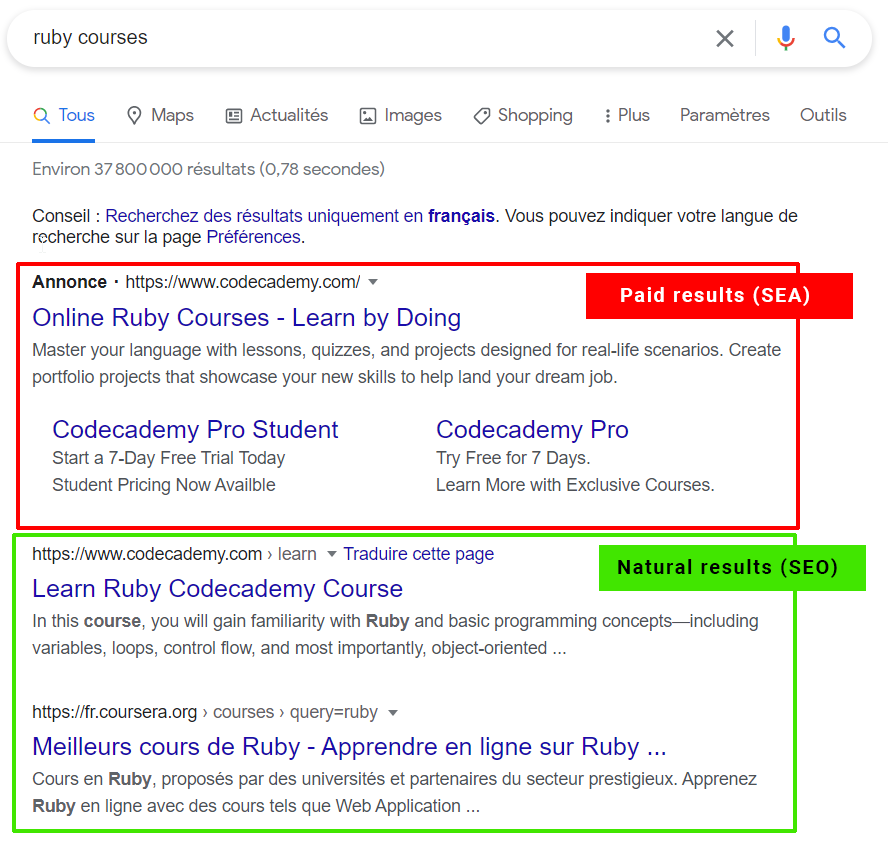
What types of educational guides and blog posts can you include on your website to showcase your services and products that can be helpful to searchers. They may come to your website to read your informative information and then realize that you also offer services related to the information they were looking for, and they may consider making a purchase.
5. Quality Backlinks
Along with relevant content, search engines also use your website’s reputation as a way to determine your website’s rank. How strong your site’s reputation is can be based on the number of quality backlinks it has returned to it. Backlinks are links to your website from an external site. Backlink quality is essentially based on how good the SEO of the site that links to you is. Getting backlinks can come from being mentioned in articles online.
6. Speed Up Your Website
One of the technical aspects of search engine optimization that affects rankings is page speed and structure. This is an area where you will definitely need outside help in the form of a web developer with expertise in SEO to get your site up and running faster.
7. Track Your Progress
It is important to be able to measure your progress in order to manage the ups and downs of your website in a positive way. Once you’ve gone ahead and implemented some of these other SEO changes, you can take a deeper look at whether you’ve made a difference by tracking the number of visitors to your website. Keep in mind that search engines can take days or even weeks to re-rate your website. Keep tracking your target keywords to make sure they still make sense to use.
Implementing these seven tips can make your use of organic SEO more effective in setting your website apart from the competition and increasing the number of viewers who can connect with your products, services and content.
How do I grow organic traffic to my website?
How to Increase Organic Traffic: 11 Best SEO Tips
- Optimize for your readers, not search engines. …
- Blog regularly. …
- Get involved in the blogosphere. …
- Use long keywords. …
- Drop your target. …
- Create quality content consistently. …
- Use internal links. …
- Encourage inbound links.
Why is my website not getting organic traffic? If you target the wrong keywords, you won’t rank favorably and you’ll be less visible to your audience. This in turn will lead to less organic traffic to your website. Other reasons why your keywords are not performing on your site are: You are too keyword focused.
Why is organic SEO so important?
With relevant and quality content, organic SEO will generate more clicks. As users read useful content that solves their problems or answers their questions, greater trust is built among users. When you match keywords with user intent, it means that the longer the user searches, the more consistently they’ll find you.
Why is organic search better? According to Google’s Economic Impact Report, organic search is 5 times more valuable than Google ads. Paid search is a good short-term marketing solution, but organic search creates long-term, compound ROI. Social media helps you build your brand, but organic search is what helps you target high-intent consumers.
Why is organic ranking important?
Organic traffic is the best source of traffic! Websites with high search engine rankings are significantly more likely to be discovered by potential customers. This means that the longer a visitor spends on your site, the more likely they are to convert into sales or leads.
Why is organic traffic better?
Better ROI The return on investment (ROI) can be much better for organic versus paid traffic. When you pay for traffic, you have to invest time and money in creating ads. If you have an organic search result that gets the same number of clicks as your ad, the organic result will have a better ROI.
Why is organic search so important?
Why is organic traffic important? Organic traffic is important because it is targeted. Users who visit your website from organic search engine results have a very specific intent and if you can provide them with a solution or answer to their question, they are more likely to convert.
What does organic rank mean?
For a given keyword, organic ranking refers to where the product appears on Amazon’s search engine results pages (SERPs). Meanwhile, Amazon Best Sellers Rank is useful for estimating the monthly sales frequency of a product. Any relevant keyword you may enter must return a set of results based on a set of criteria.
What is organic strategy SEO?
Organic SEO is the practice of using white SEO strategies to increase your website traffic and improve your site’s presence in unpaid search engine results. The word organic is used to distinguish between natural methods of search engine optimization and paid tactics for ranking in the SERPs.
What is organic search strategy?
Organic SEO, also called organic search engine optimization, is the process of improving your ranking in the unpaid (or organic) search results of search engines such as Google, Bing, or DuckDuckGo. Organic SEO tactics include keyword research, link building, content creation, and more.
What is organic traffic and why is it important?
Organic traffic is traffic that comes to your website from unpaid sources/searches such as Bing, Google and Yahoo. It plays a big role in the success of the business. Therefore, its importance cannot be ignored. Research shows that it represents over 60% of the total traffic on the website.
What is meant by organic traffic?
Organic traffic is those visitors who come to your website from unpaid sources, i.e. essentially free traffic. Organic sources here include search engines like Google, Yahoo or Bing. A brand of digital marketing that focuses on improving organic traffic is called Search Engine Optimization.
How does organic traffic work?
Organic traffic, simply put, is traffic that comes from Google and the search engine results pages (SERPs) of other search engines. Think of it this way; search for a given topic, for example “bike repair shops†and see a list of results. Click on one of those results to visit the brand’s website.
Why is it called organic traffic?
First, the term traffic refers to all visits that a user makes to a website or mobile application. And more precisely, the term âorganicâ (or ânatural) traffic refers to the number of visitors that come from search engine results (as opposed to a paid source of traffic).
Which keywords are best to target in SEO?
Long tail keywords are long (typically 4+ words) terms that searchers use on Google and other search engines. And they tend to have less difficulty with keywords compared to 1-3 word “head phrases”. So for people new to SEO, long tails are usually the best keywords to start with.
Which keywords bring in the most traffic? To determine which SEO keywords to use, you’ll need to strike a balance between search volume and keyword weight. To improve your chances of ranking high and increasing your website traffic, go for high volume/low keyword weight (competition).
What are SEO friendly keywords?
Your SEO keywords are the keywords and phrases in your web content that allow people to find your site through search engines. A website that is well optimized for search engines âspeaks the same languageâ as your potential visitor base with SEO keywords that help connect searchers to your website.
What are examples of SEO keywords?
For example, let’s say you want to make a page about “keto lunch”. Well, if your site is new, the keyword âketo lunchâ is probably too competitive. But when you type keto lunch into Google, you get a list of long-tail keyword suggestions. Pretty sweet.
What is keyword according to SEO?
Keywords are ideas and topics that define what your content is about. In SEO terms, these are words and phrases that searchers enter into search engines, also called “search queries”. If you boil down everything on your page – all images, videos, copy, etc.
What helps organic search?
By adding a page-specific keyword to the ALT tag on your website, you can improve your website’s organic search ranking.
What makes search results organic? Organic search results are listings on a search engine results page (SERP) that appear due to factors such as relevance to a search term and valid search engine optimization (SEO) efforts, not due to search engine marketing (SEM) or gimmicks.
How do you grow organic traffic?
Ranking for Net-New Keywords While ranking for net-new keywords is arguably the most effective driver of organic traffic, it also requires the most effort. There are several ways to find net new keywords: Identify the keywords’ weaknesses compared to competitors. Look for keywords related to the ones you’re already ranking for.
How can I get free organic traffic? Blog regularly. Blogging is perhaps the most effective way to increase your organic site traffic. It allows you to go deeper than your website allows and creates a large catalog of useful, persona-optimized content focused on your niche market.
How does organic traffic work?
Organic traffic, simply put, is traffic that comes from Google and the search engine results pages (SERPs) of other search engines. Think of it this way; search for a given topic, for example “bike repair shops†and see a list of results. Click on one of those results to visit the brand’s website.
How does organic search results work?
Unlike paid search results (pay-per-click advertising), which are populated through an auction system, organic search results are based on relevance to the user’s search query, links and domain authority, and other organic ranking factors.
How do you explain organic traffic?
Organic traffic is those visitors who come to your website from unpaid sources, i.e. essentially free traffic. Organic sources here include search engines like Google, Yahoo or Bing. A brand of digital marketing that focuses on improving organic traffic is called Search Engine Optimization.
Do you have to pay for organic traffic?
Organic traffic is any traffic that comes to your site from a search engine, but is not paid for. Any organic traffic will be a result of your inbound marketing and SEO efforts. Paid search traffic is any traffic that comes from a paid search campaign you’ve run on a search engine like Google or Bing.
What do you mean by organic traffic?
Organic traffic is those visitors who come to your website from unpaid sources, i.e. essentially free traffic. Organic sources here include search engines like Google, Yahoo or Bing. A brand of digital marketing that focuses on improving organic traffic is called Search Engine Optimization.
What is organic traffic and why is it important?
Organic traffic is traffic that comes to your website from unpaid sources/searches such as Bing, Google and Yahoo. It plays a big role in the success of the business. Therefore, its importance cannot be ignored. Research shows that it represents over 60% of the total traffic on the website.
What is defined as organic traffic in Google Analytics?
When you see organic search traffic in Google Analytics, it refers to traffic that came to your site through unpaid search results on search engines like Google, Yahoo, or Bing. You can find organic traffic in Google Analytics in the Acquisition section. Click All Traffic, then Channels.
What is organic and inorganic traffic?
Organic results provide long-term results, while inorganic results provide instant rankings, attracting huge traffic. The biggest negative factor for Inorganic results is that the ranking drops as soon as the decision is not made to stop serving ads.