Why brand awareness is the 5th pillar of SEO
Search Engine Optimization (SEO) is a marketing practice to increase organic website traffic through search engines.
It consists of techniques in four key areas: keywords and content, technical SEO, on-site SEO and off-site SEO.
These four areas are commonly considered the four pillars of SEO. Together, they help the website rank well in search engines.
While these four pillars are comprehensive, an SEO strategy is incomplete without brand awareness.
In this article, you will learn why SEO marketers should consider brand awareness as the fifth pillar of SEO.
The First Four Pillars Of SEO

Before looking at the fifth pillar, let’s take a look at the first four pillars of SEO:
Keyword And Content
Content rules – and keywords are the foundation of search.
A good piece of keyword-optimized content is a building block of an SEO strategy.
Technical SEO
Great content is not enough if website hosting does not have a good technical foundation.
Technical SEO covers areas such as indexability and website performance.
It ensures that the website loads its pages quickly and search engines can crawl the content easily.
In particular, Google developed a set of metrics called Core Web Vitals to measure the technical performance and usability of a website.
On-Site SEO
This pillar helps search engines understand the content of the page by creating a better structure of the website and its pages.
Site navigation hierarchy, schema markup, page titles, meta descriptions, title tags, and image alt text are tools for creating an easy-to-understand website and page structure for search engine crawlers and visitors.
Off-Site SEO
Great content and a great website is just the beginning.
A website cannot rank well in search engines if it lacks authority and trust in its subject domain.
From the very beginning, Google has used the quantity and quality of backlinks as an indicator for evaluating a website’s authority.
As far-reaching as these four areas are in creating a search-optimized website, they can only help drive a portion of your website’s search traffic, ie. the type of traffic that comes from non-branded searches.
Non-Branded Vs. Branded Searches

What are unbranded searches and how are they different from branded searches?
Branded Queries
Search terms contain brand names.
If you are Apple Inc., the search term “apple” is a trademark.
Yes, Google knows you’re looking for a company founded by Steve Jobs and Steve Wozniak, not a fetus. In addition, “iPhone”, “iPad” and “MacBook” are also trademarks.
Brand searches are done by people looking for information specifically about your brand or products.
Non-Branded Queries
On the other hand, non-branded queries do not contain any brand name in the search terms. Even for Apple Inc. “laptop”, “smartphone” and “tablet” are non-branded terms associated with its products.
Non-branded searches are from people who may not be familiar with your brand or products, but are looking for information about the type of products or solutions you offer.
When you consider this, you might think that for a brand as powerful as Apple, its search traffic mostly comes from brand searches. And for the most part, you’d be right.
Semrush says more than half of search traffic on Apple’s website comes from brand searches.
Why Is Branded Search Important?

Branded search traffic not only reflects the level of interest in a particular brand, but also has a greater commercial purpose and a higher conversion rate.
In general, unbranded search traffic feeds the top of the marketing funnel, and branded search traffic feeds the bottom of the funnel.
A brand needs to increase both types of traffic to maintain a healthy and growing business.
Image created by the author, August 2022
However, most companies do not have the level of brand recognition that Apple has.
What can marketers do to drive brand search traffic to their website?
Different Traffic Drivers For Non-Branded And Branded Searches

As shown in the formula below, search traffic is driven by two factors: keyword search volume and search engine results page (SERP) click-through rate (CTR).
A website with a high total keyword search volume and CTR will have high search traffic.
Search Traffic = Keyword Search Volume * CTR
Wait a minute! Where does keyword ranking come into the equation?
Keyword ranking is actually a key factor in determining CTR.
The higher your keywords rank, the higher your CTR.
According to the advanced online ranking, it can have the position of no. 1 on Google 38% CTR. CTR drops to around 5% at position no. 5 and remains around 1% or less after the no. 10.
Considering this, how do the four pillars of SEO contribute to a website’s search traffic?
They help a website increase search traffic in two ways:
However, the problem is that these SEO techniques only work for non-branded searches.
They have a limited effect on branded search because branded search and non-branded search have different traffic drivers.
Non-Branded Traffic Driver
In a non-branded search, a site can collect an almost unlimited amount of keywords and total search volume.
The main driver of unbranded search traffic is to improve your target keyword rankings to get a higher CTR and capture a higher share of search clicks.
Branded Traffic Driver
For brand name searches, assuming your site is already ranking first for your brand name (if not, you need to fix that first), ranking is generally not an issue.
As a brand owner, you always have priority in Google for branded keywords.
The main driver of branded search traffic is simply to increase search volume for branded keywords.
However, the first four pillars of SEO do little to get more people to search for your brand or your products.
As a result, they are ineffective in finding brands.
How To Grow Brand Awareness & Branded Search

In short, branded search traffic comes from brand recognition and interest.
People wouldn’t search for your brand if they didn’t know or care about your brand or what you offer.
To increase brand awareness and interest, you need to increase brand awareness among potential customers, develop authority, and gain brand trust.
Content marketing and growth in non-branded search traffic could help increase brand awareness.
However, relying only on people coming to your website to learn about your brand and offerings won’t get you very far.
To increase brand awareness on a large scale, marketers need to bring their brand closer to their potential customers. You can’t just wait for them to come to you.
Fortunately, there are many tools in the digital marketing arsenal to help marketers increase brand awareness, including advertising, influencer marketing, client marketing, and digital PR.
Advertising
At AdRoll, we classify advertising into two categories: retargeting and brand awareness campaigns.
As the name suggests, retargeting campaigns target people who have interacted with you (eg visited your website), while brand awareness campaigns target potential customers who have not yet interacted with you.
Marketers can choose from several targeting methods to get your brand in front of potential customers.
Contextual Targeting
Contextual targeting is one of the oldest methods of targeting advertising.
Think of a hotel chain that advertises in a travel magazine. A brand may publish advertisements on websites or mobile applications with content relevant to its products or services.
A big difference between contextual targeting and other targeting methods is that contextual targeting does not rely on personal or behavioral data about the target audience.
It’s a more privacy-friendly way for marketers to find and connect with their potential customers.
With regulators and tech companies looking for ways to improve consumer privacy protections, the importance of contextual targeting to advertisers is likely to increase.
Demographic And Interest Targeting
Demographic and interest targeting leverages your knowledge of existing customers to find new customers.
Let’s say your customers fall into a certain demographic segment or are interested in certain activities or topics. In this case, you can bring your brand closer to potential customers by showing ads that target people with similar demographics or interests.
Lookalike Targeting
Lookalike targeting is similar to demographic and interest targeting.
But instead of manually defining a target audience segment based on a list of demographic or interest attributes – advertising platforms use machine learning technologies to find target audiences that look or behave similarly to the initial audience provided by marketers.
The initial audience is usually a subset of existing customers.
Influencer Marketing
Influencer marketing covers a wide range of tactics to get someone who influences your target customers to promote your brand and products.
Even before the digital age, it was common for big brands to hire famous athletes or celebrities to endorse their products. Think Michael Jordan and Nike in the 80s.
Today, “influencers” are social media personalities who have built a following with a specific audience.
The sheer number of social media influencers also means that influencer marketing is no longer a privilege available only to those brands with deep pockets.
Marketers can recruit influencers at very little or no cost by reaching out to those who have shown interest or are already invested in the niche you serve, including your customers (more on this in the next section).
While a lot of influencer marketing is in the B2C sector, it also works for B2B.
Customer Marketing
When shopping on an e-commerce marketplace like Amazon, you can view product reviews before making a purchase decision.
The number and rating of a product’s reviews are also ranking factors when searching for products on Amazon.com.
The more people rate the product and the higher the rating, the more visibility and traffic the product gets.
The same logic applies even if Amazon might not be the channel for your business.
For B2B SaaS providers, they have customer reviews on G2, Trustpilot, etc. the same role.
For direct-to-consumer (D2C) brands, customer reviews and social sharing bring your brand and products to new customers and help build trust in your brand.
Take Halfbikes.com as an example.
This D2C company from Bulgaria has a team of brand ambassadors – their customers – around the world who promote their brand and product simply by sharing their experiences on social media.
Some of their customers have even created YouTube channels dedicated to Halfbikes.
Digital PR
Of all the strategies that promote brand awareness, digital PR is the one most directly related to SEO. In fact, it’s often considered “link building 2.0.”
The main difference between link building and digital PR is that link building focuses on getting links from other websites.
In contrast, digital PR focuses on bringing your brand closer to your target audience through stories published in relevant, high-quality publications.
Story types vary by industry and subject.
Change your Facebook name to Meta. In this context, for example, the topic of how consumers perceive the metaverse could be an interesting story for B2C marketers.
Since well-known publications tend to have very strict link policies, digital PR prioritizes brand awareness and reach, while getting links is a secondary goal.
Brand Awareness Is The Fifth Pillar Of SEO
One of the goals of a comprehensive marketing strategy should be to increase brand awareness – just as a comprehensive SEO strategy should aim to increase non-branded and branded searches.
While non-branded search traffic drives keyword rankings, branded search traffic mostly drives branded keyword search volume.
The more people are familiar with and interested in the brand, the more search traffic the brand receives.
Given the different factors behind the growth of branded and non-branded searches, SEO professionals must incorporate brand awareness as a pillar of SEO.
Featured image: batjacket/Shutterstock
What are the top 3 SEO strategies?
What are the top three SEO strategies?
- #1 Website Optimization. Let’s start with what you already have: your website. …
- #2 Post content regularly. SEO traffic also depends on the consistency in which you post your blogs. …
- #3 Link building. …
- Take the uncertainty out of content marketing with DemandJump.
How many types of SEO are there?
There are about 12 different types of SEO that help websites rank better on search engine results pages.
What are the 3 types of SEO? There are three main types of SEO: internal (on-page SEO) external (off-page SEO) technical SEO.
What are the 3 pillars of SEO?
Instead, SEO is supported by three different pillars: discoverability, relevance, and authority. Make sure your website follows these three SEO concepts for the future and you’ll have a content marketing strategy that will increase your position on the search engine results pages (SERPs).
What is the single most important on page SEO factors?
The most important on-page SEO factor for overall ranking potential: Domain Authority. Domain Authority or DA is a score ranging from 1 to 100.
What is undoubtedly the most important factor in SEO? 1. Publish high-quality content. “I don’t need quality content to rank on my site,” said no one. The quality of your website and blog content is still crucial.
What are the most the most important on page SEO elements?
In conclusion, the most important on-page SEO factors include well-written and original content, good title and description tags, formatting with proper use of title and sub-headings, use of images and their descriptions, and well-constructed URLs. that contain the most important keyword and are not too long.
What is off-page SEO beginner?
Off-page SEO is the process of optimizing your web pages outside of your website by getting links back to it, because the only thing you can do outside of your website is to link back to it. These backlinks act as a vote for your blog content.
How important is off-page SEO?
Off-page SEO helps build website visibility and domain authority. Without it, your site will constantly rank below other sites that already have a higher priority. While links aren’t the only off-page signals Google’s algorithm uses to rank a website, they’re perhaps the most important of all.
What is the importance of on page SEO?
On-page SEO helps search engines analyze your website and related content so that it can determine whether the searcher’s query is relevant to your website. Google is constantly updating its algorithm so that it can better understand a searcher’s intent and provide search results that meet that user’s needs.
Quels sont les 5 piliers du SEO ?
Il s’agit de la structure, les templates de pages, le contenu éditorial present sur les differentes pages, la notoriété ainsi que l’expérience utilisateur.
Quel est le SEO ?
Le SEO (Search Engine Optimization) is an acronym that means “Search Engine Optimization” in French. It’s an ensemble of techniques allowing to position a web site in search engines to make it visible to the Internet.
What is SEO and its types?
The term SEO, search engine optimization, refers to improving the visibility of your website in Google search results for relevant keywords or search phrases. SEO helps in generating traffic to the website naturally.
What do you mean by SEO? Search engine optimization is the science of improving a website to increase its visibility when people search for products or services. The more visible a website is in search engines, the more likely a brand is to win business.
Actual SEO Media, Inc. believes that websites are never “perfect”.
Search Engine Optimization is another way to increase the online visibility of your business.
Informative articles and interesting blogs are a way to provide visitors with a company’s expert opinion on a topic.
There are many points to ensure that a website has good SEO. Focusing on one thing only helps in the short term.
Search engines always rank websites that are always looking to improve themselves. Take the time to review any available pages to improve your rankings.
HOUSTON, TEXAS, UNITED STATES, August 25, 2022 /EINPresswire.com/ — As a leading digital marketing agency in Houston, Actual SEO Media, Inc. believes that web pages and web content are never “perfect.” At best, they have an example and follow the search engines as much as possible until there is a big improvement. In the world of pleasing search engines and ranking high on the results pages, the goal is to constantly improve and not stay stagnant.
Taken another way, pages that are several years old with a high ranking can still use improvement. Search engines like Google are constantly improving and improving their algorithms. This means that businesses cannot be left behind and must also stay on top of these innovations and changes to maintain their competitiveness.
Not all pages will end up on the first page of the relevant search engines. Sometimes, keywords end up stuck on the third or fourth page for a while. However, there is no need to lose hope because there is always a way to improve the search engine optimization page to bring its rankings.
Search engine optimization (SEO) is the process of improving the position of a website or page in search engine results pages (SERPs). It is best to use SEO tips while adding additional pages to the website to ensure that everything follows search engine guidelines. However, it’s also a good idea to review any pages that aren’t performing as expected.
Regularly reviewing old pages on a website is a good way to make sure there aren’t too many pages that aren’t performing as well as they could. Actually SEO Media, Inc. It has a few tips that can help pages that aren’t ranking as high as expected.
One of the best ways to analyze any pages on a website is to use a tool. A business or a reliable digital agent can use tools, such as Semrush, to check the position of existing pages and see if there are competing pages in other positions.
If there are pages that are competing with each other in the search results, the question becomes “is it all necessary?” If there are no competing pages, then it’s time to look and see the page from the user’s point of view. Search engines like Google prioritize user information in most of their search results. If the page doesn’t load as it should, it could be a user experience issue.
2. Edit Content to Increase Ranking
First, look at the content of the page. Does the page clearly explain the idea without confusing the reader? Is the article or page content written together as it may be without grammatical errors or distorted information? Can it be used to increase or decrease? Is everything properly organized according to the latest SEO standards? Are all the tags in place for search engines to display correctly?
If the content is as solid and well-edited as it could be, the issue is probably on the homepage. Other important factors include links, page speed, and mobile friendliness. Although the change may not be noticeable at first, making sure these things are as they should be can convert a lot of traffic and reduce the number of users who ignore or leave the page.
First, start by checking the website speed. Look, nobody has the time or patience to wait for a page to load slowly. While the user is waiting, they may already be on another page or website. Search engines like Google take site and server speed into account when they rank pages and lower the pages’ ranking if the speed does not match their criteria.
Another thing that search engines consider is a website or page’s mobile-friendliness. Most users look at the Internet from tablets or smartphones, making it an important thing to ensure that it is in working order. Google has specific guidelines and will deliberately lower the layout of pages that are not optimized for mobile.
4. Build a Good Internal Link Network
Finally, it is also a good practice to build internal links from related pages on the site. For example, if a page discusses the benefits of pet ownership, a relevant link may be to the company’s pet page or vice versa. Link to pages on the menu bar, or dig up old articles and link to them to keep them relevant.
Speaking of links, it’s also a good idea to look for interesting links when a company is reviewing old pages. Just like pages that aren’t loading properly, dead links are annoying to users. Cleaning up any broken or dead links on a site can increase the number of pages linking to those missing pages.
SEO standards are constantly improving. That is why businesses must also constantly adapt to those changes to ensure that their websites are at their best. A static website will always be inferior to one that is constantly trying to improve itself. While adding new content is great, reviewing old pages can improve the website all-round.
As a leading Houston SEO company, Real SEO Media, Inc. empowers its customers to increase its online presence. By using the power of search engine optimization, the company helps businesses increase their online visibility and establish a strong presence on the Internet. With the tools available, this company helps optimize its clients’ website by ensuring that all its old and new content follows search engine guidelines and best practices. For more information, contact the office at (832) 834 – 0661 or by email at [email protected].
Jamin Mootz
History of SEO Media, Inc.
+1 832-834-0661 email us here
Organic SEO in a nutshell: 7 useful tips
Search engine optimization is often referred to as SEO and is the technical term for positioning your website so that search engines can find it. Search like Google and understand your content to prioritize relevant online results. Cross search results as appropriate. Putting in the effort to make sure you rank high for relevant searches will make it more likely that people will see your site when they search, which translates into more visits on the website, more user-friendly, and the opportunity for more sales.
Search engine optimization (organic SEO) refers to the tactics used to get higher positions or rankings on the search engine results page. algorithm-driven, unpaid search engine results. Keywords are a key decision to improve your ranking. Don’t just look at keywords as single words, but as words and phrases that someone might type into a search engine when they’re looking for something. to offer.
Get the right balance between the general terms people search for a business like yours and the specific times you have the chance to rank higher. The following seven useful tips will help you make the most of organic SEO for promoting your business or expertise.
1. Appropriate Keywords
Choose which keywords you want your website to rank high for. Use keywords that are relevant to your business and more people will actually search for your business. It’s useful to type the terms into Google and analyze what search results pop up for your search. Also, try free online tools like Google Keyword Planner and Ubersuggest to gather information about how many people are searching for a specific keyword to gauge how competitive it is. Make a list of keywords you want to target and prioritize.
2. Web Page Titles and Descriptions
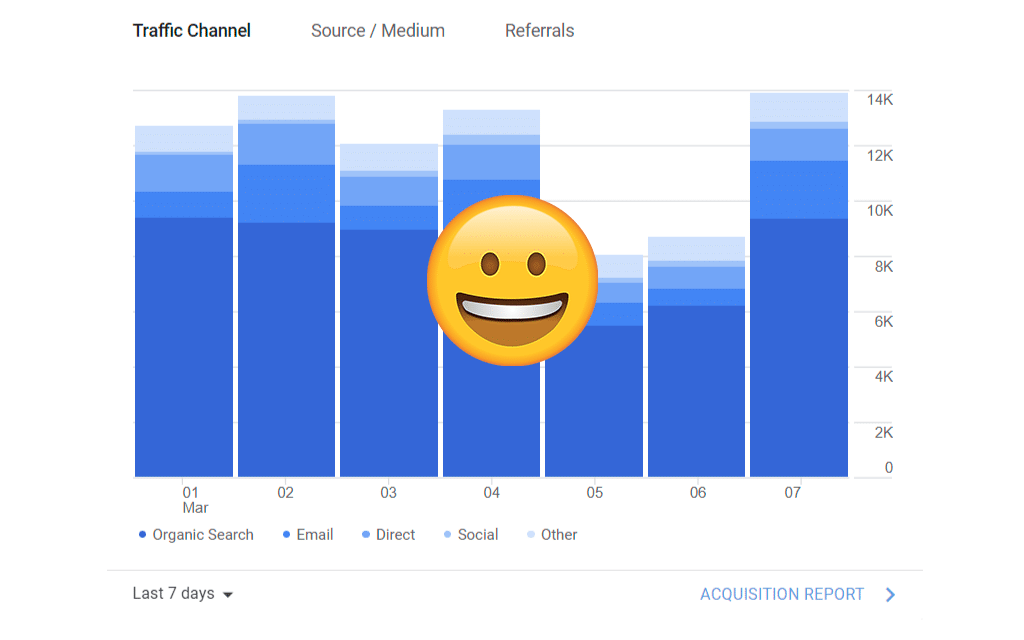
After you know which keywords you are going to target, you need to integrate these keywords and phrases into the structure of your website. Make sure you make edits in your website editor or have the person who handles your website make sure that the titles and descriptions for each page on your website include keywords. topic and also describe what can be found on the web page. You need to ensure that these instructions will be appropriate and reflect the content on the page. Search engines are smart enough to tell if you’re just stuffing all the keywords and not providing any real value to your readers. .
3. Descriptive Filenames
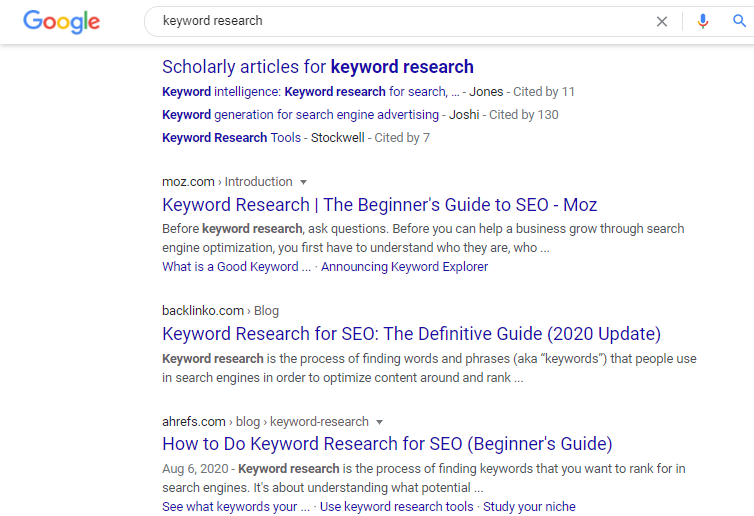
Text isn’t the only thing search engines look at when they crawl your website. They also pay attention to your photos and file names for your photos and videos that describe what is represented in them as well as keywords.
4. Relevant Content
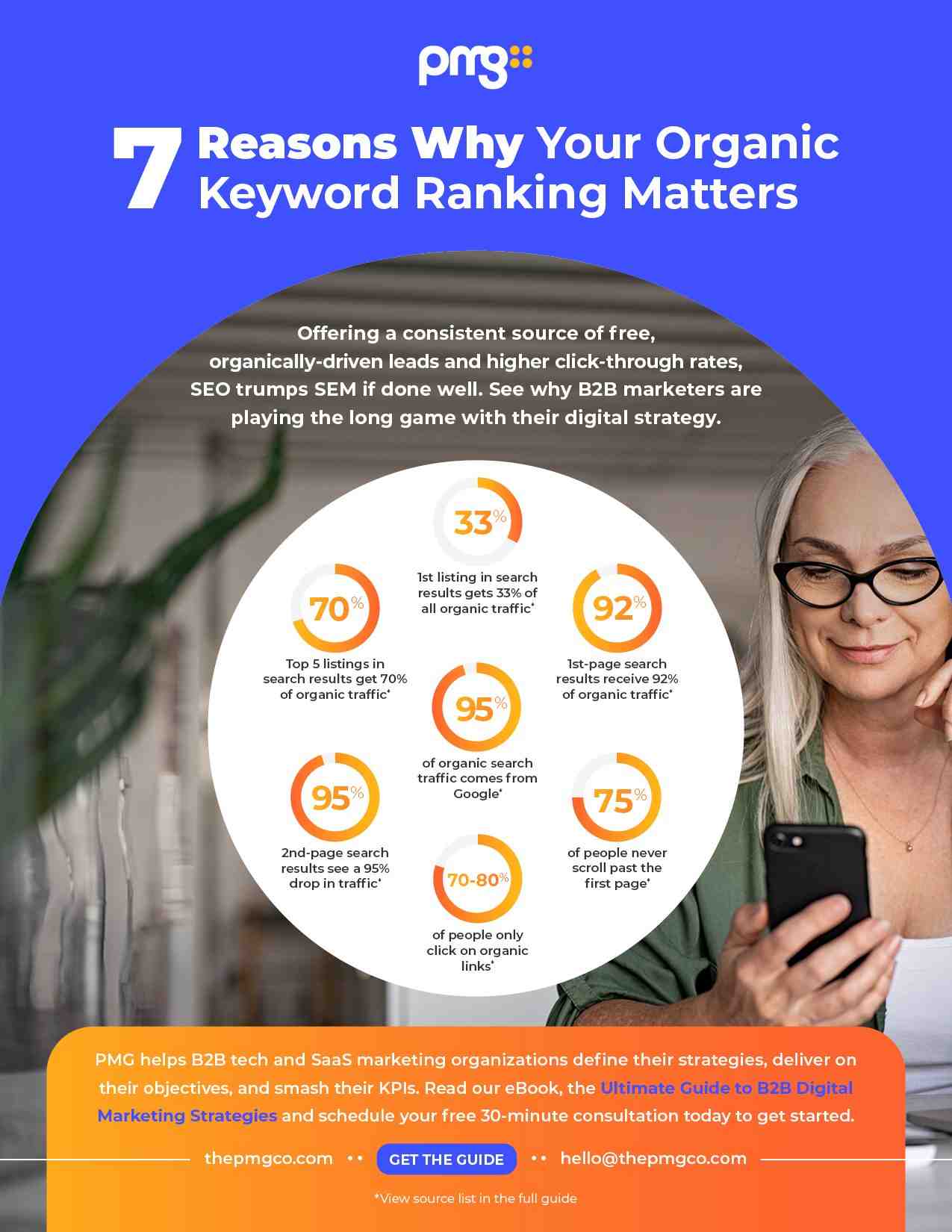
What kinds of educational guides and blog posts can you put on your website to place your services and products that can help searchers. They may arrive at your website to read your information and then realize that you also offer services related to that information they are looking for, and they may consider making a purchase.
5. Quality Backlinks
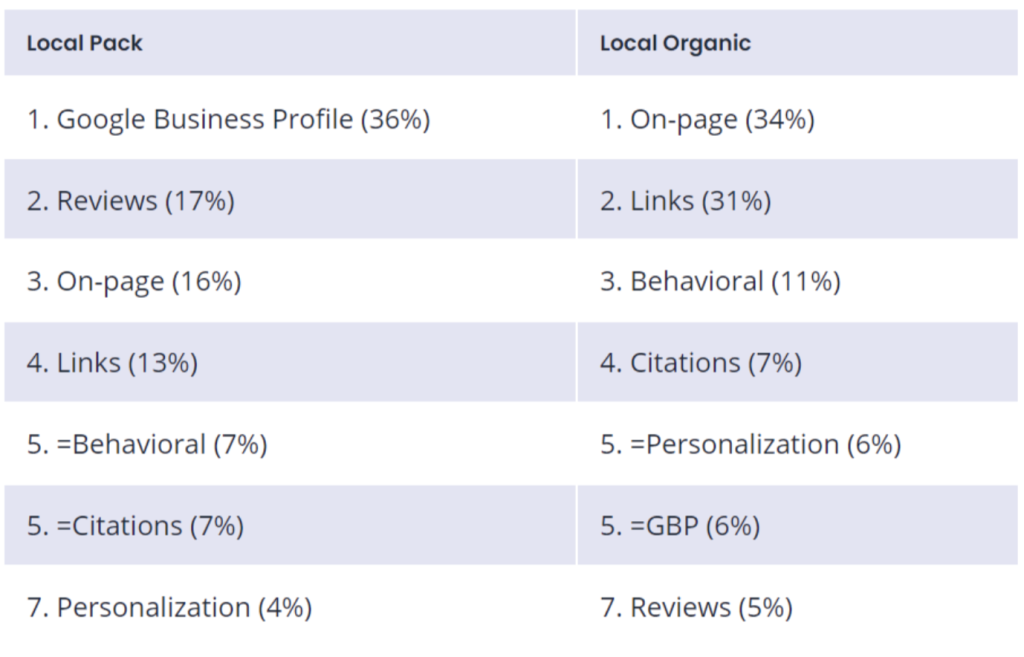
Along with having relevant content, search engines also use your website’s name as a way to determine how to rank your website. The strength of your website’s reputation can be based on the number of good backlinks that are linked back to it. Backlinks are links to your website from an external site. The quality of the backlink is based on the quality of SEO on the website that is linking to you. Getting backlinks can come from being mentioned in articles online.
6. Speed Up Your Website
One of the special features of search engine analysis is that it affects the speed of the site and the structure. This is where you will definitely want an outside web development help with SEO expertise to get your site up and running quickly.
7. Track Your Progress
It is very important to be able to measure your progress in order to manage the ups and downs of your website in a good way. After you go ahead and implement some of these SEO changes, you can analyze in depth whether you made a difference by monitoring the number of visitors that arrived at your website. Be aware that it can take days and weeks for search engines to review your website. Keep monitoring your keywords to make sure they are still relevant to use.
Following these seven tips can make your use of organic SEO more effective in separating your website from your competitors and increasing the number of viewers who can connect to your products, services, and thing.
How do you grow organic traffic?
Ranking for Net-New Keywords While ranking for new websites is definitely the best traffic driver, it also requires a lot of effort. You can find web-new keywords in several ways: Identify keyword gaps and competitors. Look for keywords related to the content you’ve already ranked.
How long does it take to generate traffic? All things considered, it usually takes 4-6 months to see traffic from SEO. That time is measured from the start of your campaign. Sometimes entrepreneurs get confused because they don’t really understand how a simple process can take so long to produce results.
How do I increase traffic on my organic blog?
How to Use a Blog to Increase Traffic
- Know your audience.
- Identify key words.
- Optimize your post around your keywords.
- Create new, better things.
- Increase your quality and credibility in relationships.
- Post regularly.
Is organic traffic possible?
Any organic traffic will be the result of your inbound marketing and SEO efforts. Paid search traffic is any traffic that comes from a paid search ad that you run on a search engine like Google or is Bing. Any traffic that comes from a social media website, such as LinkedIn, Twitter, Facebook, or Instagram.
What percentage of traffic is organic?
Released as part of its annual Marketing Conference, BrightEdge Research found that Organic and Paid Search are dominating web traffic in 2019 – 68% of all traffic in on the website is derived from traffic and Paid Search, more than all other methods, including Display and Social. Advertising.
Why is organic traffic so low?
A sudden drop in traffic can be caused by many things, including a drop in rankings, changes made to your website, changes to your content, or Google updates. There are also situations where one cannot really influence.
Why did my organic traffic increase?
This type of traffic increase can be caused by an increase in search for the product type with page 1 views for the brand. unmarked. For example, if you sell masks and do not mark page 1 views, you may have experienced an increase in traffic in the months of March and July 2020.
Why does organic traffic increase?
Organic traffic is targeted – meaning users who click on your site with a specific intent and have a higher conversion rate a conversion than a random visitor from a paid search. Organic traffic can also increase your credibility since users trust websites more organically.
What affects organic traffic?
How do I get free shipping? Organic traffic is generated by your ranking on search results pages. The higher your website ranks for search terms related to your company, the more traffic you will see.
Why is my organic traffic decreasing?
A sudden drop in traffic can be caused by many things, including a drop in rankings, changes made to your website, changes to your content, or Google updates. There are also situations where one cannot really influence.
What is the type of SEO?
The three types of SEO are: On-page SEO – Everything on your web page – Blogs, product copy, copy copy. Off-page SEO – Anything that happens outside of your website that helps your SEO Strategy- Backlinks. Special SEO – Any special thing that is implemented to improve the Search Engine – index to help the crawling bot.
How many types of SEO are there? There are about 12 different types of SEO that help websites rank well on search engine results pages.
What are the 3 parts of SEO?
Three Main Areas of Research Analysis
- SEO specifically.
- On-page SEO (Name SEO / Target SEO)
- Off-page SEO (SEO Promotion / SEO Manager / Back or Internal Links)
What are the 3 C’s of SEO?
In simple terms, the basics of SEO can be boiled down to the 3 Cs: content, code and credibility.
What are the 3 main components of SEO?
The three main areas of SEO are: Technical SEO. On-page SEO (or Content SEO) Off-page SEO (or Links)
What type of marketing is SEO?
Search Engine Optimization (SEO) To accomplish this, SEO marketers analyze the words and phrases that customers use to search for online information, and use those terms in their own content.
Which page is the type of SEO?
The three types of SEO are: On-page SEO – Any content on your web page Blogs, product copy, web copy. Off-page SEO – Anything that happens off your website helps your SEO Strategy- Backlinks. Technical SEO – anything special done to improve Search Engine Optimization – site indexing to help bots crawl.
What is Page as in SEO?
Online SEO (especially on-page SEO) is the practice of the best elements on the web (other than links to other things on the Internet and other external indicators collectively known as “off-site SEO”) to rank higher. and get more relevant traffic from search engines.
Which page element is mostly used for SEO?
10 Important On Page SEO Elements E-A-T (Expertise-Authority-Trust) URL (Uniform Resource Locator) Title Tag. Meta information.
What are 3 main areas of SEO?
We’ve covered three main areas of SEO: Technical SEO, Informational/Targeted SEO, and Promotional/Management SEO.
What is organic SEO?
Organic SEO, also known as search engine optimization, is the process of improving your ranking in the unpaid (or organic) search results of search engines such as Google, Bing, or DuckDuckGo. Organic SEO tactics include keyword research, link building, content creation, and more.
Why is SEO called organic? The term “seo organic” or “organic search engine optimization” refers to the organic methods and strategies used to achieve high search rankings in search engines. such as Google, Bing, and Yahoo. The word organic is used to describe the difference between the non-paid methods of SEO and PPC, the paid methods of SEO.
How do I make organic SEO?
Steps For Search Engine Optimization Organic
- Understand what customers want and why they come to you.
- Perform extensive and thorough keyword research.
- Knowledge of local keyword research.
- Research competition.
- Work keywords into your web copy.
- Refresh your HTML.
- Build your links.
- Start the blog.
What is organic SEO?
Organic SEO is the practice of using white hat SEO strategies to increase your traffic on the website and improve the presence of your website in the search results without paying. The term organic is used to distinguish between traditional search engine optimization methods and paid methods for ranking in SERPs.
How is organic SEO done?
Organic SEO can be achieved by: Optimizing the Website with the right content. Posting links to content. Include metatags and other types of tags.
Why is organic SEO so important?
With proper and effective content, organic SEO will get you more clicks. As users read useful articles to solve their problems or answer their questions, it builds more trust in users. When you match keywords to people’s expectations, it means that the user will find you better the longer they search.
What is organic traffic and why is it important?
Organic traffic is the traffic that comes to your website from unpaid sources/search engines such as Bing, Google, and Yahoo. It has a lot to do with the success of the business. Therefore, its importance cannot be neglected. Research shows that more than 60% of all traffic is on the web.
Why is organic search better?
According to Google’s Economic Impact Report, organic search is 5X more valuable than Google Ads. Paid search is a good short-term investment, but traditional search offers long-term ROI. Social media helps you build your brand, but social media is what helps you target. to high end customers.
Why is organic ranking important?
Natural Car is the Best Car Source! Websites with high search engine rankings are more likely to be found by customers. This means that the longer a visitor spends on your site, the higher their chances of converting into sales or leads.
What is the difference between organic SEO and local SEO?
Based on this information, we can establish the important difference between Local and Organic SEO: Local SEO is about optimizing sites, while organic SEO is about optimizing for things. Both are concerned with optimizing your website and website for search engines.
What is meant by local SEO?
Local SEO is a search engine optimization (SEO) strategy that helps your business appear higher in Google search results. Any business that has a specific location or service in a geographic area can benefit from local SEO.
What is an organic SEO?
Search engine optimization (organic SEO) refers to the techniques used to achieve a high ranking (or ranking) on the search engine page. Search results in free, sample algorithm on search engine.
What is the difference between local SEO and SEO?
While traditional SEO focuses on improving your website on a national or global scale, local SEO allows you to This is a local search territory that connects with searchers in your area. SEO and local SEO use many of the same strategies.
How do I know if SEO is working?
To know if your SEO is working there are a few SEO performance examples that you should check.
- Notice. …
- Transactions from Physical Research. …
- Number of Classification Pages. …
- Number of Backlinks. …
- Bookmarks from other websites. …
- Domain & Page Manager. …
- Brand Name. …
- Conversion.
How long does SEO take to start working? SEO RESULTS TIME FRAME â In general, websites can see results in 4 to 6 months.â â SEO Mechanic. “Many SEO companies will tell you that it takes 4 to 6 months to start seeing results. This is usually true, but remember ⦠SEO increases results over time.â â Forbes.
Don’t Let SEO Platforms Dictate Your Search Strategy
Recognized leader in digital transformation, partner at Highbridge, founder of Martech Zone, speaker, author, podcaster & consultant.
Increasing overall business results can start with reviewing and deploying improved analytic tags on your company’s website.
Let’s say your data reveals excellent conversion rates from search engine traffic that are significantly higher than ads or social media. This is not to say that other channels should be ignored, just that the potential for increased sales exists if current landing pages can be optimized and new pages provided with markedly better content than the competition.
A critical tool used in an audit is a search engine optimization (SEO) platform. These platforms monitor paid and organic searches and keyword volumes and provide various tools that provide insights into opportunities to optimize pages. Pages can be optimized using a number of methods, including:
• Optimized infrastructure to improve page speed.
• Optimized titles to increase page indexing for relevant keyword searches.
• Optimized meta descriptions that would better entice search engine users to click through to search engine results pages.
• Optimized page content with improved wording, better captioning and use of formatting, videos and other images.
Of course, there are concerns whether the site will lose ranking or whether the errors and warnings that an SEO platform has uncovered should be prioritized. These concerns are not uncommon, but they are often unwarranted given the context of the overall strategy.
Search engine optimization is often seen by consultants to feed into a search engine’s algorithms, which can be in direct conflict with the desires of the search engine user. At their core, all search engines want to deliver better search engine results to users. As a result, it helps to focus on the user, not the machine.
Some errors and warnings affect users. An example is broken internal links where a user cannot find the information they tried to navigate to. However, many other errors and warnings do not affect users. here are some examples:
• You bookmark an advertising landing page so that it is not indexed in search engines. Google Search Console and many SEO platforms report this as an error when you did it on purpose. You purposely hide different ad offers so they don’t attract organic search traffic.
• You develop a handy landing page with a registration form and it comes with a warning because it has low text-HTML ratios. Adding text would eliminate the very purpose of the design, which is to provide only one way to register and convert.
Search engine marketing platforms provide amazing reports on just about every digital feature on your website. What SEO platforms don’t do, however, is provide visitors with useful information. Here’s an example we keep seeing: websites rank for an irrelevant keyword that generates a ton of traffic that bounces right away and never converts customers. Great for algorithms, prominent on all SEO platforms, but absolutely useless for your business.
In fact, it can even frustrate your visitors. There are some brands in the tech space that do what they can to dominate keyword rankings but don’t offer anything of value on their landing pages. Now I skip over these sites when I’m researching my industry.
Let’s revisit those concerns and rephrase the question to concerns that matter:
• Are current site rankings driving conversion rates from high-value visitors?
• Are errors and recommendations affecting ratings and subsequent purchase behavior?
An ideal first step in any SEO strategy is to ensure tags are properly managed across the entire site to accurately capture campaigns, events, and conversions. You should always work from conversion to search engine to identify the right audience, the right content, and compare the customer to legitimate competitors.
When you understand how your customers or potential customers are using search engines to find the products or services you offer, only then can you optimize your website and content to attract the appropriate search engine users. SEO platforms are essential to help you do this, but only after you are able to link purchase behavior to search engine behavior.
So how do you know what to ignore and what not to? If you are using Google Analytics:
1. Link your Google Ads account to your Google Analytics property.
2. Configure Search Console data in Google Analytics.
3. Make sure all campaigns such as email, app notifications or text messages are properly tagged with the UTM campaign code.
4. Review your default channel definitions in Google Analytics and modify them to ensure that all traffic is correctly classified by channel.
5. Use goals to measure how often users complete specific actions.
Google does not report on the activity of your connected accounts, so tracking organic search visits by keyword for conversion is next to impossible. However, you can use an SEO platform to identify which pages are ranking on your site and for which keywords. At that point, you can use analytics to identify these pages as entry points and start analyzing whether these visitors are engaged and converting.
You now have a much clearer view of how search engine users are finding, engaging and converting on your site. It’s time to work backwards to identify the keywords you can rank for better and the pages you should optimize or create to attract those visitors. This is when your SEO platform can help, but only after you are focused on the visitors that matter – not all search visitors.
The Forbes Agency Council is an invite-only community for executives in successful public relations, media strategy, creative and advertising agencies. do i qualify?
The short answer is that SEO is very effective – not just for generating traffic, but also leads and sales. Don’t worry. The long answer includes search and data, not just empty statements. Most SEOs get very stuck on specific search metrics like SERPs (search engine results page), rankings, and organic traffic.
What are the top three SEO strategies?
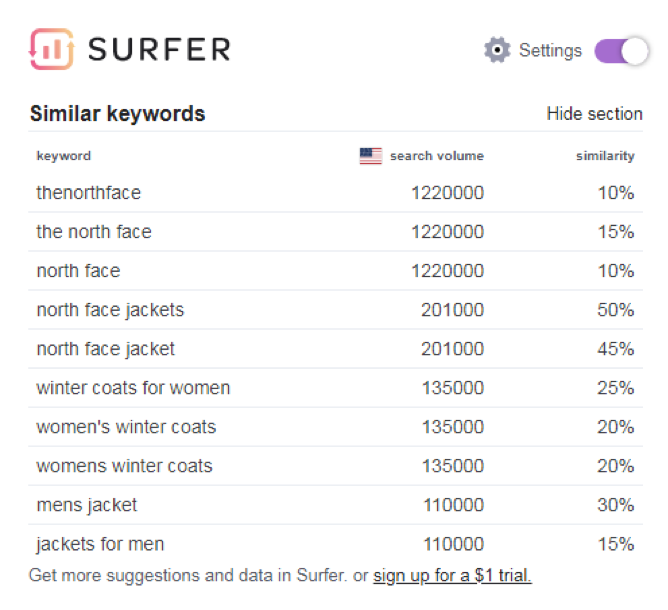
What are the top three SEO strategies?
- Website Optimization #1. Let’s start with what you already have: your website. …
- #2 Regular content publishing. SEO traffic is also influenced by how consistently you publish your blogs. …
- #3 Link Building. …
- Take the uncertainty out of content marketing with DemandJump.
What are the 3 Cs of SEO? Simply put, the fundamentals of SEO can be boiled down to the 3 Cs: content, code and credibility.
Why is SEO not dead?
SEO isn’t dead, it’s just changing. Sure, click-through rates are dropping and Google keeps tweaking its algorithm, but that’s to be expected. Google made this so you can easily target your ideal customer through SEO or paid ads. It used to be a lot harder before they came along.
Is SEO dead in 2022? SEO is not dead in 2022. SEO is still a very powerful digital marketing strategy. SEO will continue to change as Google updates its algorithm, but this is to be expected. If you’re thinking about SEO for your website, now is a good time to start.
Will SEO be obsolete?
As long as search engine results pages exist, SEO will never be obsolete. As long as the algorithm continues to crawl our sites, there will always be a need for SEO professionals. Organic search will always be a channel that can add immense value to any business.
Is SEO still relevant in 2022?
Will SEO still be relevant in 2022? Yes sure. While some SEO tactics that were effective in the past have stopped working, SEO has continued to evolve. Constantly reinventing itself to try to better match user intent, cutting back on spammy and ineffective tactics to become better.
Is SEO still relevant in 2021?
So is SEO still a good investment in 2021 and beyond?! Short answer: YES! SEO is more important than ever! It is still one of the most potent digital marketing strategies that generates long-term results.
Does SEO have a future?
SEO is now considered a long-term investment for businesses, with results showing up gradually over time. SEO is considered almost dead by many web administrators and business owners due to recent search engine algorithms. They believe that SEO is no longer effective and will never produce fruitful results.
Is SEO still relevant in 2021?
So is SEO still a good investment in 2021 and beyond?! Short answer: YES! SEO is more important than ever! It is still one of the most potent digital marketing strategies that generates long-term results.
Will SEO exist in 5 years?
SEO will not be eliminated in the next five years because social media and search engines are likely to merge. Facebook has already started doing this: they average over 1.5 billion searches every day. Twitter did the same; they teamed up in partnership with Google.
Does SEO Still Work 2021?
Make no mistake: SEO is not dying, but it is evolving much more than it was years ago. If you’re debating whether or not to invest in SEO for your business, read on to learn why SEO isn’t dying – but actually thriving – in 2021.
Is SEO still relevant in 2022?
Will SEO still be relevant in 2022? Yes sure. While some SEO tactics that were effective in the past have stopped working, SEO has continued to evolve. Constantly reinventing itself to try to better match user intent, cutting back on spammy and ineffective tactics to become better.
What is the next big thing in SEO?

In addition to all the technical aspects of SEO, understanding user behavior and search intent will also be the next big thing in SEO. A brand must understand what consumers are looking for and provide the exact solution.
What are the new SEO trends for 2022? In 2022, Core Web Vitals tops the list because not only was it a ranking factor, but it continues to get stronger each year. Core Web Vitals are a set of ranking factors that Google uses to see a user’s overall experience on a specific website.
Is SEO still relevant in 2022?
Will SEO still be relevant in 2022? Yes sure. While some SEO tactics that were effective in the past have stopped working, SEO has continued to evolve. Constantly reinventing itself to try to better match user intent, cutting back on spammy and ineffective tactics to become better.
Will SEO be obsolete?
Make no mistake: SEO is not dying, but it is evolving much more than it was years ago. If you’re debating whether or not to invest in SEO for your business, read on to learn why SEO isn’t dying – but actually thriving – in 2021.
How SEO will change in 2022?
By 2022, expect SEO rankings to be more competitive with providing high quality content that is useful to internet users. Content that just tries to fish out its audience by linking to unnecessary sources will not be as effective as it is today.
Is SEO worth it in 2022?
Yes, SEO is worth it – in 2022, in the future, in the past and always. As long as websites and search engines exist, SEO is necessary. SEO 10 years from now will likely be very different from SEO today, but you will always have to make sure your website is sending search engines the right signals so you can be found.
What’s next for SEO?
The future of SEO in 2022 also includes creating evergreen content. Content is a critical component if you want to succeed with SEO in 2022. If you don’t create content, you will have nothing to rank in search results. If you want your content to rank in search results, you need to optimize it for search engines.
What is the future of SEO in 2022?
By 2022, expect SEO rankings to be more competitive with providing high quality content that is useful to internet users. Content that just tries to fish out its audience by linking to unnecessary sources will not be as effective as it is today.
What are the two techniques of SEO?
SEO techniques fall into two broad categories: White Hat SEO – Techniques that search engines recommend as part of good design. Black Hat SEO – Techniques that search engines do not approve of and try to minimize the effect. These techniques are also known as spamdexing.
What are the strategic goals of SEO?
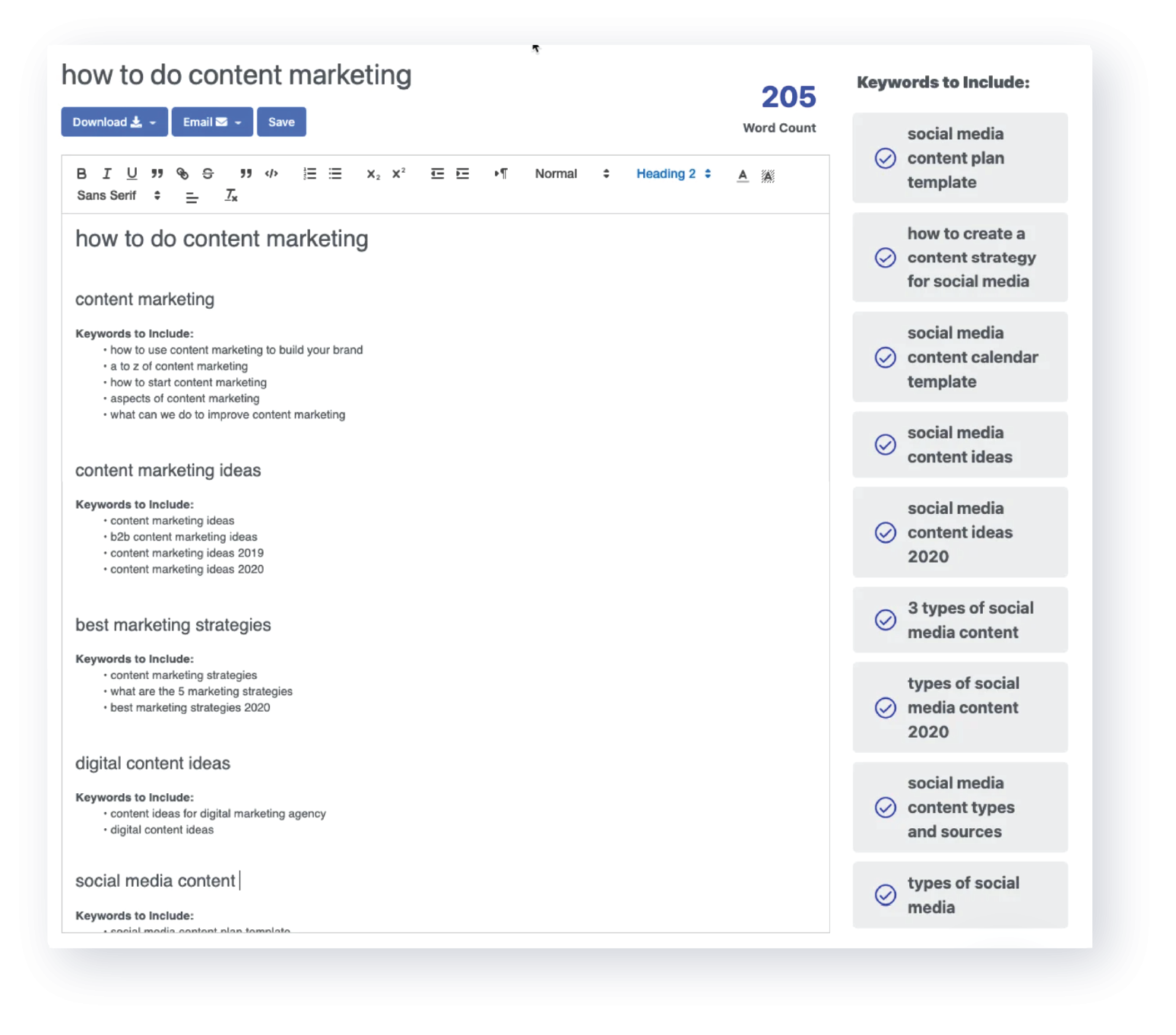
What is the purpose of SEO? The basic purpose of SEO is to increase your presence in relevant online search results so you can get more leads, sales and revenue. In other words, the ultimate goal of SEO is to grow your business online.
Local search engine optimization through online advantages is a key focus for 2022
To Help Business Owners Understand The Value Of Local SEO, Online Profits Recently Posted An In-Depth Guide On This Important Topic
, /PRNewswire/ – Matt Maglodi, founder of full service internet marketing company Online Profits, is pleased to announce that local search engine optimization is a major focus for his company in 2022.
To read more about the importance of local search engine optimization, please see https://onlineadvantages.net/local-search-engine-optimization-by-online-advantages/.
As Maglodi noted, in addition to making local search engine optimization a key focus of Online Profits 2022, he also feels strongly about the importance of educating both current and potential customers on why SEO is important. for you.
This prompted him to create and publish a new guide, which is the latest in the SEO company’s educational academy series.
“For online benefits, we believe SEO concepts should not be complicated or confusing. That’s why we are working to provide you with the right guide to local SEO, breaking the jargon and terms so you can understand what “these things are. and why it’s important to your business,” the study guide notes, adding that the best place to start is learning organic and local SEO.
Although the organic SEO positions and evaluates the internet content of the company of everyone else in the niche using tags and keywords, these results can also pull data from the whole country or the whole world. . This means that a local business listing may end up not being seen by the right audience.
As mentioned in the guide, local search engine optimization is different, although it works on the same principles as organic SEO.
“Hidden content, site services, and a Google My Business listing that’s regularly updated and optimized for business SEO help potential customers looking for your products and services find you easily and efficiently.”
Additional topics in the new Online Profits guide include a basic overview of local SEO, how it can be used for promotion, presence and ROI, and the importance of coordinating SEO efforts. .
Online Profits is a full service internet marketing company. Founder Matt Maglodi specializes in all aspects of online marketing from video marketing, to pay per click advertising, organic search and social media. For more information, please visit https://onlineadvantages.net/.
What are the 4 stages of SEO?

Faces of our SEO campaigns
- Phase 1 – Infiltration, Site Assessment, Strategy Development.
- Phase 2 – Site Optimization.
- Stage 3 – Offsite Promotion, Quotation Submission & Clean up
- Stage 4 – Walking & Advanced SEO: Link Building, Tracking, Updating.
Why does SEO explain its face? SEO stands for search engine optimization. SEO is the process of taking steps to help a website or piece of content rank higher in Google. The main difference between SEO and paid advertising is that SEO involves ranking organically, which means you don’t have to pay to be in that position.
How many stages of SEO are there?
4 Stages of Launching an SEO Website When launching a website, there are four stages to consider, each with its own tasks and stages. In each of the following phases, the person responsible for SEO must work with other teams (design, development, UX, strategy and others): Strategy and planning.
What are the 4 main pillars for search KPIS?
The four pillars of SEO include technical SEO, content, site optimization, and offsite SEO.
What 4 pillars are important in SEO?
The main goal of the workshop if to understand the basics of SEO, focusing on the 4 main pillars of SEO: Connectivity, Management, Technology and UX, and also pick up more advanced tips for the future of SEO.
What are the 3 pillars of SEO?
Instead, SEO is supported by three different pillars: discovery, relevance, and power. Make sure your website keeps these three SEO concepts in mind, and you’ll have a marketing strategy that will increase your position in search engine results pages (SERPs).
What are the new SEO trends for 2022?

In 2022, Core Web Vitals topped the list because not only was it a matter of rank, it continues to become stronger every year. Web Relevance is a ranking factor that Google uses to see the overall user experience of a particular website.
Is SEO still relevant in 2022? Will SEO still be relevant in 2022? Yes of course. Although some of the SEO tactics that were effective in the past have stopped working, SEO has continued to evolve. Constantly reinventing itself to try and better address user intent, cutting out spammy, ineffective tactics to make it better.
What is the next big thing in SEO?
Apart from all the technical aspects related to SEO, understanding user behavior and search intent will also be the main thing in SEO. Brands must understand what customers are looking for and provide them with the right solution.
What’s next for SEO?
The future of SEO in 2022 also includes green content creation. Content is an important part if you want to succeed in SEO in 2022. If you don’t create content, you won’t have anything to rank in the search results. If you want your content to rank in search results, you need to optimize it for search engines.
Does SEO have a future?
SEO is now considered a long-term investment for businesses, and the results show gradually over time. SEO is considered almost dead by many webmasters and business owners because of recent search engine algorithms. They believe that SEO is no longer effective and will never yield fruitful results.
What is the future of SEO in 2022? By 2022, expect SEO rankings to become more competitive in providing high-quality and useful content to internet users. The only content that tries to fish their audience by linking to unnecessary search sources will not be as effective as it is today.
Is SEO a good career?
‘Yes. SEO is a good career choice as it is one of the most sought after jobs in Digital Marketing. There are several organizations in the world, hiring SEO professionals to produce better content and thus generate more business.
Is SEO a high paying job?
While ZipRecruiter sees annual salaries as high as $147,000 and as low as $15,000, most Digital Marketing SEO salaries now range from $43,000 (25th percentile) to $76,500 (75th percentile) with the highest earners (90th percentile) of makes $104,500 a year in the States
Is SEO job in demand?
SEO professionals are in high demand, as companies need search optimization to compete in most niches.
Is SEO a waste of money?
The short answer is that SEO works, and it can grow your business and give your company ROI. The truth is that it can also cost you a lot of money if done incorrectly.
Is SEO worth it in 2022?
Yes, SEO is relevant in 2022, in the future, in the past, and always. As long as websites and search engines exist, SEO is essential. SEO in 10 years will probably be very different than SEO today, but you should always make sure that your website is sending the right signals to search engines to find you.
Is SEO worth learning in 2022?
SEO is a promising career in 2022 because it offers you various opportunities. You can work from home, take on clients, and even start and grow your own website. In addition, the three most popular websites, Google.com, YouTube.com, and Amazon.com, are the main search engines.
Is SEO a good career for future?
“SEO is a great career choice for smart and creative marketers who embrace technology. People are now turning to the Internet more than ever, and are using search engines to find what they’re looking for. As this happens, algorithms change and SEO improves.
Is SEO a long-term career?
SEO Growth Strategy Is A Long-Term Investment But you should also think about a long-term SEO strategy. If you have actually implemented an SEO strategy of some kind, hopefully it was a good move for your marketing and reputation.
Are SEO jobs in demand?
SEO professionals are in high demand, as companies need search optimization to compete in most niches.
Is SEO a high paying job?
While ZipRecruiter sees annual salaries as high as $147,000 and as low as $15,000, most Digital Marketing SEO salaries now range from $43,000 (25th percentile) to $76,500 (75th percentile) with the highest earners (90th percentile) of makes $104,500 a year in the States
How SEO can benefit your business?

SEO has great benefits for a website and can lead to exponential growth in the long run. These types of SEO investments can build trust and credibility with your audience, making it an important part of your digital marketing strategy.
Why is SEO important for small businesses? SEO is important because it helps you establish yourself as an expert in your field and drives traffic to your website, while also helping you to promote your free business organically. If you are unsure about the importance of SEO, you are not alone. Only 36% of small businesses have an SEO strategy.
What is SEO and how does it impact your business?
How does SEO affect businesses? Search engine optimization affects businesses by improving your ranking in relevant search results. With a high enough ranking, such as on the first page, your company can use SEO to drive traffic to your site, which can lead to leads, sales, and revenue for your business.
What is SEO & Why is it important?
SEO stands for search engine optimizationâ the practice of increasing the quantity and quality of traffic to your website through organic search engine results. The ultimate goal of SEO for a business is to generate organic traffic—searchers clicking on your page in the search engine results page (SERP).
What is SEO in business?
Search engine optimization (SEO) is how you help customers find your site when they search on Google, Bing and Yahoo. By building your site correctly and optimizing for keywords, you will drive traffic to your site and generate more sales.
What is SEO and how does it work?
Well, SEO stands for ‘Search Engine Optimization’, which is the process of getting free traffic, organic, editorial, or organic search results from search engines. It aims to improve your website’s position in search results pages. Remember, the higher the website, the more people will see it.
How long does SEO take to Work 2022?

This is the quick answer to how long SEO will take to start working in 2022: At least 6 months. It’s time to start noticing good results from your SEO efforts (if you’ve done it right!). However, 6-12 months is the ideal time as you will see good results from your SEO strategies.
How long does it take to get started with SEO? TIME FOR SEO RESULTS â In general, websites can see results within 4 to 6 months. A lot of SEO companies will tell you that it takes 4 to 6 months to start seeing results. That is generally correct, but keep in mind ⦠SEO results grow over time.â â Forbes.
Read this article before Google flags it and takes it as clickbait
Soon! Read this now. Google says it’s cracking down on clickbait and we hope this article makes the cut (we’re pretty sure it will).
On Thursday, the tech giant announced it will begin prioritizing “content for people, for people” in an effort to get rid of clickbait articles that try to grab the attention of readers with a catchy headline but don’t always deliver the goods.
But this is different (we promise).
The so-called useful content update will allow Google’s search engine algorithm to remove content “created primarily to rank well in search engines rather than to help or inform people.” This means that the entire industry that has grown since the early 1990s around “search engine optimization” (SEO) may need to recalibrate a bit, including the media.
“We know that people don’t find content useful if it appears to be designed to attract clicks rather than inform readers,” said Danny Sullivan, Google’s public link for search, in a blog post announcing the ‘update. “Many of us have experienced the frustration of visiting a Web page that appears to have what we’re looking for, but doesn’t live up to our expectations.”
Sullivan gave the example of a Google user looking for information on a new movie, only to find “aggregate reviews from other sites” that add no value.
“This is not very useful if you expect to read something new,” he wrote. “With this update, you’ll see more results with unique and authentic information, so you’re more likely to read something you’ve never seen before.”
Sullivan added that, in tests, research related to online education, arts, entertainment, shopping and technology showed particularly promising improvements after the update.
Google’s move to remove low-quality clickbait content comes amid consistent headlines detailing the declining quality of the company’s search results.
Google’s search engine algorithm uses artificial intelligence (AI) and machine learning systems to find the most “relevant” and “useful” content for readers and has been regularly updated for over a decade. But critics argue that the major search engine pushes paid ads and links to other Google services instead of quality content, and that it is constantly being duped by search engine optimization companies that aggregate content designed to rank high in search engines. and raise customer status rather than educate readers.
For news sites, the matter is even more complex than simply having an article aggregate content from somewhere else, as Google considers various factors, including backlinks (links from sites outside your own) and cross-links (links between sites). and their relevance — when assigning “authority” to a store. And articles must provide the appropriate content related to the title, including relevant links, to actually inform the reader.
The test for news organizations will be whether they can still do this without activating the clickbait “banhammer”. But Google says news outlets should have nothing to fear as long as they produce original, quality content.
“Any content, not just useless content, on sites determined to have relatively large amounts of non-useful content in general is less likely to perform well in search, assuming there is other content elsewhere on the web that is best viewed,” the said. society.
Google also provided a number of questions for content creators to ask themselves to better understand and navigate the update. The key point was simple: focus on creating original content for real humans, not collecting clicks.
The new update will go into effect next week, but it could take up to two weeks to fully roll out, Google said, adding that more information will be posted on its updates page after launch. It will only affect the start of English-language searches, but on Friday, Google representatives said the company plans to roll out the update in other languages ”in the future.”
Google also said it will continue to refine the “series of updates” it started last year to show better reviews on its site.
Sign up for Fortune’s feature email list to not miss out on our top features, exclusive interviews and surveys.
How do I open Chrome flags on my laptop?

If you want to access the flags page, type chrome: // flags in the address bar and hit enter to open it. There is a search bar at the top, which you can use to search for flags using related terms (I’ll provide the keywords as well).
How do you use Chrome flags? How to access the Chrome Flags page:
- Open Chrome.
- Click on the address and delete any URLs that may be in it.
- Press Enter.
- You are here!
How do I turn on browser flags?
How do you go to flags?
To access the Flags menu, type chrome: // flags in the address bar and press Enter. Here you’ll see a long list of options, each of which has a drop-down menu that can be set to Default, Enabled, or Disabled. There are a lot of them, so the best way to find the one you want is to press Ctrl F and search for it.
How do I open Chrome flags on my computer?
If you’re using Chrome on a Chromebook, Windows PC, Mac, iOS, or Android device, open the Chrome browser. Then, enter chrome: // flags / in the top address bar to enable flags in Chrome. 2. You will now see a rather long list of all Chrome flags.
How do I turn on flags?
You can scroll through the “Available” list or search for a specific flag. When you find a flag to turn on, select the drop-down menu (it will usually say “Default”.) And choose “Enabled”. After enabling a flag, you will need to restart your browser to apply the change. You can enable multiple flags before rebooting.
Where are Google Chrome flags stored?
They are stored in the Browser block of the Local State plaintext file, which is located in the User Data directory.
Which is safer Google or Chrome?

Google Chrome: Google maintains the most comprehensive database of malicious websites and updates Chrome frequently. Vivaldi: Block ads on offensive sites by default, collect little user data, and protect users with Google Safe Browsing.
Which is better Google or Google Chrome? Those who are looking for information based on keywords or phrases will simply want to use the Google search bar, but those who are looking to have multiple tabs open or are looking for a particular website will want to choose Google Chrome.
Why you should not use Chrome?
The more tabs you have open, the slower your browsing will be. Chrome flips it over and dedicates the same amount of RAM to each tab. Your browsing is faster, but your computer’s performance suffers. Then there’s the plethora of security and website monitoring issues that Chrome subjects its users to.
Should I use Chrome or not?
Chrome keeps you safe and sound with its built-in malware and phishing protection. It has secure browsing technology and will show you a warning message before visiting a suspicious site. Chrome also updates automatically, so you always have the latest and most up-to-date version.
Why you should delete Google Chrome?
Google’s Chrome browser itself is a privacy nightmare, because all your activities within the browser can then be linked to your Google account. If Google controls your browser, your search engine, and has tracking scripts on the sites you visit, they have the power to track you from multiple angles.
Is Chrome safer than Google?
Although Chrome proves to be a secure web browser, its privacy record is questionable. Google actually collects an unsettling amount of data from its users, including location, search history, and site visits.
Which is safer Google or Chrome?
Google Chrome – Google maintains the most comprehensive database of malicious websites and updates Chrome frequently. Vivaldi â Blocks ads on offensive sites by default, collects little user data and protects users with Google Safe Browsing.
Is it OK to use chrome flags?

They have not passed the extensive tests required to make it in the main version of Chrome. Proceed with caution. The flags are not tested for security. If you are very security conscious, use a different browser or disable Flags to carry out your online banking or other sensitive activities.
Can I disable all Chrome flags? To enable or disable the flags, simply click / tap the drop-down menu and click / tap Enabled or Disabled. Finally, click / tap Restart to restart Chrome and apply the changes.
How do you get around school blocks?
Use a VPN to Encrypt Your Traffic VPNs, on the other hand, allow you to bypass school firewalls by encrypting your traffic. Proxies bypass restrictions by giving you the banned website via a whitelist, but a VPN protects you by not allowing the firewall to see your browsing in the first place.
How to bypass sites blocked on school WiFi? A VPN is the fastest way to unblock school Wifi or your school computer, allowing you to access blocked websites. In addition to encryption, the secure server assigns you an IP address. This new IP address masks your current IP address. Any service you log into will only see the IP address of the VPN server.
How do I access a blocked school?
How do you unblock school on Chrome?
Go to the Security tab, select Restricted Sites and click the Sites button. You will see the list of URLs for sites marked under Restricted Sites. Select the site and press the Remove button. Once done, restart Chrome and check if that site is unblocked.
Is it safe to enable Chrome flags?

Proceed with caution. The flags are not tested for security. If you are very security conscious, use a different browser or disable Flags to carry out your online banking or other sensitive activities.
Can I disable all Chrome flags? Access the Chrome Flags settings as indicated in the previous section. Find the experimental Chrome Flag you want to turn off. Select the drop-down menu and select Disabled. Alternatively, you can hit the button in the top right corner that says Reset All to disable all Chrome flags.
Is it unsafe to use Chrome?
Chrome is secure by default and protects you from dangerous and deceptive sites that could steal your passwords or infect your computer. Advanced technologies, such as site isolation, sandboxing, and predictive phishing protections, keep you and your data safe.
Does Chrome steal your information?
Just like with Gmail, Chrome collects your User ID and Device ID into too many categories. Unlike Safari, Edge, and Firefox, Chrome claims to link all collected data to devices and individuals. Safari collects but does not link browsing history, usage data and locations to users. Neither Firefox nor Edge link usage data.
Which is safer Google or Chrome?
Google Chrome – Google maintains the most comprehensive database of malicious websites and updates Chrome frequently. Vivaldi â Blocks ads on offensive sites by default, collects little user data and protects users with Google Safe Browsing.
5 Reasons SEO Will Change Your Startup
The opinions expressed by the co-founders of Entrepreneur are their own.
The fact that you are reading this online and not as a letter delivered to you proves why digital marketing is booming in today’s world. Nowadays, building a solid internet presence for your business is as important as just running your business. The availability of online information and content makes it difficult for companies, especially startups, to stay in the game. The beauty of internet marketing is the unpredictability and uncertainty of what is becoming a trend and what is not.
But if you’re like me and prefer a reliable plan that will ensure 90% of your content stays in-game then you’ve come to the right place. Reading this will teach you the details of the digital marketing wonder child, Internet Search Engine Optimization (SEO).
What is Search Engine Optimization?

Search Engine Optimization is the optimization of your website by creating content saturated with rich keywords that helps your website become more relevant, popular and easier to find for online users. Search engines rank the site on the basis of SEO, so that sites gain traffic and engagement from their pages.
SEO content is any content intelligently created to attract organic traffic, visibility, and audience engagement. To improve the ranking of content in search results, authors put a lot of effort into SEO content creation by researching keywords, organizing their content, and being consistent with blogs and articles creatively informative.
Types of SEO content

The age-old technique of building a solid digital presence and attracting customers is to write and publish blogs across the different domains of your business. Using a lot of SEO keywords and phrases is the reason why many companies choose blogging as digital marketing.
The list is exactly as it sounds! This is a list, even if it has a lot of SEO content. Indexes are gaining popularity because they are concise and don’t beat around the bush when explaining concepts. The letters clearly describe the problem and the solution.
Example: 7 reasons why SEO matters to every startup
The purpose of using articles for SEO content is similar to blogging – to create a solid digital presence. But articles are traditionally considered objective while blogs are subjective around the topic and filled with personal opinions. Articles are generally longer and more informative than blogs.
SEO content tutorials are the most organic ways to generate traffic to create a digital presence. The ease of explaining the content in these guides results in high audience engagement.
Videos are not a new concept for us in the 21st century. But optimized video bytes are a new concept. With the help of SEO, you can now optimize your video content to specifically answer specific questions by tagging that question with a video timestamp. This can often be seen in instructional videos on YouTube.
In SEO content, infographics are a blessing to the world. Everyone enjoys the content, but has minimal patience and concentration to sit down and read the entire blog about it. Infographics help you learn the concept at a glance. These visualizations can be easily shared and change trends quickly via social media.
Getting started can be overwhelming given the heavy workload, strategies and implementations that fall on one person. One of the essential factors for business is building a solid digital presence with the help of SEO. This optimization will have a big impact on our business.
Related: 3 Steps to Protect Your Site’s Search Ranking
5 Reasons Why SEO Content Matters for Every Startup

1. SEO improves the user experience
User Experience (UX) is an essential element of digital marketing. Your website’s UX can make or break your brand. It is necessary to improve UX for better engagement and maintaining customer trust. Creating SEO content improves your brand visibility and ranking in search results and user experience. SEO content optimization includes keyword research and image optimization.
Better user experience also means creating a simple, easy-to-navigate and user-friendly website that complies with section 508 of the Rehabilitation Act (electronics and information technologies should be accessible to people with disabilities). To ensure a good user experience, you want to make sure your content page loads quickly, your site works across devices, and you’re using the right keywords to create your SEO content.
2. SEO increases organic traffic
Optimizing your content with keywords and long phrases relevant to user searches increases the chances of your site being visible. It also helps to ensure a higher ranking in the search results on the website, thus increasing the organic traffic generated on your website.
In addition, an increase in organic traffic increases conversion rates, which ultimately leads to an increase in revenue. Traffic generation, conversion rates, and income are all related to how well your content performs on the search results page.
3. SEO helps to collect data on customer behavior
Startups are new bees that are trying to build a niche by entering the corporate world. The target group is unidentified at first and customer retention is slower. So, having a source to extract customer data and analyze customer behavior is essential for startups. SEO content can act as a key source. SEO tools help you identify the keywords or phrases used by your audience when searching for a specific topic. Startups can use this information to collect customer data, analyze customer behavior, and create SEO content to reach their target audience.
A good SEO strategy gives you a higher position on the search engine results page and increases the generated organic traffic. A website that appears higher in the search results for the audience is considered reliable and informative. The more viewers see your content, the more they will find it credible and trustworthy, which improves the value and image of your brand.
No wonder SEO can easily reposition your website. Using relevant keywords and long tail phrases works well in increasing the visibility of your website. However, to find the right keywords, conduct extensive research on the topic and user inquiries.
In addition to keywords, things like page optimization and speed will have a big impact on your ranking. So, in order to get a better and higher ranking, you should consider SEO as the Holy Bible of digital marketing.
Related: Can SEO Ruin Your Website Permanently?
From a business point of view, startups create something different and fresh. However, the startup’s exposure and market space are at risk due to competition, large international companies, and reputable small and large enterprises. To fight this competition and improve your visibility, using SEO tools and techniques will provide you with a scene to reach your target audience and stay ahead of your competition.
Why SEO is important for business?

This is the importance of SEO for your business: SEO gives you the ability to be an answer to your prospects’ questions. In addition to increasing your visibility and traffic, SEO contributes to your authoritative voice in your field. Authority then leads to brand trust, which ultimately leads to brand loyalty.
Is SEO important to any type of business? SEO is just as important to any business, no matter the industry or competition. Again, it’s because you can’t control the many factors that surround you, but you can control your SEO. And if you could directly affect your website traffic, ranking, and sales or potential sales, why not?
Why is SEO important for small businesses?
Search engine optimization is important because it helps you become an expert in your field and attracts traffic to your website as well as helps you organically promote your business for free. If you are unsure of the importance of SEO, you are not alone. Only 36% of small businesses actually have an SEO strategy.
Is SEO worth it for small businesses?
The short answer is that SEO is very effective – it not only gets traffic, but also leads and sales. Don’t worry. The long answer contains research and data, not just blank statements. Most SEOs are too preoccupied with search specific metrics like SERP (search engine result page), rankings, and organic traffic.
What are 5 reasons why businesses need SEO?
5 reasons why small businesses need SEO
- SEO keeps small businesses competitive. The business landscape is changing incredibly fast. …
- SEO builds brand credibility. …
- SEO brings organic traffic. …
- SEO improves the user experience. …
- SEO can make you a global competitor (if you want)
Why do small businesses need SEO?
If you run a small business trying to reach customers in your area, SEO is important because it allows them to find you first. 97% of people learn more about their local small business online than anywhere else (source: SEO Tribunal).
Why is SEO still important?
Optimizing your website for SEO means you have a better chance of generating organic traffic that turns into customers buying your product or service. When people search on Google, they usually do very detailed searches, such as “Honda Specialist Walthamstow Workshop”.
What is SEO and why is it important today?
SEO stands for Search Engine Optimization. Simply put, good SEO optimizes your online visibility. This means that the more people see your site, the more online traffic increases and the more chances you have of delivering your product or service to more people.
Why do we need SEO in 2022?
Search engine optimization (SEO) is the key to effective digital marketing strategies. SEO can help your website rank higher on search engine result pages (SERPs) by providing more visibility and organic search traffic.
Why is SEO still relevant?
SEO is a much more effective long-term strategy than PPC because SEO rankings are more stable. SEO is believed to bring more long-term benefits than PPC or any other form of paid advertising. Another advantage of SEO is that it is much more profitable than PPC if you look at its long-term performance.
How often should SEO be done?

Replay Rate According to Jonny Ross Consultancy and other industry experts, it is recommended that you review your keyword strategy quarterly and at least 3–6 months before each campaign or promotion.
Do you have to do SEO every month? The truth is, you don’t have to pay the agency for a monthly SEO campaign. And as the director of the agency, I’m sure many of you are shocked to hear this. SEO is not rocket science.
How long should you run SEO?
SEO should show results within 6 to 12 months. By results, we mean a measurable increase in traffic and related leads or conversions.
How many hours does SEO take?
A single blog post can take up to two hours to rank; two weeks to rank a competing landing page; six months for a page rank or over a year for a brand new site to see SEO traction. The general answer of “4-6 months” is exactly that, general.
How long does SEO take to Work 2022?
This is a quick answer to how long it will take SEO to go live in 2022: at least 6 months. It takes a long time to notice good results from your SEO efforts (if you did it right!). However, 6-12 months is an ideal timeframe as you will see the positive benefits of your SEO strategies.
How often does SEO need to be done?
Visit the frequency again. According to Jonny Ross Consultancy and other industry experts, it is recommended that you review your keyword strategy every quarter and at least 3-6 months before each campaign or promotion.
Is SEO a Waste of time?
Focusing on SEO to increase traffic at the expense of building a real relationship with your audience is a waste of time. Worse, you never know what SEO mistakes you are making unless you acquire basic SEO skills. You could be penalized for keyword stuffing or building bad backlinks.
Is SEO really worth it?
The short answer is that SEO is very effective – it not only gets traffic, but also leads and sales. Don’t worry. The long answer contains research and data, not just blank statements. Most SEOs are too preoccupied with search specific metrics like SERP (search engine result page), rankings, and organic traffic.
Is SEO still worth it in 2021?
Is SEO Still a Good Investment in 2021 and Beyond ?! Short answer: YES! SEO is more important than ever! It is still one of the most effective digital marketing strategies that delivers long-term results.
Is SEO a waste?
SEO is not dead. It is not a waste of money if and when it is done correctly. The grass on the other side is not greener; it is greener where it has been watered. If you take care of your website, it will take care of you!
Is SEO still relevant in 2022?
Will SEO still be relevant in 2022? Yes of course. While some SEO tactics that have worked in the past have stopped working, SEO has continued to evolve. He keeps reinventing himself to better match the user’s intentions, eliminating spammy, ineffective tactics to become better.
Will SEO be relevant in future?
One thing is for sure, however: SEO will be available for a long time. As long as search engines exist and internet users continue to use keywords and phrases to find what they are looking for, search engine activity will continue.
How SEO will change in 2022?
Expect SEO rankings to be more competitive by 2022 in delivering high-quality content that is useful to internet users. Content that only tries to gain its audience by bundling unnecessary sources will not be as effective as it is today.
Will SEO be obsolete?
Don’t be fooled: SEO is not dying, but it is evolving into much more than it did years ago. If you’re considering whether to invest in SEO for your business, read on to find out why SEO isn’t dying – but is booming – in 2021.
How much do SEO companies make?
The average SEO specialist earned $ 81,103 in 2018, an increase compared to 2017. Agencies and freelancers receive an average of $ 1,779 per client each month, an increase of $ 109 per year. SEO freelancers and agency workers charge their clients an average of $ 119 per hour.
How Much Money Can You Earn From SEO? 27% of SEO specialists earn between $ 35,000 and $ 49,000 after 2-4 years of experience. 32% of SEO specialists can earn between $ 50,000 and $ 74,000 with 5-10 years of experience. After 11-20 years of experience, 25% of SEO specialists earn between $ 75,000 and $ 99,000.
Is SEO business profitable?
Yes! SEO companies are profitable. From the standpoint of owning an SEO business, one of the best parts of starting an SEO business is recurring revenue. Delivering SEO results requires consistent efforts, and by providing your clients with consistent monthly SEO services, you’ll likely make a solid profit.
Can you make a lot of money with SEO?
Learning to make money in an SEO business is not a quick path to online wealth, but it can be an amazing way to earn money online. Moreover, there is no limit to how much money you can earn if you use your SEO skills to create, position and monetize your websites.
Is SEO worth it for small business?
The short answer is that SEO is very effective – it not only gets traffic, but also leads and sales. Don’t worry. The long answer contains research and data, not just blank statements. Most SEOs are too preoccupied with search specific metrics like SERP (search engine result page), rankings, and organic traffic.
Should I start an SEO business?
A digital marketing and SEO company focuses on strategic processes to raise your company’s online ranking. If a business is looking to grow, compete with others in the same niche, need more sales, and reach a wider audience, SEO is a must.
How much do SEO companies charge?
Average SEO costs are $ 100-250 per hour for US SEO agencies. SEO costs often range from $ 2,500 to $ 10,000 per month for US agencies. The average SEO plan costs $ 2,819 per month (on Ahrefs). Foreign SEO companies can charge anywhere from $ 10 to $ 50 per hour.
Is it worth paying a SEO company?
SEO is profitable if you have the right strategy and work with a partner who knows how to get results. About 93% of online experiences start with the search engine, and the SEO lead proximity rate is much higher than traditional marketing. So SEO provides an impressive return on investment (ROI).
How much should I pay for SEO?
If you hire a top-tier SEO firm to run a local campaign, expect to pay $ 500.00 per month. A national or international campaign will require a minimum budget of $ 2,500 to $ 5,000 per month. Some companies offer a “trial package” at a lower price without a contract.
How much does SEO cost per month for small business?
According to a survey of 1,200 business owners and over 350 agencies, freelancers and consultants, the average cost of SEO for small businesses is $ 501–1,000 per month worldwide. The average cost of SEO for small businesses in the United States is $ 2,501 to $ 5,000 per month.
How much do SEO businesses make?
So how much can you earn from SEO? As of September 2021, most SEO experts can earn between $ 113,518 and $ 131,590. Salaries depend on many factors, including education, certifications, work experience, and additional skills.
Is SEO a good side hustle?
If you learn SEO the right way from the right people, it’s an easy 6-digit income as a freelancer, and even more if you use it to create multiple websites that will be profitable throughout your life.
Can SEO make you rich?
Yes, SEO can make you rich if you earn, save and invest.
How do SEO agencies make money?
13 ways to earn money with SEO
- Find a job in an agency.
- Sell products on your website (eCommerce)
- Dropship other people’s products on your site.
- Charge your clients hourly for consultancy.
- Collect agency bills from clients.
- Sell white label SEO services to other agencies.
- Organize seminars and place fee.
How effective is SEO marketing?
SEO can cut customer acquisition costs by an average of 87.41% compared to digital advertising (Terakeet). Due to its low cost, SEO makes acquiring new customers much cheaper than other media.
How important is SEO in Marketing? In short, SEO is crucial as it makes your website more visible, which means more traffic and more opportunities to turn potential customers into customers. Check out the SEO tools you can use for optimal ranking.
Is SEO a waste of money?
The short answer is that SEO works and it can grow your business by offering your business a return on investment. In fact, it can also waste your money a lot if done incorrectly.
Is SEO worth it in 2022?
Yes, SEO is worth it – in 2022, in the future, in the past, and always. As long as websites and search engines exist, SEO is imperative. Search engine optimization in 10 years is likely to be very different from today’s SEO, but you will always need to make sure that your website is sending the right signals to the search engines so that you can be found.
Does SEO have a future?
SEO is now considered a long-term investment for businesses, with results appearing gradually over time. SEO is considered almost dead by many website administrators and business owners due to the latest search engine algorithms. They believe that SEO is no longer effective and will never produce fruitful results.
Does SEO matter anymore?
Short answer: YES! SEO is more important than ever! It is still one of the most effective digital marketing strategies that delivers long-term results.
Is SEO a Waste of time?
Focusing on SEO to increase traffic at the expense of building a real relationship with your audience is a waste of time. Worse, you never know what SEO mistakes you are making unless you acquire basic SEO skills. You could be penalized for keyword stuffing or building bad backlinks.
Why SEO is a waste of money?
• The money spent on SEO is a complete waste. The first page rankings for keywords in my business are too competitive. The best results come from corporations, news agencies, and other unrivaled websites.
Is SEO still worth it in 2021?
Is SEO Still a Good Investment in 2021 and Beyond ?! Short answer: YES! SEO is more important than ever! It is still one of the most effective digital marketing strategies that delivers long-term results.
Is SEO a waste?
SEO is not dead. It is not a waste of money if and when it is done correctly. The grass on the other side is not greener; it is greener where it has been watered. If you take care of your website, it will take care of you!
Is SEO worth it in 2022?
Yes, SEO is worth it – in 2022, in the future, in the past, and always. As long as websites and search engines exist, SEO is imperative. Search engine optimization in 10 years is likely to be very different from today’s SEO, but you will always need to make sure that your website is sending the right signals to the search engines so that you can be found.
Does SEO have a future?
SEO is now considered a long-term investment for businesses, with results appearing gradually over time. SEO is considered almost dead by many website administrators and business owners due to the latest search engine algorithms. They believe that SEO is no longer effective and will never produce fruitful results.
How SEO will change in 2022?
Expect SEO rankings to be more competitive by 2022 in delivering high-quality content that is useful to internet users. Content that only tries to gain its audience by bundling unnecessary sources will not be as effective as it is today.
Is SEO still relevant in 2022?
Will SEO still be relevant in 2022? Yes of course. While some SEO tactics that have worked in the past have stopped working, SEO has continued to evolve. He keeps reinventing himself to better match the user’s intentions, eliminating spammy, ineffective tactics to become better.
What is SEO and how can it benefit your business?
SEO stands for Search Engine Optimization. Simply put, good SEO optimizes your online visibility. This means that the more people see your site, the more online traffic increases and the more chances you have of delivering your product or service to more people.
What is SEO in business? Search Engine Optimization (SEO) is the way you help customers find your site when they search on Google, Bing, and Yahoo. By building your site the right way and optimizing your keywords, you will increase traffic to your website and increase your sales.
What is the main benefit of SEO?
SEO has big benefits for websites and can lead to long-term, exponential growth. Brands that invest in SEO can build credibility and trust with your audience, making them a key part of your digital marketing strategy.
What are the advantages and disadvantages of SEO?
The pros and cons of SEO in 2022
- 3.1 1. You will generate more visits to your website.
- 3.2 2. You will increase the visibility of your brand.
- 3.3 3. You will make more sales.
- 3.4 4. You will become the market leader.
- 3.5 5. Provide valuable content.
- 3.6 5. You will attract potential customers.
- 3.7 6. …
- 3.8 7.
What are possible disadvantages of SEO?
Here are some downsides to SEO strategies: Results are not immediate You need patience and wait for SEO to take effect. Search engine ranking and indexing can take anywhere from hours to weeks. RPIs aren’t fast either. Returns on investment don’t show up the next day.
What is SEO and why do I need it?
SEO stands for “Search Engine Optimization”. This is the practice of increasing both the quality and quantity of traffic to your site as well as your brand exposure through free (also called “organic”) search results. Despite the acronym, SEO applies to both people and the search engines themselves.
Why are SEO services needed?
They can help you get search engine rankings, improve rankings, optimize your site to perform better, help you create content, and much more. Every SEO expert and company is slightly different in what they offer, how much they download, and what results they guarantee to their clients.
What is SEO in simple words?
SEO stands for Search Engine Optimization – this is what has remained the same. Refers to techniques that help your website rank higher on search engine result pages (SERPs).
10 Strong Benefits of SEO for Your Business
Working on your SEO may seem like a daunting task, but it’s actually worth the effort for businesses of all kinds. By employing search engine optimization (SEO), you will be able to get your website seen by millions of potential customers who are searching online for products and services just like yours. So if you want to improve your online presence, increase your conversions, and increase your revenue, here are ten benefits of SEO you should know about.
1. Google likes your website

A well-optimized website will show up on the first page of Google search engine results and is something many business owners strive for to maximize exposure, increase traffic and higher conversions. Google loves fresh content, so a regular blog can also help your SEO efforts.
If you are looking for a variety of SEO services to outsource, make sure you are provided with a way to improve your Google presence. Many turn to SEO agencies, but website owners can optimize their websites on their own, although it may take a bit of trial and error.
One of the most common methods to improve SEO is to make sure that the content you publish is trustworthy, high-quality, and original. Google wants its users to be happy with their experience, so they value websites that offer rich content because it makes them feel like they’re getting value for money.
Another thing that affects your site’s ranking is the number of backlinks pointing to it from external sites; These backlinks work as votes telling Google that this website deserves to rank higher than others.
2. The more organic traffic you get, the less AdWords you have to spend

Organic traffic is the lifeblood of most businesses because these visitors are usually ready to buy what you’re selling. It is profitable and allows you to better implement long-term strategies. In other words, good SEO can save you money. It costs nothing to invest in the basics of SEO and see if it works for your business. It only takes a few hours each month, so there’s no reason not to give it a try and see what happens. A great place to start is Yoast SEO because they offer plenty of tutorials and templates to help you get started.
3. Organic traffic brings in leads and sales

“Organic traffic is the best type of traffic because it is made up of people who are really interested in what you have to offer.” – quoted by Sam McEwin in his recent interview. Sam is a highly experienced digital marketer who is also the founder & Director of BizWisdom.
When you rank higher in search results, you’ll get more organic traffic and that can lead to more leads and sales. Naturally, that means you’ll also be able to improve engagement, sales, and credibility. Properly implemented SEO will also improve brand awareness, which will inevitably lead to more sales in the future. Companies with a large online presence, whether through quality content or high engagement, will be able to grow their businesses and create a class of their own, setting themselves apart from the competition.
4. Establish yourself as an authority

Having an online presence is one way to get customers or potential customers to take your business seriously. When your business appears in search results, it creates an association that your business is an answer to their search query. If your business isn’t showing up in the top results, it may be time to optimize your site. Fortunately, there are many tools available today that can help make this task easier for you. They range from completely free services like WordPress SEO by Yoast to paid tools like MOZ or Ahrefs.
5. Low-cost traffic leads to low conversion rates

You may be able to get some low-cost traffic through SEO, but if those visitors aren’t converting into paying customers, then your efforts aren’t doing much for your bottom line. To make money from your website, you need visitors who are interested in what you have to offer and who are willing to pay for it. SEO can help you get in front of more qualified leads, which can lead to higher conversion rates and more sales.
6. Targeted traffic from paid ads costs a lot
Users are more likely to trust a site that appears higher in the search engine results pages (SERPs), and therefore are less likely to leave the site. A higher ranking also tells users that your site is more relevant to their search, which can encourage them to click through to your content. Once users are on your site, engagement metrics like time on site and pages per visit can increase dramatically if they find your content relevant and easy to navigate. All of these factors together can result in increased conversions, whether you’re selling products, services, or collecting leads for your business.
7. The best time to start on your website is now
If you start your own website, you will get more traffic and you will be able to track your progress. Furthermore, it is a long-term strategy that will improve the visibility of your business. You will generate leads and sales. It is cost-effective marketing that will help you build brand awareness and trust.
8. Get in front of your customers
SEO can help drive traffic to your site. But don’t just focus on the numbers: if your visitors aren’t satisfied with what they find when they land on your site, then you won’t get repeat visitors. Keep up with what people are searching for using tools like Google Trends or Keyword Planner, which will show you keyword popularity trends over time.
9. Boost brand awareness
As mentioned above, being at the top of the search engine results pages (SERPs) gives the impression that your company or brand is the answer or the solution. Also, since users are more likely to trust and click on results that appear higher in the SERPs, this can lead to higher traffic and conversions for your website. It also helps you get closer to achieving an always important goal: being among the first results in SERP.
For example, when people search for real estate, they want to see that all relevant websites feature that term as part of their titles or tags. So when you’re already at the top, they’re much less likely to scroll down and find other options because they assume you have what they need. On the other hand, if you don’t rank high enough in the SERPs, people may not know about your business at all.
10. Drive traffic through social media
SEO doesn’t just focus on Google because search engine optimization also means that you have to be optimized for all types of search engines available. Many people do not take into account social networks. Platforms like Facebook, Twitter and LinkedIn are also search engines and very powerful. By promoting your content on social media, you can reach a larger audience and improve your website’s search engine rankings. Additionally, social media SEO can help you build relationships with potential and current customers.
According to HubSpot, 60% of consumers said they trust recommendations from people they know more than other forms of advertising. With social media being the fastest growing form of communication online, it’s no wonder why people turn to their networks for advice. You want your website to be that trusted source for those who turn to their friends, family, and co-workers for information.
If you can establish yourself as an authority in your industry by engaging in conversations on social networking sites, then people will be more likely to click through to read what you’ve written on your blog or view some of the products you offer. through your e-commerce store.
The bottom line
Increasing your website’s search engine ranking can have a direct impact on your results. SEO means that it will increase the visibility of your site and in turn attract more visitors. In short, search engine optimization can help you improve your website results. Higher ranked websites tend to have higher conversion rates.
One study found that the average conversion rate for pages ranked number one was 17 percent higher than for those ranked tenth or lower. Additionally, higher ranking websites receive more traffic from search engines, which means you will see an increase in both the quality and quantity of traffic, as well as an improvement in your social media presence.
Link building is also essential for ranking high in Google search results. It all relates to attracting more people to your site. The better you rank, the more people will find you and walk in the door, which means higher earning potential. A study by Distilled found that 30% of visits are generated by just 4% of keywords. So you want those few important keywords to be associated with high-ranking web pages on your site, so you get even more traffic from them.
Disclosure: Some of our articles may contain affiliate links; This means that every time you make a purchase, we get a small commission. However, the input we produce is reliable; We always carefully select and review all information before posting it on our website. We can assure you that you will always get genuine and valuable knowledge and resources.
How effective is SEO?
SEO can reduce the cost of customer acquisition by 87.41% on average compared to digital advertising (Terakeet) Due to its low cost barriers, SEO makes acquiring new customers significantly less expensive than other mediums.
Why is SEO so effective? SEO is made up of multiple elements, and knowing what they are and how they work is key to understanding why SEO is so important. In short, SEO is crucial because it makes your website more visible and that means more traffic and more opportunities to convert prospects into customers.
Is SEO a Waste of Time?
Focusing on SEO to increase your traffic at the expense of building real relationships with your audience is a waste of time. Worse, you never know what SEO mistakes you’re making unless you pick up some basic SEO skills. You can be penalized for keyword stuffing or creating bad backlinks.
Is SEO really worth it?
The short answer is that SEO is very effective, not only in generating traffic, but also leads and sales. Don’t worry. The long answer includes research and data, not just empty statements. Most SEOs get too caught up in search specific metrics like SERP (search engine results page), rankings, and organic traffic.
Is SEO a waste?
SEO is not dead. It’s not a waste of money, as long as it’s done correctly. The grass is not greener on the other side; it is greener where it has been watered. If you take care of your website, it will take care of you!
Why SEO is a waste of money?
â Money spent on SEO is a complete waste. First page rankings for keywords in my business are too competitive. The best results include corporations, news agencies and other unbeatable websites.
Is SEO still effective?
Will SEO still be relevant in 2022? Yes, of course. Although some SEO tactics that were effective in the past stopped working, SEO continued to evolve. Constantly reinventing itself to try to better fit user intent, weeding out ineffective and spammy tactics to improve.
Why is SEO dying?
SEO is not dead, it is just changing. Sure, click-through rates are going down and Google is still tweaking its algorithm, but that’s to be expected. Google has made it so that you can easily target your ideal customer through SEO or paid ads. It used to be a lot harder before they showed up.
Is SEO going to end?
SEO is not dead in 2022. SEO is still a very powerful digital marketing strategy. SEO will continue to change as Google updates its algorithm, but that is to be expected. If you are considering SEO for your website, now is a good time to start.
Is SEO still worth it in 2021?
So is SEO still a good investment in 2021 and beyond? Short answer: YES! SEO is more important than ever! It remains one of the most powerful digital marketing strategies that generate long-term results.
Is SEO a waste of money?
The short answer is that SEO works and can grow your business by giving your business ROI. The reality is that you could also waste a lot of your money if done incorrectly.
Does SEO matter anymore?
Short answer: YES! SEO is more important than ever! It remains one of the most powerful digital marketing strategies that generate long-term results.
Does SEO have a future?
SEO is now considered a long-term investment for businesses, with results gradually showing over time. Many webmasters and business owners consider SEO to be almost dead due to recent search engine algorithms. They believe that SEO is no longer effective and will never produce fruitful results.
Is SEO really worth it?
The short answer is that SEO is very effective, not only in generating traffic, but also leads and sales. Don’t worry. The long answer includes research and data, not just empty statements. Most SEOs get too caught up in search specific metrics like SERP (search engine results page), rankings, and organic traffic.
How do you attract customers to your website?
In short, some of the key things you can do to help attract customers to your online store include:
- Create an aesthetic website.
- Optimize your product listings.
- Use high-quality product images.
- Market your store using email marketing, social media, and SEO.
- Provide an excellent customer experience and support service.
How much can SEO increase traffic?
More than 50% of web traffic came to websites by clicking on them in organic search results. That means that websites that have invested in SEO get more than 50% of the total traffic on the internet. And if they rank on the first page, they see over 90% of that traffic.
Does SEO increase traffic? SEO can increase your web traffic by making sure that your website appears in relevant searches and therefore attracts visitors. So-called organic SEO is the process of gaining a natural placement on search engine results pages (SERPs).
How long will it take to see increases in traffic with SEO?
Many SEO companies will tell you that it takes 4-6 months to start seeing results. That’s generally correct, but keep in mind that this is when you start to see results, and SEO results grow over time. The results you get at 6 months should be considerably less than what you get at 12 months.
How long does SEO take to see results?
SEO RESULTS TIME FRAME “Generally speaking, websites can see results in 4-6 months.” SEO mechanics. “Many SEO companies will tell you that it takes 4-6 months to start seeing results. That’s generally correct, but keep in mind… SEO results increase over time.â â Forbes.
How long does it take SEO changes to work?
Unlike other popular marketing channels, SEO doesn’t work instantly. Most professionals expect to see results in as little as 2 months, but SEO can take up to 12 months to work. While every company’s SEO strategy is different, most companies can expect to see significant results in 6-12 months.
How long does it take to rank up in SEO?
Within 6-12 months, you should be able to see a measurable increase in leads, more site traffic, and therefore more sales. Depending on a variety of factors, you can expect SEO results within 6 to 12 months. Let’s dive into the factors that determine how long SEO success takes.
What is a good ROI for SEO?
While there is no exact science to determining a good SEO ROI, there is a general rule of thumb for marketing. The golden ratio for sales and marketing ROI is 5:1. This means that you should receive $5 in return for every dollar you spend on marketing. Another way to say it is that it should have at least a 500% ROI.
What is the average ROI for a website?
As a side note and something to keep in mind, average web conversion rates across all industries are two to five percent. If your conversion rate is in the upper tier of that two to five percent, your website is doing a good job of converting visitors into leads.
How do you show ROI for SEO?
Businesses can calculate SEO ROI by looking at search engine rankings, organic website traffic, and goal achievement, and then using the SEO ROI formula: (Return on Investment â Cost of Investment ) / Investment cost.
Does SEO have a high ROI?
While attempts to calculate your SEO ROI aren’t always accurate, the overall ROI is much higher than you might originally assume. With so many factors playing a role in SEO success, the long-term ROI offered by this classic marketing strategy is actually extremely valuable.
What is SEO example?
Search Engine Optimization (SEO) is the practice of getting targeted traffic to a website from a search engine’s organic rankings. Common tasks associated with SEO include creating high-quality content, optimizing content around specific keywords, and building backlinks.
What are the 3 types of SEO? There are three main types of SEO: Internal SEO (On Page SEO) External (Off Page SEO) Technical SEO.
What is SEO in simple words?
SEO stands for search engine optimization; that has remained the same. It refers to techniques that help your website rank higher in search engine results pages (SERPs).
Why SEO is important in simple words?
The importance of SEO SEO is important because it helps people find information and discover pages on the Internet. SEO is especially important for businesses, as it ensures that they answer the most important questions of their search engine audience, while also driving traffic to their products and services.
What is SEO in easy language?
SEO stands for “search engine optimization.” In simple terms, it means the process of improving your site to increase its visibility when people search for products or services related to your business on Google, Bing, and other search engines.
What is SEO and how it works?
Well, SEO stands for ‘Search Engine Optimization’, which is the process of getting traffic from free, organic, editorial, or natural search results on search engines. Its goal is to improve the position of your website on search results pages. Remember, the higher the website is, the more people will see it.
How does SEO affects your business?
How does SEO impact companies? Search engine optimization impacts businesses by improving their ranking in relevant search results. With a high enough ranking, such as on page one, your business can use SEO to drive qualified traffic to your site, which can lead to more leads, sales, and revenue for your business.
How does SEO affect your business? This is the importance of SEO for your business: SEO gives you the power to be the answer to potential customers’ questions. In addition to increasing visibility and traffic, SEO contributes to your authoritative voice in your field. Authority then leads to trust in the brand, which ultimately leads to brand loyalty.
How effective is SEO in the growth of a business?
SEO has great benefits for websites and can lead to exponential growth in the long run. Brands that invest in SEO can build credibility and trust with the public, making it a critical part of a digital marketing strategy.
How does SEO help in business growth?
SEO helps build long-term value for your brand. Good ranking and favorable placement help raise your brand profile. People are looking for related news and articles, and having a good SEO and PR strategy means your brand will be seen.
Is SEO still effective?
Will SEO still be relevant in 2022? Yes, of course. Although some SEO tactics that were effective in the past stopped working, SEO continued to evolve. Constantly reinventing itself to try to better fit user intent, weeding out ineffective and spammy tactics to improve.
What is the effect of SEO on website?
SEO is not just about search engines, but good SEO practices improve the user experience and usability of a website. Users trust search engines and having a presence in the top positions of the keywords that the user is looking for increases trust in the website. SEO is good for social promotion of your website.
Why is SEO important for a website?
In short, SEO is crucial because it makes your website more visible and that means more traffic and more opportunities to convert prospects into customers. Take a look at the SEO tools you can use for optimal ranking.
How does SEO affect customers?
Quality content and SEO give you credibility Quality content on your website not only gives Google more reasons to rank you higher, it also improves the user experience and gives your business more credibility. What does “quality content” mean? Think of it as useful information for your customer.
Why is SEO important for customers?
In short, SEO is crucial because it makes your website more visible and that means more traffic and more opportunities to convert prospects into customers.
How does SEO affect sales?
SEO is key to the success of any modern business, not only because it can increase your online visibility and reach, but also because it can help you increase sales by driving more traffic to your site, giving you more opportunities to convert leads into customers. . , and giving you the tools you need to increase…
How does SEO improve customer experience?
Ultimately, a proper local SEO strategy helps customers discover accurate information when they need it and drives more foot traffic to local businesses.
Actual SEO Media, Inc. Explains How To Optimize Websites For Local Seo
Optimizing a website for local searches allows a website to be displayed to local users who are searching for their services or products.
Optimize website content to target specific keywords related to the business or niche.
Search Engine Optimization is one way to increase online visibility for your business.
Create an advantage within the local online spectrum by optimizing a website to a geographic location.
HOUSTON, TEXAS, UNITED STATES, Aug. 18, 2022 /EINPresswire.com/ — Online search results may vary by geographic location, and Actual SEO Media, Inc. explain how companies can use that to their advantage. When a user searches for something through Google, the question goes through a complex process where the most relevant answers are pulled up in a matter of seconds. One of the points the process emphasizes is the user’s current location.
Google, or any other search engine for that matter, ranks all results based on their relevance. For example, if websites are properly optimized, a business that specializes in pet-related services will not show up when a user searches for used cars in their neighborhood. The more relevant it is to the user’s question, the higher it will rank on search engine results pages (SERPs). Of course, one of the factors that go into determining whether a website is relevant is its location.
Local search results are search engine query results that are specific to a certain geographic area. For example, the results of a common search, such as “professional dog groomer,” will differ between different cities. Users in Chicago will have very different results than those in Miami. Local search results can affect businesses, websites and other information related to the user’s location.
These filtered local searches are advantageous for local businesses, such as neighborhood mom and pop shops. However, it can be different for those who have multiple locations in different areas of the city or in completely different cities.
So how can Google determine a user’s location when they type in the search query? Google’s search capabilities are almost exactly terrifying. Depending on what is available, it will use the following to determine a user’s general location:
– Device location (Wi-Fi location, cell phone triangulation, or GPS) – Labeled invitation (names that appear next to markers on Google Maps) – Home address (the one linked to the user’s Google account. – Previous activity over Google products – IP address
Once Google finds out where the user is, it will pull up all the local businesses and websites related to the user’s query. Of course, this means that even users searching for the same keyword may get different results if they are far enough apart.
That’s why local businesses should optimize their websites for local searches to stand out from the other businesses in the neighborhood. Of course, there is more to it than optimizing the website for local searches. It also needs to be optimized for search engines in general. Otherwise, it may not be high enough to be seen by the audience the business serves.
Think about it. About 25% of users will click on the first result and end their search soon. Fewer and fewer users will make it further down the page. And ultimately, only a single digit percentage will bother to look at the second page or beyond. Although a local business can secure business from the next town, it cannot prevail over other local businesses online without search engine optimization.
The first step in local SEO is to ensure that the website is properly optimized for on-page SEO. This means that the website must be well structured, with clear titles, headings and metadata. It should also be mobile friendly, as more and more people are using their mobile devices to search the web.
Once the website is properly optimized based on standard search engine optimization (SEO) standards, it is best to start building local citations. Citations are the businesses on other websites, such as directories, review sites, and local listings. The more citations a business has, the higher the website will rank in local search results.
Finally, promote the website through local online marketing. This includes creating local content, such as blog posts and social media posts related to the area or town where the business is located. It is also good to participate in local events and sponsor local groups or organisations. Local website promotion will attract more visitors from the target area, leading to more customers and sales.
As the world becomes more connected, local search engine optimization is becoming more important than ever for businesses. By optimizing a website for local searches, a business can improve its chances of finding potential customers in the area looking for what the business has to offer. As more and more people use local search to find businesses, the importance of local SEO will only continue to grow.
As Houston’s leading SEO company, Actual SEO Media, Inc. emboldens. its clients to further expand their online presence. By harnessing the power of search engine optimization, the company helps businesses expand their online visibility and establish a stronger presence on the Internet. This company helps local clients optimize the long-term success of their websites in the local community. For more information, contact the office at (832) 834 – 0661 or by email at [email protected].
Jamin Mootz
Real SEO Media, Inc.
+1 832-834-0661 email us here
Which is better local SEO or paid search?

Visit us on social media: FacebookTwitterLinkedIn
EIN Presswire’s priority is source transparency. We do not allow opaque clients, and our editors try to be careful about removing false and misleading content.
Is it worth paying for local SEO optimization?
As a user, if you see something we’ve missed, please bring it to our attention. Your help is welcome. EIN Presswire, Everyone’s Internet News™ Presswire,
How much should I pay local SEO?
it tries to define some of the boundaries that are reasonable in today’s world. Look at our
Should I hire someone to do my SEO?
Editorial Guidelines
Is local SEO effective?
for more information.
Is paid search the same as SEO?
Any business that has a physical location or serves a geographic area can benefit from local SEO. If you search Google for any important keywords related to your business and a map with 3 listings appears below (also known as a map package), local SEO can help you grow your business.
When should I use paid search over SEO?
SEO tends to get better results than PPC. While PPC can be instant, SEO offers better value than search marketing. For every click on a paid search result, an organic result gets 8.5 clicks.
Does paid search Affect SEO?
Which is better SEO or paid ads? SEO improvements can help your website rank higher on Google Search by making it more relevant to users, and PPC ads such as Google Ads are paid online ads that allow businesses and website owners like you bidding on a chance to show an ad next to searches on Google.com.
Is SEO more important than PPC?
SEO is worth it if you have the right strategy in place and work with a partner who knows how to get results. About 93% of online experiences start with a search engine, and SEO’s conversion rate is much higher than traditional marketing. Therefore, SEO provides a significant return on investment (ROI).
Is SEO the same as PPC?
Typical local SEO campaigns cost between $300 and $2,000 per month depending on your business needs, competition, and geographic location.
Is SEO or PPC better for your business?
Yes, hire an agency if you’re looking for long-term success. If your site doesn’t have something that can be easily fixed (like blocking it completely with your robots.txt file), most SEO is building long-term success and value.
Is SEO better than paid ads?
Local search is powerful for small businesses: 46% of all Google searches are looking for local information. If your business is not optimized for local search, you could lose potential customers who are ready to shop in your area. In short, local SEO is essential if you want your business to stay relevant.
What is important local SEO for a website?
Paid search targets those searching for keywords related to your business through search engine results page (SERP) ads. SEO, on the other hand, ensures that your website, content and social profiles are ready to rank well in organic search results.
SEO takes time to implement and return positive results. PPC allows for more immediate results. Therefore, paid search is a great short-term solution to promote your products and services, especially if you provide seasonal or time-sensitive offers. So when you feel the need for speed, go with PPC.
- Although PPC does not directly affect SEO, it indirectly helps you improve your SEO campaigns. By investing in both PPC and SEO, you will help create an integrated marketing campaign that will grow your business.
- SEO is very profitable Dollar for dollar, SEO is likely to be one of the most profitable vehicles in your marketing mix. Over the long term, it is much more profitable than PPC.
- SEO and PPC advertising are two different strategies on both ends of the same digital marketing spectrum. SEO services focus on driving organic traffic to your website, while PPC advertising involves displaying paid ads on search engine results pages (SERPs).
- SEO has several advantages over PPC, such as: Long-term cost effectiveness and ROI. For the most part, SEO is more cost-effective than PPC ads, especially in the long term.
- To that end, paid search provides much more control than SEO. Google’s algorithms have the final say on where organic content is. While the right SEO experts can circumvent Google’s algorithms to provide the best results, it makes controlling your marketing even more challenging.
Is local SEO effective?
Local SEO allows you to put important information about your location online, such as your business address and phone number. In addition, you can highlight and promote the type of products or services you offer on your website using SEO techniques.
Is it worth paying for local SEO optimization?
What are the 3 most important on page SEO factors? Top 5 On Page SEO Factors
Is local SEO still relevant?
1 On Page SEO Factor â Keyword Research: …
How long does it take for local SEO to work?
SEO Factor 2 on Page â URL Optimization: …
Why should I opt for local SEO services?

SEO Factor 3 on Page â Meta Tags: …
On Page SEO Factor 4 â Header Tags: …
Why you need local SEO services?
5 On-Page SEO Factor â Content Optimization:
What kind of business can use local SEO?

Local search is powerful for small businesses: 46% of all Google searches are looking for local information. If your business is not optimized for local search, you could lose potential customers who are ready to shop in your area. In short, local SEO is essential if you want your business to stay relevant.
SEO is worth it if you have the right strategy in place and work with a partner who knows how to get results. About 93% of online experiences start with a search engine, and SEO’s conversion rate is much higher than traditional marketing. Therefore, SEO provides a significant return on investment (ROI).
How much should I pay local SEO?

61% of consumers in a recent local search survey said they search locally every day. A recent local SEO survey found that 82% of consumers read online reviews of businesses during a local search and spend close to 14 minutes doing so before making a decision.
Local SEO Calculator: Results can technically happen in as little as 4 to 8 weeks with a few tweaks if you’re already claiming a Google listing, your website has built-in authority and you’ve set up the appropriate categories.
How much should I charge for my client of SEO?
| Target Local Keywords SEO has always proven to be an awesome digital marketing strategy. Since many and many business houses rely on SEO to improve the sales of the business and the Republic of Ireland, you should choose to engage in a local SEO service in 2020 to maximize the best strategies to get the most out of your business. | Who benefits from local SEO & Why? With local SEO, your business gets more visibility as the right people who are interested in your product find it at the right time. When your business is more visible, this means more profits, sales, and even relevance. |
|---|---|
| 80% of local searches made on mobile devices are sales. This can be attributed to the fact that local SEO puts you in front of the customer at the exact moment they are searching for a product or service, making them more likely to buy or inquire for more information. | Businesses that provide medical services, such as doctor’s offices, dental practices and urgent care clinics, are perfect for local SEO. Aside from building a great website, there are many things these specialists can do to boost their rankings. |
| Why do small businesses need local SEO? A successful local SEO campaign will help your business because: Local SEO increases your website’s ranking in search results and in the local pack. It gets the highest conversion rates of all the local advertising channels. It increases your online visibility, especially to neighborhood customers. | Typical local SEO campaigns cost between $300 and $2,000 per month depending on your business needs, competition, and geographic location. |
| How much should your small business spend on SEO? How much does SEO cost for small businesses? The average cost of SEO for small businesses is $750 to $2000 per month or $5000 to $30,000 for one-time projects. Smaller companies that invest in SEO consulting services can expect to pay $80 to $200 per hour. | MODEL PRICING |
| THE COST OF THIS | monthly |
How much should I charge for local SEO services?
$1500 – $5000/month
How much do you charge for local SEO?
Fixed price
How much does SEO content cost?
$1500 – $25,000 / contract
Is it worth paying for local SEO optimization?
Project-based or one-off
Is it worth paying for local SEO optimization?
$5000 – $30,000 / project
Is SEO worth it in 2022?
per hour
Should I hire someone to do my SEO?
$100 – $300 / hour
Is local SEO effective?
How Much Does Local SEO Cost on Average? For a one-time project focused on analysis, research, cleanup and optimization the average price for a Local SEO project would range from $300 – $1500 with an average price around $750.
Wikipedia and SEO: Everything You Need to Know
Do you remember what life was like before the internet took off?
What would you do if you wanted to find out who the head coach of the 1986 Detroit Pistons was or learn about the migratory habits of the European pigeon? You had to rely on your memory (spotty at best), ask a friend (possibly unreliable), or take a trip to the local library (does anyone know how the Dewey Decimal System works?).
Now a simple Google search can provide the answer to virtually any question you may have.
And one of the most popular resources for finding information of all kinds is Wikipedia.
A community-curated encyclopedia, it has over 56 million pages in 328 languages, most of which anyone can edit.
And yet, despite this free access, it maintains a surprisingly high level of accuracy.
This can be attributed to Cunningham’s Law, which states that “the best way to get the right answer on the Internet is not to ask a question; is to post the wrong answer.”
That’s great and all, you’re probably saying right now, but what does this have to do with search engine optimization? Turns out it’s quite a lot.
When you think about it, it makes sense.
Wikipedia, the seventh most popular website in the world, appears on the first page of search engine results for all kinds of queries, including some of the ones you’re probably looking for.
And with a little strategy and digital intelligence, you can make it work through off-site and on-site SEO tactics.
Ready to learn more? Continue reading.
Wikipedia Guidelines
Although Wikipedia pages are built and maintained by users, you can’t keep creating new pages unintentionally.
Otherwise, people who want to feel important and every mom-and-pop shop in the world would litter the online encyclopedia with unimportant entries.
Imagine the headaches it would cause if you tried to research René Descartes (the famous 17th century philosopher and mathematician) and instead ended up on a page about René Descartes, who works in the produce department of a supermarket.
To avoid this scenario, Wikipedia has strict guidelines for covering topics.
But here’s the thing: Wikipedia is clear in its five pillars that it has no hard and fast rules.
Understand that policies evolve, so if you have enough time to spare, you can find articles published on Wikipedia that violate each of the guidelines listed above.
Now let’s look at how to make Wikipedia work with your SEO efforts.
Google And Wikipedia
Google and Wikipedia are two of the most prominent players on the Internet.
And while each is hugely influential in its own sphere, like chocolate and peanut butter, they’re even better together.
How Does Google Use Wikipedia?
As you’ve probably noticed from your searches, Google tends to rely on Wikipedia for featured snippets about people and places. But the relationship between the two places is much deeper.
Wikipedia is the online resource for knowledge.
People know it, use it, and trust it to provide information about virtually everything. And it’s not just humans who feel this way.
Wikipedia has a domain authority of 100, and in a 2018 Reddit AMA (Ask Me Anything), Google Webmaster Trends Analyst John Mueller confirmed that the Google Knowledge Graph uses Wikipedia.
When asked about the data sources, he said: “We use the knowledge graph (which comes from various places, including Wikipedia) to try to understand the entities on a page.”
With this in mind, it should come as no surprise that many marketers link to Wikipedia pages in the hope that the search engine giant will take notice of their site and give it some reflected authority.
There’s just one small problem: Google doesn’t do it anymore.
The sites link to Wikipedia, CNN, and Disney homepages in the hope that search engines will consider them important sites.
Well, they did almost 30 years ago.
— johnmu from Switzerland (personal) (@JohnMu) December 23, 2021
Well, what about backlinks? Wouldn’t a link from a Wikipedia entry improve your ranking with all those citations?
Unfortunately, in an attempt to reduce spam and discourage the creation of advertisements or other marketing initiatives masquerading as encyclopedia entries, all of these links are no-follow.
John Mueller verified the futility of actively looking for Wikipedia backlinks in a 2021 Reddit post:
“Randomly dropping a Wikipedia link has no SEO value and won’t do anything for your site. All you’re doing is creating extra work for the Wikipedia maintainers who will remove your links. It’s a waste of your time and theirs.”
OK, Wikipedia doesn’t help SEO through inbound or outbound links, and its guidelines specifically prohibit creating entries for marketing.
What is a search engine optimizer to do?
Just because you can’t use some of the most popular SEO tactics with Wikipedia doesn’t mean the online encyclopedia can’t help you improve your search engine rankings.
SEO Strategies For Wikipedia
From keyword planning to content ideas, building credibility, or generating clicks, there are several ways to use Wikipedia for both off-page and on-page SEO.
Ways To Use Wikipedia For Off-Site SEO
In the past, many SEO professionals found all kinds of spammy ways to game Wikipedia to get extra web traffic.
And as expected, these people ruined it for everyone.
But that doesn’t mean there aren’t ways to use Wikipedia for your off-site SEO purposes.
Here are some ways to do it:
1. Get referral traffic through citations and broken links.
Don’t fall into the trap of thinking that nofollow links aren’t valuable.
When a quote links to your site, you can get referral traffic from people searching for the original source of information.
(If you’ve ever cited a Wiki article in an online argument only to hear “lol, Wikipedia,” you know the value of clicking on those citation links.)
Also, other sites looking for a reliable source for their web pages are more likely to link directly to you. As a Wikipedia source, you have instant credibility.
2. Use Wikipedia to develop link opportunities.
When people are looking for a high-level overview of a topic, Wikipedia is often the first stop. This means that it is often the most relevant link for broad keywords.
With a tool like Semrush, you can find out who is linking to a page and then use that information to build links to those sites. This will improve your authority and thus improve your ranking.
You can also go through referral pages to increase your network of related websites, people and organizations.
3. Create your own Wikipedia page.
Okay, this is a bit complicated. Your sole proprietorship, Jill’s SEO Shop, is probably not noteworthy enough to meet Wikipedia’s expectations. But a company like John Deere or Louis Vuitton is.
If your business deserves its own Wikipedia page, you should have one.
If you think you’re a good fit, you should work with an experienced Wikipedia editor to develop well-structured content that meets the requirements and tells your company’s story.
Just be careful to avoid being labeled as spam.
Using Wikipedia For On-Site SEO
It’s easy to forget, but the purpose of any encyclopedia, online or physical, is to provide information.
And as the world’s most extensive encyclopedia, Wikipedia is an excellent tool for SEOs looking to maximize their rankings.
Here are some ways you can help:
Finding the right words and phrases is an important part of search engine optimization.
Wikipedia is an excellent source for discovering the nomenclature and real language of the industry.
Since most Wikipedia articles are written or at least edited by subject matter experts, you can expect them to use the phrases and language that your target audience will use in searches.
This is especially useful if you are working in a technical field.
2. Determine interest in a topic.
One of the best things about Wikipedia from an SEO perspective is that it makes all of its traffic statistics publicly available.
If you have an idea for a new blog and want to see if there’s interest in that topic, checking visits to related Wiki pages is a good place to start.
It’s not a hard and fast rule, but generally speaking, if a Wikipedia page gets a lot of traffic, more people will search for information on that topic.
Likewise, an article topic that only gets a handful of visitors each month might not drive much traffic to your site either.
3. Use it as a content planning tool.
Coming up with new content ideas is a constant challenge for many SEOs. This is where Wikipedia can be your best friend.
Start by combing through the dates. Check out the linked pages and steal and borrow their ideas.
Make boring content enjoyable and you’ll start getting clicks from those sites.
You also want to search for stubs and pages with dead links and necessary citations.
Providing information on specific topics, replacing dead links with your own, and serving as a resource are great ways to build your authority and create content for underserved topics, which can mean high search rankings.
Putting Wikipedia To Work For You
Wikipedia is an interesting unicorn of a place.
With no marketing angle, no-follow links and no paid advertising opportunity, at first glance it may seem like something an SEO can ignore; that would be a mistake.
While you should be careful not to spam, if done correctly, Wikipedia can be an incredible resource for search engine professionals.
If you are creating high-quality content relevant to a page, you can serve as a source.
But even if you don’t, you can use Wikipedia as a research tool to find new ideas, topics, and link sites.
With such strict guidelines, it may seem alien at first, but with a little work, you can use the online encyclopedia to help your site rank higher and generate more traffic.
Featured image: Oleksiy Mark/Shutterstock
You can "deep link" to a section of an article (or another Wikipedia page), using a hash character ( # ), then the title of the section, with underscore characters ( _ ) replacing spaces. For example, https://en.wikipedia.org/wiki/Kitten#External_links links to the same section as Kitten#External_links.
How can I improve my website SEO?
Follow these tips to improve your search engine optimization (SEO) and watch your website rise to the top of search engine results.
- Post relevant and authoritative content. …
- Update your content regularly. …
- Metadata …
- Have a link worthy site. …
- Use high tags.
What is meant by Google algorithm?
Google’s algorithms are a complex system used to retrieve data from its search index and instantly deliver the best possible results for a query. The search engine uses a combination of algorithms and numerous ranking factors to deliver web pages ranked by relevance to search engine results pages (SERPs).
How long does it take for a Wikipedia article to be approved?
The total evaluation time ranges between 3 and 6 months. During this period, if your article is published, you will receive a link via email. Wikipedia receives thousands of entries every day. It has its own team of highly professional Wikipedia editors who scrutinize content and look for gaps.
Is a Wikipedia page good for business?
Wikipedia can be an excellent source of credibility, backlinks and organic traffic to your site. It can also improve the visibility of your business.
Who invented domain authority?
It was created by the software development company Moz and provides an overview of the likely performance of the search engine. It gives sites a score between 1 and 100, with the higher end of the scale representing a better result.