
In today’s digital landscape, establishing a robust online presence has become essential for dental practices seeking to attract new patients within their service area. Local SEO represents a specialized subset of dental marketing that focuses on optimizing a dental practice’s visibility in geographic search results. As patients increasingly rely on nearby dentist searches to find healthcare providers, dental clinics must implement sophisticated local search visibility strategies to remain competitive. This comprehensive guide examines the fundamental components of local SEO tailored specifically for dentists, orthodontists, periodontists, endodontists, oral surgeons, cosmetic dentists, and pediatric dentists seeking to enhance their community dental presence.
TL;DR Summary
Contents
- 1 Google Business Profile Optimization Drives Local Pack Visibility
- 2 NAP Citations and Local Directories Establish Dental Practice Authority
- 3 Online Reviews and Patient Testimonials Influence Proximity Ranking
- 4 Schema Markup and Technical SEO Enhance Search Engine Understanding
- 5 Location Pages and Geo-Targeted Content Build Neighborhood Relevance
- 6 Dental Link Building and Community Engagement Strengthen Local Authority
- 7 Performance Monitoring Through Google Analytics and Specialized Tools
- 8 Frequently Asked Questions
- 8.1 How long does local SEO take to show results for a dental practice?
- 8.2 Should dental practices invest in paid search alongside local SEO efforts?
- 8.3 How do dental specialists like orthodontists optimize differently than general dentists?
- 8.4 What percentage of dental patients find practices through local search?
- 8.5 Can dental practices serve areas outside their immediate physical location?
- 8.6 How important are online reviews compared to other local SEO factors?
Local SEO for dentists involves optimizing Google Business Profile, building NAP citations across dental directories like Yelp and Healthgrades, generating patient reviews, implementing schema markup, and creating location-specific content. These strategies improve map pack rankings, enhance proximity ranking signals, and drive local dental traffic to your practice website, ultimately increasing local patient acquisition and appointment bookings.
Google Business Profile Optimization Drives Local Pack Visibility
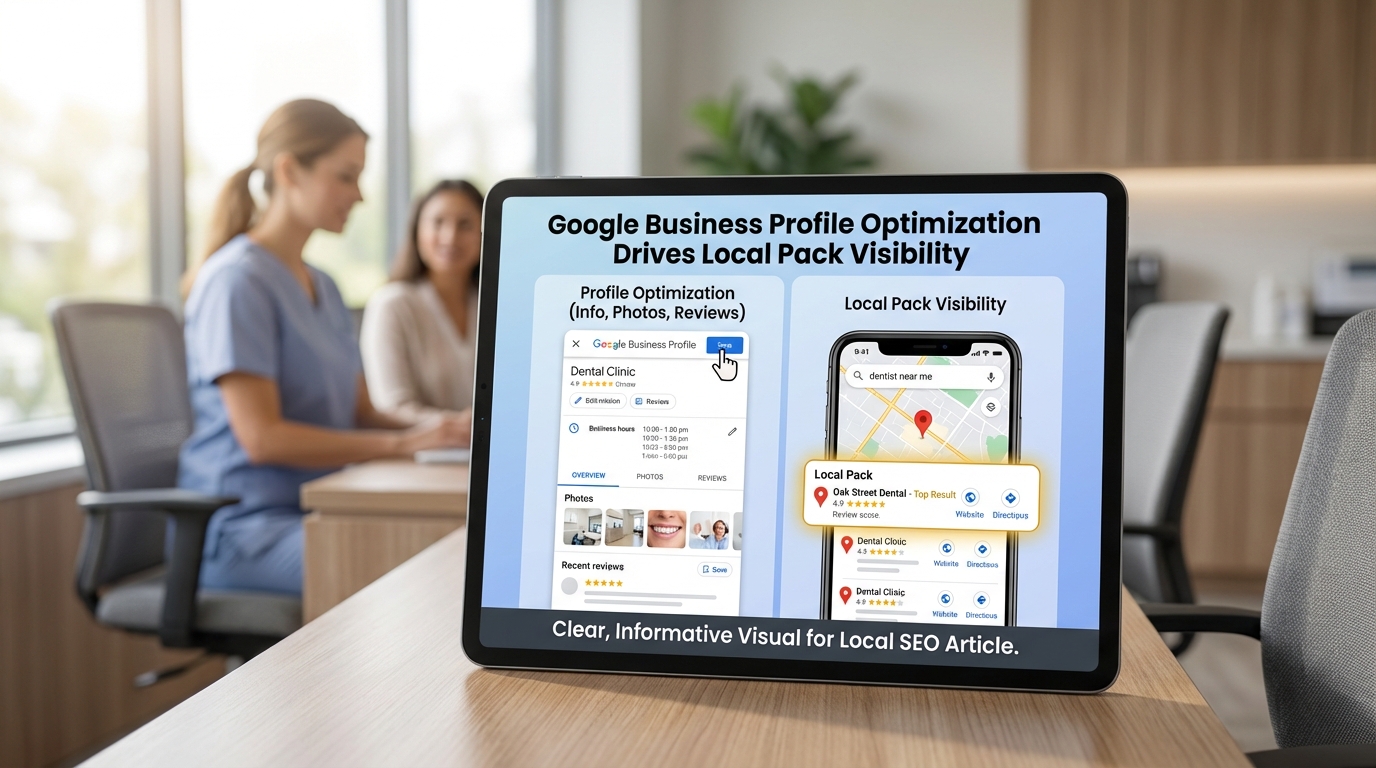
The cornerstone of any effective dental practice optimization strategy begins with proper Google Business Profile management. Formerly known as Google My Business, this free platform serves as the primary interface between dental practices and prospective patients conducting searches on Google Maps and traditional Google search results. A fully optimized profile significantly influences whether a dental clinic appears in the coveted local pack—the map-based results prominently displayed at the top of search engine results pages for location-based queries.
How Does Google Business Profile Affect Map Pack Rankings?
Google’s local search algorithm evaluates numerous factors when determining which dental practices deserve placement within the local pack. Profile completeness ranks among the most critical elements. Dental practices must provide comprehensive information including accurate business hours, detailed service descriptions, high-quality photographs of the facility and staff, and regularly updated posts showcasing community involvement or promotional offers. Additionally, selecting the correct primary category (such as dentist, orthodontist, or cosmetic dentist) and relevant secondary categories ensures proper classification within Google’s taxonomy.
What Information Should Dentists Include in Their Profile?
Beyond basic contact information, dental practices should incorporate specific attributes that differentiate their services. These include accessibility features, accepted insurance providers, emergency services availability, and specialized treatments offered. The “Services” section should enumerate individual procedures such as teeth whitening, root canals, dental implants, and orthodontic treatments, each with detailed descriptions incorporating geo-modified keywords. Regular Google Business Profile updates, including photos from community events, seasonal decorations, or new equipment installations, signal active management to both Google’s algorithm and potential patients.
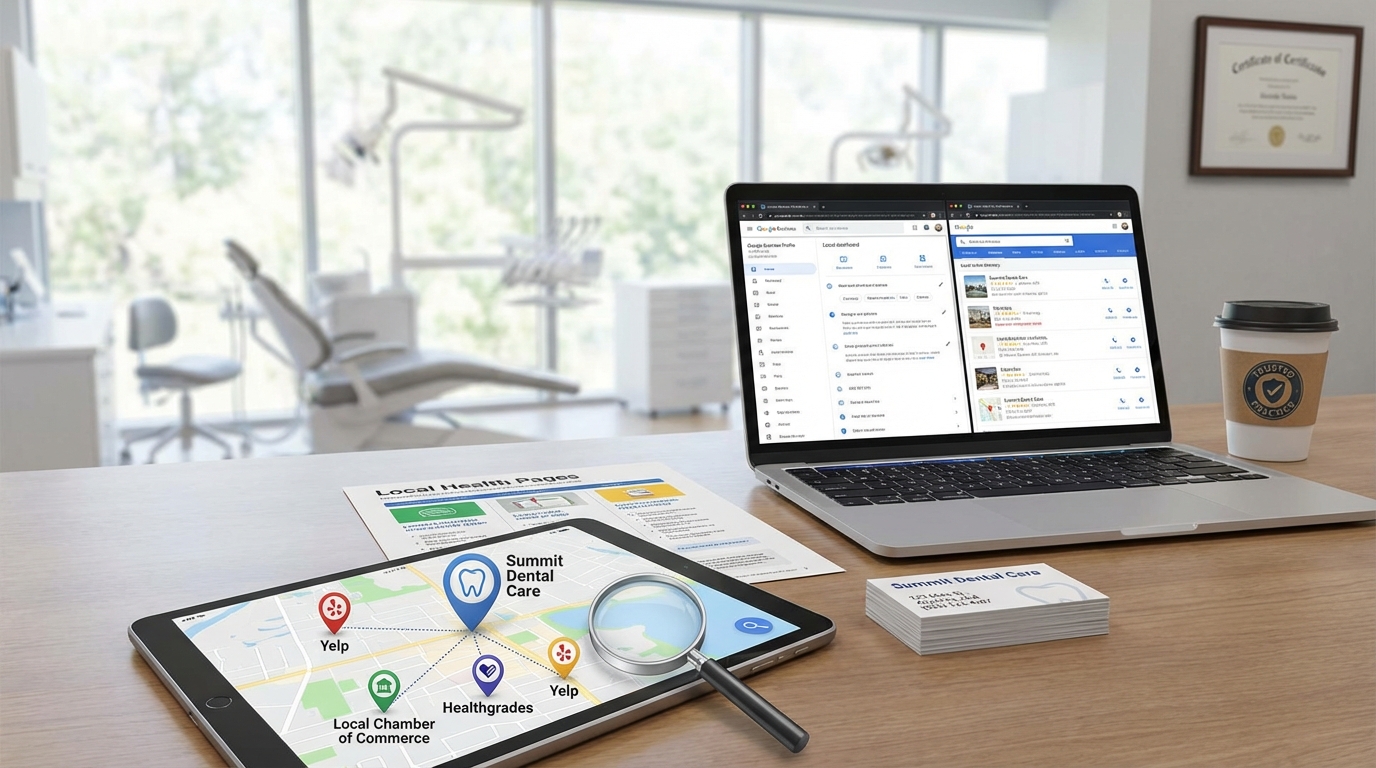
Consistent citation building across reputable local directories forms the structural foundation of off-page SEO for dental practices. NAP citations—listings containing the practice’s Name, Address, and Phone number—serve as trust signals that validate a dental clinic’s legitimacy and geographic location. These citations function as digital references that Google and other search engines consult when assessing practice location signals and determining appropriate rankings for neighborhood dental clinic searches.
| Directory Type | Primary Platforms | SEO Impact | Patient Influence |
|---|---|---|---|
| Healthcare-Specific | Healthgrades, Zocdoc, Vitals | High domain authority backlinks | Strong patient trust factor |
| General Business | Yelp, Yellow Pages, BBB | Broad citation diversity | Moderate discovery potential |
| Local Directories | Chamber of Commerce, City Sites | Geographic relevance signals | Community credibility building |
| Data Aggregators | Yext, Moz Local, BrightLocal | Widespread distribution efficiency | Consistency enforcement |
Why Is Citation Consistency Critical for Dental Practices?
Inconsistencies in NAP information across digital platforms confuse search engine algorithms and dilute local ranking signals. A dental practice listed as “Dr. Smith’s Dental Clinic” on one directory and “Smith Dental Associates” on another creates ambiguity regarding whether these represent the same entity. Such discrepancies undermine the cumulative authority that consistent citations otherwise provide. Dental practices should conduct regular citation audits using tools like Semrush, Ahrefs, or specialized platforms such as BrightLocal to identify and rectify variations in business name, address formatting, phone numbers, or website URLs.
Online Reviews and Patient Testimonials Influence Proximity Ranking
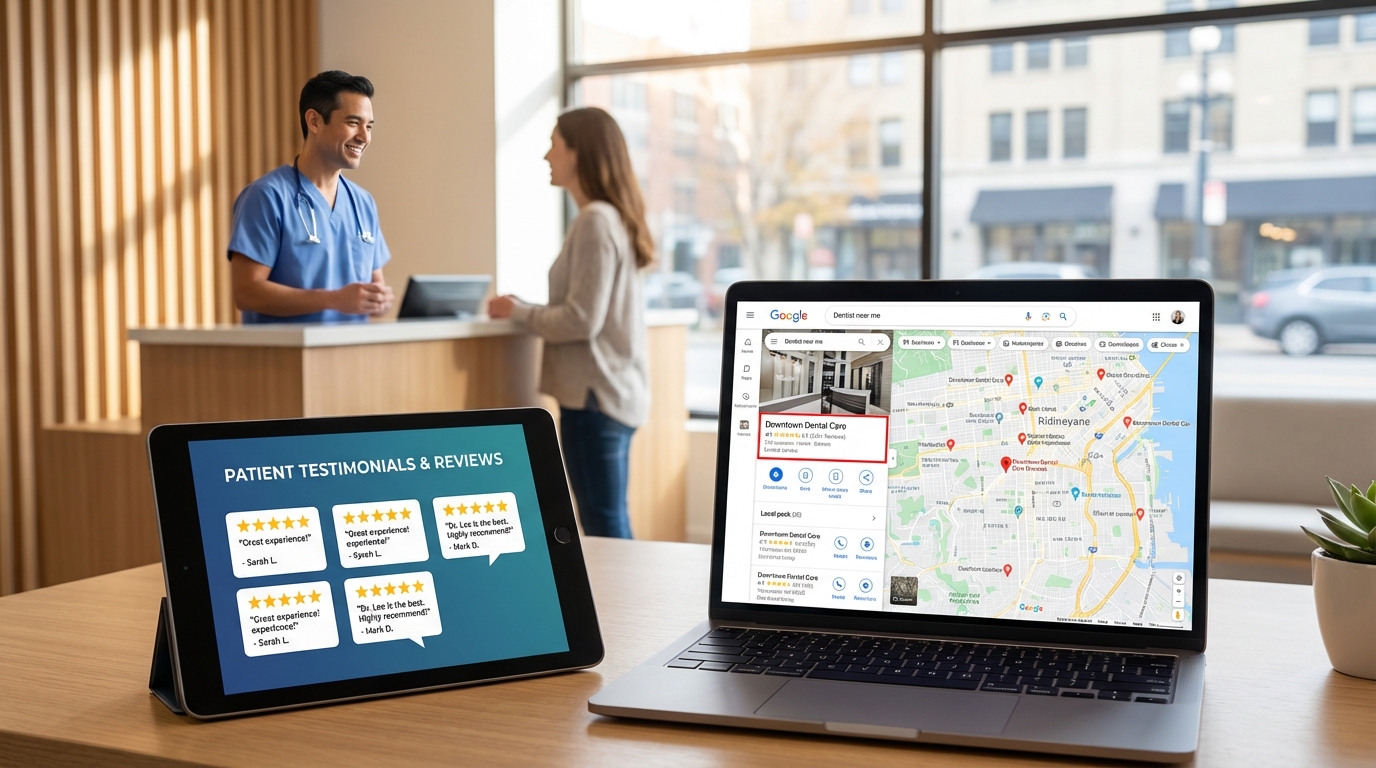
Patient reviews constitute a powerful dual-purpose asset within local SEO strategies, simultaneously influencing algorithmic rankings and patient decision-making processes. Search engines interpret the quantity, quality, recency, and sentiment of online reviews as indicators of dental practice credibility and patient satisfaction. Research indicates that practices with higher average ratings and greater review volume typically achieve superior positions within map search optimization results.
How Should Dentists Manage Their Online Reputation?
Effective reputation monitoring requires systematic review solicitation protocols coupled with professional response strategies. Dental practices should implement automated feedback requests following appointments, providing patients convenient access to multiple review platforms including Google Business Profile, Yelp, Healthgrades, and Zocdoc. The timing of these requests significantly impacts response rates—sending invitations within 24-48 hours of positive patient experiences maximizes participation likelihood.
Responding to all reviews, both positive and negative, demonstrates engagement and commitment to patient satisfaction. Professional responses to constructive criticism can mitigate negative impressions while showcasing the practice’s dedication to service improvement. Dental practices should avoid generic reply templates, instead crafting personalized responses that address specific patient concerns while maintaining HIPAA compliance by never disclosing protected health information.
- Quantity targets: Aim for minimum 5-10 new reviews monthly across platforms
- Platform diversification: Distribute reviews across Google, healthcare directories, and social platforms
- Response time: Reply to reviews within 24-48 hours to demonstrate active engagement
- Review authenticity: Never incentivize reviews with compensation beyond requesting honest feedback
- Negative review protocol: Address concerns professionally, offer offline resolution opportunities
Schema Markup and Technical SEO Enhance Search Engine Understanding
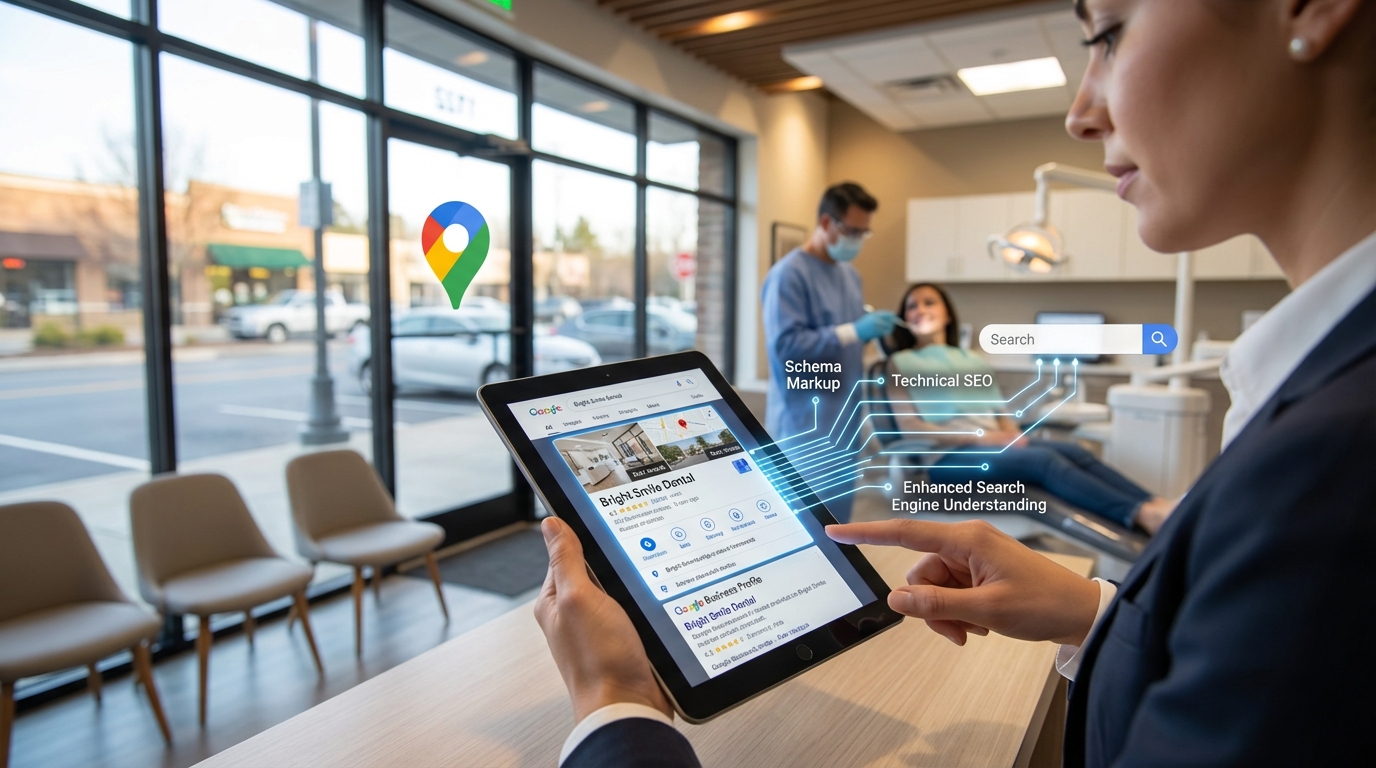
Structured data implementation through schema markup provides search engines explicit information about dental practices, services, practitioners, and patient reviews. This semantic annotation enables enhanced search result features including review stars, practitioner information panels, and rich snippets that improve click-through rates from organic search results. Dental websites should implement LocalBusiness schema combined with Dentist-specific organizational schema to maximize search engine comprehension.
What Technical Factors Impact Dental Website Rankings?
Beyond semantic markup, comprehensive technical SEO encompasses mobile optimization, page speed performance, secure HTTPS implementation, and proper URL structure. Given that approximately 60% of local searches originate from mobile devices, responsive dental website design represents a fundamental requirement rather than optional enhancement. Google Search Console provides invaluable diagnostic data regarding mobile usability issues, indexing problems, and search performance metrics that inform technical optimization priorities.
Voice search optimization has emerged as an increasingly relevant consideration as patients utilize digital assistants to conduct conversational queries like “find a pediatric dentist near me accepting new patients.” Optimizing for natural language patterns and question-based searches improves visibility for these longer, more specific queries that often signal high conversion intent.
Location Pages and Geo-Targeted Content Build Neighborhood Relevance
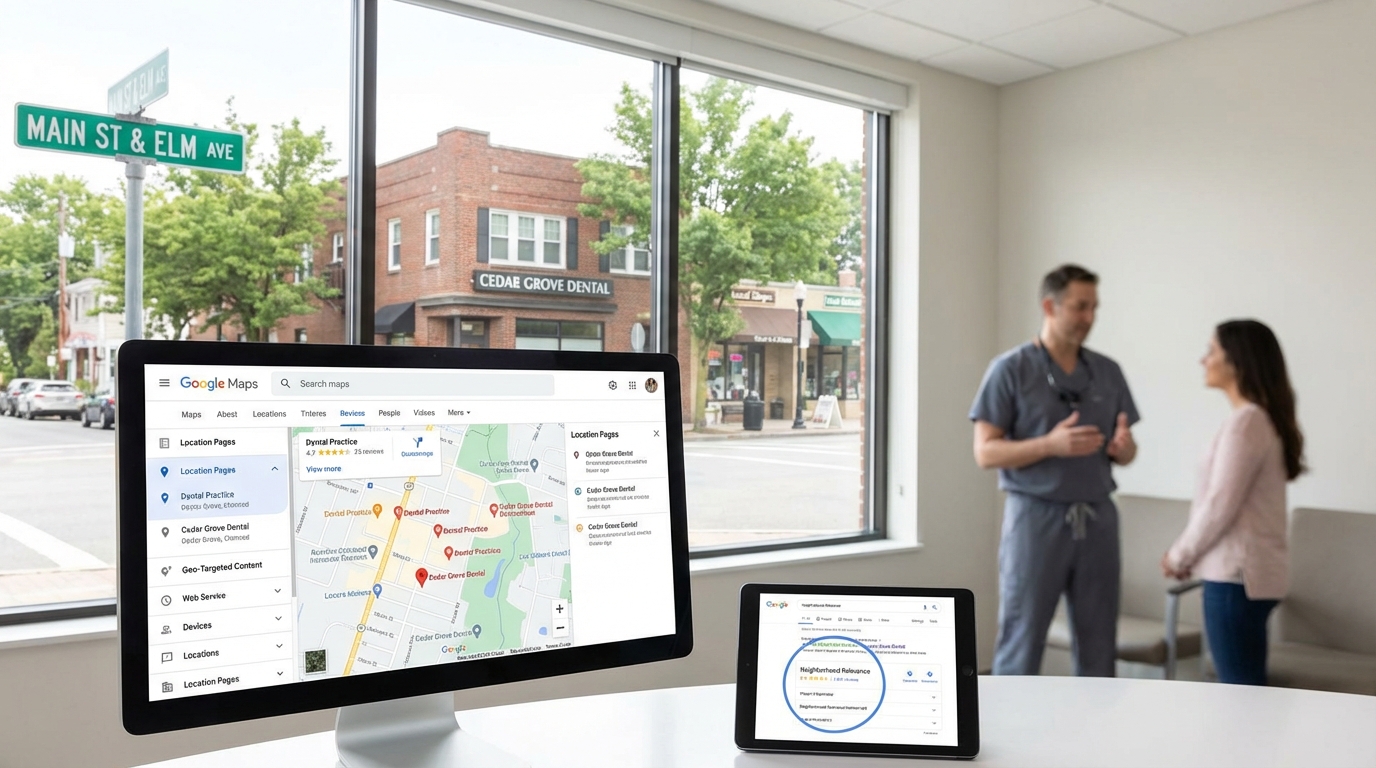
Dental practices serving multiple locations or broad service areas benefit substantially from dedicated location pages that target specific neighborhoods, suburbs, or communities. These neighborhood targeting pages should transcend simple template duplications, instead offering genuinely unique content addressing local demographics, community partnerships, directions from notable landmarks, and parking information specific to each location.
How Can Dentists Create Effective Geo-Targeted Content?
Successful local content creation integrates city-specific dental keywords naturally within informative articles addressing community health concerns, local dental health statistics, or participation in area events. A dental practice might publish content about “Managing Dental Emergencies for Boston Residents” or “Choosing Pediatric Dental Care in Austin’s Growing Neighborhoods,” incorporating city dental services terminology while providing genuine value to prospective patients.
| Content Type | SEO Benefits | Patient Value | Implementation Effort |
|---|---|---|---|
| Location Pages | Direct geographic targeting | Specific office information | Medium (initial setup) |
| Local Blog Posts | Long-tail keyword capture | Educational resources | High (ongoing content) |
| Community Event Coverage | Brand mentions and backlinks | Local engagement proof | Low (repurpose existing) |
| Service Area Pages | Extended geographic reach | Service availability clarity | Medium (template-based) |

Acquiring high-quality backlinks from locally relevant sources signals topical authority and geographic legitimacy to search algorithms. Unlike generic link building approaches, local backlink strategies prioritize connections with community organizations, local news outlets, chambers of commerce, and complementary healthcare providers. A dental practice might sponsor youth sports teams, participate in school health education programs, or contribute expert commentary to local news stories about dental health topics.
Which Local Partnership Opportunities Generate Quality Backlinks?
Strategic community involvement creates natural link acquisition opportunities while simultaneously building genuine community dental presence. Dental practices should explore partnerships with local schools for educational presentations, collaborate with senior centers on dental health awareness programs, or sponsor community charity events. These activities frequently result in mentions on organizational websites, local news coverage, and community calendar listings—all valuable sources of geographically relevant backlinks that enhance local search ranking performance.
- Educational institution partnerships: School health programs, college athletics sponsorships
- Healthcare referral networks: Physician collaborations, specialty dental referrals
- Local business associations: Chamber of Commerce membership, business improvement districts
- Community service organizations: Rotary clubs, charitable foundations, health fairs
- Local media relationships: Expert commentary, health column contributions, press releases
Performance Monitoring Through Google Analytics and Specialized Tools
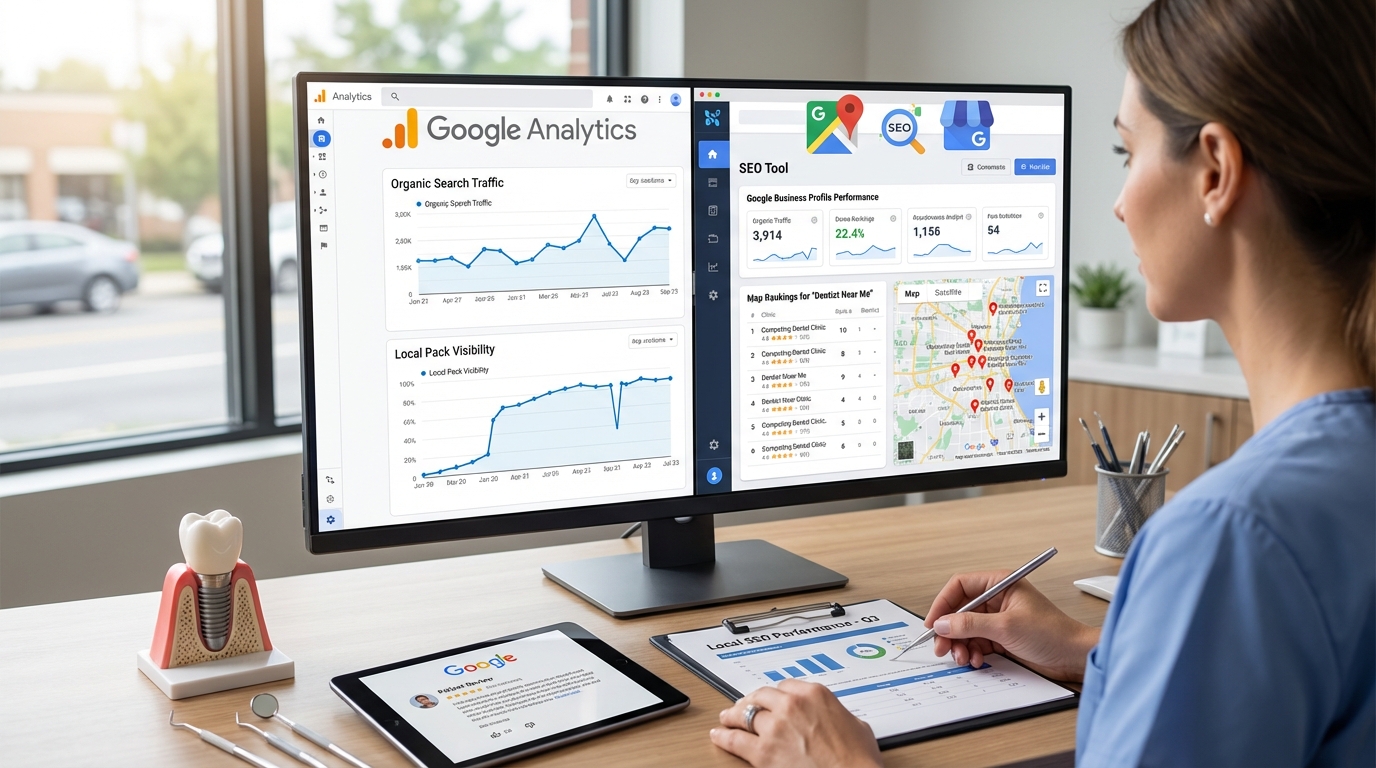
Systematic tracking of local SEO performance enables data-driven optimization decisions and ROI documentation. Google Analytics provides comprehensive insights into dental website traffic sources, user behavior patterns, and conversion metrics including appointment booking completions and contact form submissions. Configuring geographic reporting segments reveals which neighborhoods and cities generate the most valuable traffic, informing targeted marketing investments.
What Metrics Indicate Local SEO Success for Dental Practices?
Key performance indicators extend beyond vanity metrics like total website visits to encompass actionable measurements directly correlating with business objectives. Local dental traffic quality matters more than quantity—analyzing metrics such as average session duration, pages per session, and bounce rates identifies whether attracted visitors match target patient demographics. Google Business Profile insights reveal search query patterns, customer actions (calls, direction requests, website clicks), and comparative performance against local dental competition.
Specialized platforms including Moz Local, BrightLocal, and comprehensive SEO suites like Semrush offer consolidated dashboards tracking citation consistency, review accumulation, ranking positions for targeted geo-modified keywords, and competitive benchmarking. Regular monitoring of these metrics, ideally monthly or quarterly, identifies emerging opportunities and potential issues requiring immediate attention before they significantly impact dental practice visibility or local patient acquisition rates.
Frequently Asked Questions
How long does local SEO take to show results for a dental practice?
Local SEO typically requires 3-6 months before substantial improvements become evident, though some quick wins like Google Business Profile optimization may generate results within weeks. Factors influencing timeline include current online presence strength, local dental competition intensity, and implementation consistency. Practices starting with minimal digital footprints generally require longer establishment periods compared to those enhancing existing foundations.
Should dental practices invest in paid search alongside local SEO efforts?
Integrating paid search with organic local SEO creates comprehensive visibility across search results. While local SEO builds sustainable long-term presence, geo-targeted dental ads provide immediate visibility for high-intent searches and specific services. This hybrid approach proves particularly valuable for new practices establishing market presence or promoting time-sensitive offers like new patient specials.
How do dental specialists like orthodontists optimize differently than general dentists?
Dental specialists should emphasize their specific expertise through appropriate primary category selection in Google Business Profile, specialized service descriptions, and targeted content addressing specific conditions within their scope. Orthodontists benefit from content about braces and aligners, while endodontists should focus on root canal procedures. Citation building on specialty-specific directories like the American Association of Orthodontists’ member directory enhances specialty authority signals.
What percentage of dental patients find practices through local search?
Research indicates approximately 77% of patients use search engines before booking healthcare appointments, with local searches comprising the majority of these queries. For dental practices specifically, Google reports that “dentist near me” searches have increased over 200% in recent years, underscoring the critical importance of local search visibility for patient acquisition strategies.
Can dental practices serve areas outside their immediate physical location?
Yes, dental practices can optimize for expanded service areas through strategic creation of service area pages targeting surrounding communities and neighborhoods. Google Business Profile allows specification of service areas extending beyond the practice address. However, proximity ranking factors mean practices typically rank strongest for searches originating near their physical location, with ranking strength diminishing as geographic distance increases.
How important are online reviews compared to other local SEO factors?
Online reviews represent approximately 15-20% of local ranking factors according to industry studies, making them among the most influential elements alongside Google Business Profile optimization and NAP citation consistency. Beyond algorithmic impact, reviews significantly influence patient decision-making, with 84% of people trusting online reviews as much as personal recommendations. The combination of ranking influence and conversion impact makes review management essential for comprehensive dental marketing strategies.