Sample layout. Not a real client.
Trade, city: the problem in one line
- Starting point
- Rank grid before any change
- What changed
- The one or two changes that moved it
- Result
- Rank grid after, and the change in calls
A homeowner comparing installers opens your Google Business Profile several times over several weeks, usually beside two or three others. I set it up so each visit answers a question, and I measure where it appears across the county.
No long contracts. You talk to Simon.
Map pack: solar company Carlsbad
 A
B
C
A
B
C
Scientific SEO
A solar company’s Google Business Profile is the listing Google shows in the map pack and in Maps when someone searches for an installer, and a homeowner comparing a short list reads it slowly. The basics of a Google Business Profile are the same in every trade. Solar changes how the listing gets used.
Nobody needs panels tonight. A plumber’s profile has to win a phone call within a minute. Yours gets opened beside two or three others, and often again a week later, after a salesperson has visited or a quote has arrived. Details that get skimmed in other trades get read here: the description, who replies to reviews, and what reviews from recent customers say happened after the system was switched on.
Google offers more than one solar-related category, and it adds and renames them, so I check the current list and test the choice of category instead of assuming it. The primary category should describe the main thing you’re paid to do, and the services list should carry everything else.
Below the category, list each kind of work separately: new installations, battery storage, a battery added to an existing system, panels removed and reinstalled for a roof replacement, and repairs to systems another company installed, if you take that work. A homeowner who already has panels is looking for something different from one who is starting out, and a profile that only says “solar” speaks to neither.
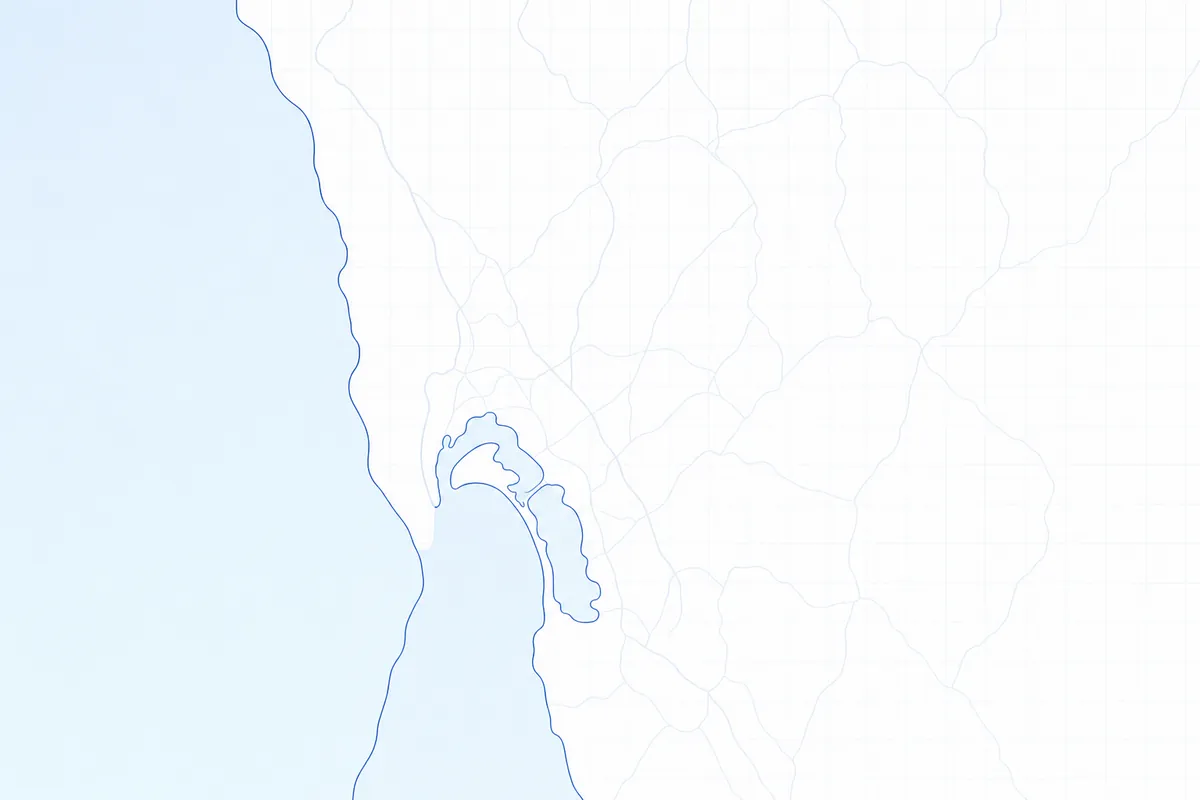
A company based in Kearny Mesa can install in Fallbrook and Alpine and still be missing from the map there. Closeness to the person searching is one of the things Google ranks map results on, and adding more cities to your service area settings does little to change that. A rank grid shows where your profile stops appearing, which tells me the cities where a page on your website has to do the job the map won’t.
National solar companies appear in the local map pack through profiles for their regional offices, and some carry a large number of reviews gathered by a big sales operation. Nothing I do changes that, and I’d be wary of anyone who says otherwise.
A local profile can show what a national one usually can’t. Photos of your own crews on roofs in Poway or Rancho Bernardo are one example, and review replies written by someone who remembers the job are another. If the people who sell the system also install and service it, the description should say so.
The solar offer keeps changing, so a post or description that mentions an incentive, or savings under the utility’s current billing rules, will be wrong after the next rule change, and a careful buyer will notice. I keep time-sensitive claims out of the profile and on website pages that someone is responsible for updating. Photos age better. Real installations labeled by city and roof type (concrete tile, composition shingle, flat roof) tell a homeowner with a tile roof in Carlsbad that you have worked on a house like theirs.
Every engagement starts and ends with the same measurement.
Sample layout. Not a real client.
Show it only if customers visit you there. Google's guidelines say a business that works at customers' homes and doesn't receive them at its own location should hide the address and list service areas instead. If homeowners do come to your office for consultations during posted hours, the address can show. A wrong setting here can lead to a suspension, so I check it before changing anything else.
No. Google allows one profile for each real, staffed location. Extra profiles at virtual offices or borrowed addresses break the guidelines and put every listing you have at risk of suspension. For cities far from your office, the legitimate route is a page on your website with real projects there, and reviews from customers in those cities. That route is slower, but it carries no risk of suspension.
You can, but I advise against it. The utility's billing rules and the incentives on offer change, and a profile description is easy to forget about. A statement that was accurate when written becomes a misleading one after the next rule change, with your name on it, and a careful buyer will notice. I'd describe what you install and where, and keep figures on a dated website page that someone reviews on a schedule.
List them if you want that work, each as its own service entry with a plain description. Owners of existing systems search for those jobs, and not every installer says whether it takes them. Leave off anything you turn down, such as repairs to systems another company installed, so the phone doesn't ring for it.
Tell me where your office is and which cities you install in. From those I map where your profile shows for installer searches.
Prefer to talk? Call (619) 675-7678, 9am to 6pm.